 Search


Small but Beautiful
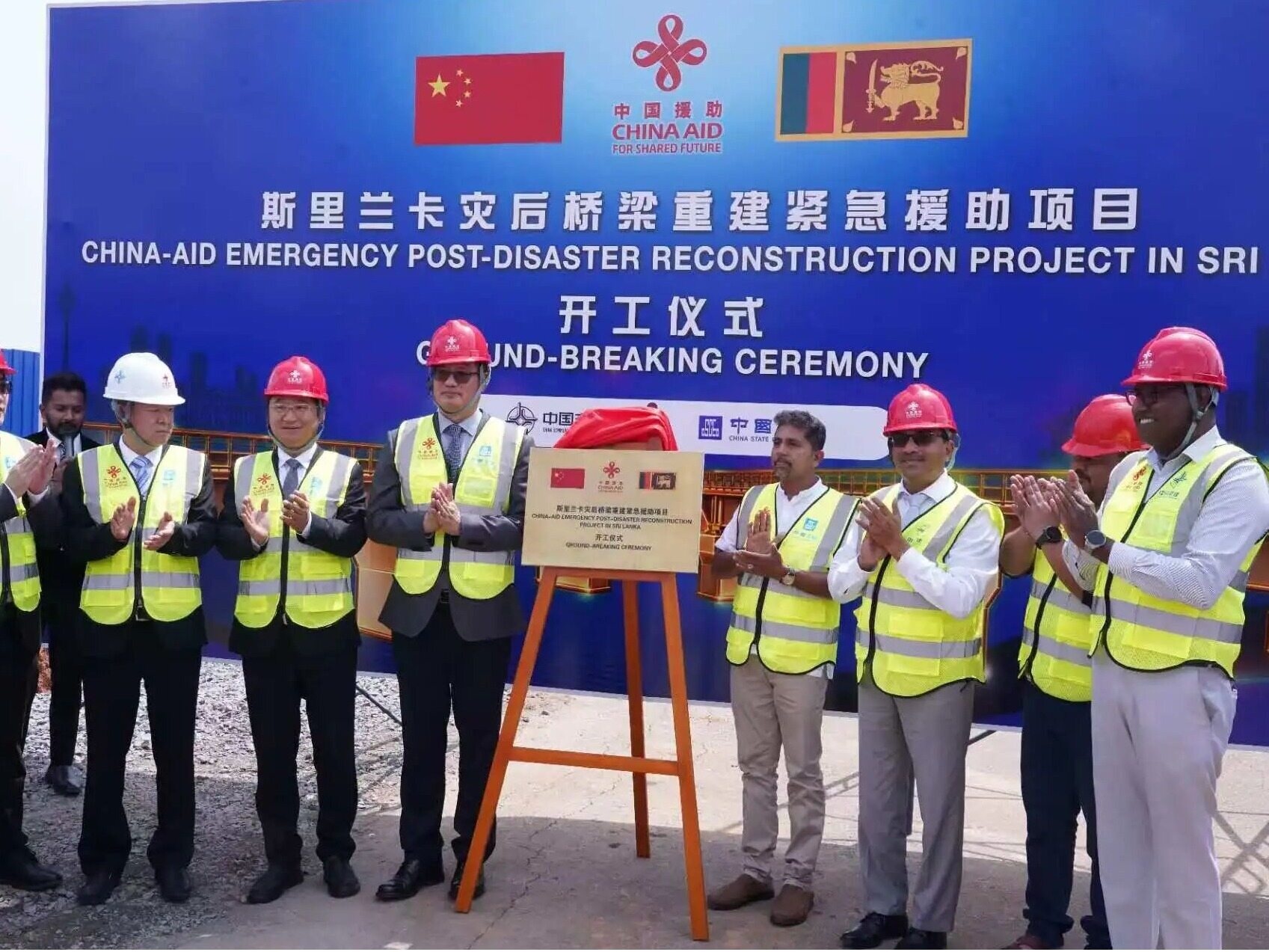
China's aid to Sri Lanka bridge reconstruction project starts construction
11-04
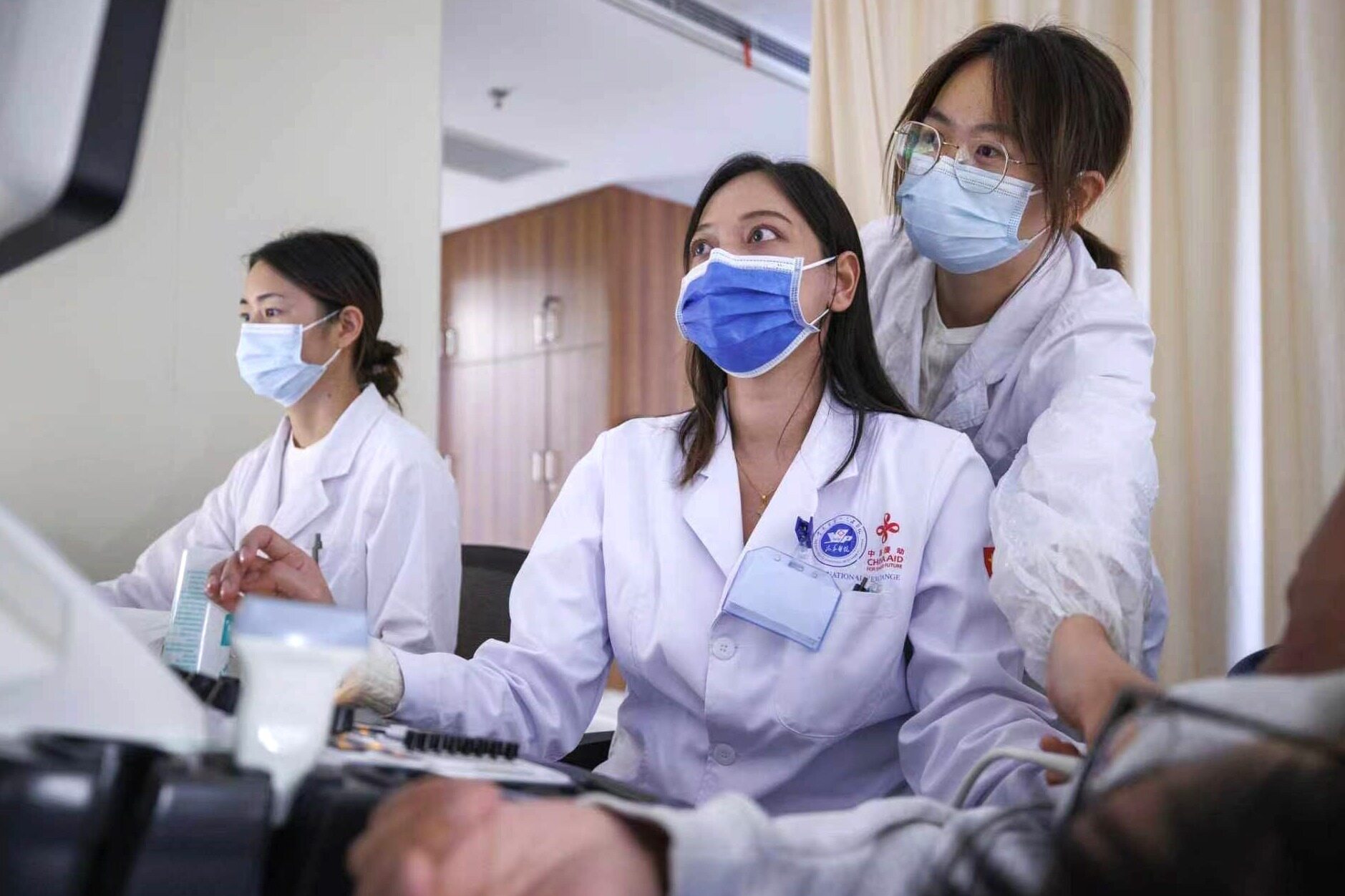
The morning mist of the Mekong River has not yet dissipated, and the rhythm of life has been captured on Luang Prabang's probe. When Laotian doctor Sulisa adjusted the ultrasound probe in Kunming, and Arno's father relaxed his brow after surgery, a cross-border two-way rush was unfolding - Chinese doctors rooted in a foreign land and sowed the seeds of fire, while Laotian medical staff traveled to Yunnan to seek the true scriptures. This is not only the transmission of technology, but also the relay of life.
Dual line technology transmission and two-way assistance
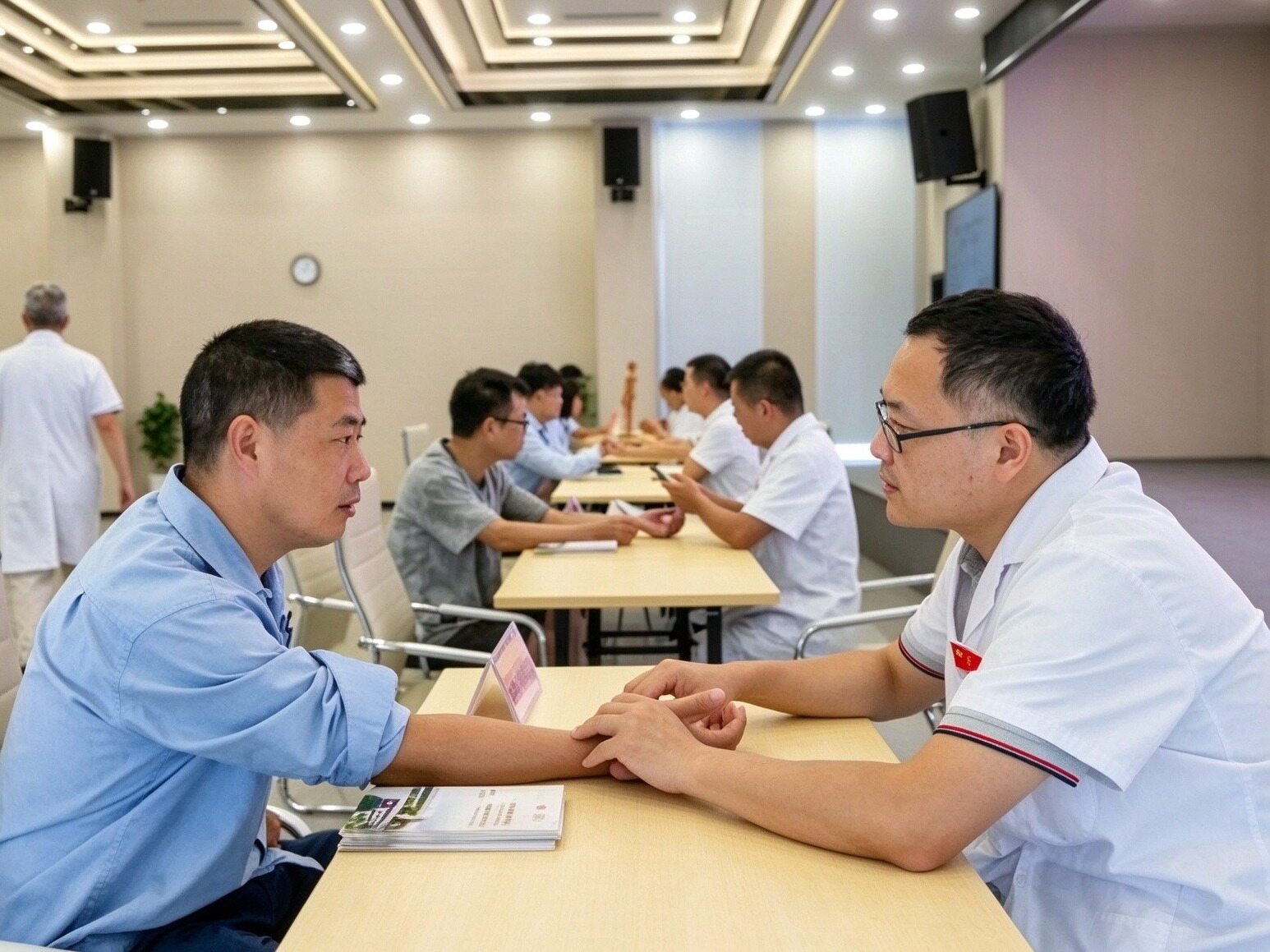
At the Ultrasound Room of the Department of Cardiology at the First People's Hospital of Yunnan Province, Dr. Sulisa Sinhawong, a trainee doctor at the Luang Prabang Provincial Hospital in Laos, followed her instructor to adjust the probe and studied ultrasound operations carefully. She is one of the 13 Laotian medical staff who came to Kunming for study in the third batch. In the corridor, the father of Lao patient Arno packed his bags and prepared to be discharged. He went to Kunming twice for cardiac treatment, and his chest pain symptoms have been eliminated. On one hand, medical professionals return home after completing their studies, while on the other hand, patients regain their health, forming a vivid portrayal of Yunnan's medical assistance to Laos.
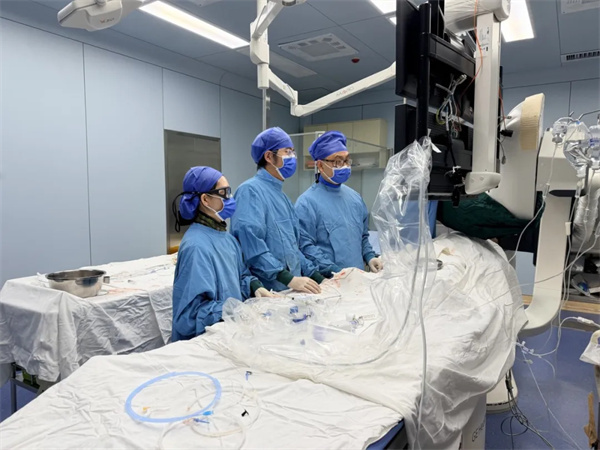
The self aid project has been launched, and Yunnan First People's Hospital has sent 5 batches of 43 medical and nursing staff to Laos for support, and received 3 batches of 34 Laotian medical and nursing staff for further studies in Yunnan. On both sides of the Mekong River, Chinese doctors teach medical skills locally, while Laotian medical staff come to Kunming to study diligently.
Rooted in the local area and left behind technology
Supapung Benyong, a cardiologist at Luang Prabang Provincial Hospital, witnessed the Chinese team completing the first coronary angiography and emergency stent surgery for a heart attack in northern Laos. In the past, the local area could only handle patients with myocardial infarction in a simple manner. Nowadays, the cardiology department is an independent department with a 14 member specialized team that can routinely receive treatment for common cardiovascular diseases.
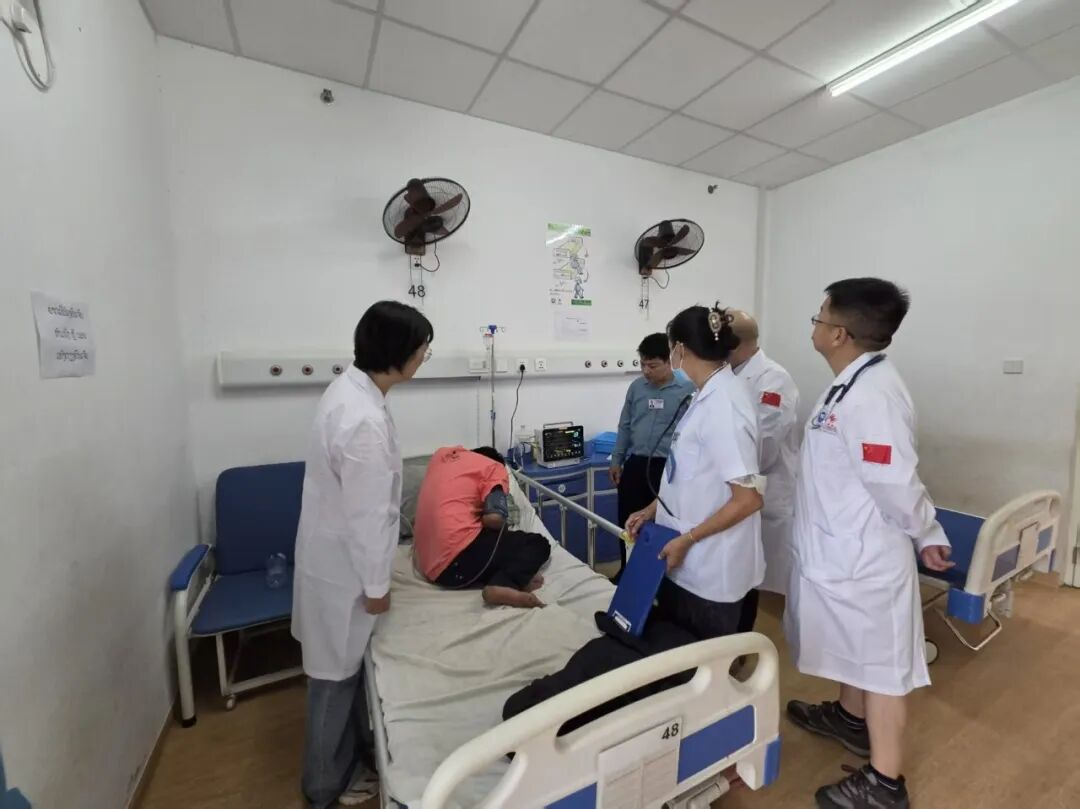
Supapung specializes in coronary angiography and stent technology in Kunming, and plans to return to China to implement new technologies while drawing on departmental management models. Two referral channels have been established between the two places, allowing difficult patients to be transferred to Kunming for treatment. The foreign aid strategy is clear: treating individual patients and cultivating local doctors to benefit more people.
Cross border rescue, continuous hematopoietic growth
Arno's father has been troubled by heart attacks for a long time and has not received effective treatment in Laos and Thailand. In October 2025, he had two stents implanted in Kunming. Nine months after the surgery, the blood vessels were severely blocked again. He came to Kunming for another surgery to add a new stent, and the chest pain completely disappeared.
Laos currently does not have the conditions to independently carry out this type of stent restenosis surgery. The hospital adopts a two-way model of dispatching experts to assist in the construction of catheterization rooms and receiving backbone training to fill the gaps in cardiac intervention diagnosis and treatment in northern Laos. This project contributes to the construction of a community with a shared future between China and Laos, leveraging the advantages of the Yunnan Radiation Center to strengthen health cooperation, continuously accelerating the training of local talents, and enabling Laotian people to take good care of their illnesses at their doorstep.Editor/Gong Ziwei
Comment

 Praise
 Collect
 Comment

 Share


Write something~