 Search



- Samsung plans to invest $1.9 billion to expand its Austin, Texas factory and upgrade its high-end aerospace semiconductor supply chain
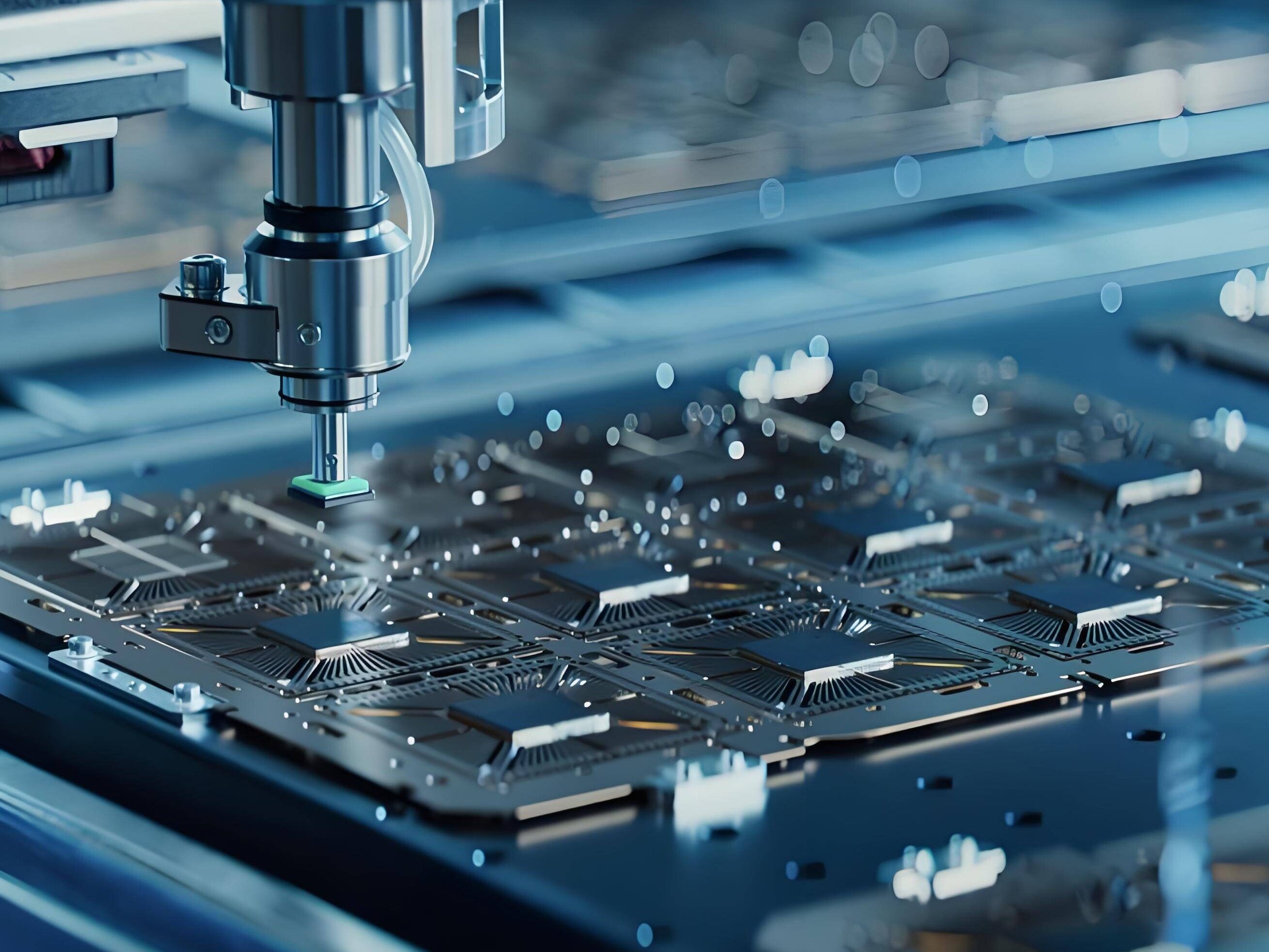
Under the wave of LEO satellite Internet, aerospace chips are the core high-tech components that determine the performance of satellite chain communication. The STM32V8 chip used in the Starlink laser intersatellite link was previously only produced in a French factory. Industry sources have confirmed that Samsung will expand its Austin factory to create the second largest production base for this chip. Although the official contract with SpaceX has not yet been announced, it has released a new trend in the high-end aerospace manufacturing track.
Advanced technology support
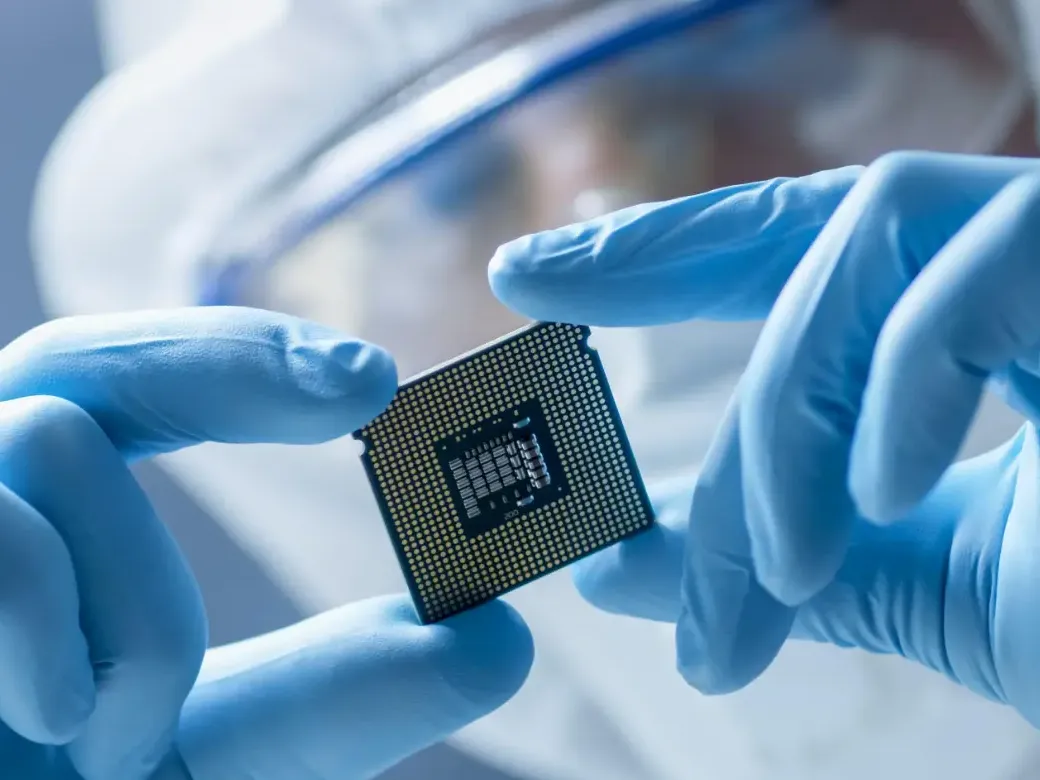
This STM32V8 is jointly developed by Samsung and STMicroelectronics, using the 18nm FD-SOI process, and is a high-tech microcontroller designed for extreme space environments. Compared to traditional processes, it has lower power consumption, better heat dissipation, stronger resistance to cosmic radiation, and is specifically designed to adapt to the harsh working conditions of satellites in orbit. The Austin factory has been designated as an exclusive production line for FD-SOI chips in the aerospace and defense fields, matching the production requirements of the project. The project investment is $1.9 billion and is expected to be put into operation in 2030.

Supporting high-speed interconnection between satellites
This chip is not an ordinary commercial chip, but a key hardware for the inter satellite link of the Starlink laser. SpaceX will complete the deployment of chips in orbit in December 2025. With this link, satellites can directly transmit data without the need to return to ground stations, effectively reducing communication latency in areas such as the ocean and polar regions. It is the core technology carrier for low orbit satellite networking to achieve high-speed communication. Keywords: Samsung Electronics, Starlink chips FD‑SOI

Reshaping the high-tech supply chain
This expansion of production is an important measure taken by the United States to promote the diversification of aerospace high-tech chip production areas, and to hedge the geopolitical and logistics risks brought by a single production area. The long-term investment layout also shows that Samsung is optimistic about the long-term demand for high-end aerospace semiconductors driven by satellite Internet. With the rapid development of commercial aerospace, advanced processes such as FD-SOI are becoming an important lever for semiconductor companies to enter the high-tech space industry.Editor/Li Xiaohua
Comment


 Praise
 Collect
 Comment

 Share


Write something~