 Search


- Photon counting architecture reconstructs imaging logic, breaking through the physical limitations of traditional devices
- Based on the emerging global market, domestic enterprises are expected to participate in the formulation of industry standards

In the low light laboratory, researchers stare at the dark screen with furrowed brows - traditional sensors have reached their physical limits. Until the Arctic Core Micro PCM7200 lights up the screen, 3.2 million pixels are presented clearly. This is the first commercial SPAD area array image sensor in China, breaking the shackles of CCD and CMOS technology for nearly 60 years and filling the gap in the domestic industry from scratch.
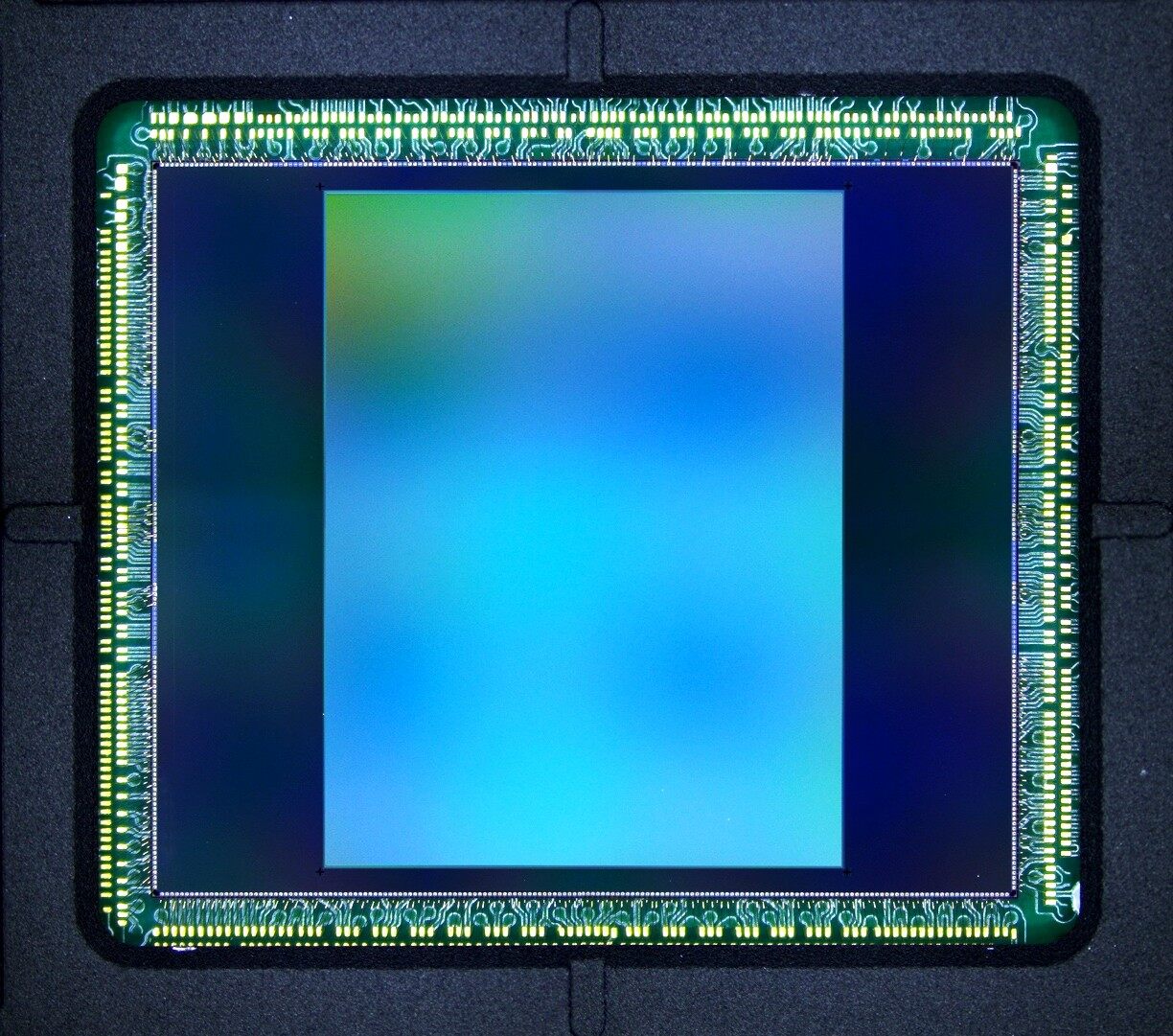
On September 4, 2026, Beiji Xinwei launched the first commercial 3.2 million pixel SPAD array image sensor PCM7200 in China. This product has achieved a breakthrough in the industrialization of SPAD imaging in China from scratch, and has become one of the few companies in the world that has mastered this commercial technology.
Full illumination global imaging
PCM7200 relies on full stack self-developed optimization and can adapt to various shooting environments from strong light to extremely low light, breaking the inherent perception that SPAD is only suitable for low light shooting. Whether it is outdoors in daylight, indoors in ordinary conditions, or in dark environments with illumination as low as 0.00015lux, the chip is still able to output images with clear details. Multiple sets of actual test scenarios have verified the device's practical ability for full scene imaging.

Innovate imaging technology at the bottom layer
The CCD and CMOS, which have been used for nearly 60 years, adopt charge integration logic, and there are physical limitations that are difficult to overcome in terms of performance improvement. The SPAD photon counting architecture breaks away from traditional technical frameworks and relies on avalanche effects to directly count single photons. Realize a significant increase in sensitivity to light, remove frame rate constraints, have an ultra wide adjustable dynamic range, simultaneously consider high sensitivity, high dynamics, and high frame rate, and explore new imaging application spaces. Keywords: SPAD image sensor PCM7200、 Photon counting, chip

Domestic track achieves ice breaking
Several domestic companies have been deeply involved in the field of SPAD ranging, but SPAD imaging has long been a blank in the industry. After five years of research and development, Arctic Core Microelectronics has launched PCM7200, achieving a breakthrough in the industrialization of this field from scratch. Currently, there are already landing cases of overseas enterprises, but there is still a need to continuously fill in the gaps in engineering adaptation in China. The standards for this blue ocean track have not yet been finalized, and domestic enterprises have the opportunity to enter the global top tier and participate in the construction of industry rules.Editor/Gong Ziwei
Comment







 Praise
 Collect
 Comment

 Share
Share


Write something~