 Search


- Collaborative power supply of photovoltaic energy storage provides new ideas for overseas factories' electricity consumption
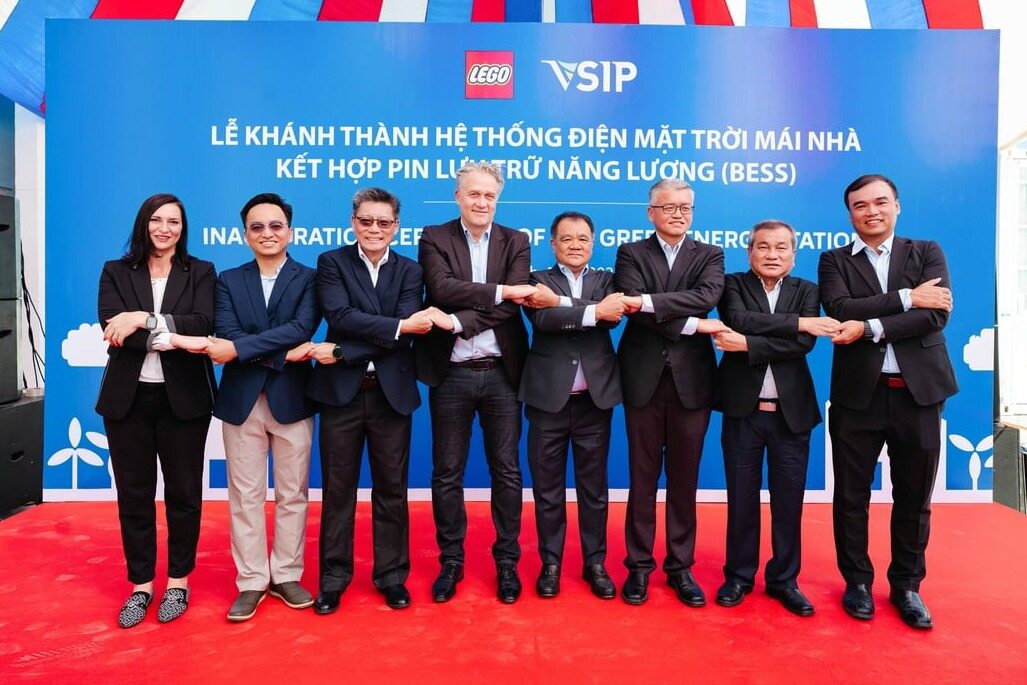
A silent restructuring is taking place on the energy map of Southeast Asian manufacturing. When multinational factories no longer just ask whether the electricity price is low enough, but start to calculate which roof each kilowatt hour of electricity comes from and which battery can be stored, green energy supply enters the production line from the corporate bulletin board. Lego pressed the start button of the energy storage system at its factory in Ho Chi Minh City, twisting the park's photovoltaic system, rooftop photovoltaic system, and direct purchase of electricity into a functional industrial sample.
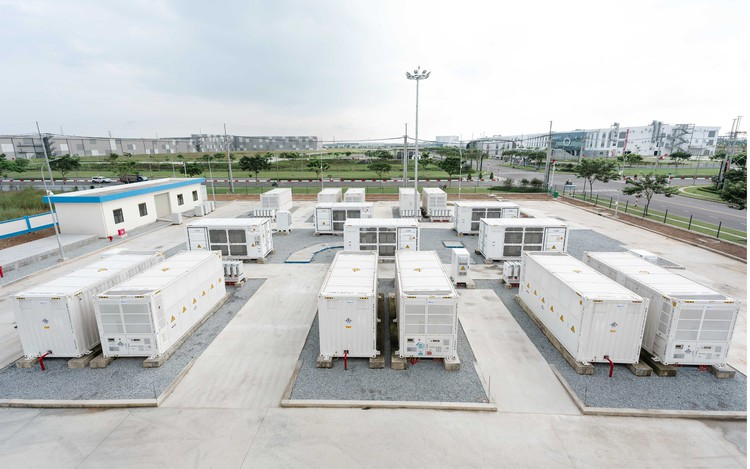
Lego officially announces the use of battery energy storage systems in its Ho Chi Minh City factory. The factory builds its own rooftop photovoltaic system and combines it with the photovoltaic storage system operated by Vietnam VSIP for joint power supply. Lego estimates that this energy supply combination will be able to meet nearly 75% of the factory's electricity consumption in the first five years of use, and the final effect still needs to be verified by actual operating data.
Excess electricity stored in energy storage equipment
About 12400 photovoltaic panels are laid on the roof of the LEGO factory building, and the energy storage facilities put into use this time are located in the park and operate in conjunction with the park's photovoltaic system. When the photovoltaic power generation exceeds the immediate electricity consumption of the factory, the surplus electricity is stored in the battery and released for production during peak electricity consumption. 75% is the estimated proportion of power supply for on-site photovoltaic and park photovoltaic storage, and the actual coverage level needs to be tested in subsequent operations.
Direct transmission of photovoltaic power through dedicated lines
Lego Vietnam previously signed a direct purchase electricity agreement with VSIP. The park is responsible for the operation and maintenance of photovoltaic and energy storage equipment, relying on dedicated lines to deliver electricity to factories, and collaborating with on-site photovoltaic power supply. When selecting a location for manufacturing enterprises with similar needs, they can simultaneously consider the available space on the roof and the access conditions of the park's dedicated line, and clarify the investment, operation, and maintenance entities of the power supply facilities.
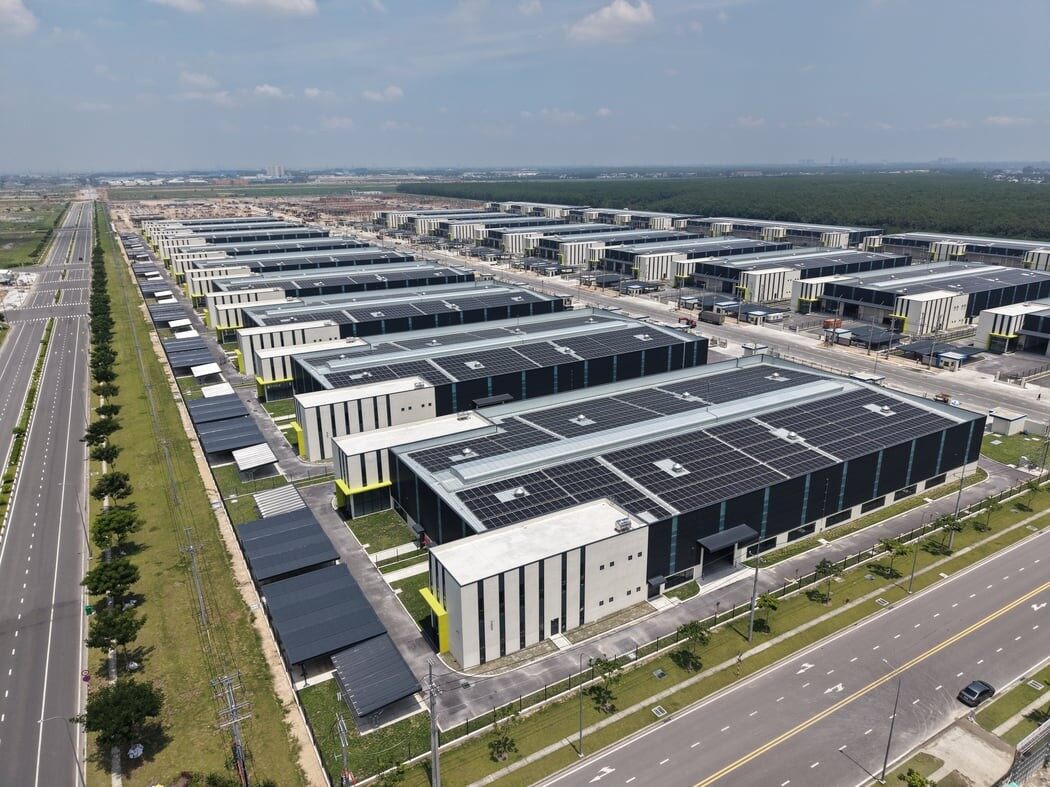
Calculate the cost of optimizing electricity consumption
Domestic manufacturing enterprises that go to Vietnam to build factories can calculate their electricity consumption based on production shifts, compare the photovoltaic power generation period, energy storage supply window, purchase price, and backup power supply expenses. Photovoltaic energy storage service providers can pay attention to the procurement and service opportunities released by park operators in the future. Lego announced that it is in talks to add a new power purchase agreement to fill the remaining 25% electricity shortfall. Keywords: Vietnam, solar energy storage, energy storage
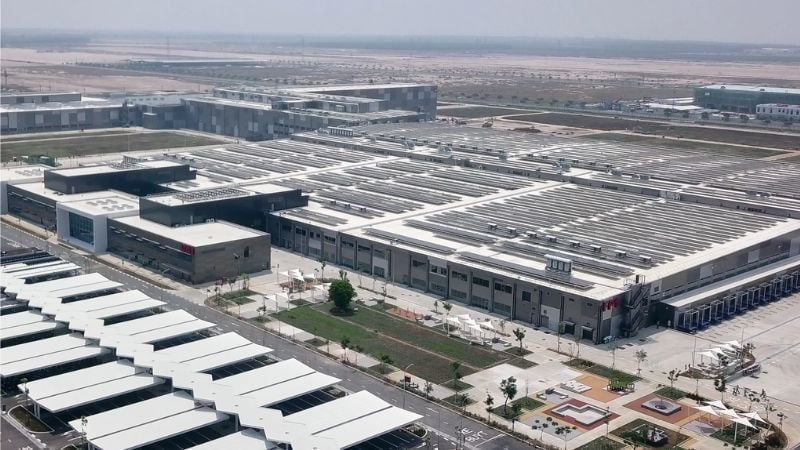
The follow-up focus will be on observing the actual power supply coverage rate of the system in the first year, as well as whether LEGO can finalize a new power purchase agreement. These two points can provide reference for evaluating the power supply guarantee capability of the park's photovoltaic storage scheme for enterprises building factories in Vietnam.Editor/Gong Ziwei
Comment






 Praise
 Collect
 Comment

 Share


Write something~