 Search


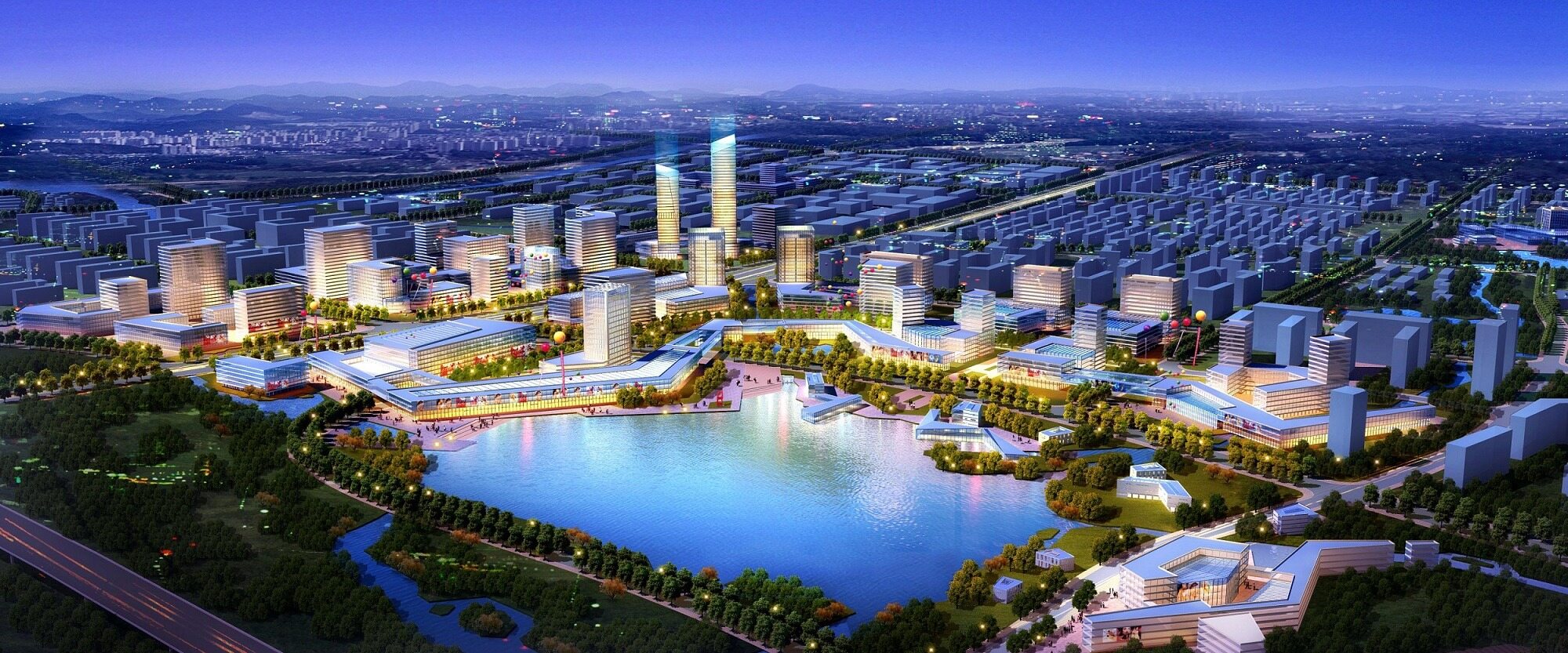
- Memo allows Chinese enterprises to embed in Indonesia's national level city building plan in advance
- Once implemented, residential, municipal, energy, and digital infrastructure will connect the entire chain of engineering general contracting to equipment going global
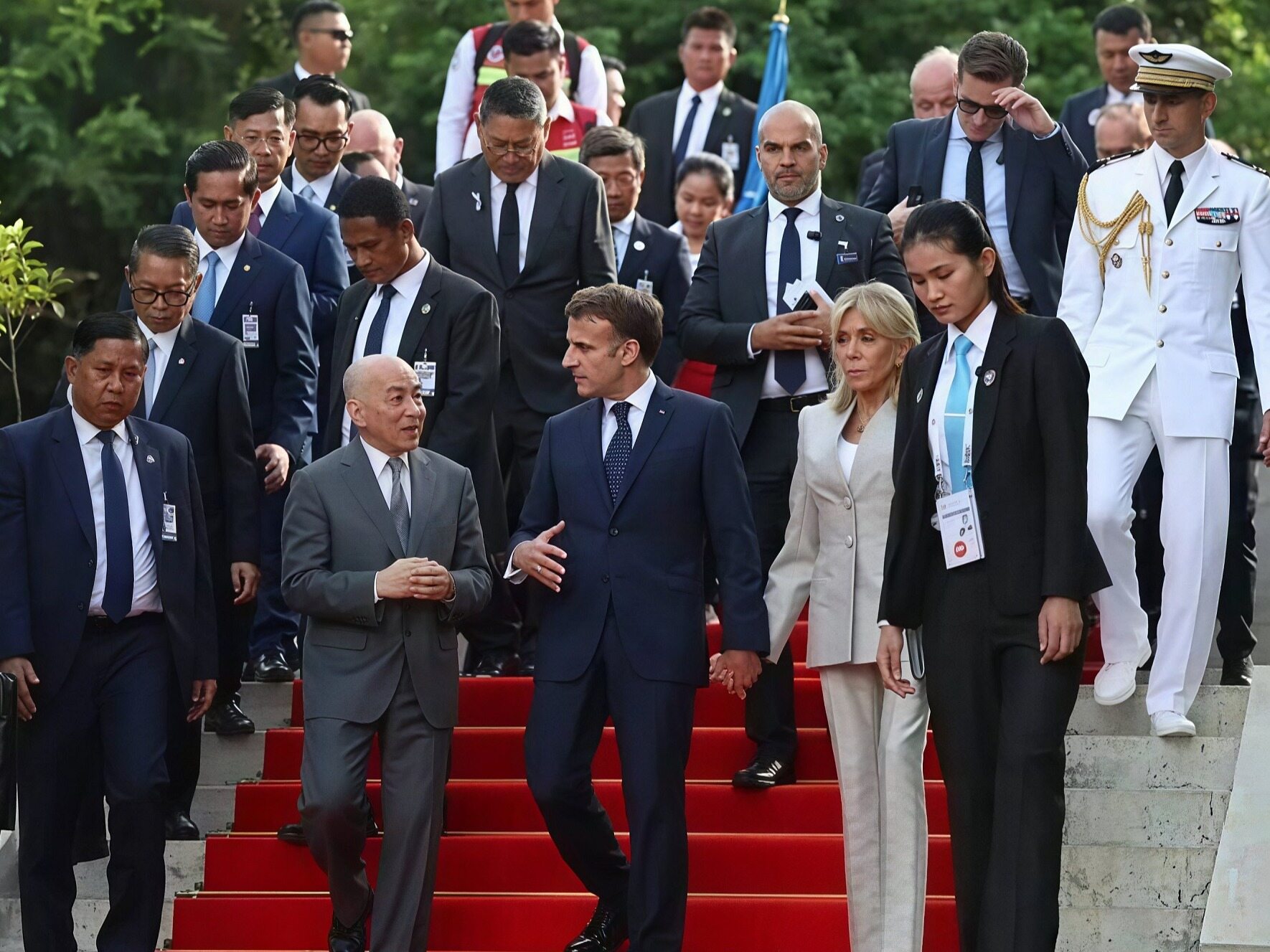
On November 18, 2026, Indonesian President Prabowo witnessed the signing of the APEC Business Leaders Summit in Shenzhen. Thousands of kilometers away, the stock land of state-owned enterprises in the surrounding areas of West Java, Batang, and Medan has been further integrated, and the first batch of construction in December has been included in the schedule. The author is a Chinese enterprise consortium led by Shaanxi Construction Engineering Group, with Hisense Group and other Chinese enterprises listed; Across from it is PT Kota Masa Depan Indonesia, also known as KMDI, a project company under the Indonesian national investment management agency Danantara.
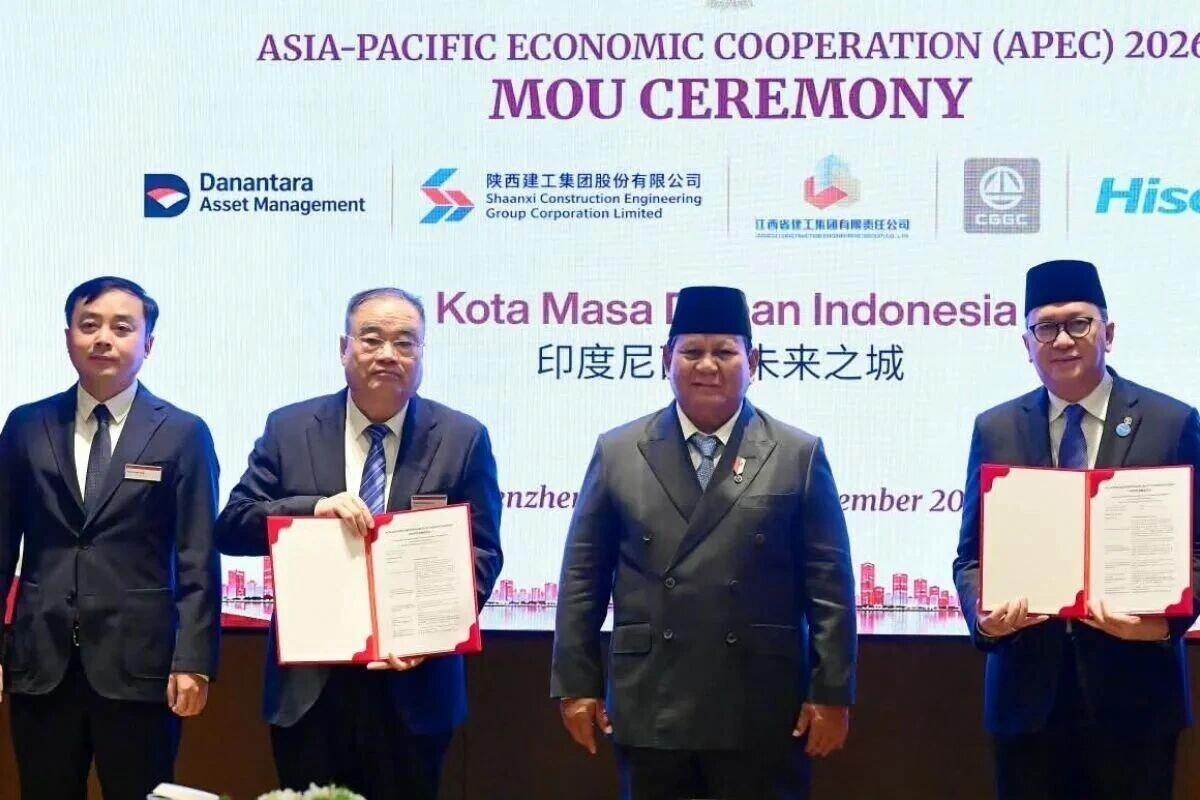
Shenzhen signed a large order
This is one of the four strategic partnerships between China and Indonesia on that day. According to information released by the Indonesian Presidential Office, the four collaborations involve smart cities, manufacturing, infrastructure financing, and coal to ethanol, with a total amount of approximately 71.8 billion US dollars. Smart cities are the largest in scale, with planned investments of approximately 50 billion US dollars. According to the preliminary plan, the average planned investment for 10 cities is about 5 billion US dollars, constructing about 1.5 million sets of housing to serve about 3 million people. The housing includes affordable housing, family housing, rental housing, and worker housing, while schools, hospitals, commercial facilities, parks, and public service centers will be built simultaneously. The project also involves water supply and sewage treatment, flood control and drainage, garbage recycling, power supply and distribution, photovoltaic power generation, communication networks, and smart city management systems. The Chinese consortium has proposed preliminary construction arrangements for the next 3-5 years, and the project still needs to go through necessary procurement and implementation procedures.
Danantara, which stepped forward, was established in February 2025 and is directly responsible to the President, integrating state-owned assets such as banks, electricity, and telecommunications into the same platform. Hisense signed a strategic cooperation memorandum with them in May this year and had previously undertaken a national level education digitization project in Indonesia. It's not sudden to move from industrial cooperation to the construction site.
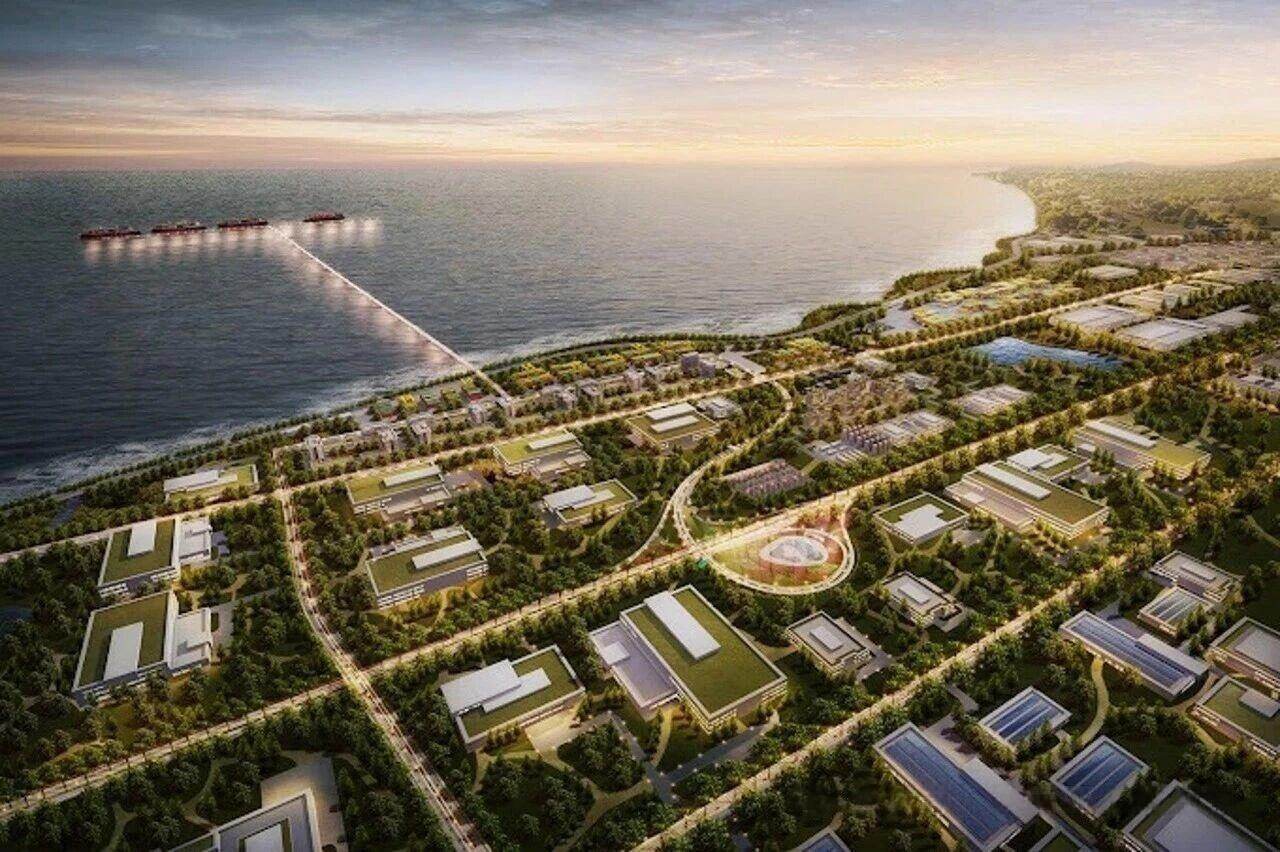
Land takes the lead
In October this year, Danantara proposed with the Indonesian state-owned enterprise regulatory agency to develop 12 smart cities using existing state-owned enterprise land assets, involving locations around West Java, Central Java, and Medan. On November 5th, it was further clarified that priority will be given to promoting the overall planning, land preparation, and project management team building of Walini, Batang, and Medan, and striving to hold the groundbreaking ceremony for the first batch of projects in December. The 10 future cities and 12 plans in this project belong to the same development direction and all involve KMDI. The complete list has not yet been announced.
The approach of using sovereign funds to exchange existing land for urban increment is different from the past where the government directly borrowed to build infrastructure. After the Jakarta Bandung high-speed railway, Indonesia tends to let commercial entities bear the risks and benefits, bundling city construction, factory building, and financing into a package. The negotiating partners of Chinese enterprises have also changed from ministries to funds.
The order is still on its way
Ten cities span across residential, municipal, and urban public systems. Large scale residential and public buildings bring about demand for architectural design, civil construction, mechanical and electrical installation, and building materials; Corresponding water and environmental protection projects and complete sets of equipment for water supply, sewage treatment, flood control and drainage, and garbage disposal facilities; Power supply and distribution, photovoltaic power generation, communication networks, and smart city management systems may form relatively independent professional engineering and equipment procurement needs, which are highly related to Chinese construction, energy, water, communication, and intelligent equipment enterprises. Hisense's smart home, display equipment, and digital infrastructure businesses have potential connections with intelligent construction, and it is reported that they will also participate in subsequent procurement competition. Its urban cloud brain and hundred city digital consulting experience have a landing point for overseas expansion.

The financing also leaves an interface: this cooperation proposes a RMB infrastructure financing framework of up to 10 billion US dollars equivalent, which is proposed to be raised through Panda Bond and Dim sum Bond for Indonesia's power, industry, transportation and urban infrastructure construction. Some funds may also support smart city projects in the future. Indonesia has previously issued point bonds and Panda bonds, and the Jakarta RMB clearing bank has also opened, laying a foundation for the implementation of RMB financing.keywords:Southeast Asia engineering information network
Memos are entry points, not orders. Danantara has begun to integrate land and organize some regional planning, with Chinese enterprises entering the early stage framework through signing contracts. Whether large-scale engineering orders can be formed still depends on the implementation of land parcels, overall planning, fundraising, and engineering procurement arrangements. For Shaanxi Construction Engineering and other Chinese funded enterprises, the value lies in seizing the opportunity to develop large cities in Indonesia in advance, and striving for follow-up business around residential, municipal public works, and intelligent infrastructure; The final construction content, contract amount, and implementation time to be borne by all parties are still pending a formal project agreement.Editor/Yang Meiling
Comment

 Praise
 Collect
 Comment

 Share


Write something~