 Search


- Three sea going channels are advancing simultaneously, and Iraqi oil completely bids farewell to single route dependence
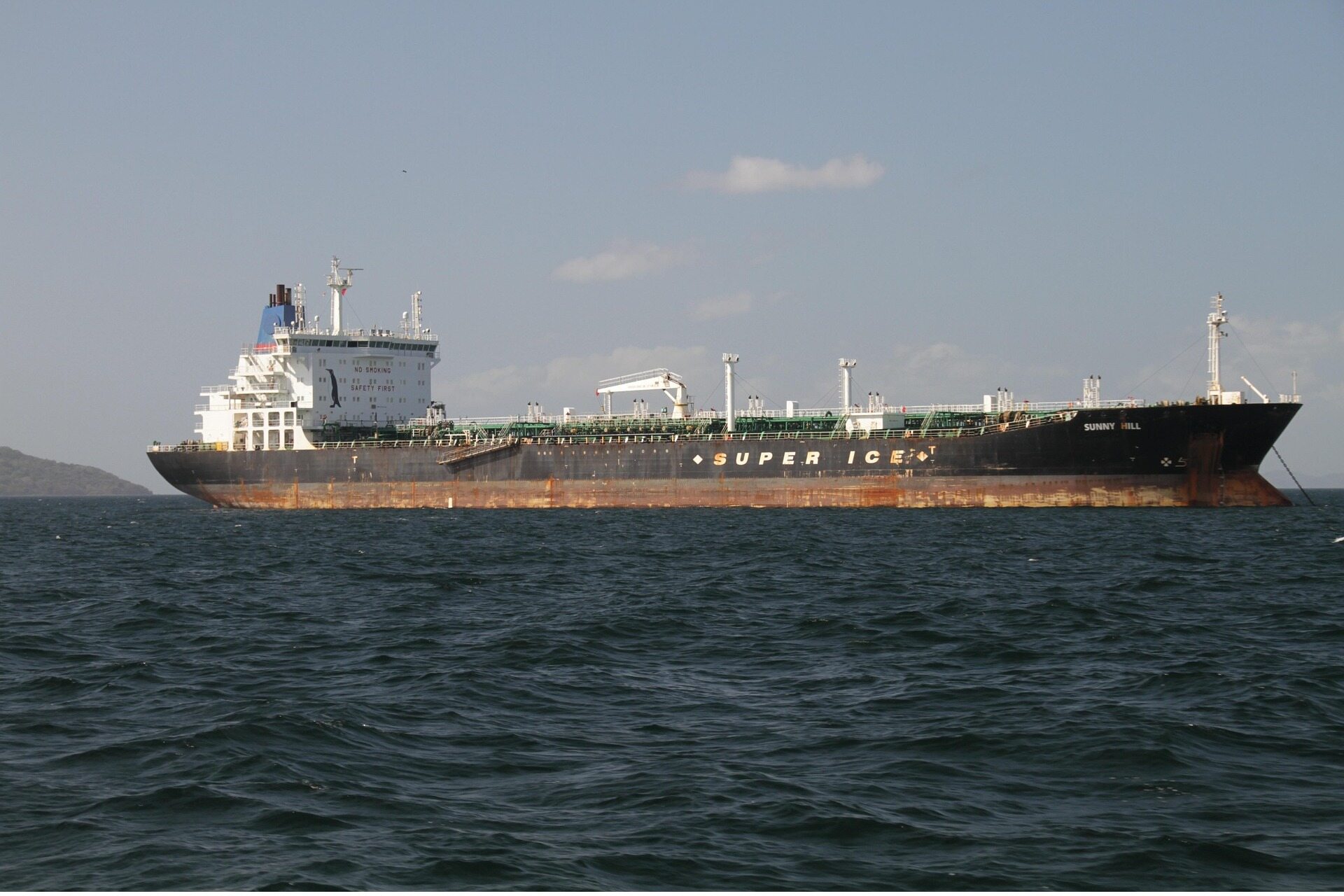
On November 19, 2026, a long dormant branch line suddenly began operating at full speed in the oil pipeline network between Baghdad and Ankara. Iraqi officials confirmed that the export volume of crude oil via Türkiye's Ceyhan Port exceeded 300000 barrels per day. On the same day, representatives from global oil enterprises to local service providers were present at the expanded meeting of the Ministry of Petroleum. All of them aimed at the same direction: to pull Iraq's oil industry out of the passive situation of single channel locking.
The Northern Corridor has come to life completely
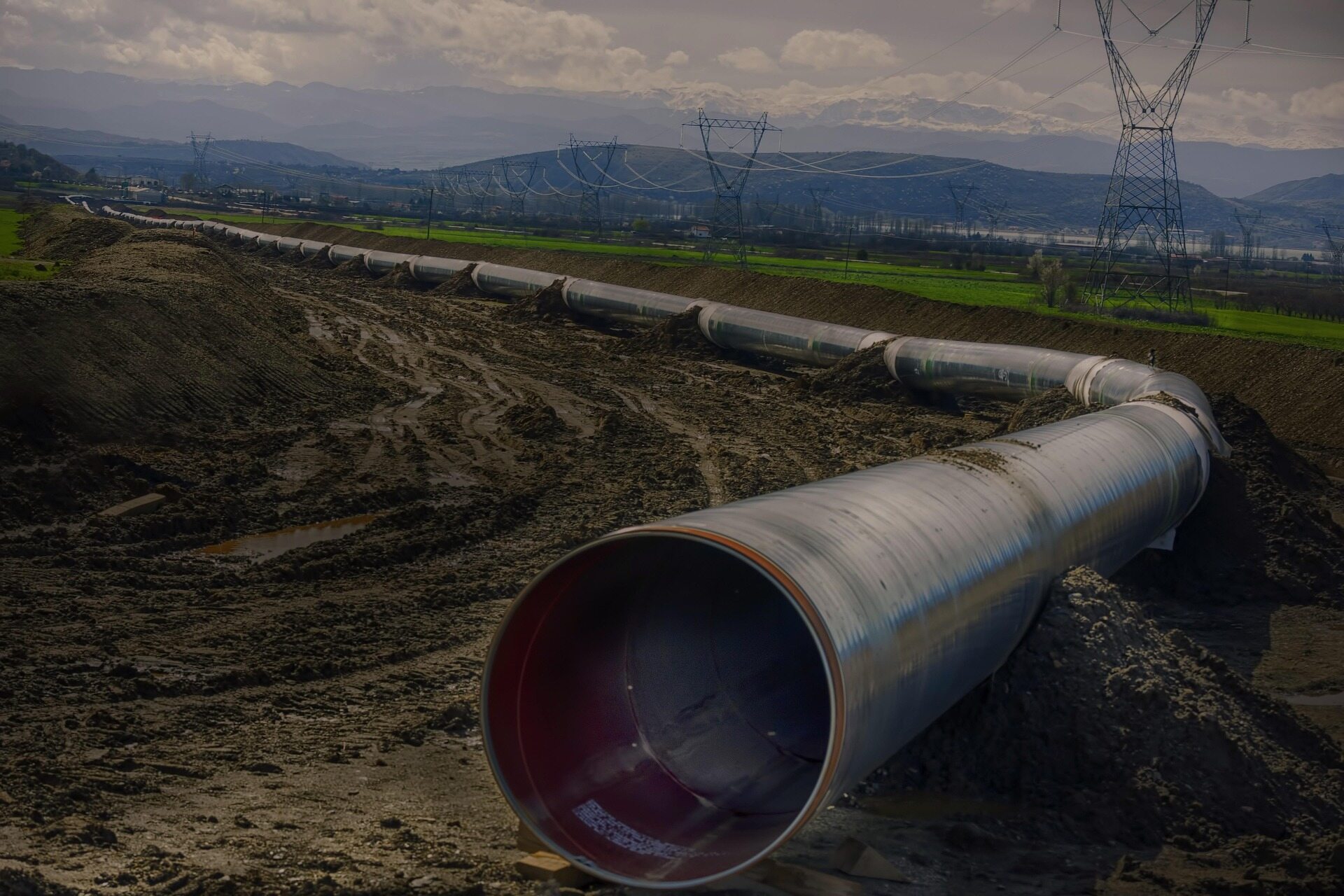
For a long time ago, the crude oil export from northern Iraq to Türkiye could only be barely maintained by a single pipeline, and the transportation volume was hovering at a low level for a long time, which could not support large-scale trans regional transportation. After the activation of the Baiji to Fishhapur pipeline, it will form a dual parallel route with the Kirkuk to Ceyhan pipeline. The mixed crude oil from Kirkuk and Basra can be transported through two routes simultaneously, without the need for long queues at the station for transportation capacity.
The Zumar IT A2 pumping station in Nineveh Province has been repaired, and the transmission capacity of this line can be further increased to 500000 barrels per day. After the sudden change in regional situation in February 2026, Iraq's monthly exports through the Strait of Hormuz fell directly from over 99 million barrels to 18.6 million barrels in March, putting pressure on the federal budget that was almost entirely supported by oil revenue. This incremental channel, which completely bypasses the strait, does not pass through the Kurdish pipeline network, and does not require discounted sales, has become the safest export safety cushion.
The new game rules behind the target of a production capacity of millions of barrels
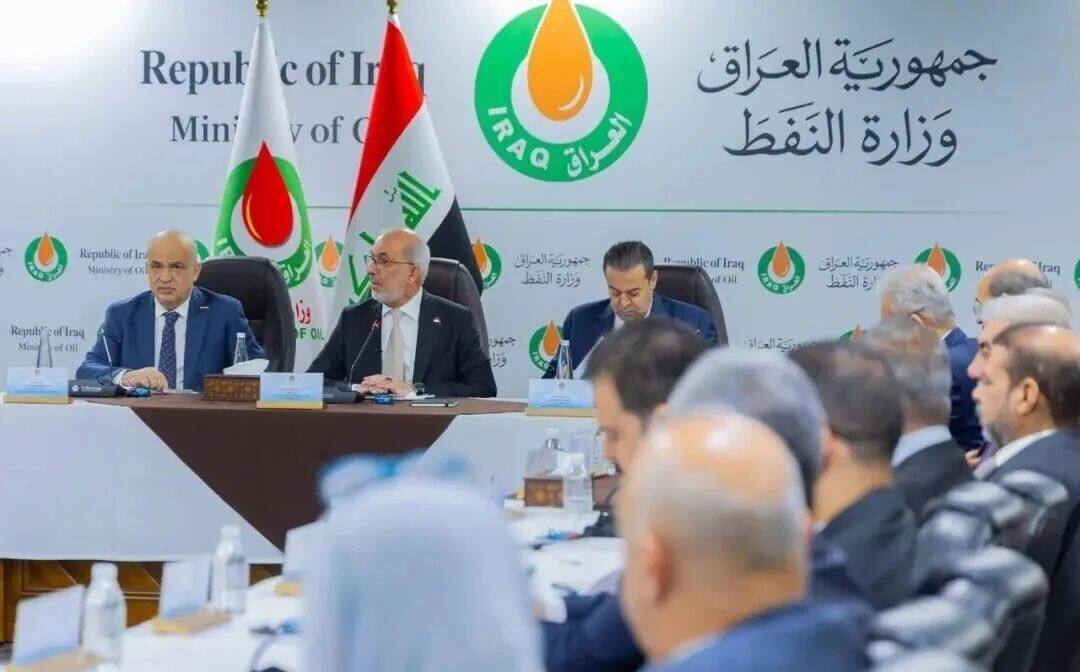
At the expanded industry conference on the same day, the Minister of Petroleum, Basim Mohammad Hudayr Abadi, directly overturned the previous positioning of oil companies as ordinary contractors and clarified that all investment companies involved in oilfield operations are core partners in the development of the oil and gas industry. The Ministry of Petroleum is in continuous dialogue with OPEC to strive for an increase in Iraq's production quota to match the urgently needed fiscal revenue for domestic infrastructure upgrades.
In 2027, Iraq will officially launch the seventh round of non irrigated oil field reclamation permits, requiring all enterprises to hire local professionals in a fully transparent process, participate in improving public service facilities around the operation area, and provide systematic training to enable more domestic technical personnel to master oil field operation and management capabilities. Keywords: oil pipeline

The construction of the 685-kilometer Basra to Haditha pipeline is also underway, with a designed daily transmission capacity of 2.25 million barrels. In the future, it can directly connect to the Red Sea export terminal of Aqaba Port in Jordan. By October 2026, Iraq's total oil exports had exceeded 3.4 million barrels per day, only one step away from pre war levels.Editor/Cheng Liting
Comment


 Praise
 Collect
 Comment

 Share


Write something~