 Search


- After the completion of the project, it will help Harbin's energy transformation and industrial chain upgrading
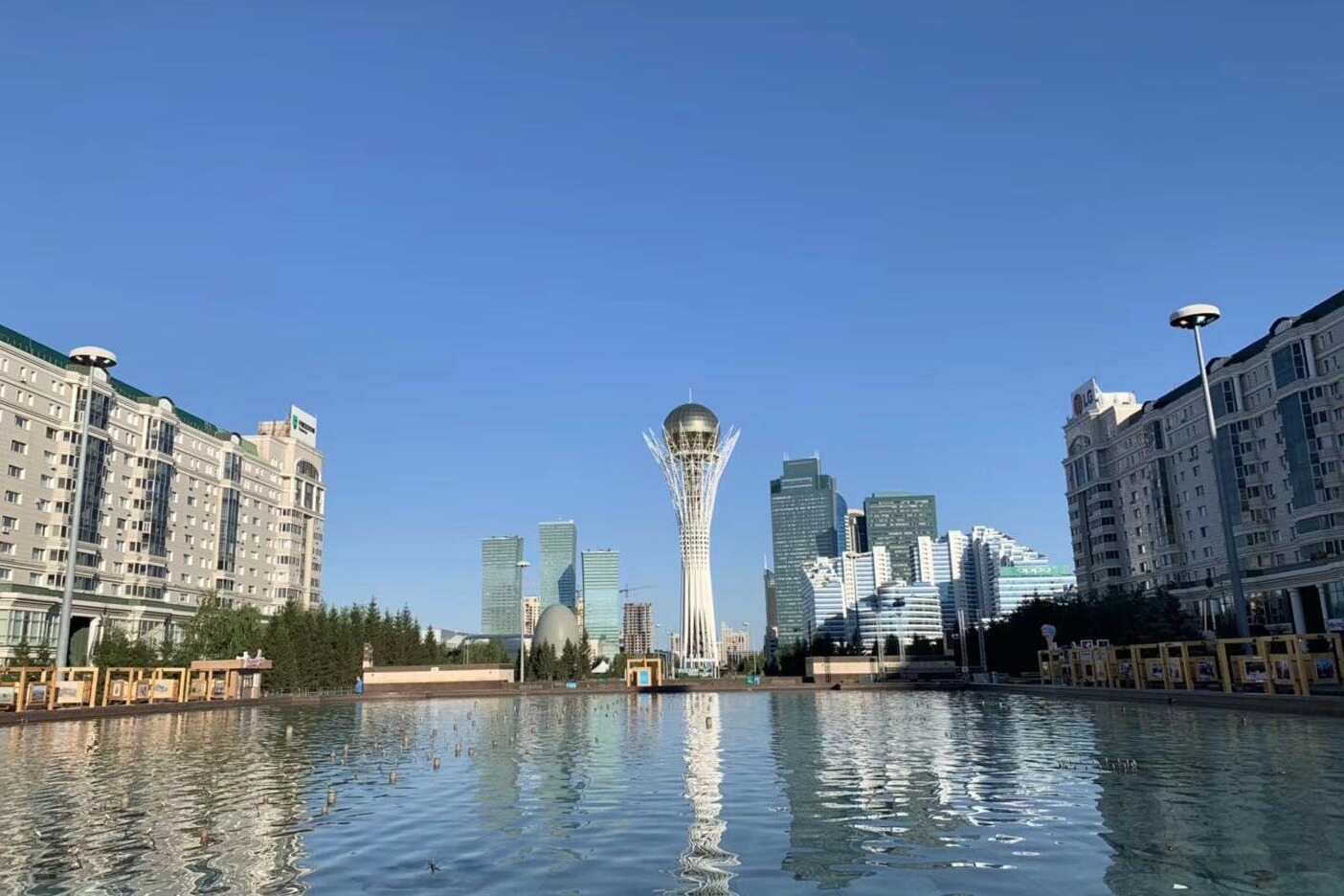
The energy system in Kazakhstan is currently undergoing structural adjustment, with efforts being made to upgrade the backbone power grid, develop new energy storage and hydrogen technologies, and steadily increase the proportion of renewable energy. Ha Fang is no longer satisfied with simple project construction cooperation, but attaches more importance to technology introduction, local production capacity cultivation, and talent cultivation. It hopes to shift the focus of cooperation from raw material trade to technology landing, and drive the sustained growth of local industries. This series of talks is a concentrated manifestation of this shift in cooperation ideas.
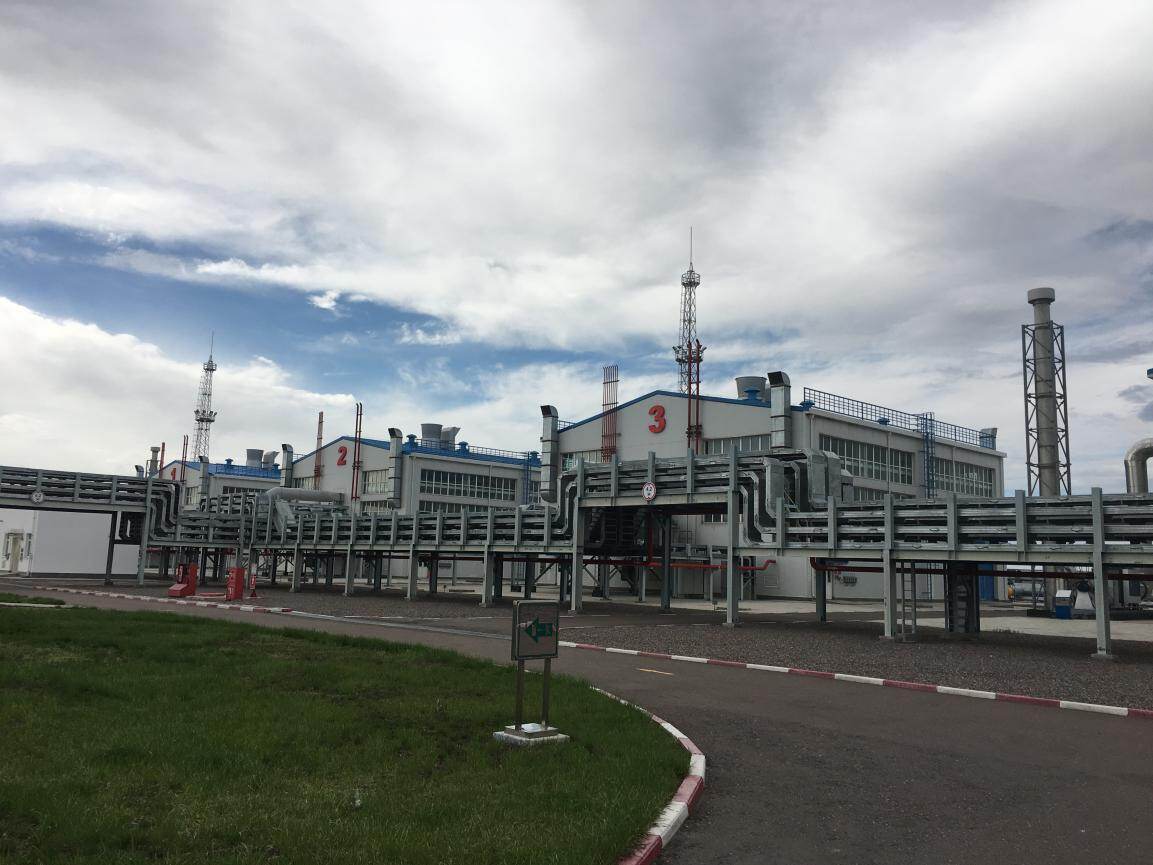
Nengjian collaborates to tackle key issues
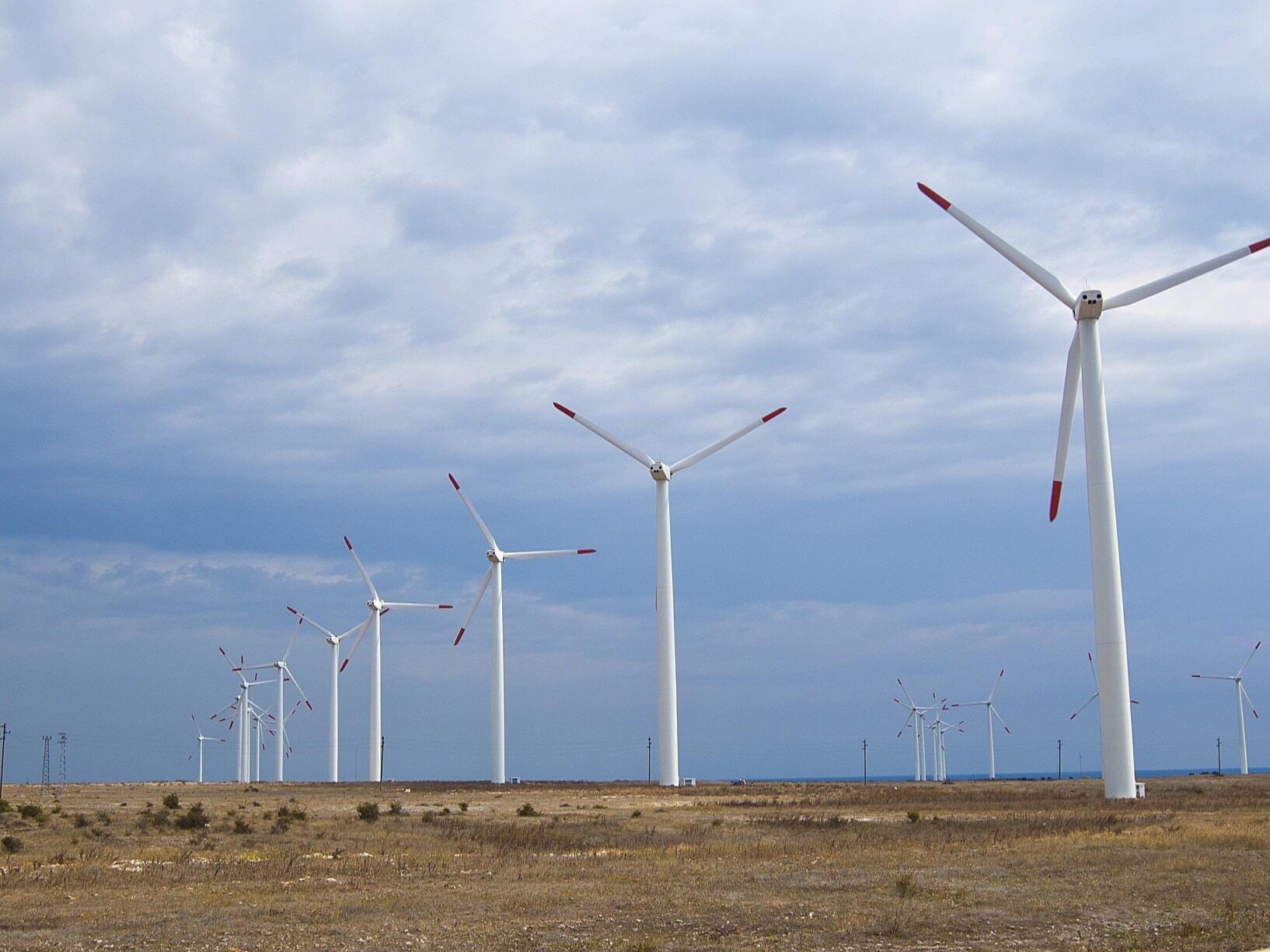
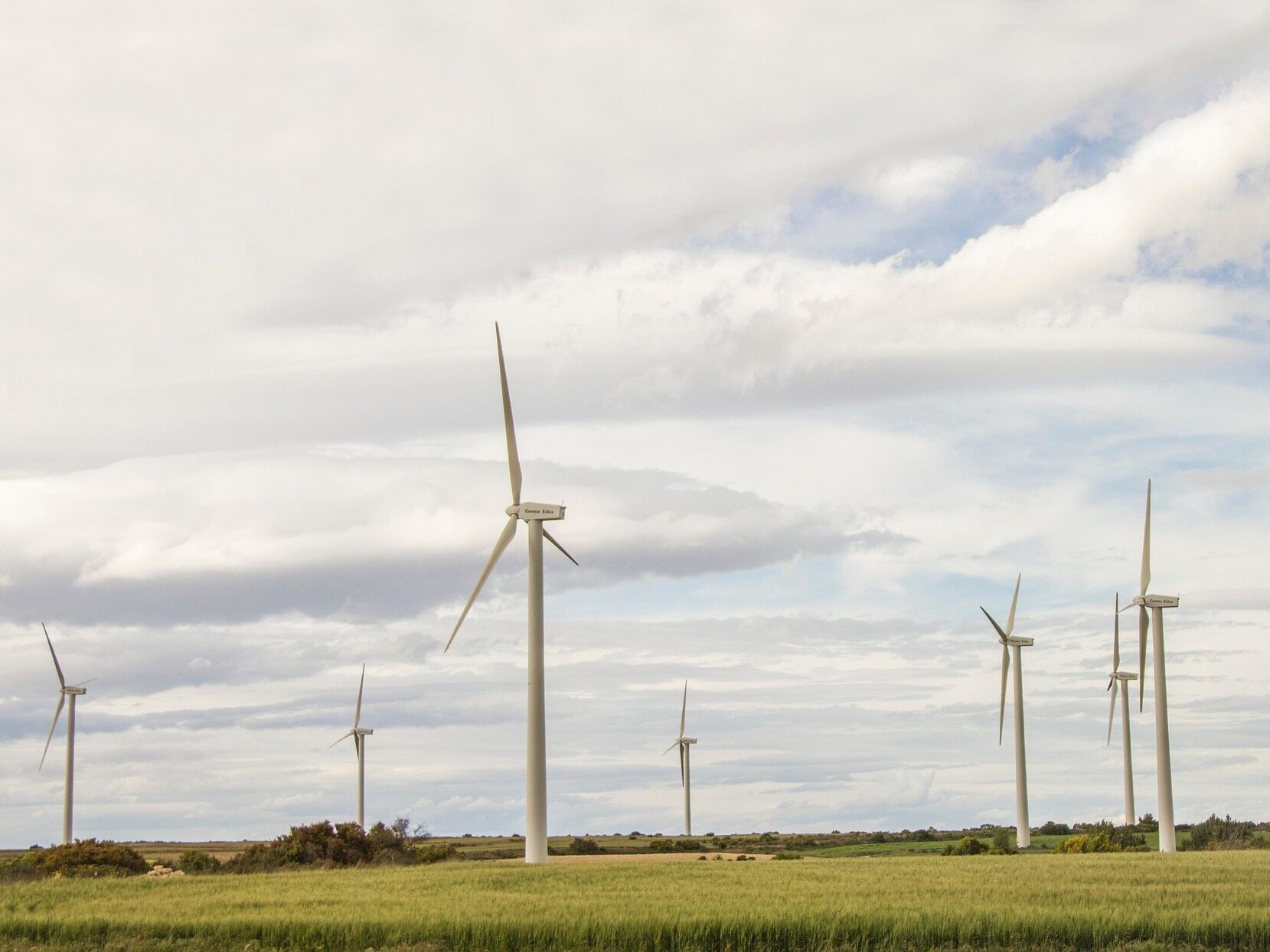
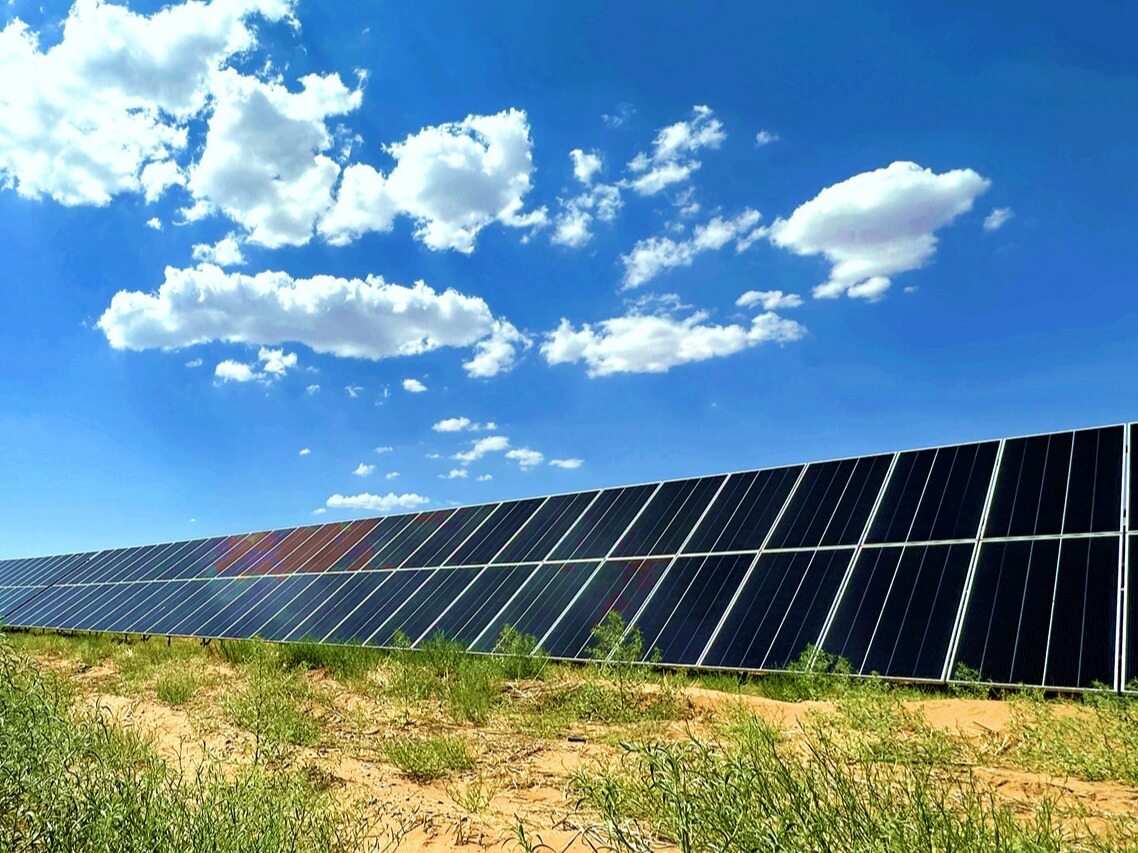
Minister of Energy of Kazakhstan held talks with Ni Zhen, Chairman of China Energy Engineering Corporation, to discuss the establishment of a joint research center based on Alpha Rabi Kazakh National University to carry out power digitization, database construction, and hydrogen energy technology research and development. The two sides focused on discussing the Ejibastuz Balkhash 2 GW DC line and industrial energy storage project, and the first reading of the Harbin energy storage supporting legal draft has been completed. The 300 MW photovoltaic power station in Sawulan is expected to be connected to the grid ahead of schedule by the end of the year, while the investment agreement details for the 500 MW wind power project in Karaganda Prefecture are being finalized.
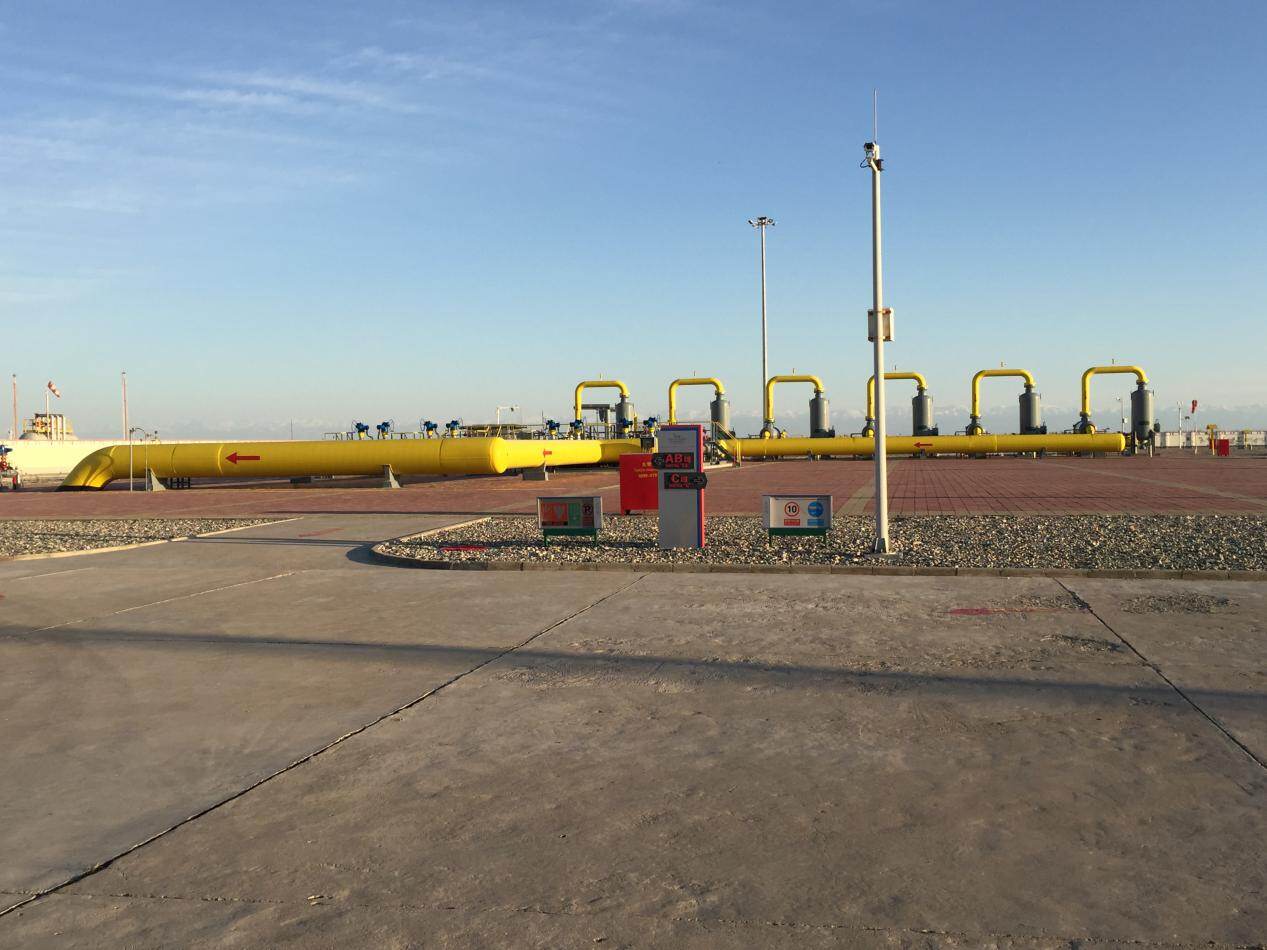
Localization of enterprise layout
The Minister of Energy of Harbin met with four enterprises in Qingdao and Shandong. Fuhai Group, Qingdao Junpeng, CITIC United Energy Investment Platform, and Zoomlion Northwest Engineering Design and Research Institute proposed to build an oil and gas thermal equipment production line, establish a service center, and train local engineers in Harbin. The cooperation direction covers petrochemical deep processing, liquefied natural gas, gas-fired power generation, household waste power generation, and also explores the landing of fertilizer projects in the Atyrau Economic Zone. Key words: China Kazakhstan energy cooperation, China Energy Construction, the Belt and Road energy
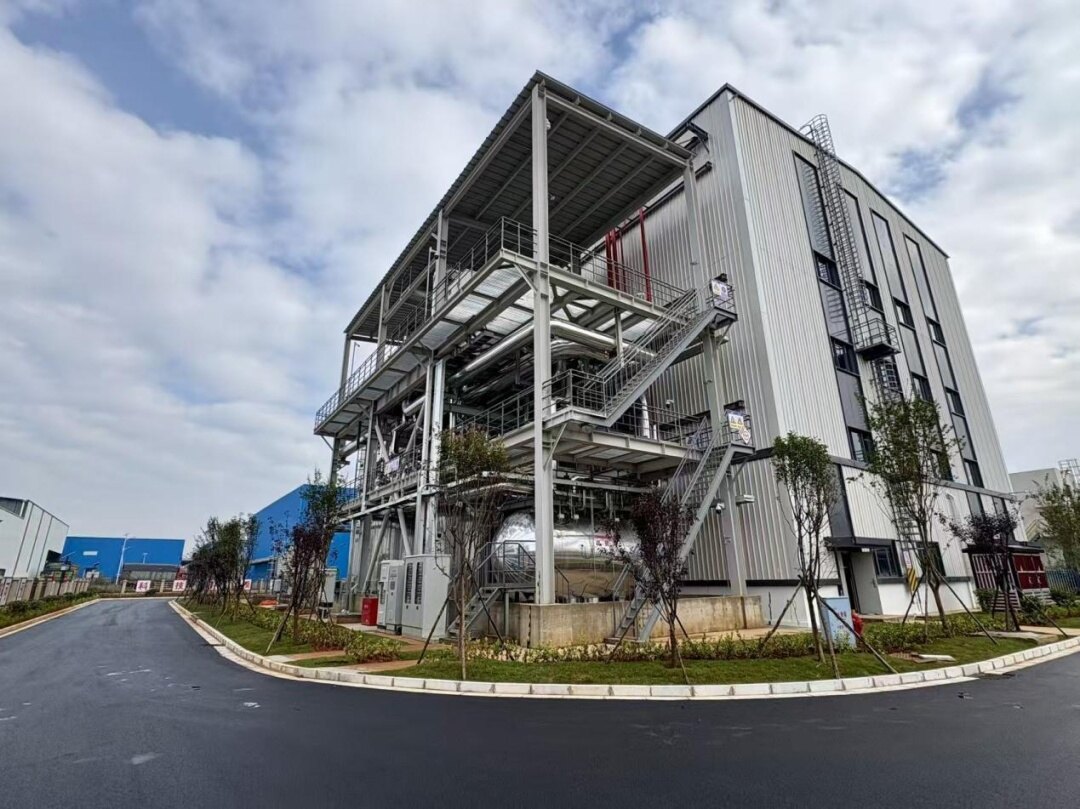
Clear cooperation guidelines
Harbin has proposed clear localization indicators, with a localization rate of no less than 30% for commodity procurement and 80% for engineering service procurement. Priority will be given to solutions that can drive local employment and support service systems. Currently, renewable energy accounts for 8.5%, and the demand for low-carbon technologies such as waste to energy and green hydrogen continues to rise. Experts from both sides will continue to coordinate and refine cooperation plans in the future.Editor/Li Xiaohua
Comment


 Praise
 Collect
 Comment

 Share


Write something~