 Search


- Ke Ke Ya, used to be a bald place full of salt-and-alkali wind and sand, is now the Great Green Wall
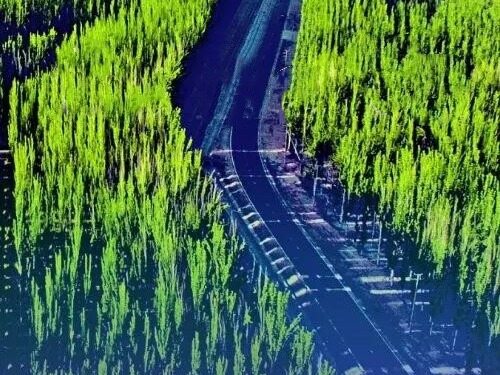
The Tuhe Expressway with a total length of more than 1,900 kilometers met Ke Keya in the desert Gobi when passing through Aksu City. Ke Keya wrote the Xinjiang version of the Saihanba desert greening miracle. People did not think that this place used to be a bare, salt-and-alkali source of wind and sand.
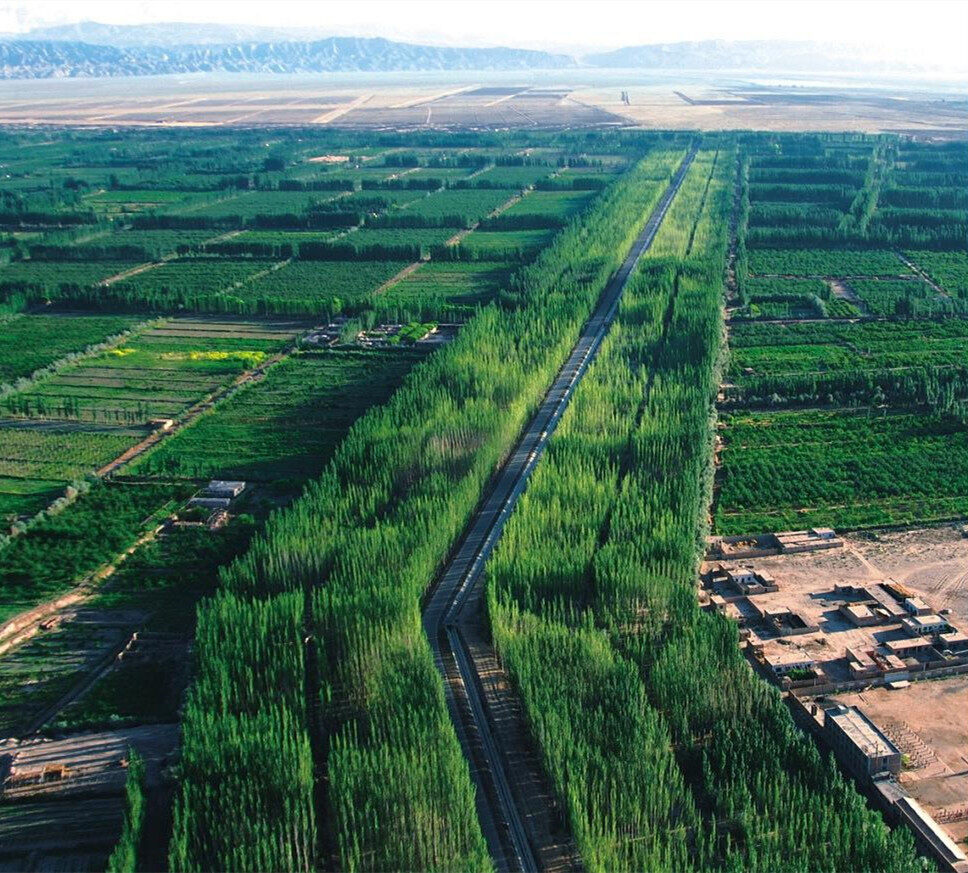
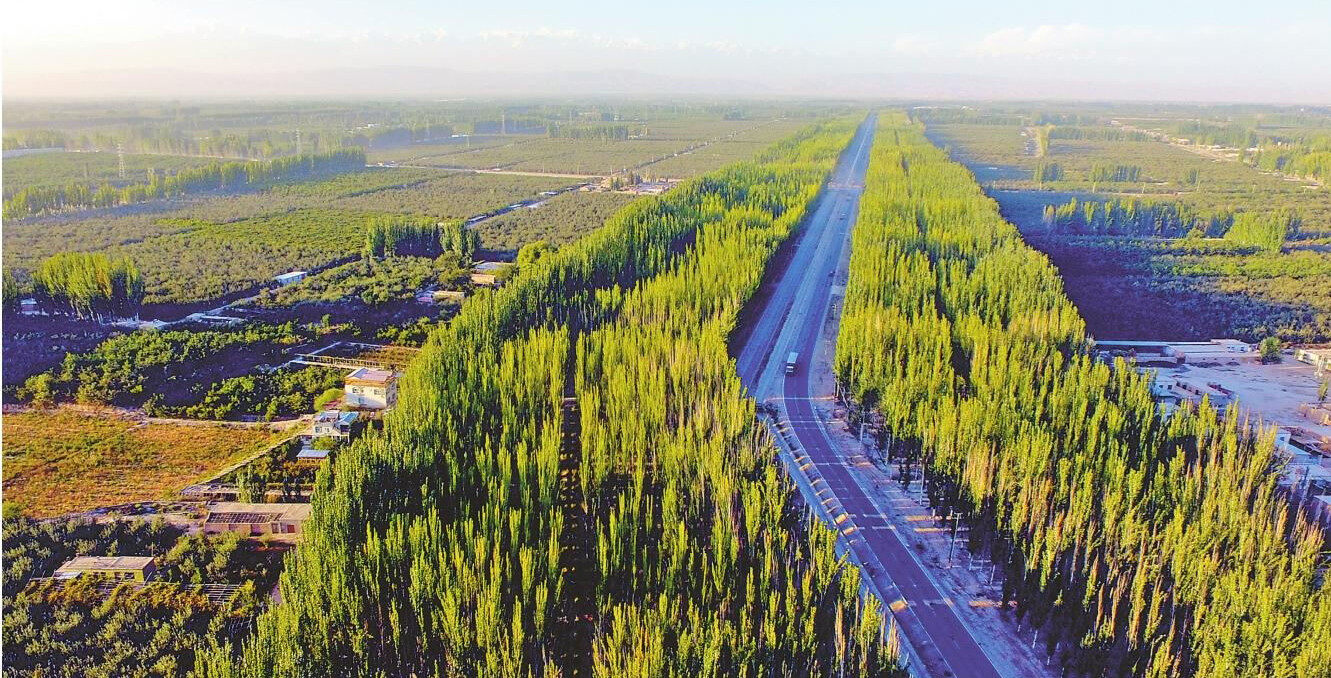
Look at Xinjiang along the highway. The overwhelming green outside the car windows spreads from the city to the countryside. Inside the tall white poplar windbreak forest, there are lush apple, walnut, and red jujube forests. In the downtown area of Aksu, we saw "the city is in the forest, the water is in the city, and the people are in the garden", while in the countryside, we saw "the village in the green, home in the forest, and people in the painting."
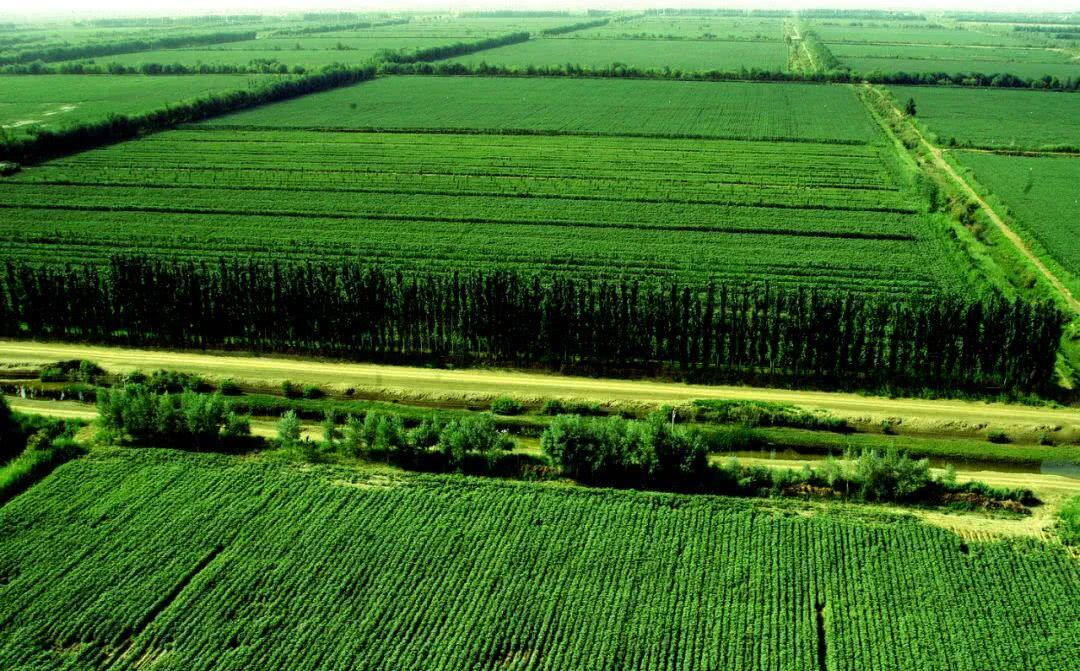
Kekeya, located in the northeast of Aksu City, intersects with Wensu County, and walks along the tar road under the shade of the trees into Longkou Village, Kekeya Town, Wensu County. This village has more than 5,000 mu of various fruit trees. Kurban Aimer, a 69-year-old villager, recalled that he used to graze in the mountains more than 100 kilometers away. In the early 1990s, he and some herders responded to the policy call to move down the mountain and settle down. At that time, it was not called "Longkou Village", it was just a Gobi desert with windy spring, scorching hot summer, and cold winter. "If you want to change the living environment, there is no other way, only a variety of trees." Friends who participated in the Ke Ke Ya greening project told Kurban. In 1986, the Aksu Prefectural Committee and Administration issued a call to divert water and plant trees in Kekeya, to carry out a greening project, and to block the wind and sand with a wide forest belt. When Kurban settled down the mountain, it was the fifth year of the Kekeya greening project, and a touch of green can be seen from afar.
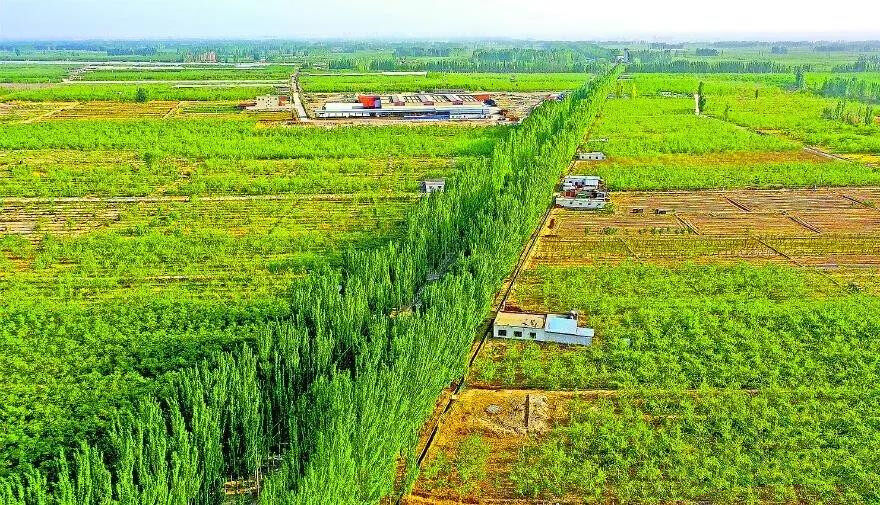
While planting alfalfa to raise sheep, while planting trees to prevent wind and sand, people from Longkou village came one crop after crop and planted one tree after another. The trees planted by the village and the village, the township and the township, and the unit and the unit were connected together to form A spectacular forest belt. In 1996, Ke Ke Ya was listed as one of the "Top 500 Global Environments" by the United Nations Commission for the Protection of Environmental Resources.
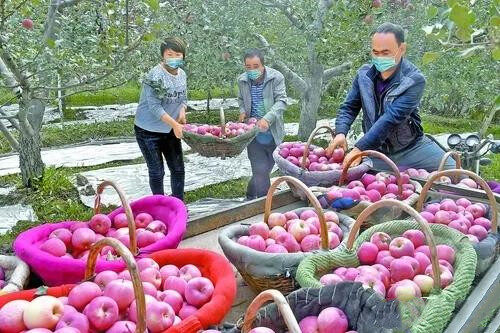
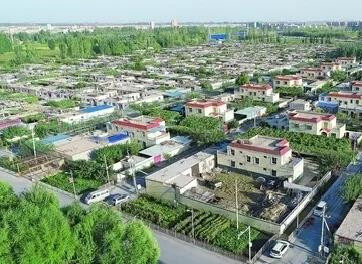
In the beginning, ecological forests were mainly planted. After 2003, economic forests were mainly planted. Every family became rich by relying on orchards, and Longkou Village became a rich village from a poor village. "Longkou Village Party Branch Secretary Li Zhi said. To what extent are the villagers wealthy? There are not a few people in the village during the slack period. Most villagers bought houses in the city and drove into the city after they had finished their farm work. The farmers behind the city did not forget to plant trees. They tasted the sweetness of “making greenery is for benefit, and increasing greenness is increasing wealth” and wondered how to plant more trees. The apple trees planted by villagers Jiang Jixian and Zhou Changyun 30 years ago are aging. They replaced the fruit trees with low fruit-bearing rate and low commodity rate, replanted new fruit trees, or improved commercial fruit through grafting; villagers Xu Erren and Liu Shiwen saw that there was no place to plant trees in their own land, so they went to other villages to contract land. Plant trees.
In the eyes of farmers in Longkou Village and surrounding villages, fruit trees are wealth-making trees and money-making trees, and they place their hopes of continuous income increase on fruit trees. To this end, the "Visit Huiju" team of Wensu County Forestry and Grassland Bureau in Longkou Village sent advanced technology to encourage them to grow fruit trees while going out to make money with technology; they also sent cherries, hanging dried apricots and other characteristic forest fruit tree seedlings, Let the villagers plant in front of the house and behind the house.
“In 2020, our village’s per capita net income was 28,615 yuan. When we moved over, no one expected to have today’s rich life. In 2021, our fruit tree management level will be higher, and the village cooperatives will play an increasingly important role. It's another bumper year." Kurban said.
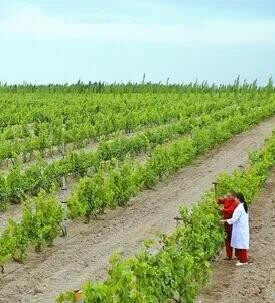
Since the implementation of the Kekeya Greening Project, the former Gobi Desert has been built on the "Green Great Wall" 25 kilometers long from north to south and 2 kilometers wide from east to west. The afforestation area is more than 1.2 million mu. The former source of wind and sand has become a blocking desert. With the advancing green barrier, the local sand and dust weather has been reduced by 61%.
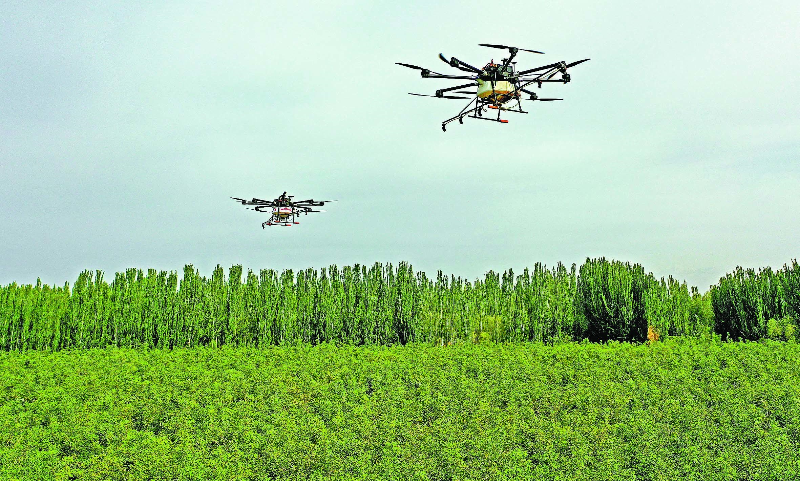
For more than 30 years, the Aksu area has created a sample of "people do not stop working on politics", making the concept of green development a broad consensus among generations. The Aksu area has continued to promote the Kekeya greening project, and successively implemented the Aksu River Basin, the Weigan River Basin and other million-mu ecological management projects.
The role of road cannot be ignored in the process of increasing green and wealth. During the implementation of the Kekeya greening project, experts said that as long as there is access and water, trees can be planted. The cadres and the masses in Aksu area repaired roads, dug tree pits and diverted water. The road is open, speeding up the progress of tree planting and afforestation, and increasing the survival rate of trees. The forest belt of Ke Ke Ya extends along with the road, and the road network extending in all directions connects slices of orchards, transporting agricultural materials and tools for the orchards, and transporting the fruits to distant markets. Editor/He Yuting
Comment




 Praise
 Collect
 Comment

 Share
Share


Write something~