 Search


- Indonesia launches 100GW solar energy plan, 80,000 villages will say goodbye to the era of power shortage

The Indonesian government announced an unprecedented renewable energy development plan on August 13 to build solar projects with a total installed capacity of 100 GW nationwide, including 80 GW of distributed photovoltaic microgrids and 20 GW of centralized photovoltaic power plants. If successfully implemented, this ambitious plan will be the largest rural electrification project in Southeast Asia.
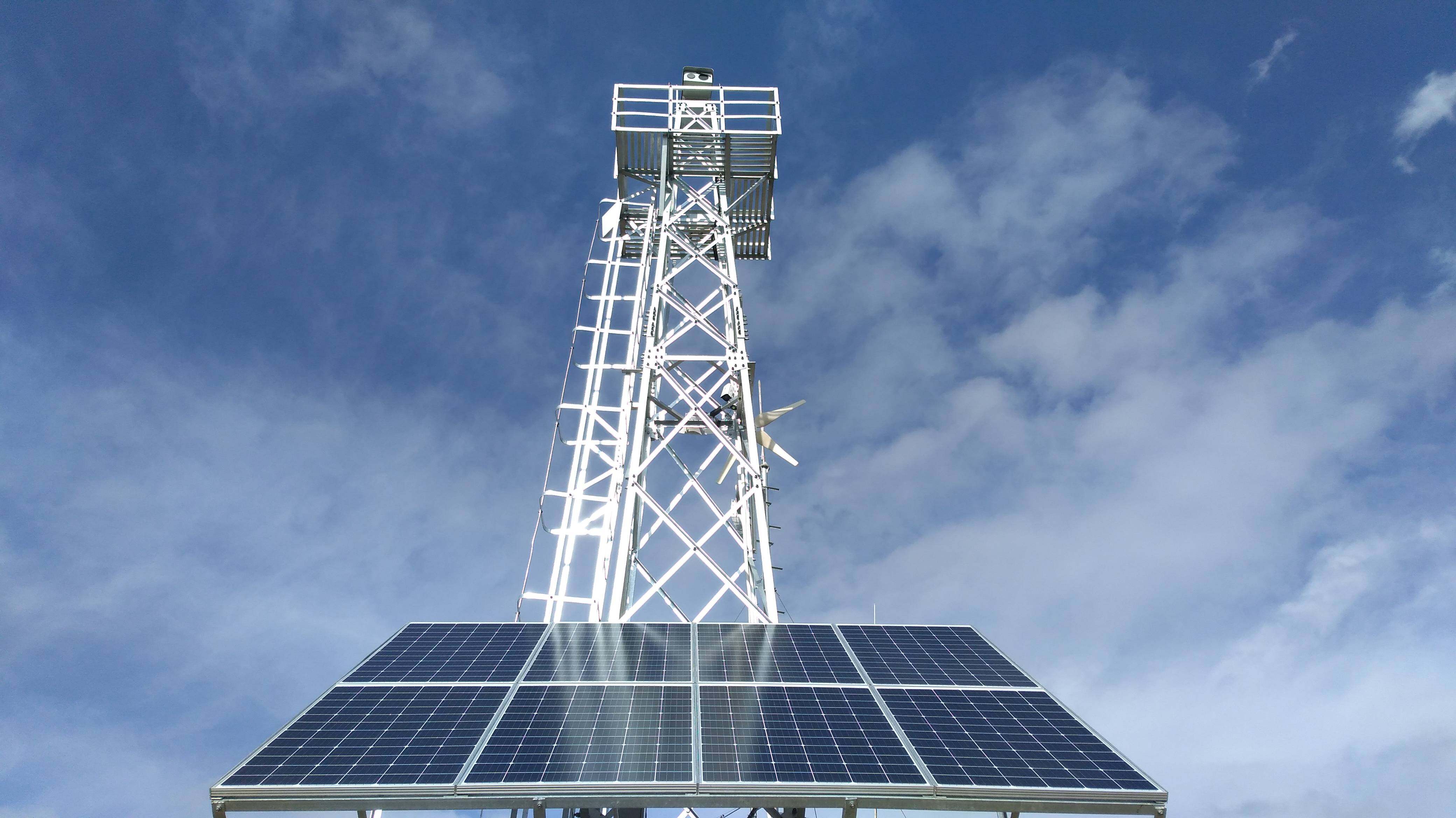
According to the plan, the distributed energy project will build photovoltaic microgrid systems in 80,000 villages with the configuration mode of "1 megawatt photovoltaic array 4 megawatt-hour battery energy storage system". These integrated photovoltaic storage facilities will be operated and managed by the local cooperative Merah Putih, aiming to provide a stable and reliable power supply to rural areas while promoting local economic development. The project also includes 20 GW of centralized photovoltaic power plants to meet the electricity needs of different scenarios.
Fabi Tumiwa, CEO of the Indonesian Institute for Critical Service Reform (IESR), said that the cost of electricity per kilowatt-hour for photovoltaic plus energy storage systems is expected to be $0.12-0.15/kWh, which is much lower than the cost of diesel power generation currently commonly used in rural areas ($0.20-0.40/kWh). He pointed out that the project will effectively solve the problems of insufficient electricity supply and high electricity prices in rural Indonesia.
However, experts also acknowledge that achieving the 100 GW construction target within five years is extremely challenging. IESR recommends that the government take a number of supporting measures, including: training professional photovoltaic technical workers, centralized procurement to reduce equipment costs, and innovative financing models. Indonesia's solar resource potential is estimated to be as high as 3,300-20,000 GW, and the project will help achieve the country's energy transition target of 108.7 GW of solar installed capacity by 2060.
Currently, the plan is jointly prepared by Indonesia's Ministry of Energy and Mineral Resources, the Ministry of Economic Coordination and the Ministry of Food Coordination, marking an important step in the energy transition of Southeast Asia's largest economy. After the completion of the project, it will greatly improve the electrification level of rural areas in Indonesia and provide a strong energy guarantee for local residents' lives and economic development. (This article is from the official website of Jiandao www.seetao.com it shall not be reproduced without permission, otherwise it will be investigated, please indicate the original link of Jiandao.com for reprinting) See the editor of the strategic engineering column of Jiandao.com/Gao Xue
Comment


 Praise
 Collect
 Comment

 Share
Share


Write something~