 Search


Strategic construction
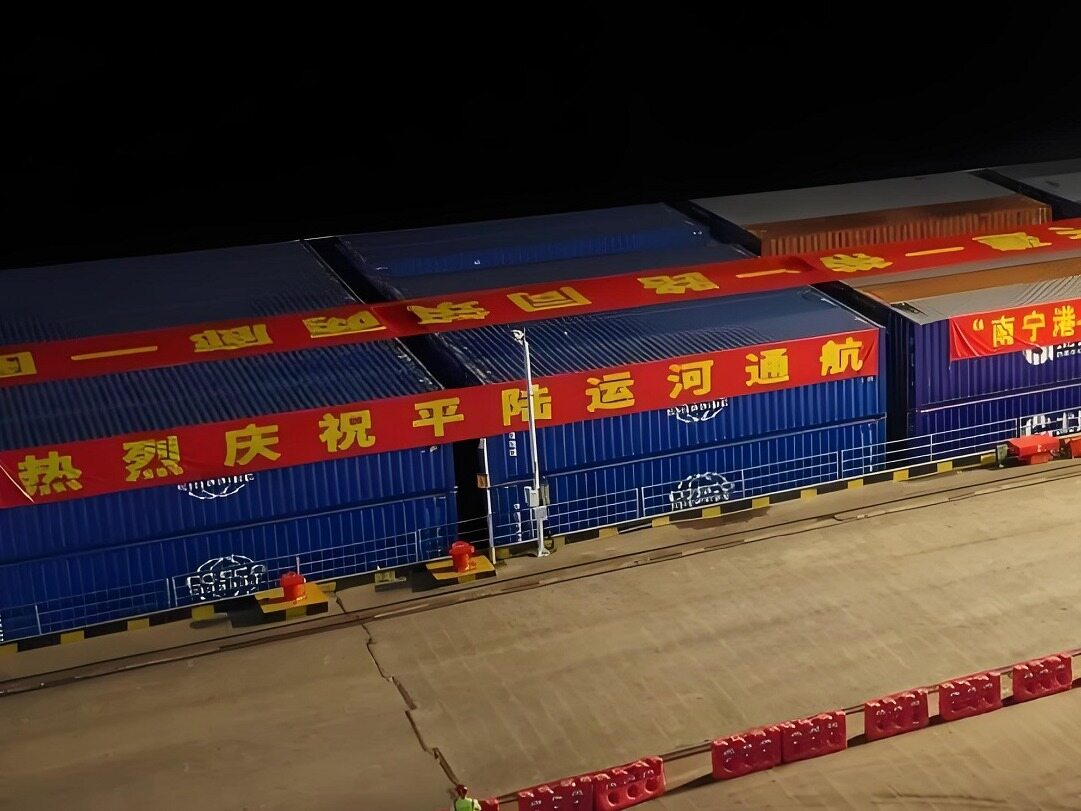
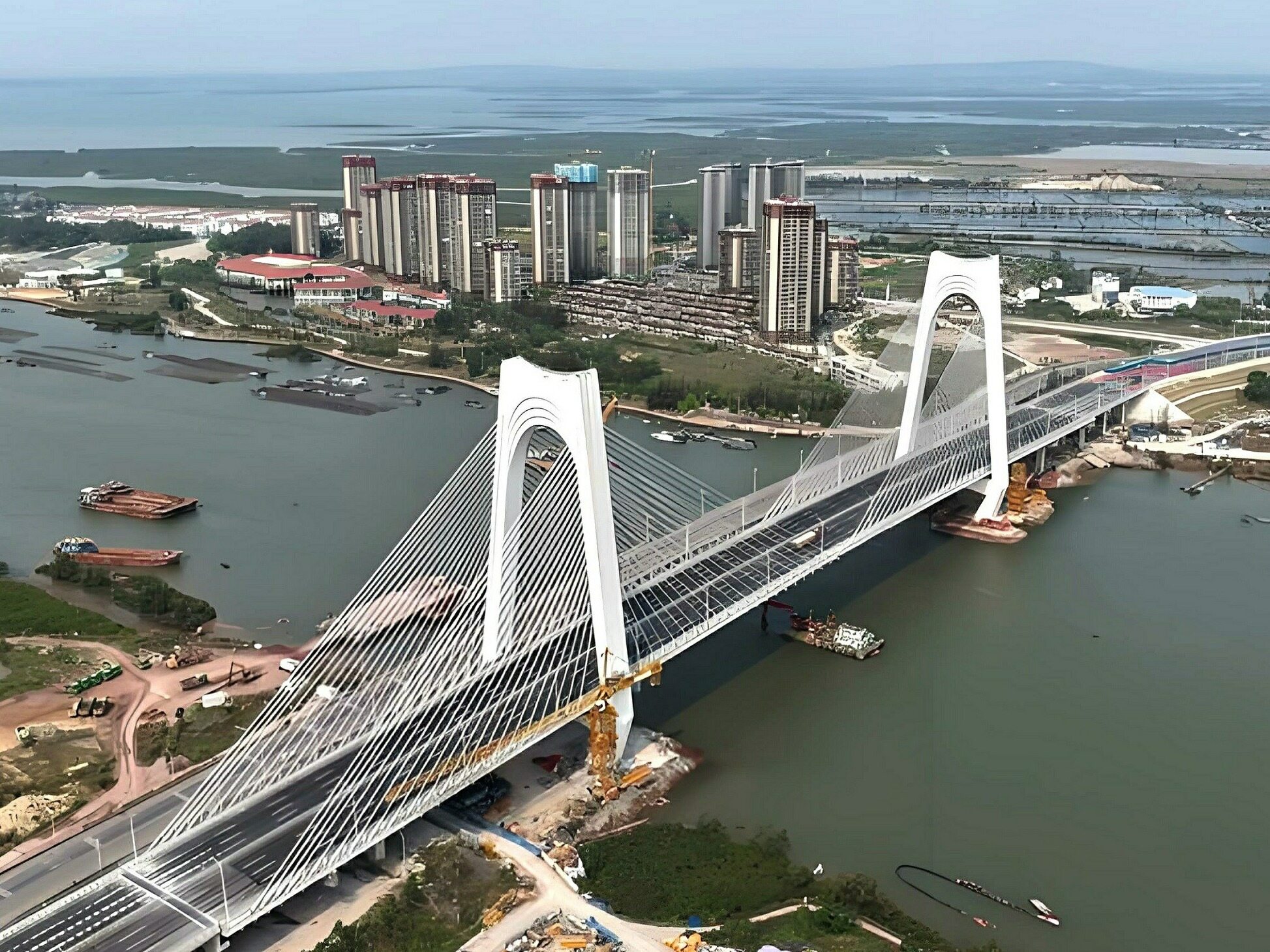
The Pinglu Canal unlocks three major highlights of the Century Project!
09-17
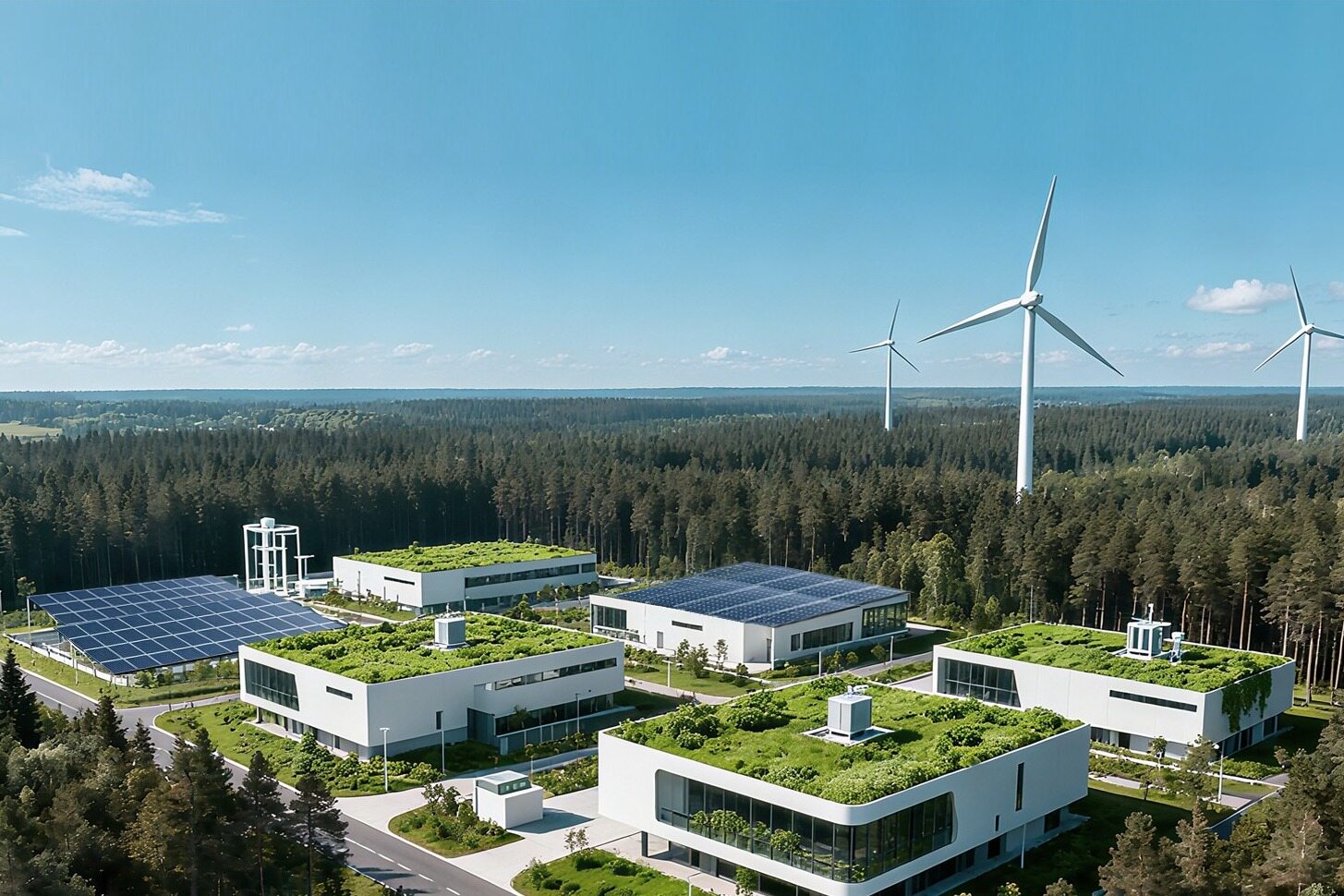
In the rapidly advancing digital economy of 2026, behind the roar of computing power center servers is a hidden war that concerns the lifeline of energy. With the joint release of the National Development and Reform Commission, Ministry of Industry and Information Technology, and Energy Bureau, the first batch of 52 national level zero carbon parks have officially been unveiled. This is not only the announcement of a list, but also a milestone moment for China's computing power industry to transform from an energy consuming black hole to a green engine, declaring the comprehensive arrival of the era of computing power carbon neutrality.
The energy consumption red line is forcing transformation
China's computing power industry is facing an unprecedented energy structural dilemma.
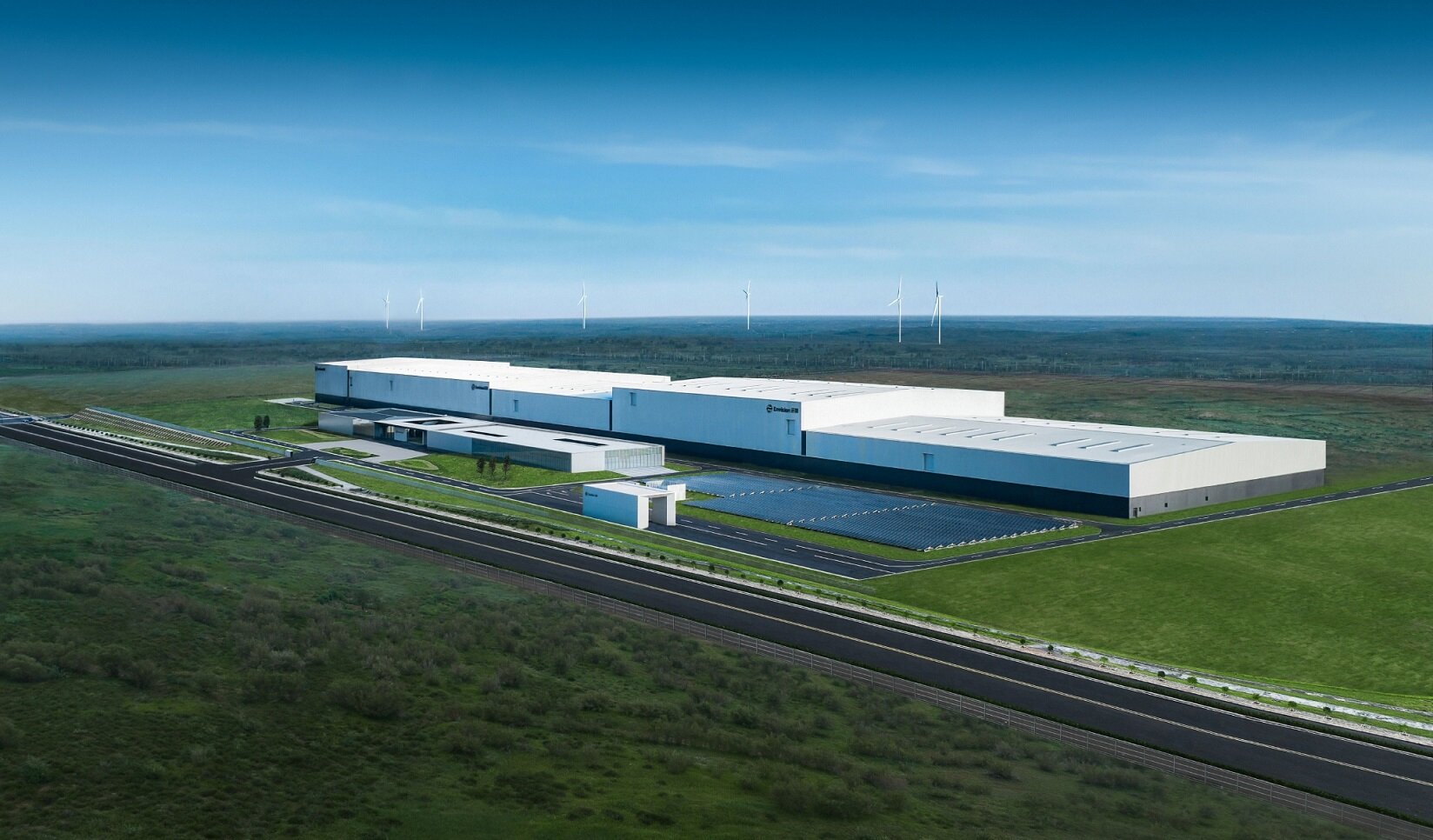
Data shows that by 2025, the electricity consumption of data centers in China has reached 170 billion kilowatt hours, and by 2030, this number is expected to exceed 700 billion kilowatt hours, accounting for more than 5% of the total electricity consumption in the country. This means that for every 20 kilowatt hours of social electricity consumption, 1 kilowatt hour is used for computing power operation. The high cost of electricity accounts for over 60% of the total, the spatial mismatch between green electricity in the west and demand in the east, the difficulty in matching the volatility of wind and solar power with high-density AI loads, and the increasingly stringent international carbon tariff barriers, collectively constitute the four major obstacles that constrain the development of the industry.
Five benchmarks reshape the base
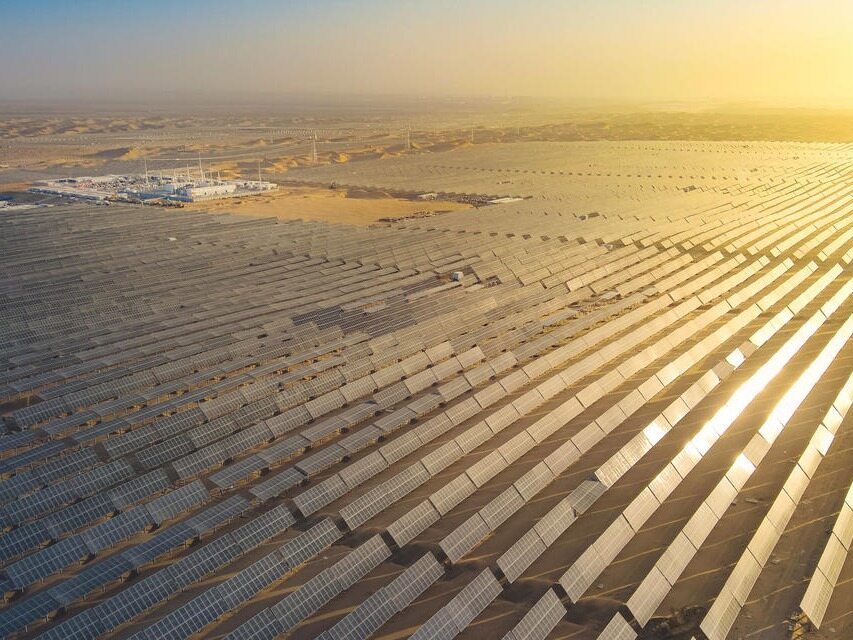
Relying on unique energy endowments, the five benchmark parks are building a national core matrix of green computing power. Qingyang, Gansu Province, as the core of East Digital West Computing, has lowered its electricity price to 0.398 yuan per kilowatt hour through direct green power supply, which is only 45 yuan in the eastern region.
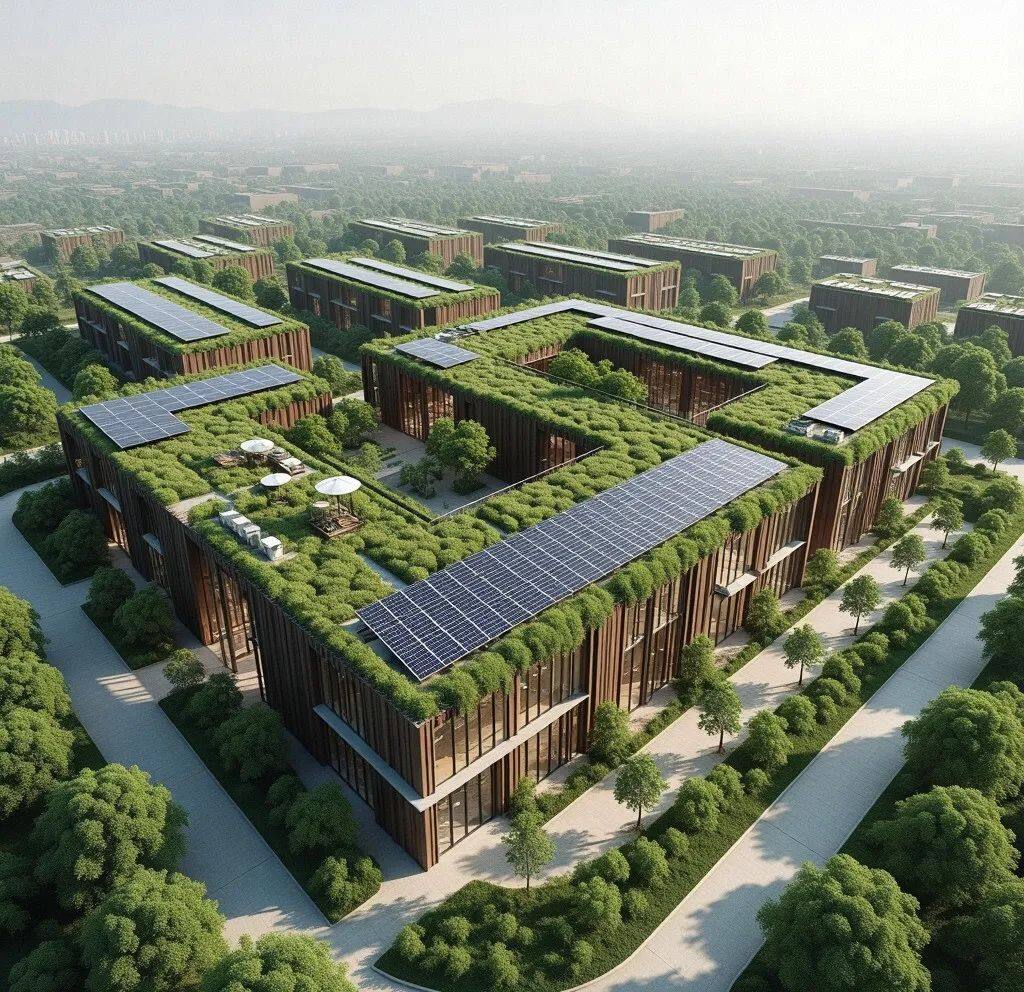
Ningxia Zhongwei has created a cost depression with a mature market mechanism, and the electricity price has remained stable at 0.36 yuan. Ulanqab, Inner Mongolia, achieves a perfect balance between low latency and low cost through the use of source network load storage. Guizhou Guiyang utilizes natural cool climate to reduce refrigeration energy consumption. Qinghai, with over 90% of its clean energy installed capacity, meets the high-end overseas compliance needs. These parks have completely reconstructed the cost formula of computing power through a physical energy revolution.
Collaborative computing leads the future
Zero carbon parks are not just a simple replacement for green electricity, but also a system level collaborative solution for computing and electricity. Keywords: strategic news and information, zero carbon park
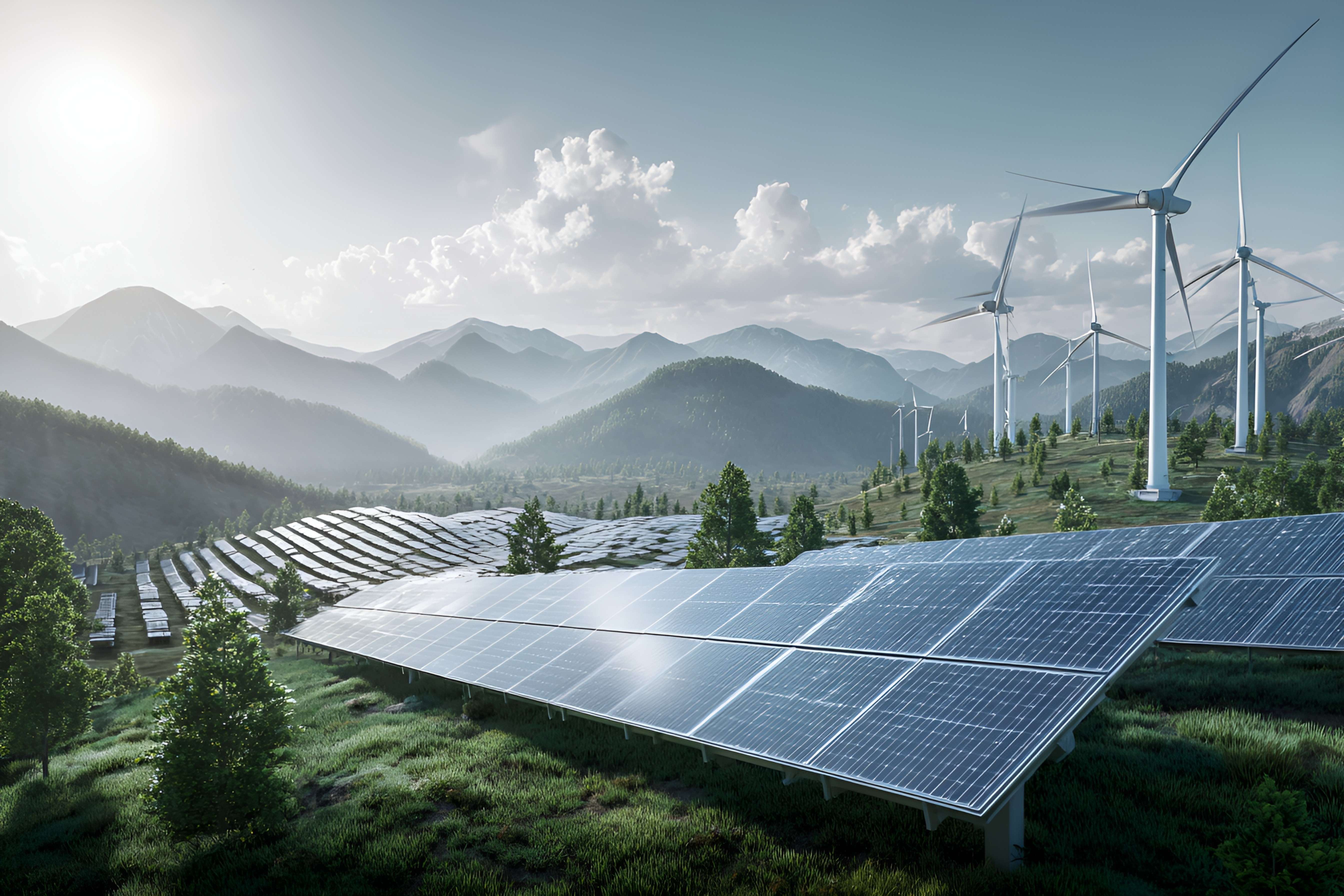
By introducing physical artificial intelligence AI power system intelligent center EnOS system and next-generation power infrastructure, the park has achieved millisecond level dynamic matching between wind and solar power storage regulation and computing load. This integration not only solves the problem of unstable new energy power supply, but also lowers the PUE value to below 1.2. Looking ahead to the future, with the comprehensive layout of 224 national and provincial zero carbon carriers, China is accelerating the formation of a complete value chain of high-end computing power digital services for green energy, and seizing the green highland in global digital competition.Editor/Gao Xue
Comment

 Praise
 Collect
 Comment

 Share
Share


Write something~