 Search


- To meet the demand, the region is expected to add over 300 gigawatts of installed capacity
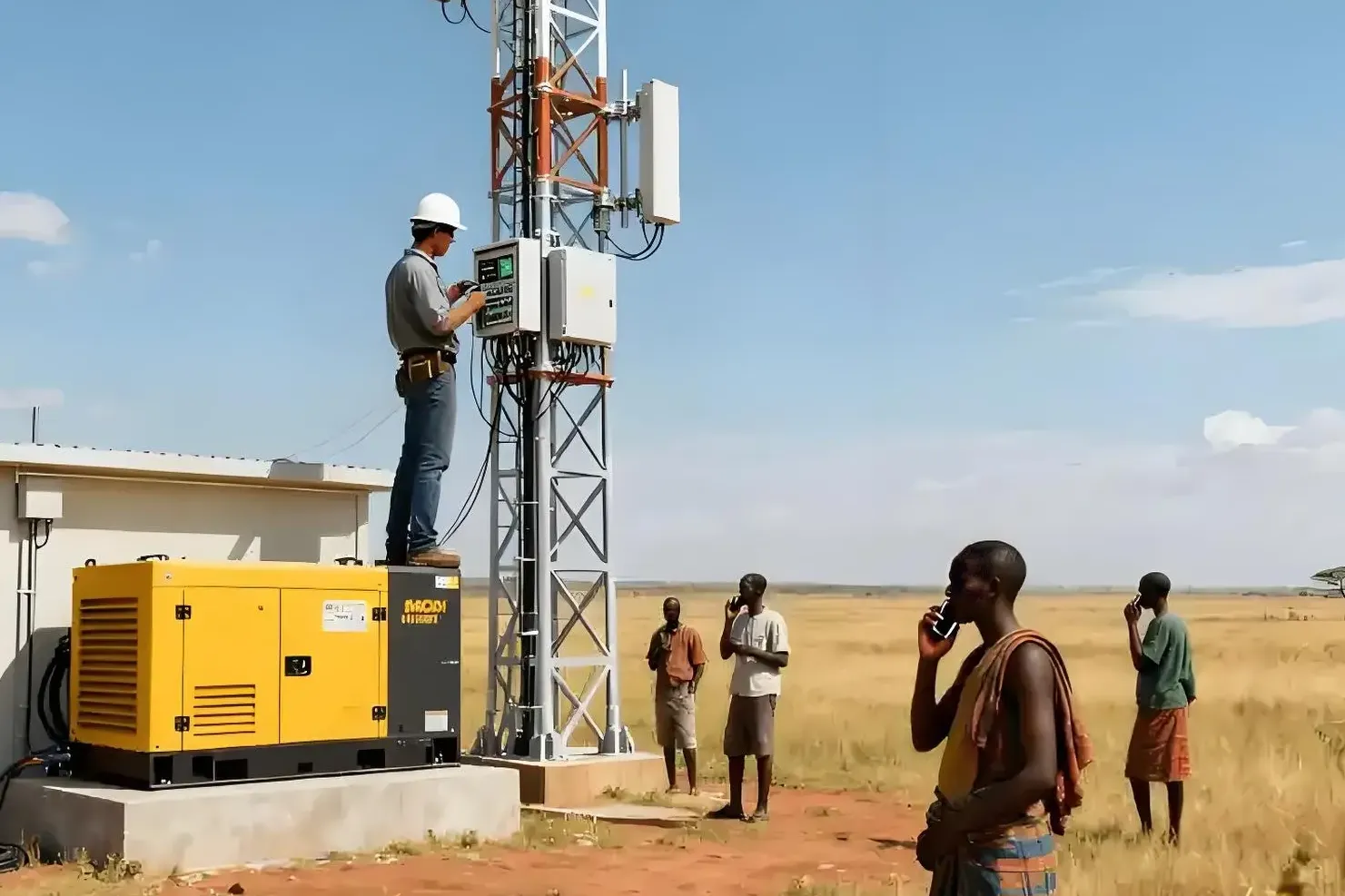
The demand for electricity in the Middle East and North Africa continues to rise, highlighting the pressure of energy transition. According to the latest report "The Future of Electricity in the Middle East and North Africa" released by the International Energy Agency (IEA), driven by multiple factors such as population growth, economic expansion, and extreme weather, the demand for cooling and seawater desalination will continue to grow rapidly in the Middle East and North Africa (MENA) region over the next decade. This trend not only drives investment in power infrastructure, but also brings opportunities and challenges to the energy transition in the region.
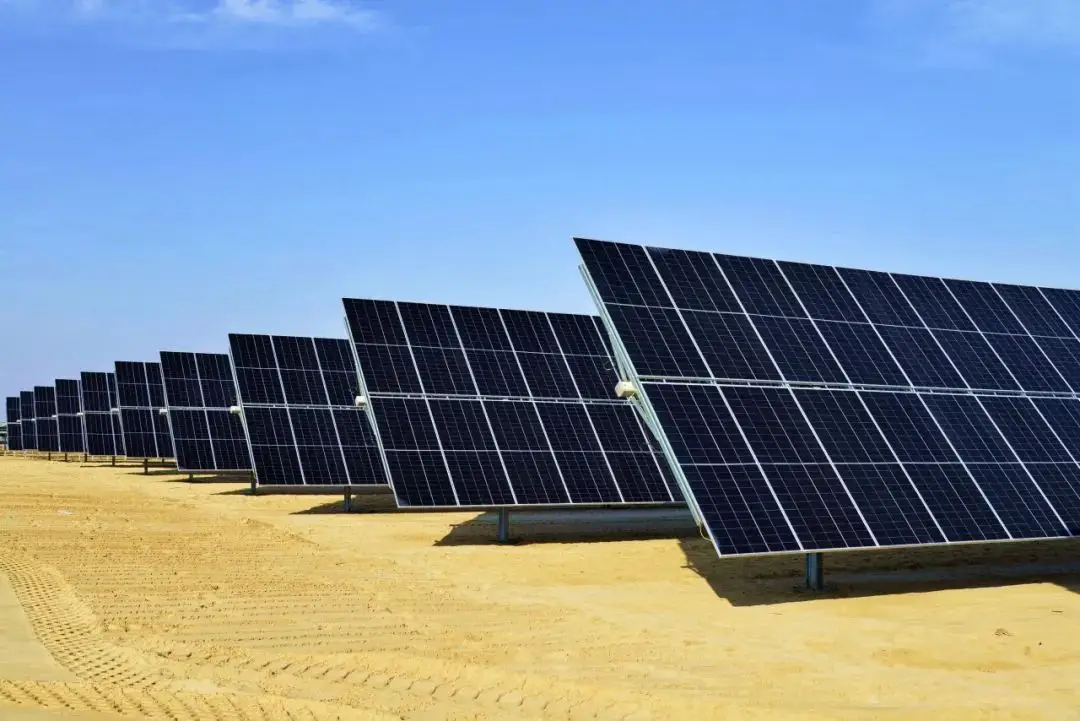
Accelerating the evolution of power generation structure, photovoltaic leads low-carbon transformation
Under the current policy scenario (STEPS), the total electricity generation in the MENA region is expected to increase by approximately 50% between 2023 and 2035, reaching nearly 2700 terawatt hours. Although the dominant position of fossil fuels is not expected to change in the short term, their share is expected to decrease from about 90% in 2023 to 75% in 2035. Natural gas remains the largest source of electricity, with power generation expected to increase by approximately 40% by 2035, but its proportion is slightly declining. Fuel power generation is expected to significantly decrease by 60%, with its share shrinking to only 5%. The proportion of coal-fired power generation will always remain at a low level of less than 2%.
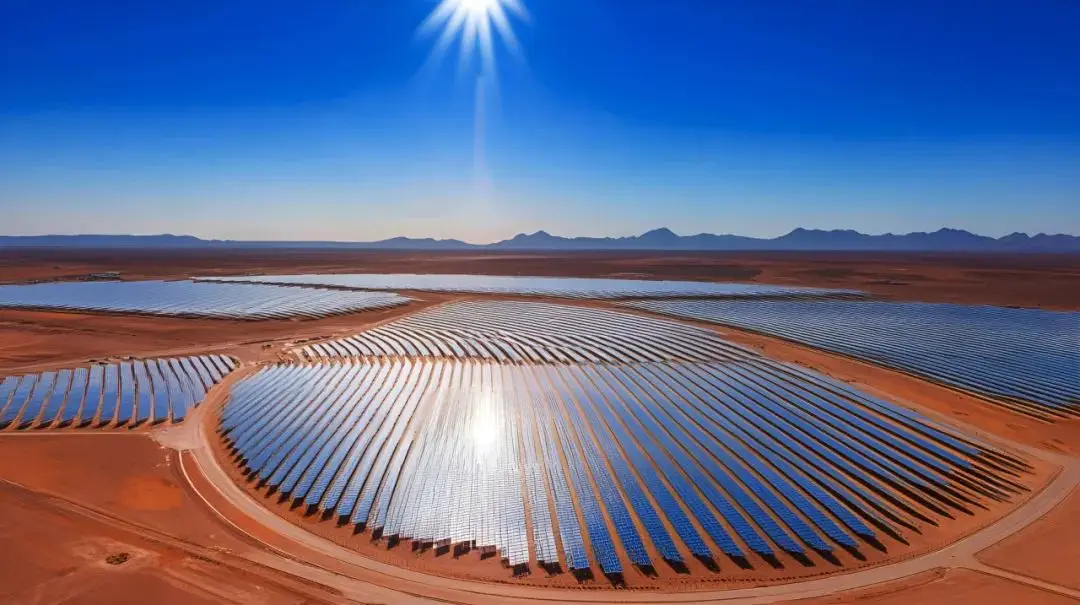
At the same time, low emission energy will become the main force to meet the new demand for electricity. Among them, the growth of solar photovoltaics is the most rapid, and it is expected that the power generation will increase 15 times by 2035 compared to 2023, contributing half of the total regional power generation increment. Wind power and other renewable energy sources (including hydropower, concentrated solar power CSP, etc.) will collectively meet more than 10% of the newly generated electricity.
IEA Executive Director Fatih Birol pointed out that in the next decade, the region's newly installed power capacity will exceed 300 gigawatts, equivalent to three times the current total installed capacity in Saudi Arabia.
Investment focuses on power grid and energy efficiency, with multiple measures taken to address challenges
To support the rapid expansion of the power system, power investment in the MENA region is continuously increasing. In 2024, the investment in this field has reached 44 billion US dollars, and it is expected to increase by another 50% by 2035. About 40% of the funds will be used for the expansion and modernization of the power grid to ensure the smooth integration of renewable energy and the stable operation of the power system.
In addition, the IEA emphasizes that improving air conditioning efficiency is key to controlling peak electricity demand. With this measure alone, the reduced peak electricity demand is equivalent to Iraq's current total electricity capacity. At the industry level, actions have also been taken. Eurovent Middle East, the air conditioning industry association in the Middle East, recently launched the region's first high-temperature testing program - the "Desert Certification Program", aimed at providing localized support and government compliance certification for air conditioning manufacturers to help improve energy efficiency.
Overall, the Middle East and North Africa region is standing at a critical energy crossroads. On the one hand, the strong growth in electricity demand requires it to continuously expand its power generation capacity; On the other hand, the inherent requirements of the global energy transition and the challenges posed by local extreme weather conditions urgently drive the adjustment of its energy structure towards a cleaner and more efficient direction. In the next decade, how the region balances growth and transformation will not only determine its own energy security and economic development, but also have a profound impact on global climate efforts. Editor/Xu Shengpeng
Comment



 Praise
 Collect
 Comment

 Share
Share


Write something~