 Search


- Nine subway lines will be built simultaneously in 2027, with a total investment of up to 44 billion US dollars
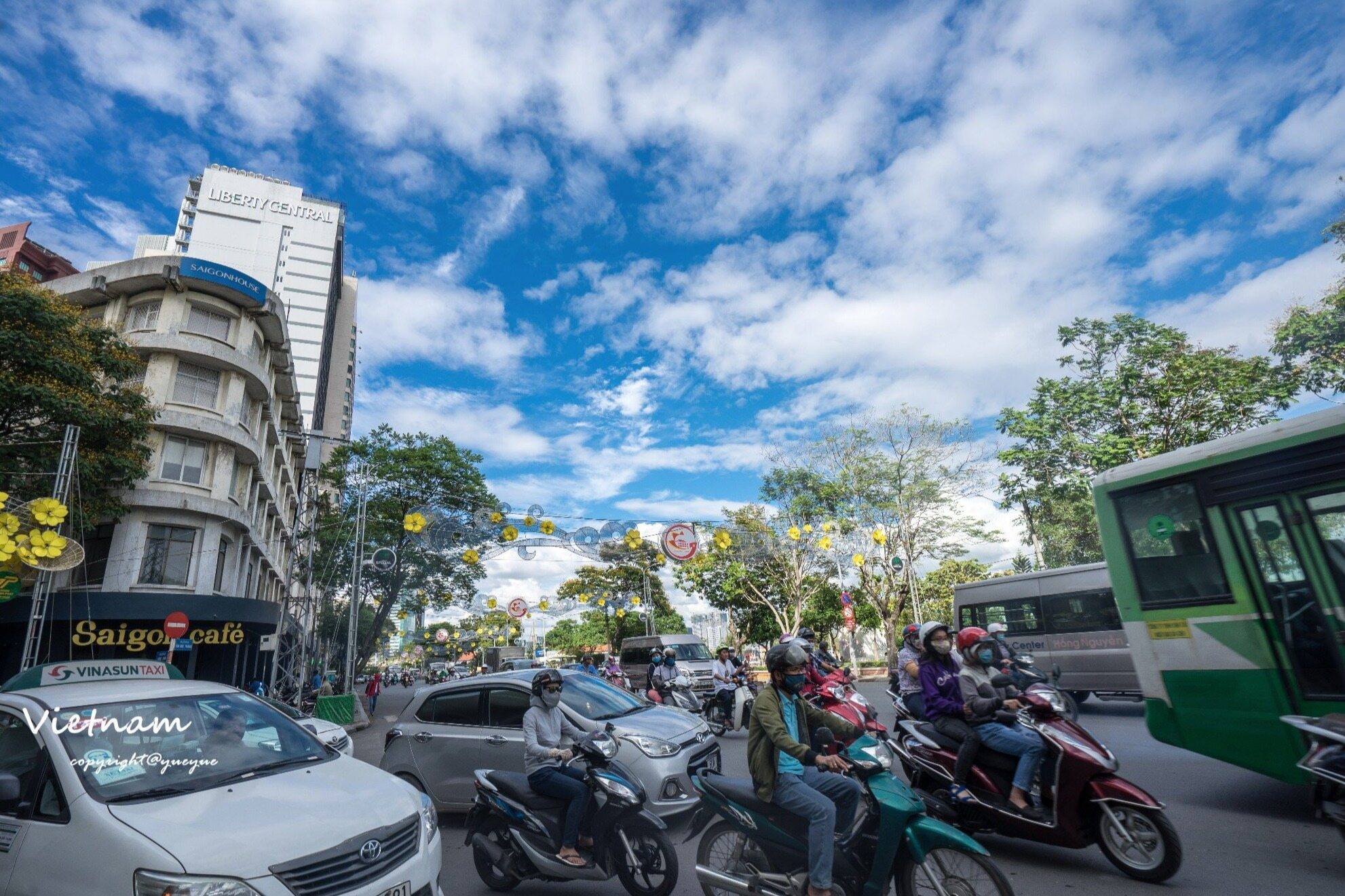
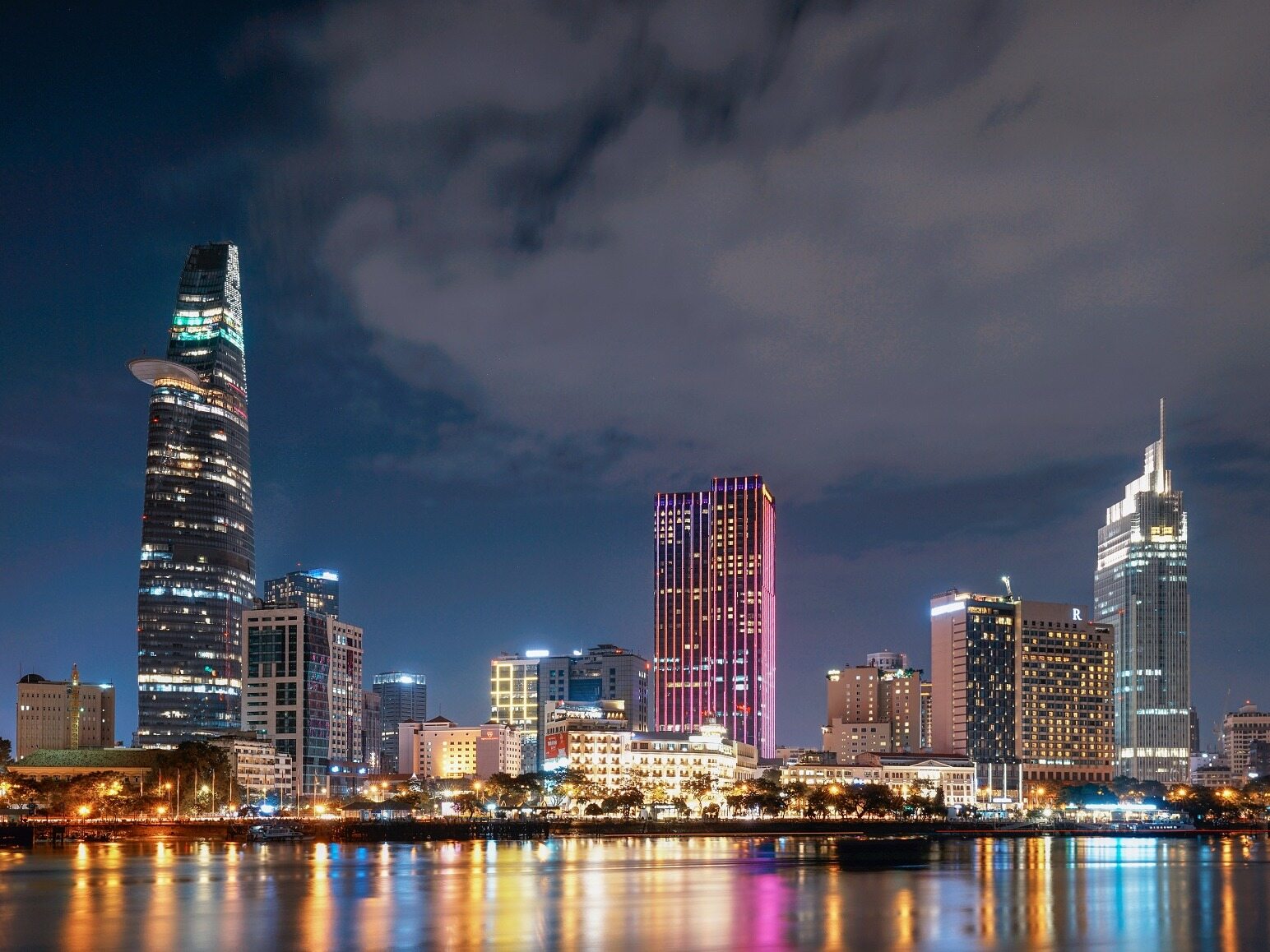
To completely reverse the long-standing traffic congestion and pollution situation that has plagued the city, Ho Chi Minh City in Vietnam is advancing an unprecedented scale rail transit construction plan. The city plans to launch the construction of 9 subway lines simultaneously in 2027, with a preliminary estimated total investment of up to 44 billion US dollars. This measure is seen as a "decisive step" for Ho Chi Minh City to promote the transformation of urban transportation structure and move towards a sustainable future.
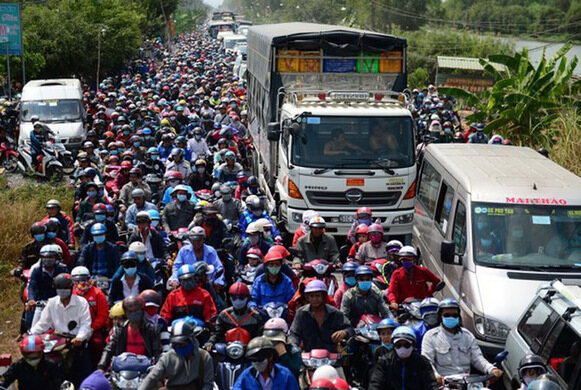
Ho Chi Minh City currently has a permanent population of about 10 million, with approximately 3 million commuters and tourists entering daily. The city heavily relies on private motorcycles for travel, accounting for over 80% of the total. This not only leads to long-term overloading of road traffic, but also causes serious air pollution and traffic safety issues. Developing the subway network has become a strategic choice for the city to solve transportation difficulties and improve the quality of life of its citizens.
According to the plan, the upcoming 9 subway lines will have a total length of approximately 355 kilometers, forming a rail transit backbone network that covers the entire city and radiates to surrounding areas. The specific routes include:
Line 1 (Penang Anxia, extended to Pingyang)
Line 2 (Penang - Charang - Kucha, extended to Tama)
Line 3 (Xiepingfu Anxia)
Line 4 (Dongsheng Johor Bahru Penang Xiefu)
Line 5 (Longchang Hanoi Expressway Saigon Bridge Baixian Intersection Dafu Depot)
Line 6 (Inner Ring Road)
Line 7 (Xinjian Shoutian Vinhomes Grand Park)
Extension lines of Line 1 and Line 2
In addition, a new route connecting the city center and Qinye County is planned to strengthen the connection between the central urban area and the coastal areas.
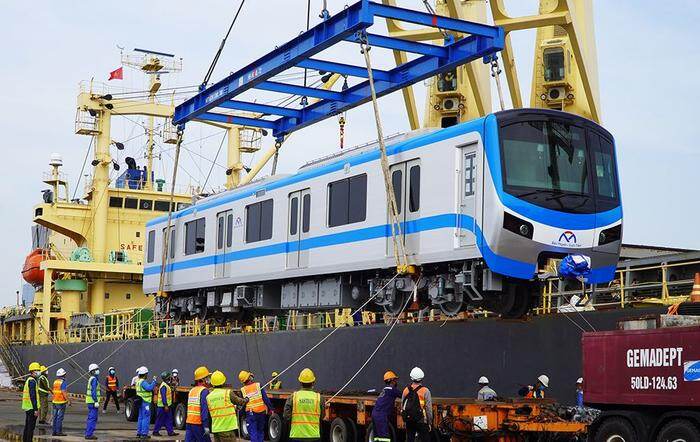
The funding for this massive plan will come from diverse channels, including national budgets, official development assistance (ODA), public-private partnership (PPP) models, land development revenue, and urban comprehensive development income based on public transportation orientation (TOD). Through the TOD model, high-density and mixed use urban development will be carried out in the surrounding areas of subway stations, with its value-added benefits feeding back into subway construction and operation, forming a virtuous cycle. Keywords: International Engineering Construction, Foreign Engineering Construction News, International Engineering News
Despite the grand blueprint, the project still faces severe challenges in the complex coordination of financing, land acquisition and demolition, traffic organization during construction, and synchronous management of multiple routes. If it can be smoothly promoted, the completion of this network will fundamentally reshape the transportation pattern of Ho Chi Minh City, significantly reduce dependence on motorcycles, effectively alleviate congestion, reduce emissions, and promote the orderly expansion of urban spatial structure along the rail transit corridor. Editor/Xu Shengpeng
Comment

 Praise
 Collect
 Comment

 Share
Share


Write something~