 Search


- Dual benefits of cost policy, continuously attracting overseas capital to enter the market
- The Vietnamese computing power market is rapidly expanding, and large-scale foreign projects are accelerating their landing
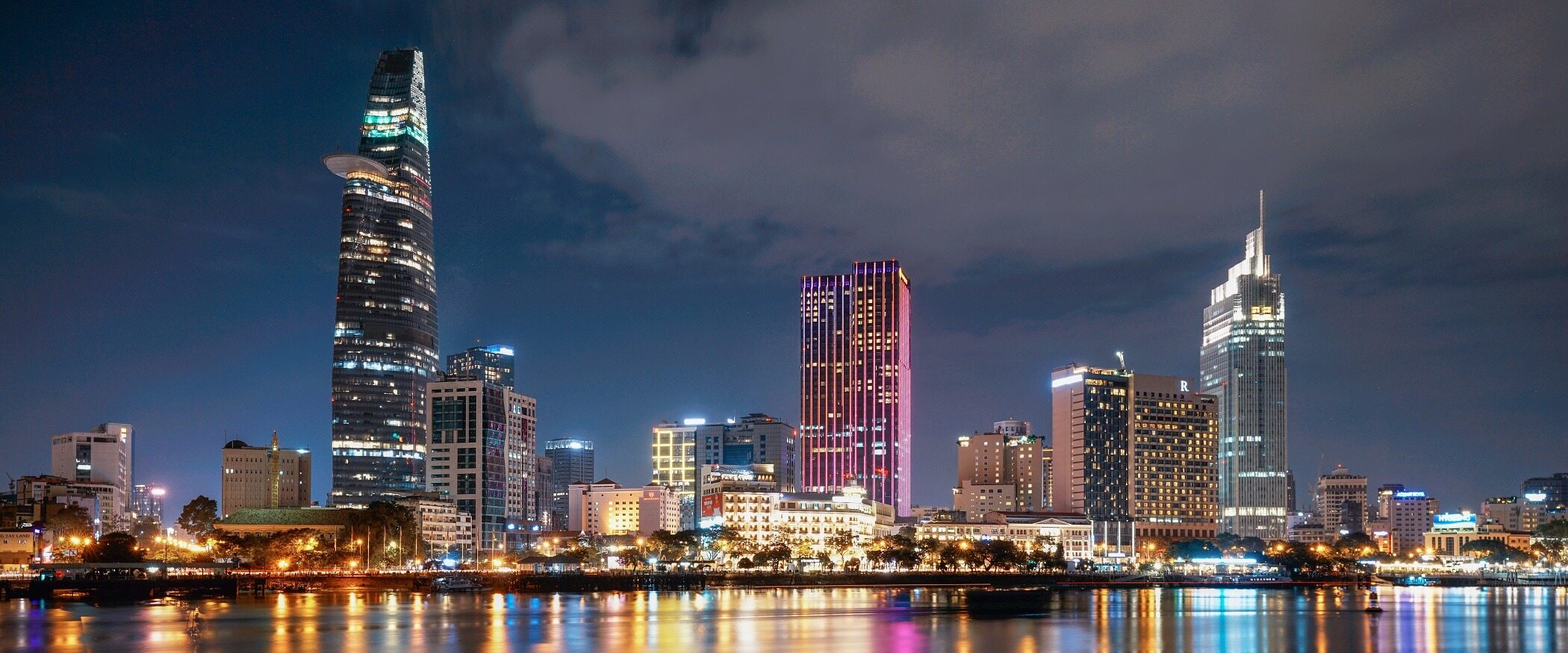
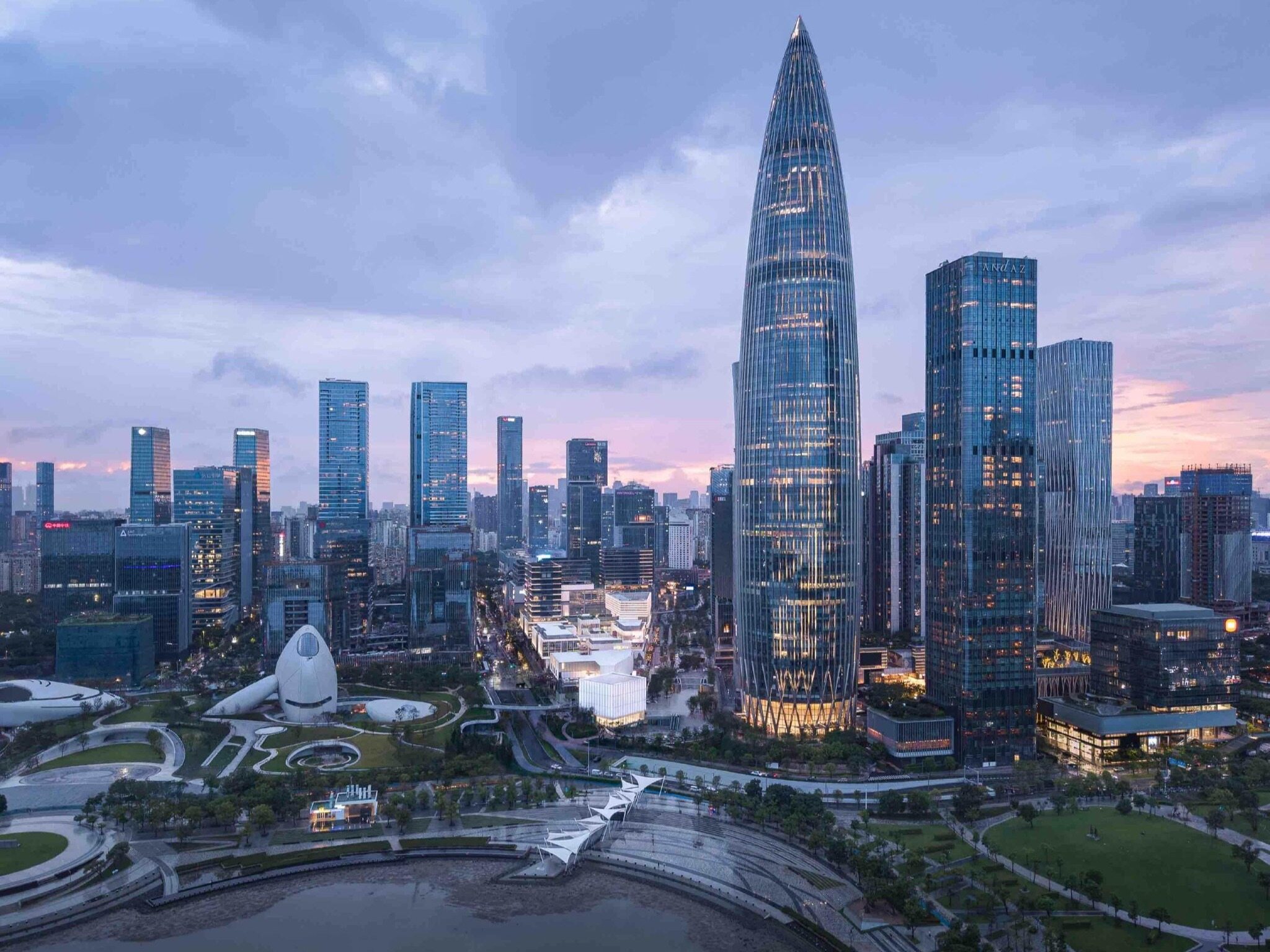
At the southern end of the Honghe Plain, the outline of machine rooms is emerging amidst the towering tower cranes. Vietnam is rapidly heating up the AI data center market with low construction costs and relaxed foreign investment barriers, leading to the successive establishment of computing power parks near Ho Chi Minh City. The momentum of capital moving southward is strong, but the surplus of the power grid and the complexity of approval are still hidden ceilings hanging above the scale expansion.
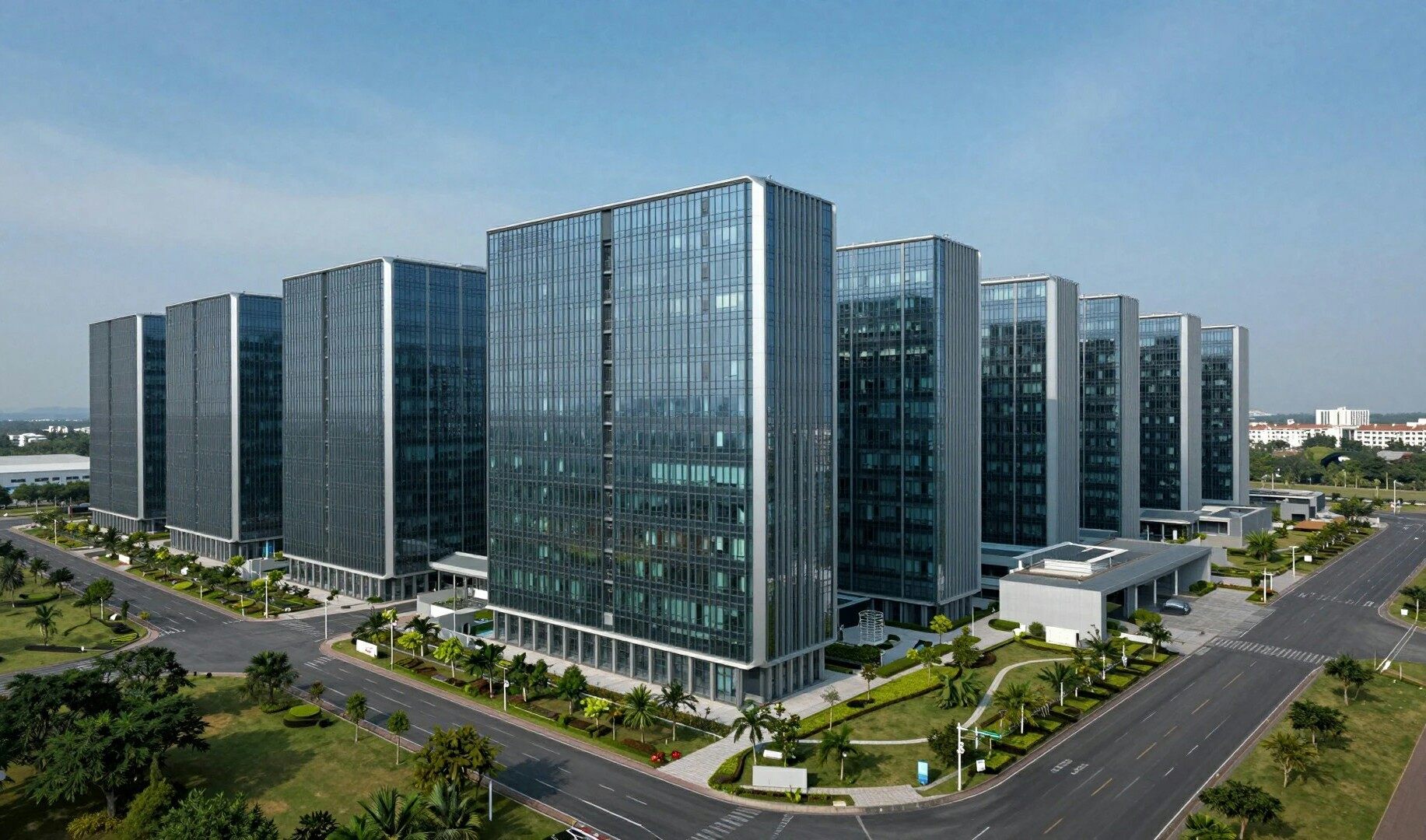
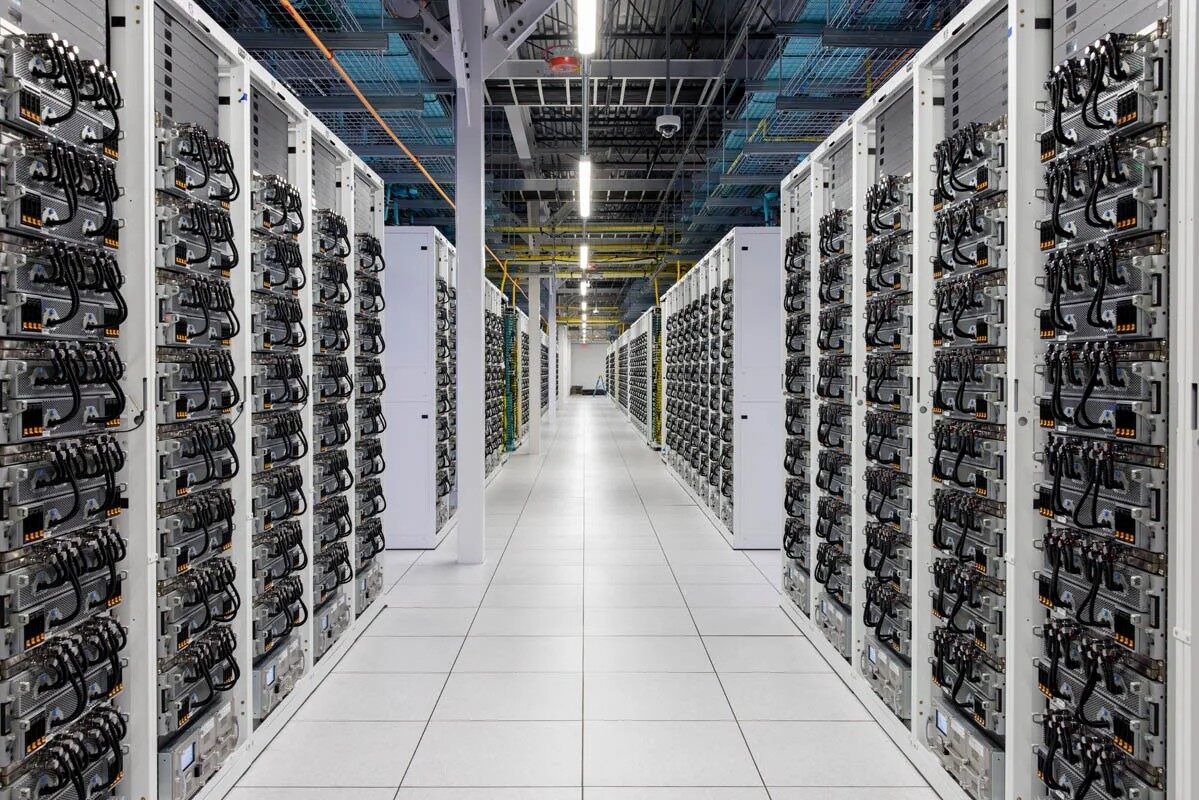
In recent months, multiple multi billion dollar AI data centers have successively settled in Vietnam. The latest project is located in the outskirts of Ho Chi Minh City, with an investment of 2 billion US dollars and a scale of 200 megawatts. It can carry 100000 GPUs and is jointly developed by Beijing North Urban Development Holdings and local financial and infrastructure institutions. It is a super large computing power project in Vietnam. Multiple operators have also announced joint venture plans for ultra large scale data centers, with project reserves continuing to increase.
Optimistic prediction: The average annual growth rate of the Vietnamese data center market is 20.48%, and the scale will increase from 1.04 billion US dollars in 2025 to 3.18 billion US dollars in 2031, with significant driving force from the AI supercomputing track. By 2025, 41 data centers with an installed capacity of 104-221 megawatts will be put into operation in the country; It is expected that the reserve installed capacity will expand to 525-950 megawatts by 2030. The industry is concentrated around Ho Chi Minh City, while the rest is distributed in Hanoi and small and medium-sized cities.
Significant advantages in attracting investment
The construction cost of data centers in Vietnam is low, with a cost of 6-8 million US dollars per megawatt, only half of Singapore and Tokyo, and lower than Malaysia and Indonesia. The government has lifted the 49% limit on foreign ownership, allowing foreign capital to operate in full, with supporting tax incentives and accelerated approval processes. The regulations on data localization also force foreign investment to build local computing power facilities and expand market demand.
Outstanding power pressure
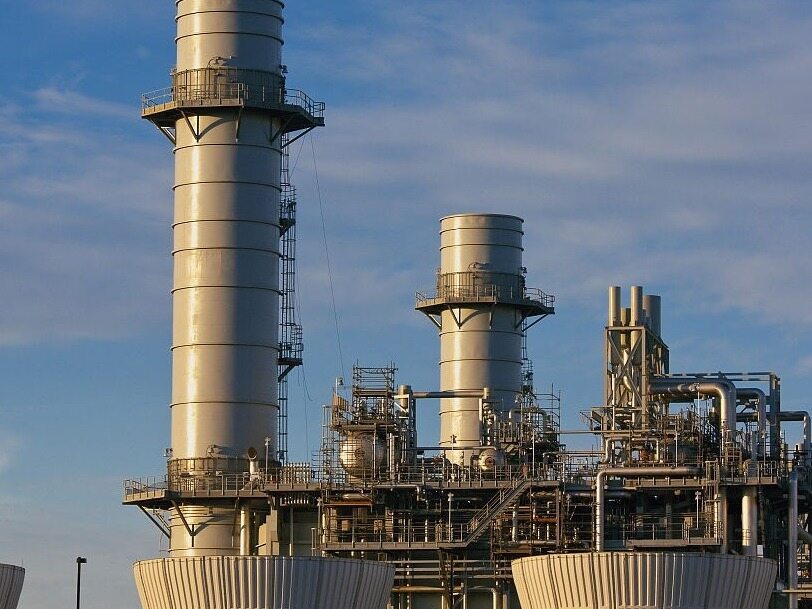
AI data centers pose a huge burden on the power grid, with insufficient power surplus in core cities and the risk of power outages. The power department requires a new project to build a 110 kV substation, with a single station cost of 8-12 million US dollars, increasing the initial investment. Combined with the increase in commercial electricity prices, operating costs have further risen. New energy power supply is unstable, and enterprises generally install diesel backup units. The energy consumption of AI facilities is enormous, and even if renewable energy can be directly purchased, high prices are still required to purchase grid backup capacity, making grid bottlenecks the biggest challenge in the industry. Keywords: Vietnam, AI data center, computing power
Global supply chain fluctuations have caused delays in the procurement of high-end AI chips. Although high-end projects have approval green channels, the approval process for multiple aspects such as land, electricity, telecommunications, and data compliance remains complex. Foreign investment attaches great importance to regulatory stability, but Vietnam's low-cost advantage to some extent offsets various risks.Editor/Gong Ziwei
Comment

 Praise
 Collect
 Comment

 Share
Share


Write something~