 Search


- Transforming sunlight resources into powerful weapons to break the energy dilemma and achieve independent development
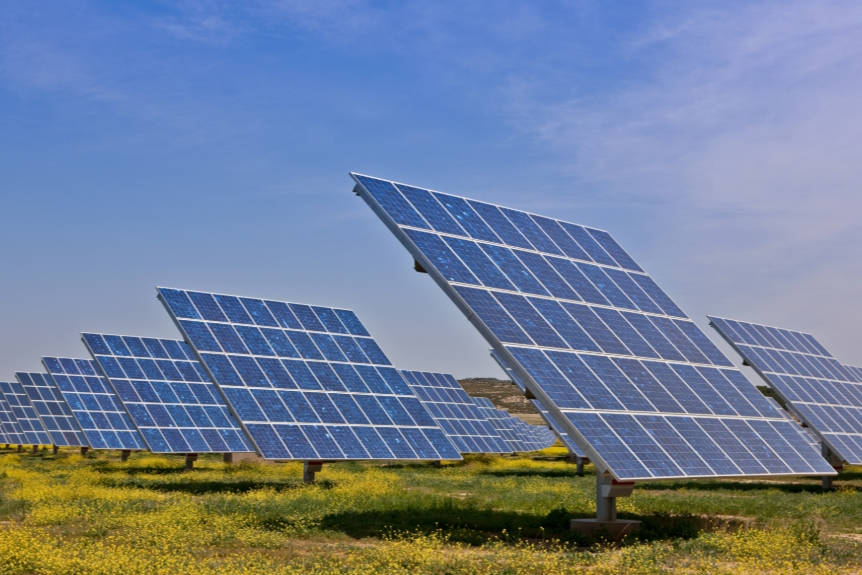
Currently, Pakistan is deeply trapped in an energy crisis consisting of high electricity prices, vicious cycle debt, and excessive dependence on imported energy. The endless debates at the policy level make the resolution of the problem seem distant. In this context, Pakistani economist Rubina Ilyas turned her gaze to the East and pointed out a proven feasible path - China's solar revolution. From the past power shortage to the current world's largest producer and consumer of solar energy, China's successful experience provides Pakistan with structural insights beyond short-term relief.
The coherence of policies is a more precious' reassurance pill 'than subsidies
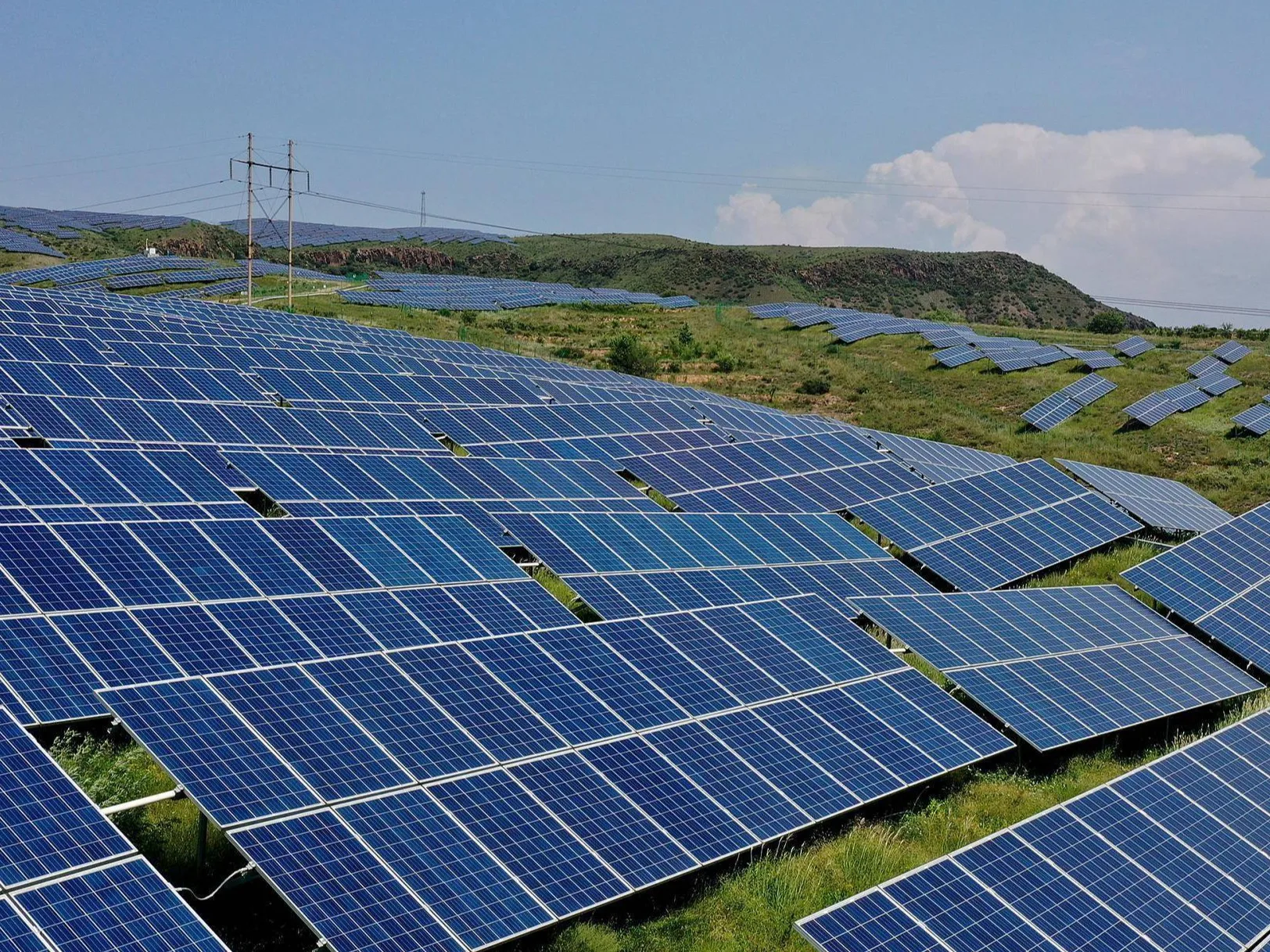
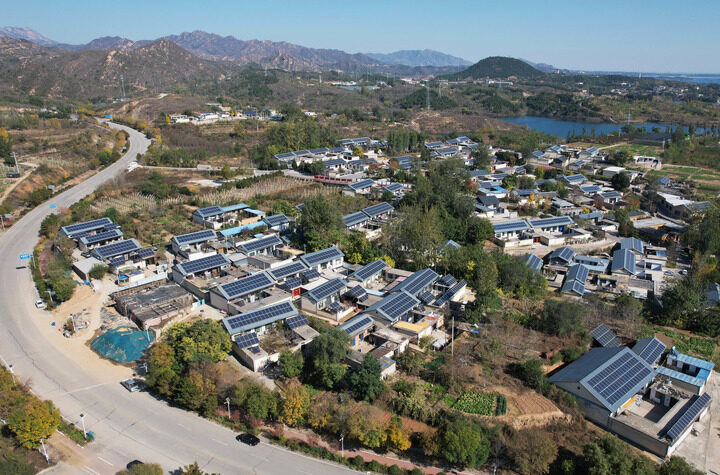
The primary secret to the rise of China's solar energy industry is not endless subsidies, but its coherent, stable, and forward-looking long-term policies. From the initial subsidy of grid electricity prices to cultivate the market, to gradually "weaning" as the industry matures, and then to launching innovative models such as "distributed photovoltaics throughout the county", China's solar energy policy has been consistently implemented in multiple "five-year plans" of the country. This certainty injects long-term confidence into investors, guiding capital and technology to continue pouring in.
On the other hand, in Pakistan, the government's repeated swings in the electricity pricing plan have created significant policy uncertainty, which has deterred local and international investors. For long-term, heavy asset investments such as energy transition, policy certainty is far more important than short-term incentives. The Pakistani government urgently needs to go beyond partisan disputes and develop a national energy strategy that spans the election cycle, setting a clear beacon for the market.
Transforming energy policy into industrial policy and achieving 'self generation'
The core wisdom of the Chinese model lies in its deep integration of energy policies and industrial policies. Beijing is promoting the application of solar energy not only as a clean energy source, but also as a strategic emerging industry that can drive employment, exports, and economic growth. Therefore, every policy to expand solar power generation capacity is accompanied by supporting measures to support the domestic manufacturing industry. In just a few years, China has established a complete industrial chain from polycrystalline silicon and silicon wafers to solar cells and components, achieving a leap from relying on technology introduction to leading the global supply chain.
In contrast, Pakistan's solar energy development still remains at the level of "pure users", with equipment almost entirely dependent on imports. This not only fails to create local employment, but also exacerbates its foreign exchange pressure and revolving debt with expensive imported equipment. The "promoting localized assembly through preferential financing" proposed by Brazilian economists is the first step towards the right direction. By offering tax, land, and financing incentives, we can take the lead in attracting the production of solar panel assembly, brackets, and inverters, gradually cultivating local industrial capabilities, converting energy expenditures into internal investments, and fundamentally reducing the debt burden.
The modernization of the power grid is the other leg that runs parallel to the power generation capacity
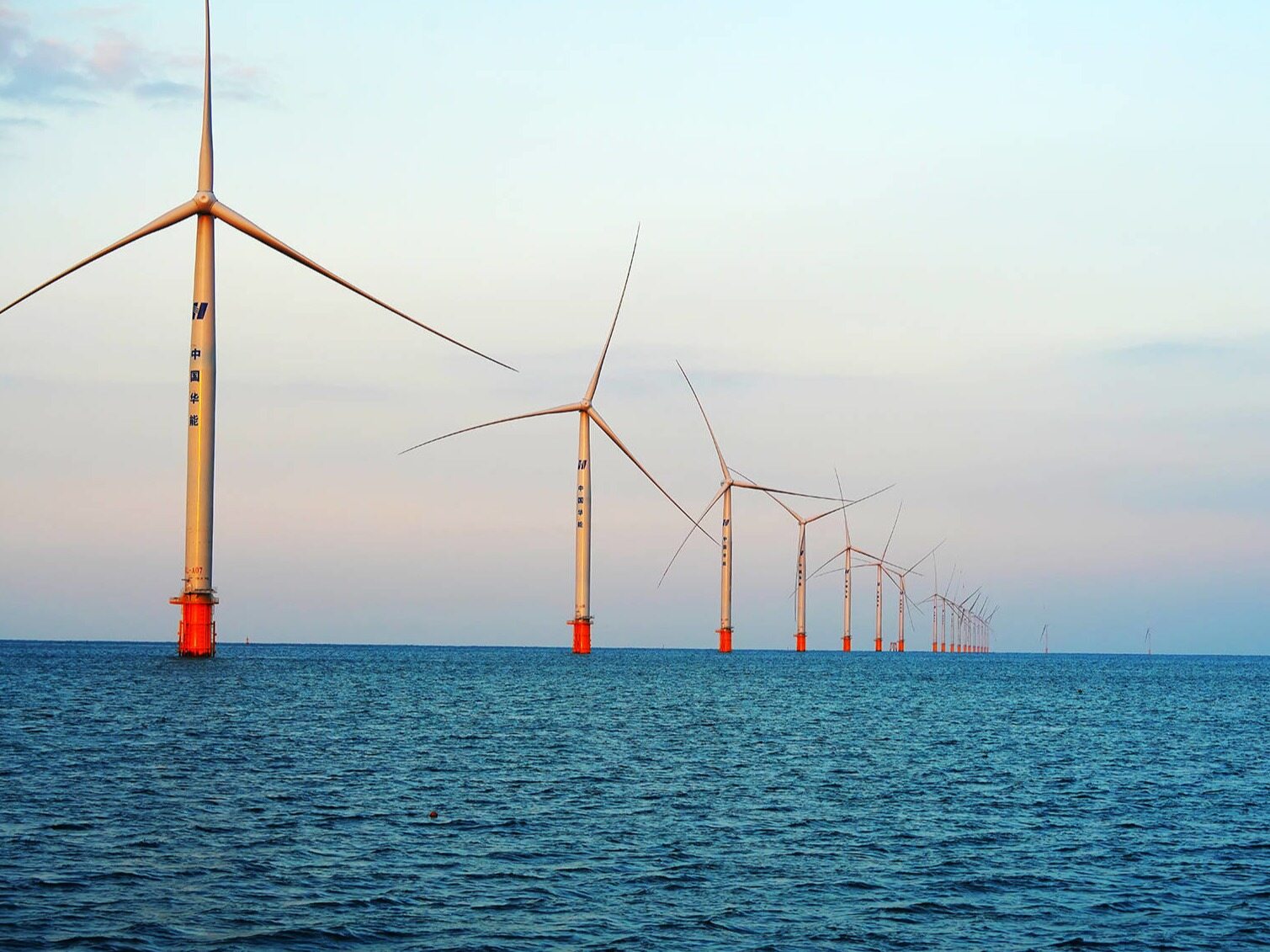
China's experience clearly shows that power generation and transmission must be planned and invested synchronously. While China's solar installed capacity is skyrocketing, the country has made huge investments in ultra-high voltage transmission technology, large-scale energy storage systems, and intelligent grid scheduling to ensure that the abundant solar power in the west can be efficiently and stably transmitted to the load centers in the east.
The current dilemma in Pakistan is that its outdated power grid system is even difficult to effectively integrate existing renewable energy sources, and huge transmission losses are consuming already valuable electricity. If we blindly add new installed capacity and ignore the upgrade of the power grid, it is like building a highway without exits. Therefore, Pakistan's energy reform must prioritize the modernization of the power grid on an equal footing with new power generation projects, actively seek international cooperation and financing, and thoroughly transform and upgrade the transmission and distribution network with intelligence.
The future of Pakistan's energy does not require waiting for an unknown new fuel. China's practice has proven that the success of energy transformation is a comprehensive test that concerns national will, industrial wisdom, and system reform. For Pakistan, drawing on China's experience, replacing wavering with firm policy coherence, replacing passive consumption with ambitious industrial strategies, and filling key gaps with synchronous investment in modernizing the power grid are necessary to transform abundant "sunshine resources" into powerful driving forces to break the energy dilemma and illuminate the country's development path.Editor/Cheng Liting
Comment



 Praise
 Collect
 Comment

 Share
Share


Write something~