 Search


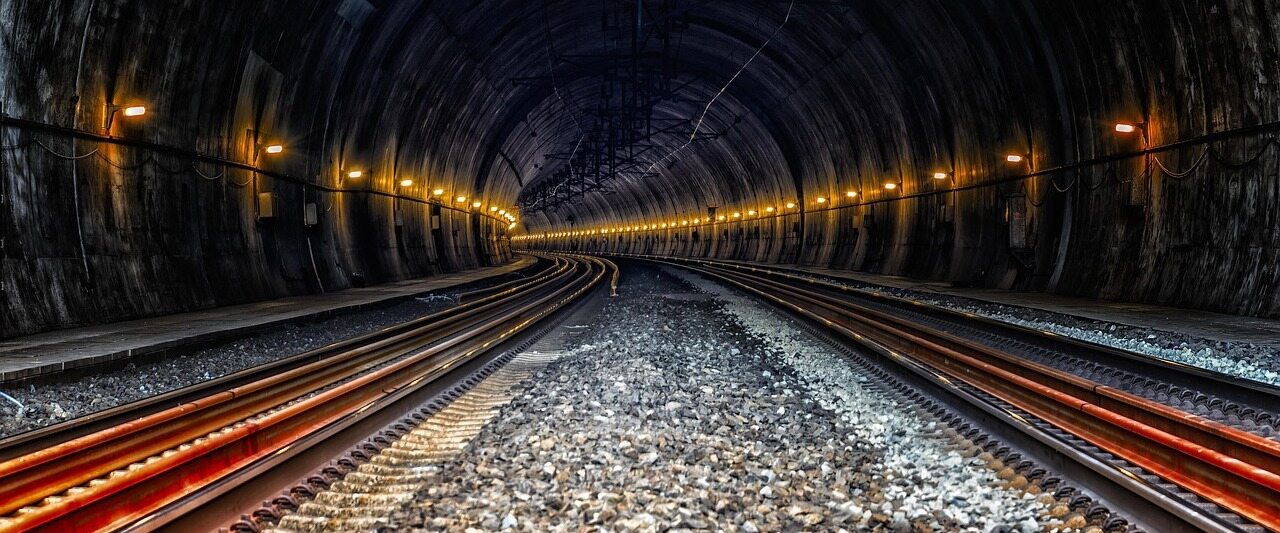
- This is a signal of the profound transformation of railway development from scale expansion to quality and efficiency
Faced with the pressure of over 6 trillion yuan in debt and the practical needs of regional development, China's railway construction is bidding farewell to the "speed passion" and shifting towards a more pragmatic, efficient, and sustainable new stage. The CR450 high-speed train is moving towards a speed of 400 kilometers per hour, with technological breakthroughs and rational investment, outlining a new blueprint for the modernization of the road network during the 15th Five Year Plan period.
The dual frenzy of investment and technology
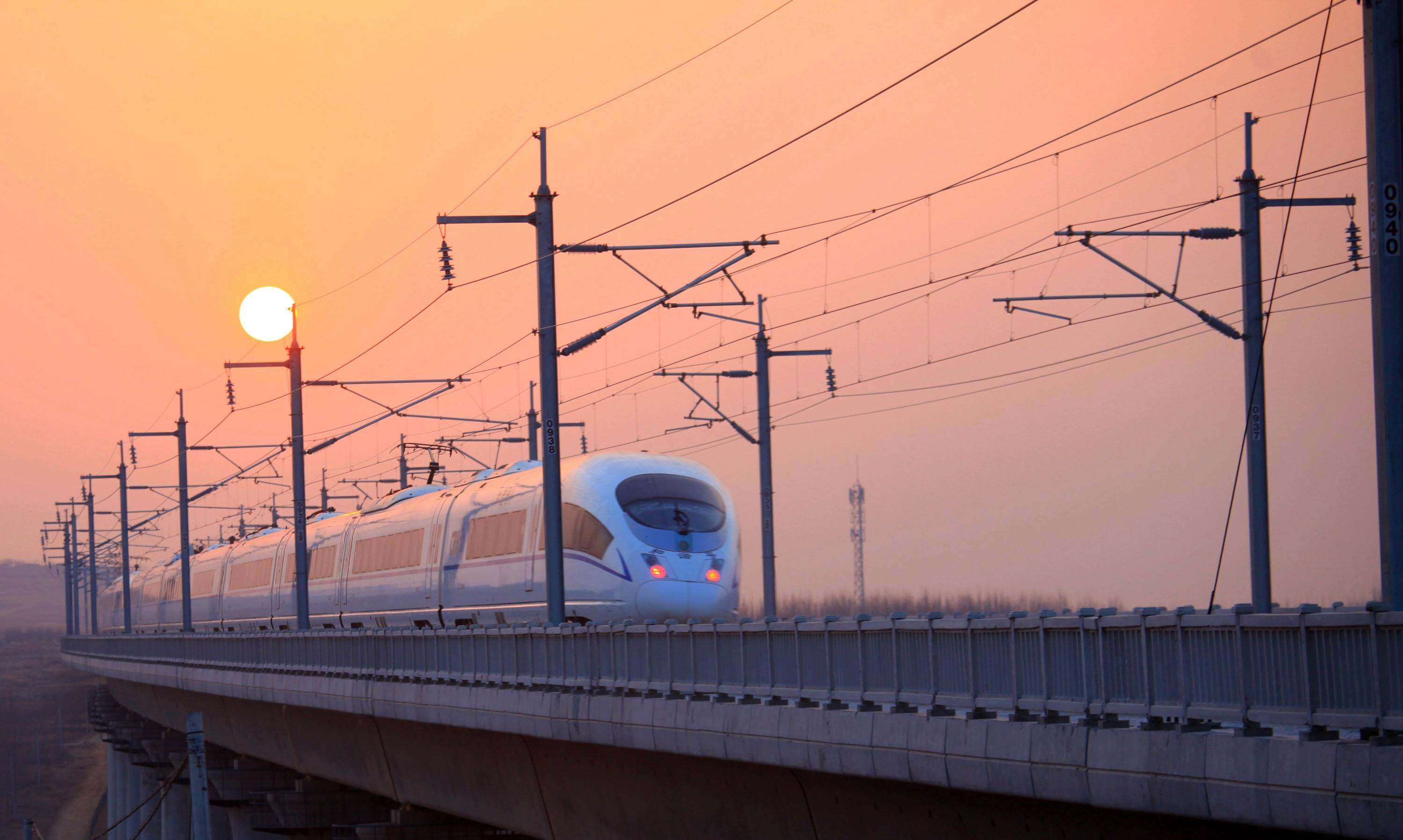
In early spring of 2025, the roar of machines on the construction site of the Changgan High speed Railway and the laughter and joy of the first batch of passengers on the Shenbai High speed Railway intertwined to form the prelude to another wave of railway construction in China. In this year, the national railway fixed assets investment reached an astonishing 901.5 billion yuan, up 6% year on year, setting a historical record. The 3109 kilometer new line has been put into operation, of which 2862 kilometers are occupied by high-speed rail. The CR450 high-speed train is speeding on the test line, making new progress in key technology research and development at a speed of 400 kilometers per hour. The ambition for speed and the ceiling of technology are constantly being touched.
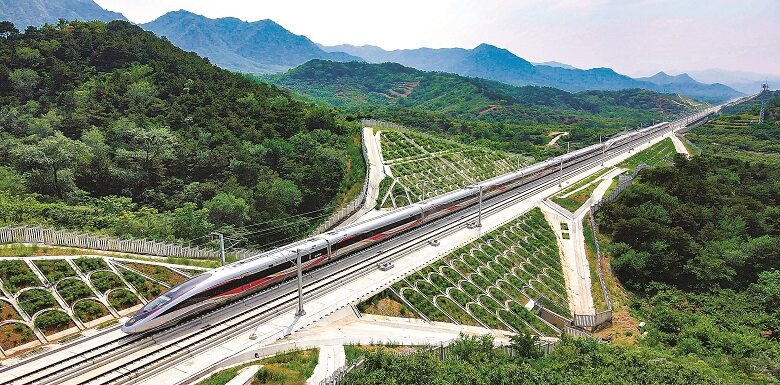
China Railway Group focuses on major projects outlined in the 14th Five Year Plan, promoting the commencement of 8 projects including Changgan and Yichang, and the opening of 25 projects including the Wuhan Yichang section of the Shenbai and Shanghai Chongqing Chengdu high-speed railways. By the end of 2025, the operating mileage of railways in China has reached 165000 kilometers, and the mileage of high-speed railways has increased from 37900 kilometers at the end of the 13th Five Year Plan to 50400 kilometers, an increase of 32.98%. This is a remarkable report card paved with steel and wisdom.
Rationality and pragmatism have become the new tone
However, as we enter 2026, the art style seems to quietly shift. According to the work conference deployment of China Railway Group, the annual plan is to complete a railway infrastructure investment of 520 billion yuan and put more than 2000 kilometers of new lines into operation. Compared to the historical peak of the previous year, the investment scale has significantly decreased.
But this does not mean stagnation. In terms of passenger transportation, the national railway is expected to complete a passenger volume of 4.402 billion, a year-on-year increase of 3.5%; The freight plan has completed 4.13 billion tons, an increase of 1.5%. More importantly, the throttle of technological research and development has not been released. In 2026, the CR450 high-speed train will complete its operational assessment and design finalization, and the key technological achievements of high-speed railway infrastructure with a speed of 400 kilometers per hour will enter the experimental verification stage. China's high-speed railway is steadily moving towards a new era of operating at a speed of 400 kilometers per hour.
Balancing financial pressure and precise supply
The adjustment of investment scale is a strategic calibration of China's railway development logic. The first and foremost is the heavy financial pressure. The debt of China Railway Group has exceeded 6 trillion yuan, and local finances are generally under pressure. For example, the planned Yilou high-speed railway has a total investment of about 30 billion yuan, and Hunan Province alone needs to raise 11.8 billion yuan, which poses a practical test of feasibility.
At the national level, the necessity of projects is being evaluated more carefully, and the construction of parallel lines with overlapping functions is being strictly controlled. For example, regarding the Luzhou Zunyi high-speed railway, relevant departments believe that it has functional overlap with the existing Chengdu Guiyang high-speed railway and Chengdu Chongqing Guizhou corridor, and does not currently have the conditions for construction. This prudence is to avoid wasting resources and use good steel on the cutting edge.
The investment structure has also been optimized accordingly. The proportion of railway investment in the central and western regions has increased to 55%, but the focus is shifting from blindly pursuing high-speed rail to more universal conventional rail and freight channels to meet the fundamental needs of local logistics and people's livelihood travel. The design speed of the Wenwuji Railway has been adjusted from 200 kilometers per hour to 160 kilometers per hour, and the investment estimate has been reduced from 30.3 billion yuan to 24.6 billion yuan. This is a microcosm of the return to pragmatism - not blindly pursuing high standards, but paying more attention to operational effectiveness and investment returns.
Towards higher quality and more sustainable modernization
Looking ahead to the 15th Five Year Plan period, the blueprint for China's railways is still grand and clear: by 2030, the total operating mileage of railways in the country is expected to reach about 180000 kilometers, including about 60000 kilometers of high-speed rail. The eight vertical and eight horizontal high-speed railway network will be fully established, with significantly improved regional connectivity and enhanced freight network capacity, basically building a world-class modern railway network.
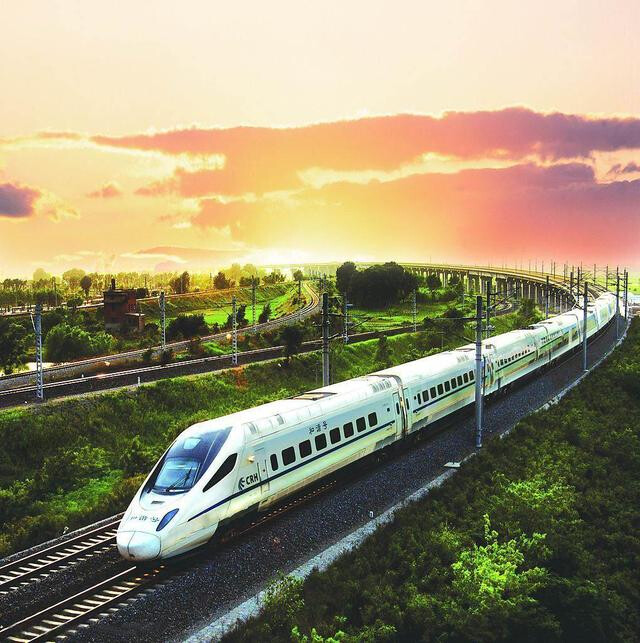
At the National Railway Supervision and Management Work Conference in early 2026, the State Railway Administration emphasized that as the backbone of the comprehensive transportation system, railways should take the lead and strive to achieve modernization during the 15th Five Year Plan period. This means that in the future, China's railways will not only see an increase in mileage, but also a comprehensive improvement in network efficiency, service quality, economic benefits, technological content, and sustainable development capabilities.
Financing models are also being innovatively explored, such as PPP models and railway industry funds, which are being promoted in order to attract more social capital and jointly support the future of the railway industry.
From a surge in investment in 2025 to a rational correction in 2026, China's railways are undergoing a crucial transformation. It has bid farewell to the old stage of simply pursuing construction speed and scale expansion, and is entering a new cycle that places more emphasis on precise investment, operational efficiency, technological autonomy, and regional coordinated development. This road may lack some 'speed and passion', but it is more solid and sustainable, pointing towards a truly powerful transportation powerhouse in the future.Editor/Yang Meiling
Comment




 Praise
 Collect
 Comment

 Share
Share


Write something~