 Search


- The former energy link has now evolved into a complex network that spans capital, technology, and talent
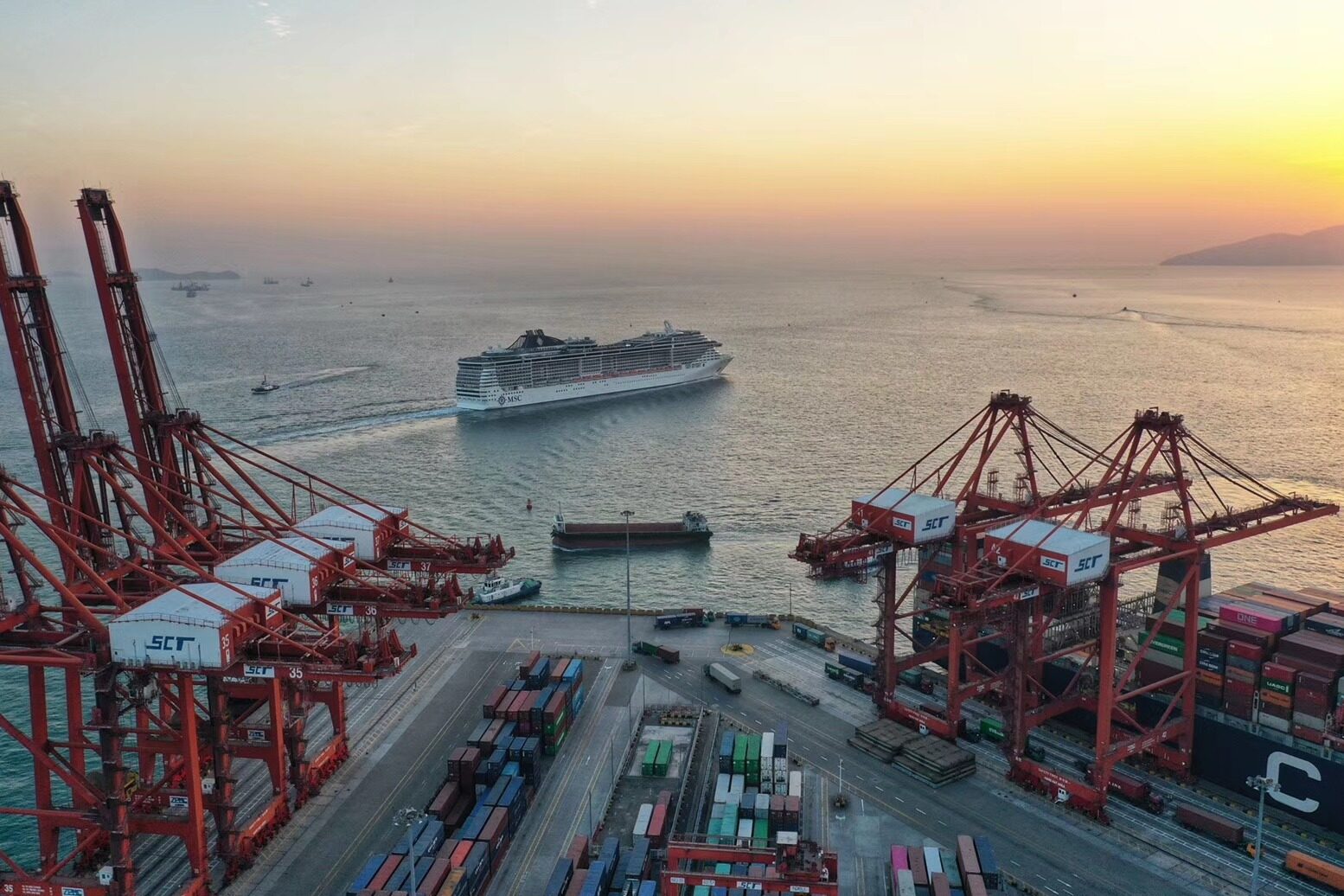
Against the backdrop of the global economic shift towards the east, cooperation between Gulf Cooperation Council (GCC) countries and emerging Asian economies is deepening and expanding at an unprecedented pace. This transformation not only marks a structural adjustment in trade and capital flows, but also reflects a high degree of alignment between the two sides in terms of economic diversification, strategic synergy, and long-term development goals. A profound economic transformation is quietly unfolding between the two regions, from energy dependence to multi domain collaboration, injecting new impetus into the future global economic and trade landscape.
In recent years, with the deepening cooperation between the Gulf Cooperation Council and dynamic Asian economies, the global economic landscape has continued to tilt towards the east. The initial relationship based on "oil for labor" has gradually evolved into a complex cooperation network covering multiple fields such as construction, renewable energy, finance, tourism, and technology. This trend is directly reflected in the rapid growth of trade volume between the two regions. According to a study by the London think tank Asia House, the trade volume between the Gulf Cooperation Council and emerging Asia surged to $516 billion in 2022, and is expected to exceed $750 billion by 2030, almost double the data from 2021. It is worth noting that the trade growth rate between the Gulf Cooperation Council and emerging Asia has surpassed its trade growth with traditional Western partners. During the same period, the trade growth rate between the Gulf Cooperation Council and the United States, United Kingdom, and European Union was only 32%. It is expected that by 2026, emerging Asia will become the most important trading partner of the Gulf Cooperation Council.
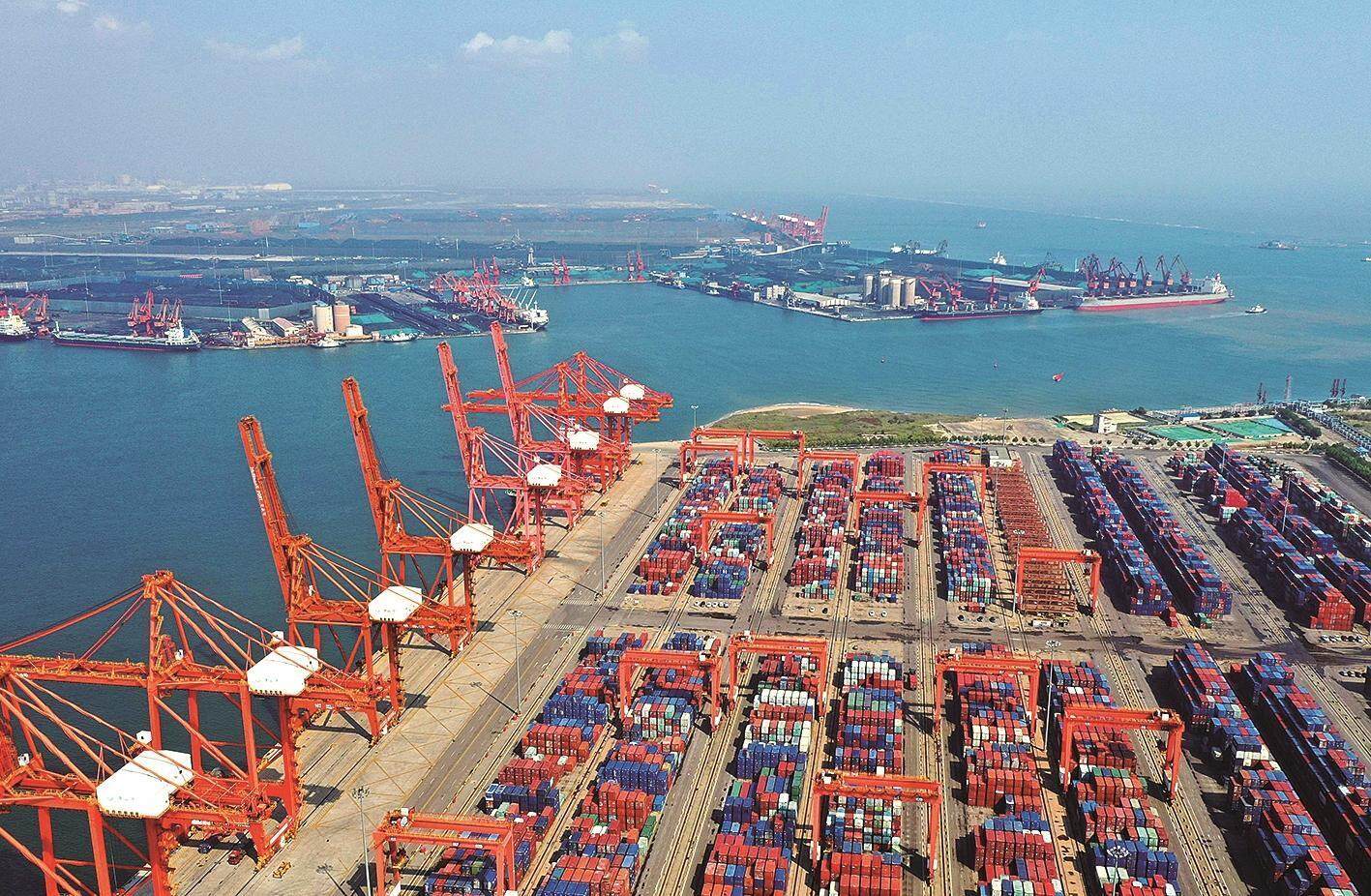
China is an important driving force behind this transformation. Over the past decade, the trade volume between the Gulf Cooperation Council and China has increased by about 50%, and is now close to the total trade volume between the Gulf Cooperation Council and the United States, the United Kingdom, and Western Europe. With Saudi Arabia and the United Arab Emirates officially joining the BRICS group in 2024, the two countries will further integrate into the Chinese led economic decision-making system. At the same time, the bilateral relations between the Gulf Cooperation Council and other Asian countries are constantly deepening. For example, driven by the Comprehensive Economic Partnership Agreement signed between the United Arab Emirates and India, the bilateral non oil trade volume reached 240 billion dirhams last year, demonstrating the enormous potential brought by trade policy adjustments, private capital flows, and regional logistics coordination. The UAE is actively promoting CEPA negotiations with major ASEAN economies and is expected to further expand its trade scale in the future. Hong Kong is also actively deepening its cooperation with the Gulf region, becoming an important hub connecting capital flows and commercial exchanges between the two places.
The trade relationship between the Gulf Cooperation Council and Asia is becoming more diversified, industry driven, and strategically coordinated. Under the CEPA framework, the United Arab Emirates and India have lifted tariffs on several key commodities and simplified customs procedures. After the agreement came into effect, the UAE's non oil exports to India increased by over 75%, with particularly significant growth in the jewelry, food, machinery, and electronics sectors. Similar trends are also evident in other regions: Gulf countries are committed to reducing their dependence on fossil fuels, while Asian partners are actively expanding their import sources and production networks. In addition, long-term policies such as India's "Look West" initiative and the UAE's "Our UAE 2031" vision also make trade diversification a core goal.
Strategic capital and cross-border investment exhibit bidirectional and more strategic characteristics. The Gulf Cooperation Council Sovereign Wealth Fund is no longer just a passive holder of global assets, but is making long-term strategic layouts in the infrastructure, logistics, and technology fields in Asia through joint ventures and other means. For example, Mubadala Capital, a subsidiary of Abu Dhabi's sovereign wealth fund ADQ, signed a memorandum of cooperation with Singapore's Temasek subsidiary Seviora to explore joint investment opportunities; Mubadala also participated in the $7.3 billion acquisition of German energy efficiency supplier Techem with institutions such as GIC in Singapore. At the same time, banks, family offices, and businesses from India, Singapore, and South Korea are actively entering the Gulf market, expanding their presence through the establishment of funds, regional offices, or joint development projects.
There are also profound changes happening at the institutional level. More and more bilateral platforms and government support funds are not only used for capital deployment, but also dedicated to promoting the achievement of common strategic goals. Many funds focus on areas related to long-term resilience, such as supply chain, healthcare, clean energy, and agricultural technology, with the aim of laying the foundation for both parties' strategic positioning in key industries.
Emerging growth areas have further reshaped the trade landscape. The trade content is rapidly shifting from traditional oil and gas to emerging industries that meet consumer demand, ensure supply chain security, and achieve capital diversification. Taking gold as an example, under the CEPA framework, the UAE's exports of gold jewelry to India have doubled due to the reduction of tariffs and the simplification of customs clearance procedures in Dubai. This transformation has also driven changes in logistics routes, with more trade now being completed directly through the Gulf Customs Hub rather than through indirect channels as in the past. The food and pharmaceutical industries are also steadily developing under the promotion of regional processing and cold chain infrastructure investment. Several Gulf groups are actively entering the packaged food and health product field by collaborating with Asian manufacturers and distributors. The real estate and digital infrastructure sectors are also showing similar trends, with Gulf investors partnering with local developers or technology funds in markets such as Singapore, Vietnam, and southern India. This model has changed from simple export to deep capital embeddedness, and each transaction is strengthening a more stable and industry-specific business relationship.
In addition to commodities and capital, talent mobility and policy coherence are also constantly strengthening. The United Arab Emirates has issued over 150000 'golden visas', mainly granted to professionals and entrepreneurs from India, Singapore, and Southeast Asia who intend to establish business bases in the region. Many people choose to establish structures in Dubai International Financial Centre and Abu Dhabi Global Market to leverage their international legal system and easily reach international clients. Indian and Singaporean companies have been particularly active, with cross-border licensing and dual qualification consultants providing convenience for their market entry. Many teams divide their business between Asia and the Gulf region, achieving the sharing of personnel, resources, and compliance systems. The recently signed trade agreements have further injected momentum into this trend, with provisions on the mobility of professionals, dispute resolution, and financial cooperation effectively reducing friction in cross-border business and helping companies expand more smoothly. Keywords: overseas engineering, international engineering construction, foreign engineering construction news
With the deepening of cooperation ties between the Gulf and Asia, a new type of partnership spanning industries, investments, and talents is emerging. This transformation not only promotes the flow of trade and capital, but also reshapes the future path of the two economies. For enterprises, this means that traditional industry boundaries are blurring, and the once marginal fields may be nurturing the next round of growth opportunities. The synergy of policy orientation, industry dynamics, and long-term strategies is jointly promoting the formation of a more diverse, interconnected, and resilient economic ecosystem. Enterprises that can identify trends early and proactively adapt to changes will be more capable of seizing opportunities and achieving stability in the increasingly complex global landscape. Editor/Xu Shengpeng
Comment




 Praise
 Collect
 Comment

 Share
Share


Write something~