 Search


- The Iraqi automobile market is becoming a new blue ocean for Chinese brands. In the first half of 2025, China's automobile exports
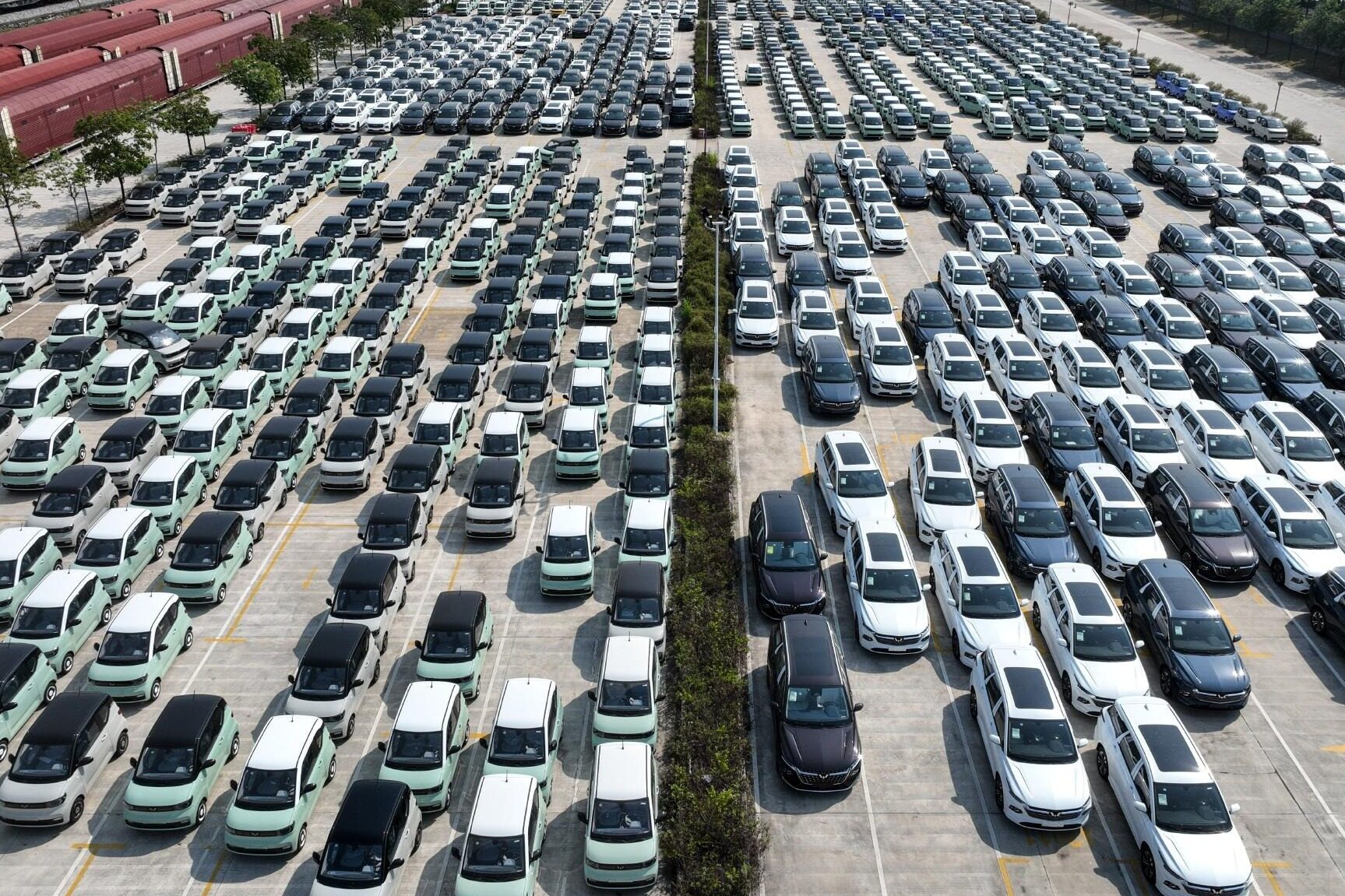
In recent years, the Iraqi automobile market has shown tremendous development potential and is becoming an important emerging destination for Chinese automobile exports. Data shows that in the first half of 2025, China's automobile exports to Iraq reached 18000 units, a significant increase of 71.4% compared to 10500 units in the same period of 2024, and the growth rate far exceeded that of Japan (12000 units) and South Korea (9500 units). With an average unit price of $13300, Chinese cars quickly occupied the local mid to low end market with their high cost-effectiveness advantage.
From the perspective of market structure, the 1500-3000CC displacement model has the highest proportion of imported cars in Iraq, reaching 34%; More than 3000CC accounts for 30%; Less than 1500CC accounts for 20%. Hybrid electric vehicles maintain stable growth, currently accounting for about 10%. In addition to traditional brands such as Toyota, Kia, Nissan, Hyundai, and Ford, China's Geely has also successfully entered the ranks of local mainstream brands.
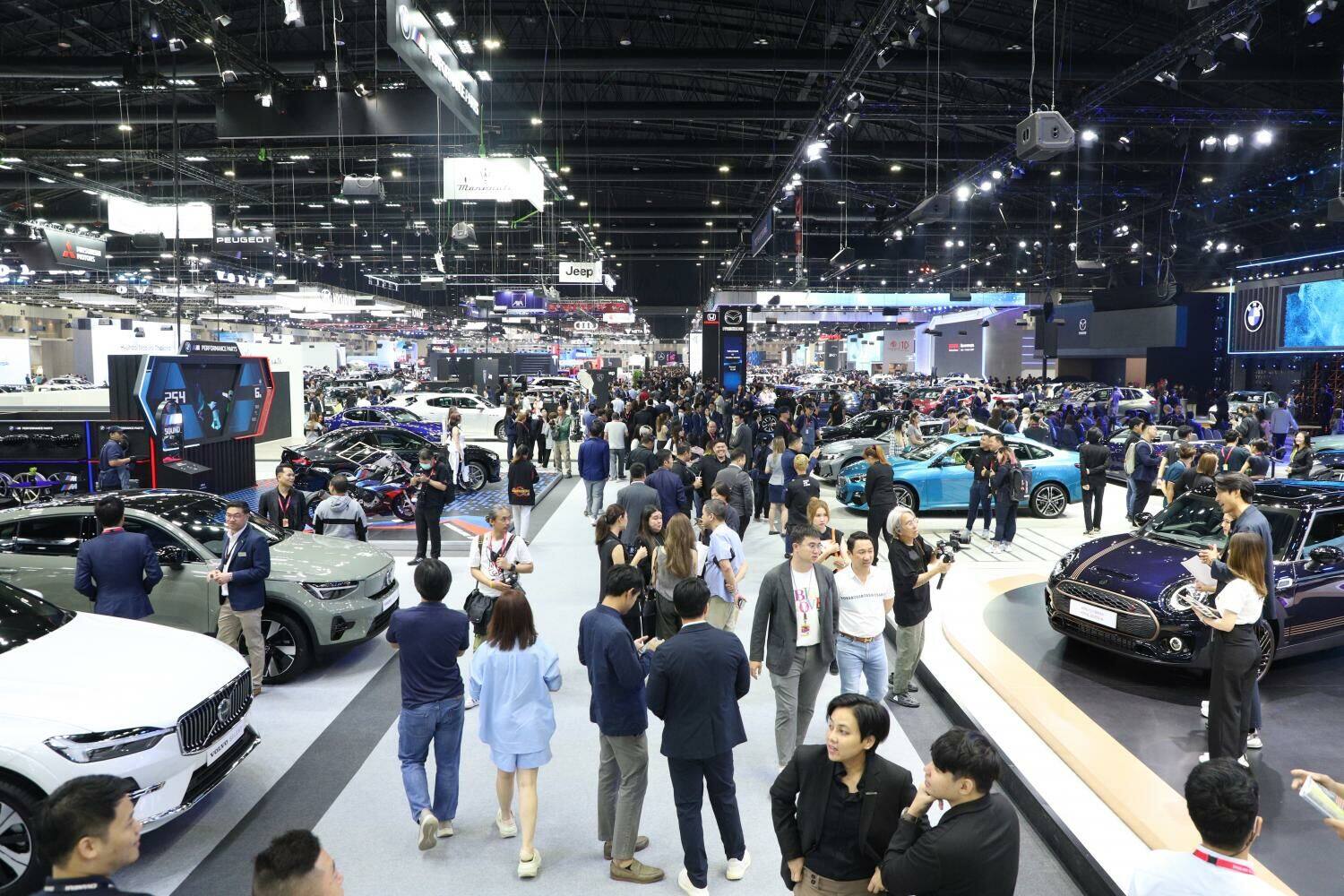
The current automobile import policy in Iraq is relatively loose, with zero tariff preferences for Chinese used cars, and the conventional import tariff rate remains in the range of 8% -10%. However, this policy environment is about to undergo significant changes. The Central Standardization and Quality Control Authority of Iraq announced that it will enforce "special specifications" based on the Gulf Standardization Organization starting from early 2026. The new regulations will cover all vehicles except electric and hybrid vehicles, including stock vehicles that have entered the Iraqi market by 2025.
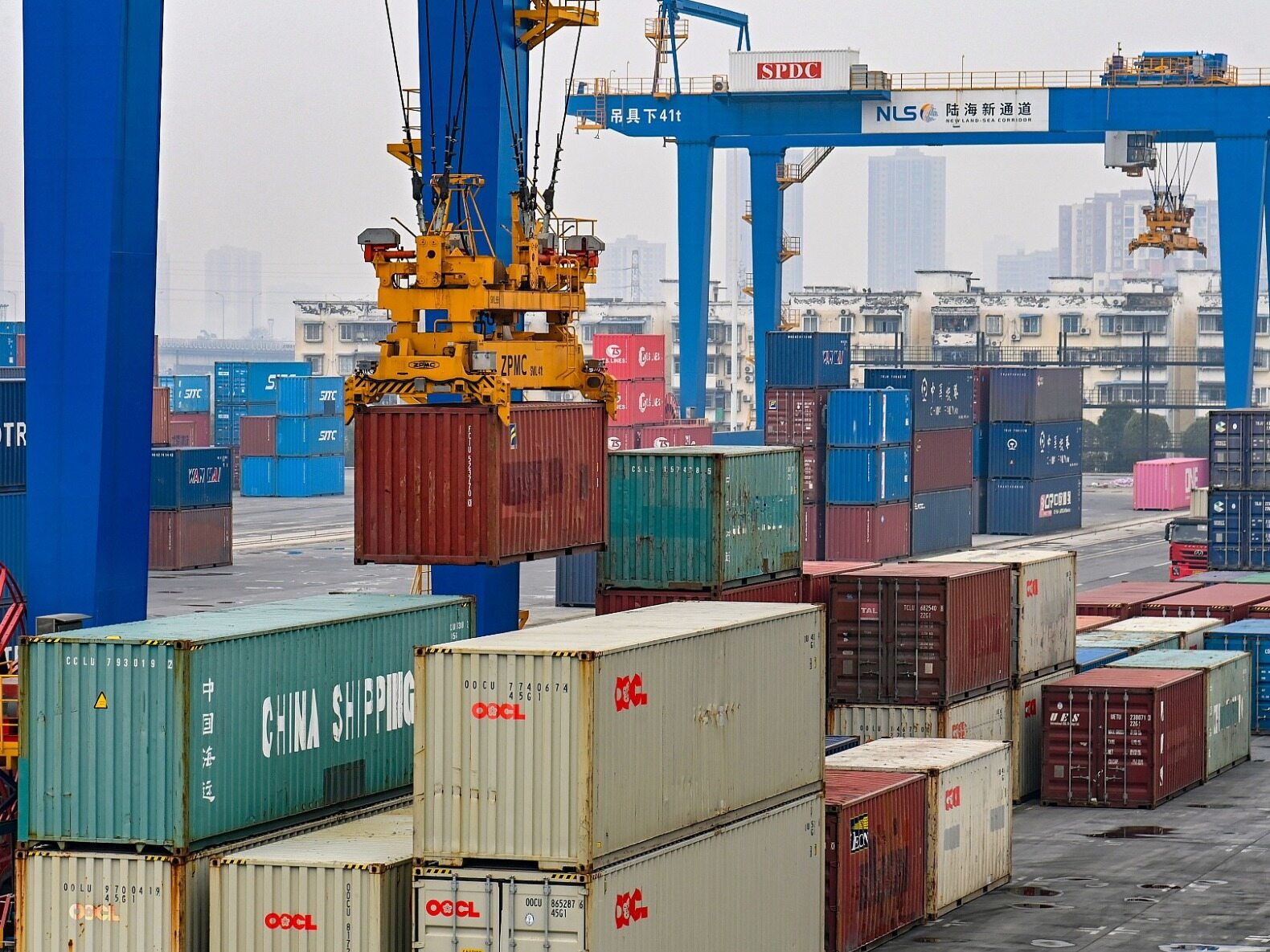
Exporting to Iraq requires a strict certification process, which mainly includes three documents: import license, certificate of origin, and certificate of conformity (CoC). Among them, the validity period of the import license varies depending on the nature of the enterprise: 4 months for private enterprises, and up to 12 months for other enterprises. The certificate of conformity must be issued by an authorized certification body in Iraq and is a necessary document for customs clearance.
Despite facing multiple challenges such as policy adjustments in 2026, age restrictions for used cars (must be less than 2 years), competitive advantages of Japanese and Korean brands in the high-end market, and local inflationary pressures, electric and hybrid vehicles are currently not subject to new regulations, providing important market opportunities for Chinese new energy vehicle companies. Whether the layout can be completed within the policy window period will be the key to the long-term development of Chinese car brands in the Iraqi market. Editor/Yang Beihua
Comment





 Praise
 Collect
 Comment

 Share
Share


Write something~