 Search


- A knockout round based on new rules has begun, and the industry is about to reshuffle
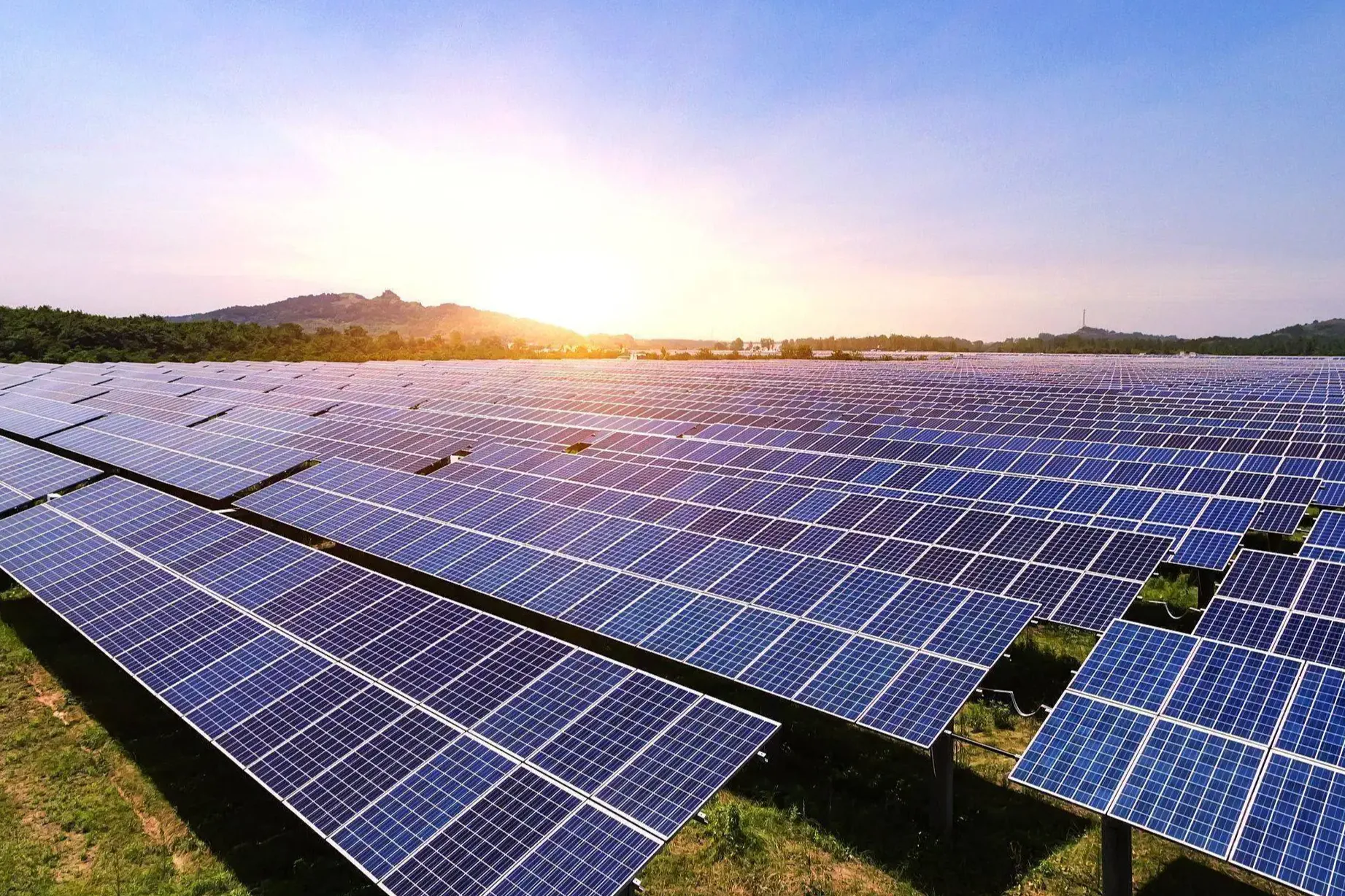
Once upon a time, the Chinese photovoltaic industry, with its scale and speed, wrote a legendary "wild growth" that surged forward. However, as the industry overcame the "green miracle" of an average annual growth rate of over 50% during the 14th Five Year Plan period, it had to face the harsh winter of overcapacity and intensified internal competition. This is not the end of the story, but a stage pain that must be experienced in a grand narrative. With the top-level design of the country placing "accelerating the comprehensive green transformation of economic and social development" and "building a new energy system" at the core, the underlying competitive logic of the photovoltaic industry is ushering in a fundamental turning point of calm and deep waters.
During the 14th Five Year Plan period, China's photovoltaic industry created a "green miracle" with an average annual growth rate of over 50%, but also planted hidden concerns of overcapacity and intensified internal competition. The current industry feels cold, but this is only a temporary pain in the grand narrative. With the Fourth Plenary Session of the 20th Central Committee of the Communist Party of China setting the tone of "accelerating the comprehensive green transformation of economic and social development" and "building a new energy system", the underlying competitive logic of the photovoltaic industry is ushering in a fundamental turning point.
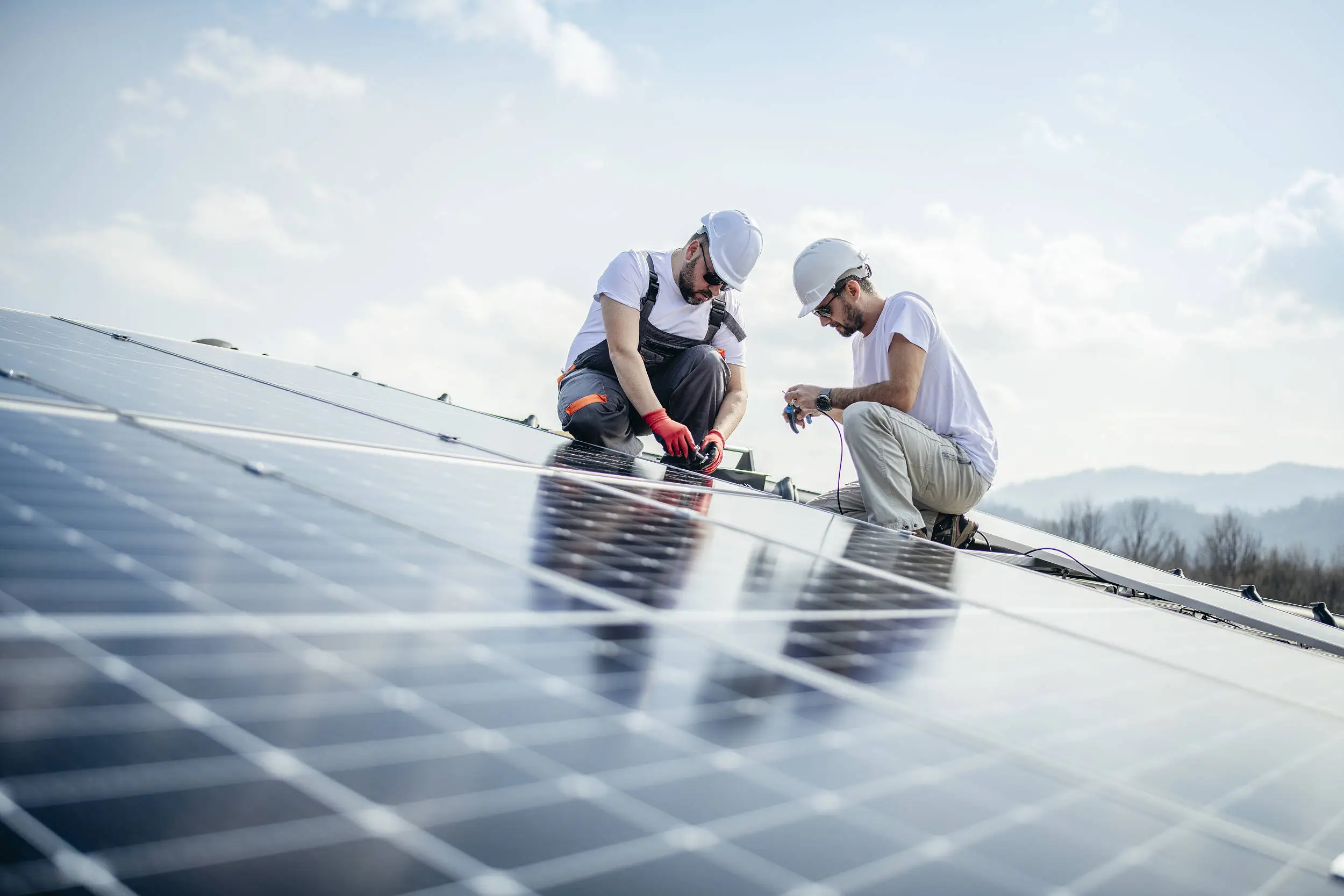
Policy oriented transformation: from "installed capacity" to "system value"
The 15th Five Year Plan clearly indicates that the core of the national energy strategy has shifted from simply "expanding installed capacity" to "building a new type of power system centered on consumption". This means that policy dividends are no longer universally applicable to all production capacity, but are precisely targeted towards participants who can provide "certainty" for the stable and efficient operation of the energy system.
The identity of photovoltaic manufacturing enterprises must transform from a single "product supplier" to a "system capability supporter". The focus of competition has shifted from "single watt cost and efficiency" to "system wide value contribution", including grid friendliness, consumption capacity, synergy with energy storage, and green management throughout the entire lifecycle.
Triple Upgrade of Enterprise Competition Logic
Moving the focus of product value upward: The future competition will be the competition for integrated solution capabilities of "components+inverters+energy storage+intelligent operation and maintenance". Whoever can help the power grid smoothly connect to volatile green electricity and improve the profitability of the entire lifecycle of the power station will receive both policy and market favor. 2. Manufacturing logic reconstruction: Ultimate cost is no longer the only pursuit. Green manufacturing has become a hard indicator, and the combination of political and economic attributes such as carbon footprint, supply chain security, and localization rate will directly determine the market access and financial resource acquisition capabilities of enterprises. 3. Changes in financial logic: The business model has shifted from selling components with a "one hit deal" approach to a stable cash flow model based on long-term service contracts, power purchase agreements (PPAs), and operational revenue. Capital's preference will shift from pursuing expansion scale to favoring assets and business models that can provide 'deterministic returns'.
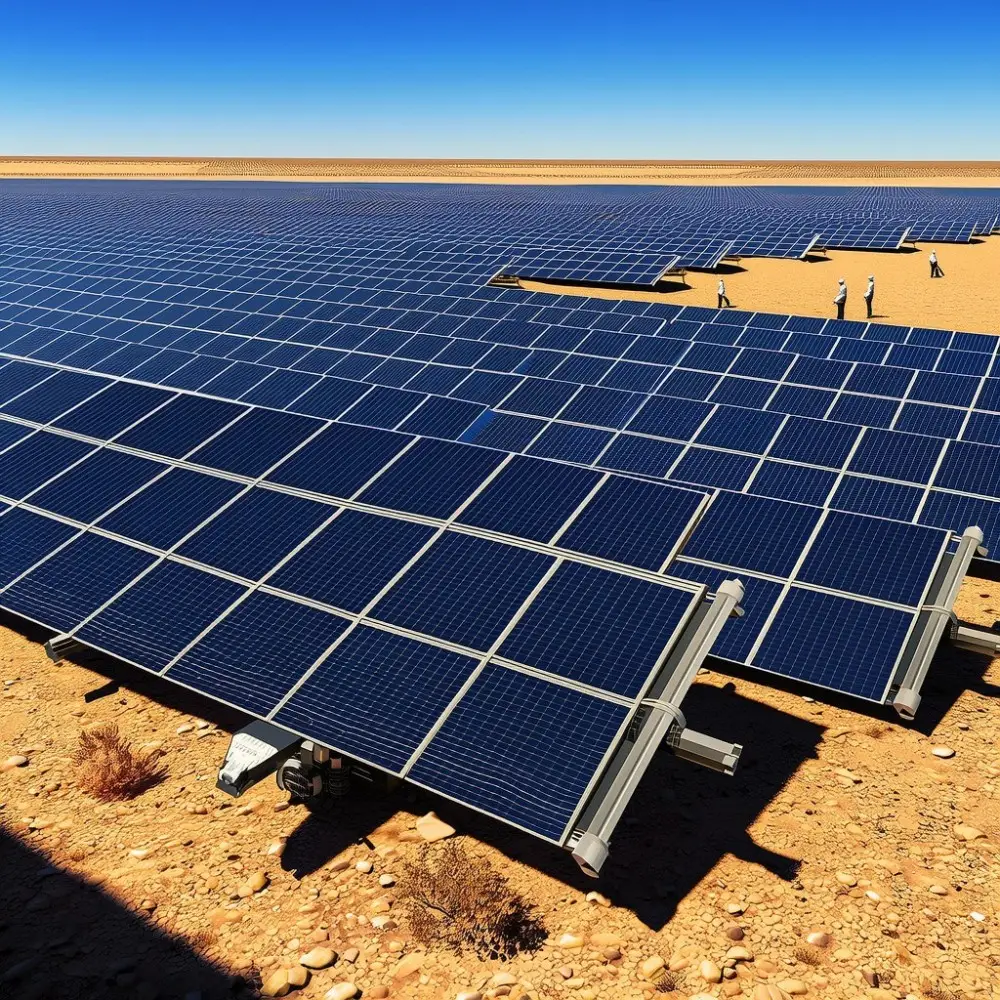
The Way of Survival: From "Passive Manufacturing" to "Active Integration"
In this context, photovoltaic companies must complete four "proactive" transformations:
·Actively participating in the construction of the energy system: no longer just an observer or a simple supplier, but actively building "source grid load storage" demonstration projects with the power grid and power generation groups, defining product standards from the source of system design. ·Proactively restructuring the green supply chain: accelerating the certification of zero carbon factories, making carbon footprint data transparent, and transforming green manufacturing into tangible credit incentives and ESG rating advantages. ·Proactively developing a "deterministic" product package: packaging hardware, software, and financial tools to deliver not individual components to customers, but predictable and stable green cash flows. ·Proactively connect with policy windows: deeply understand the national and local consumption policies and green finance standards, deeply link enterprise strategies with the construction of the national energy system, and transform policy certainty into development certainty. Keywords: Photovoltaic New Energy, Photovoltaic New Energy News, Photovoltaic New Energy Information
In summary, the 15th Five Year Plan has clearly marked a watershed, and the photovoltaic industry is transitioning from a passionate but somewhat disorderly "adolescence" to a "mature period" emphasizing collaboration and sustainable development. The old elimination rounds revolved around "scale" and "cost", while the new game rules are deeply marked by "system value", "green genes", and "depth of integration". This historic turning point has arrived, which requires every participant not only to have the hard power of technological innovation, but also to have the foresight and wisdom to perceive trends and actively integrate into the system. Only in this way can we overcome the fog of cycles, stand out in this new competition, and become the protagonist leading the future energy landscape. Editor/Xu Shengpeng
Comment




 Praise
 Collect
 Comment

 Share
Share


Write something~