 Search


- After the project is put into operation, it is expected to increase the annual transportation volume by 80 million tons
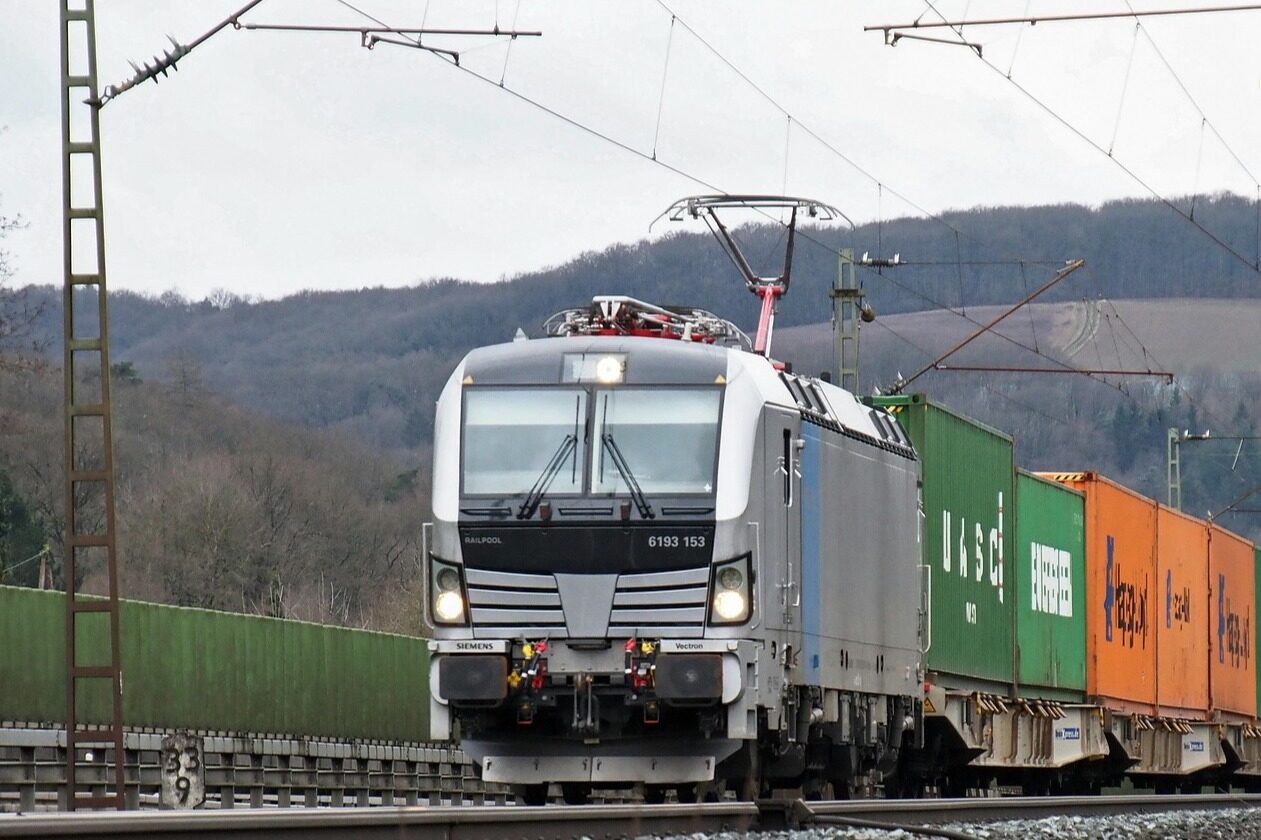
In the critical period when the the Belt and Road Initiative has entered a new stage of high-quality development, infrastructure connectivity is becoming an important engine for deepening regional cooperation and unblocking the domestic and international dual cycle. As the main node city of the the Belt and Road New Eurasian Continental Bridge Economic Corridor and the strategic fulcrum of maritime cooperation, Qingdao continues to expand the land radiation channel relying on its port advantages.
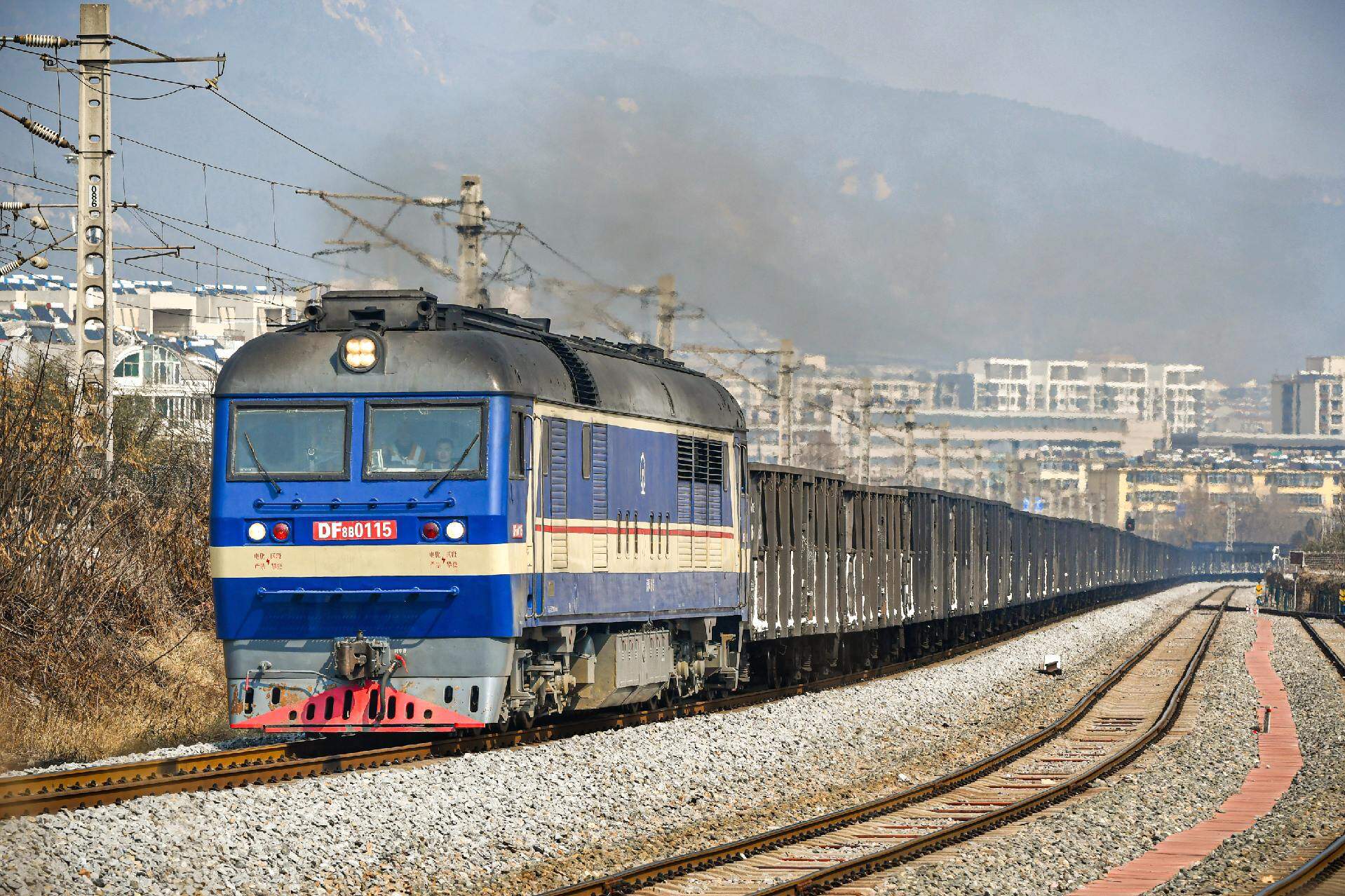
On December 3, 2025, the Dongjiakou Wulian Railway and Jiaoxin Railway Capacity Expansion and Reconstruction Project, with a total investment of 18.31 billion yuan, started bidding, marking that this key channel supporting the two-way opening of the the Belt and Road is about to enter the substantive construction stage, which will inject new momentum into the coordinated development of the Shandong Peninsula urban agglomeration and the hinterland along the Yellow River.
Build a new channel for 80 million tons of collection and distribution transportation
As a key project in the national 14th Five Year Plan for railways, the expansion and renovation project of Dongjiakou Wulian Railway and Jiaoxin Railway will build 62.22 kilometers of new railways and carry out the construction of a second line renovation on 133.10 kilometers of existing lines. After the completion of the project, it will completely unblock the railway transportation bottleneck to the west of Dongjiakou Port Area in Qingdao Port, forming a backbone network connecting the Wari Railway and Yanshi Railway. It is expected that in the long term, it can add about 80 million tons of railway collection and distribution capacity to the port annually. This will not only effectively alleviate the pressure of road transportation, but also extend the service radius of Qingdao Port to the core hinterland of the Yellow River Basin such as the Central Plains and Northwest through the multimodal transport system of railway and port, truly realizing the inland radiation of the seaport function.
Six sections are advancing synchronously
This bidding will divide the project into six construction sections, systematically promoting the construction of key projects such as roadbeds, bridges, tunnels, and stations. Among them, the DWSG-1 section will focus on the Dongjiakou South Station hub renovation project, build a new Qingyan Railway connection line, and achieve organic connection between the port area railway and the national trunk railway network; The Zhigou connecting line constructed in the DWSG-3 section will become a transfer hub connecting the newly built line and the Jiaoxin Railway; The Linyi area connecting line project implemented in the DWSG-6 section will open up a cross line channel with the Yanshi Railway, forming a transportation corridor that connects southern Shandong and central China. Ten new super large bridges will be built along the entire line, with the longest tunnel reaching 5.78 kilometers. Advanced technologies such as prefabricated simple supported T-beams and ballastless tracks will also be widely applied during construction.
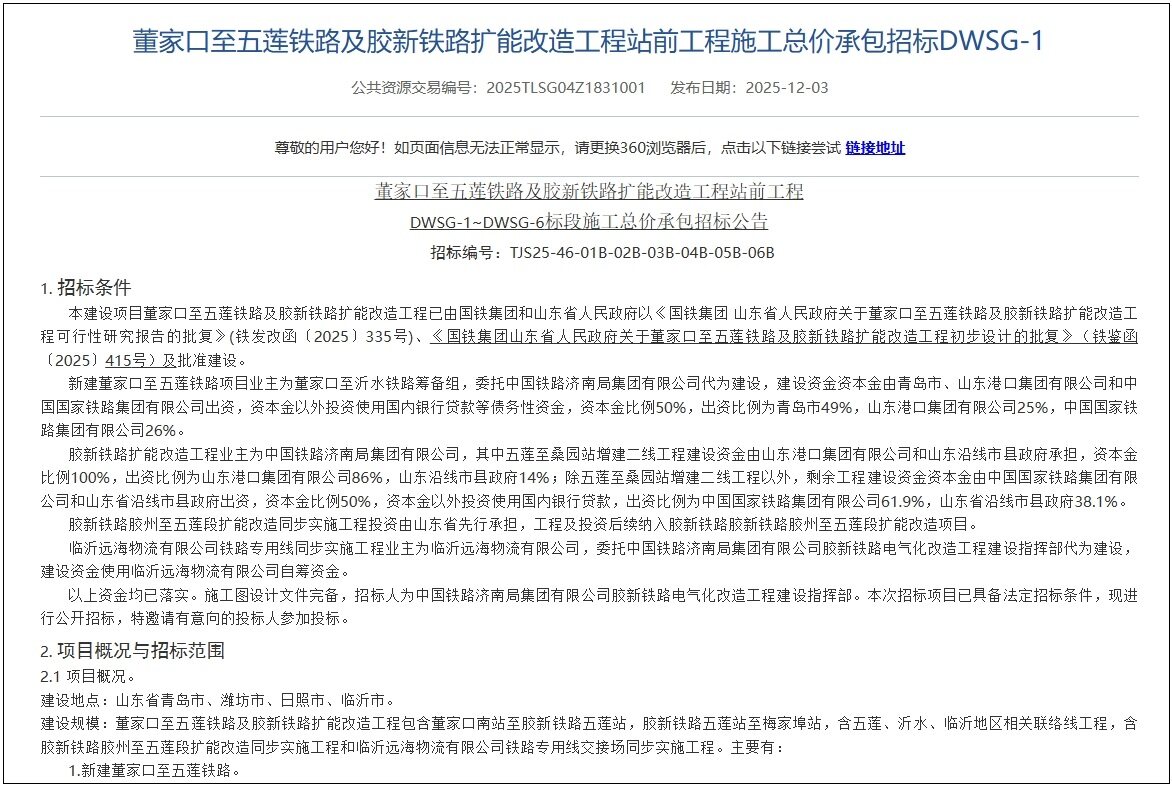
Strengthen land sea linkage of the the Belt and Road
The project is not only a major project to optimize the regional transportation network, but also a strategic infrastructure to serve the construction of the the Belt and Road. The efficiency of land sea intermodal transport along the the Belt and Road along the Yellow River will be effectively improved by strengthening the connectivity between Qingdao Port and the West East Coal Transport Channel of Wari Railway and the North South Coal Transport Channel of Yanshi Railway. In the future, mineral resources from Central Asia, Mongolia and export goods from central and western China can be efficiently gathered to Qingdao Port through this channel, and then sent to countries along the the Belt and Road by sea; Meanwhile, imported materials from Japan, South Korea, and Southeast Asia can also be quickly distributed to the central and western regions. This linkage model of port+railway+hinterland will effectively promote the formation of a new open pattern of land, sea, and domestic linkage, as well as east-west mutual assistance. Keywords: traffic news, engineering construction
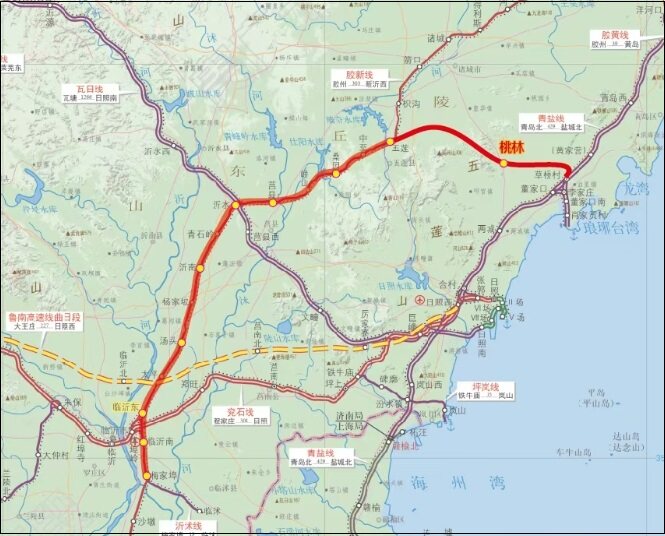
According to the plan, this railway project will officially start construction at the end of December 2025 and be completed and opened to traffic in June 2028. At that time, a railway artery across Jiaodong Peninsula and connecting multiple strategic channels will be fully activated, which will not only lay a solid foundation for Qingdao to build an international comprehensive transportation hub city, but also provide strong support for facility connectivity and smooth trade under the framework of the the Belt and Road, and show Shandong's responsibility in building a new development pattern of services.Editor/Cheng Liting
Comment

 Praise
 Collect
 Comment

 Share
Share


Write something~