 Search


- This underestimated Southeast Asian hotspot is like a piece of raw jade waiting to be carved
- A penetration rate of 0.14% may be a signal of "immature market" for many people, but for long termists, it is precisely the best time for layout
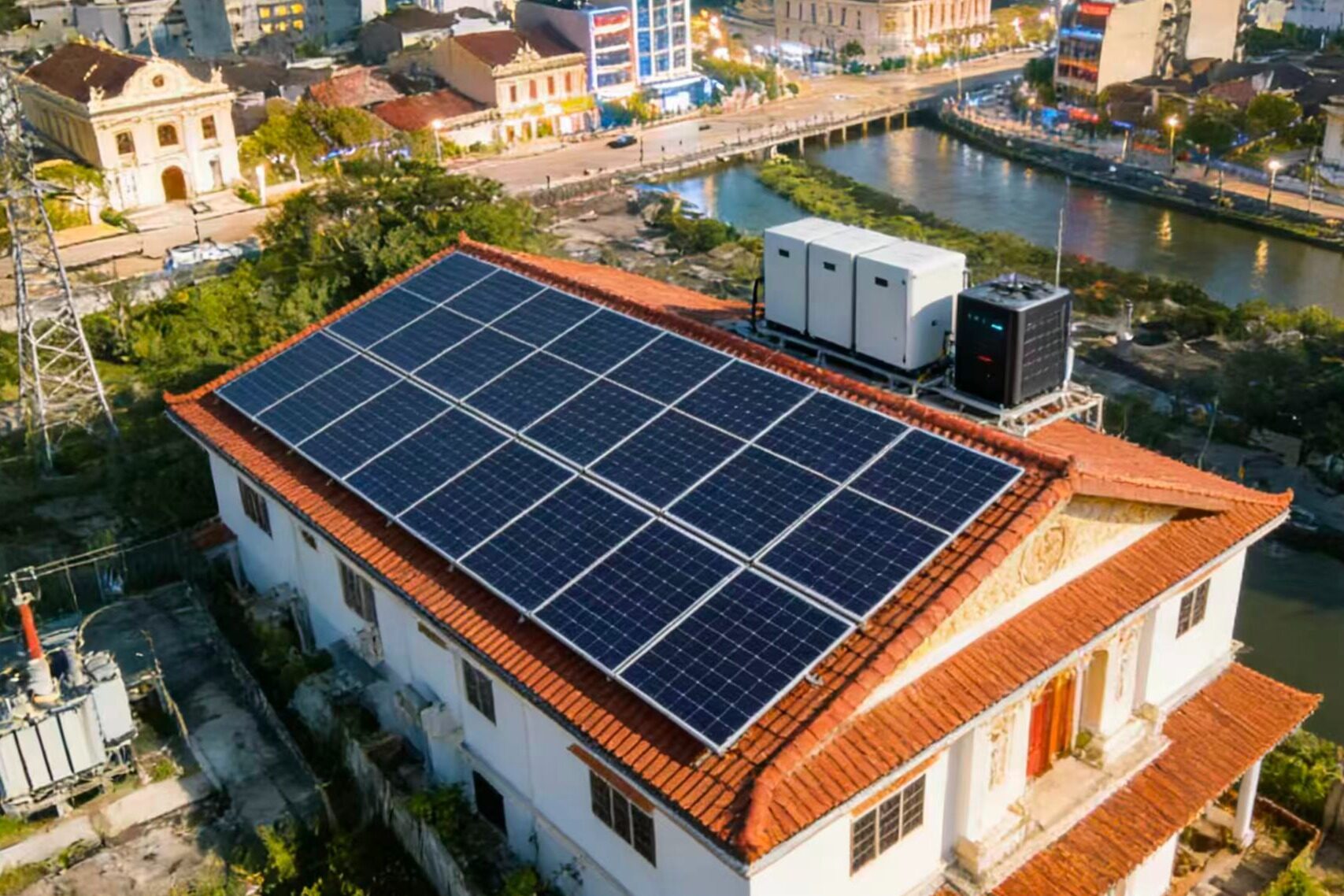
On the eve of the outbreak of the Southeast Asian energy storage market, Malaysia is presenting a highly contrasting development landscape: the penetration rate of household energy storage is only 0.14%, and the number of households installed in the country is less than 12000, making it a "dormant potential stock"; On the other hand, the National Energy Transition Roadmap (NETR) has set a grand goal of 70% renewable energy by 2050. The national energy company TNB has invested $10.1 billion to upgrade the power grid, and policies such as time of use electricity prices and tax reductions have been implemented intensively.
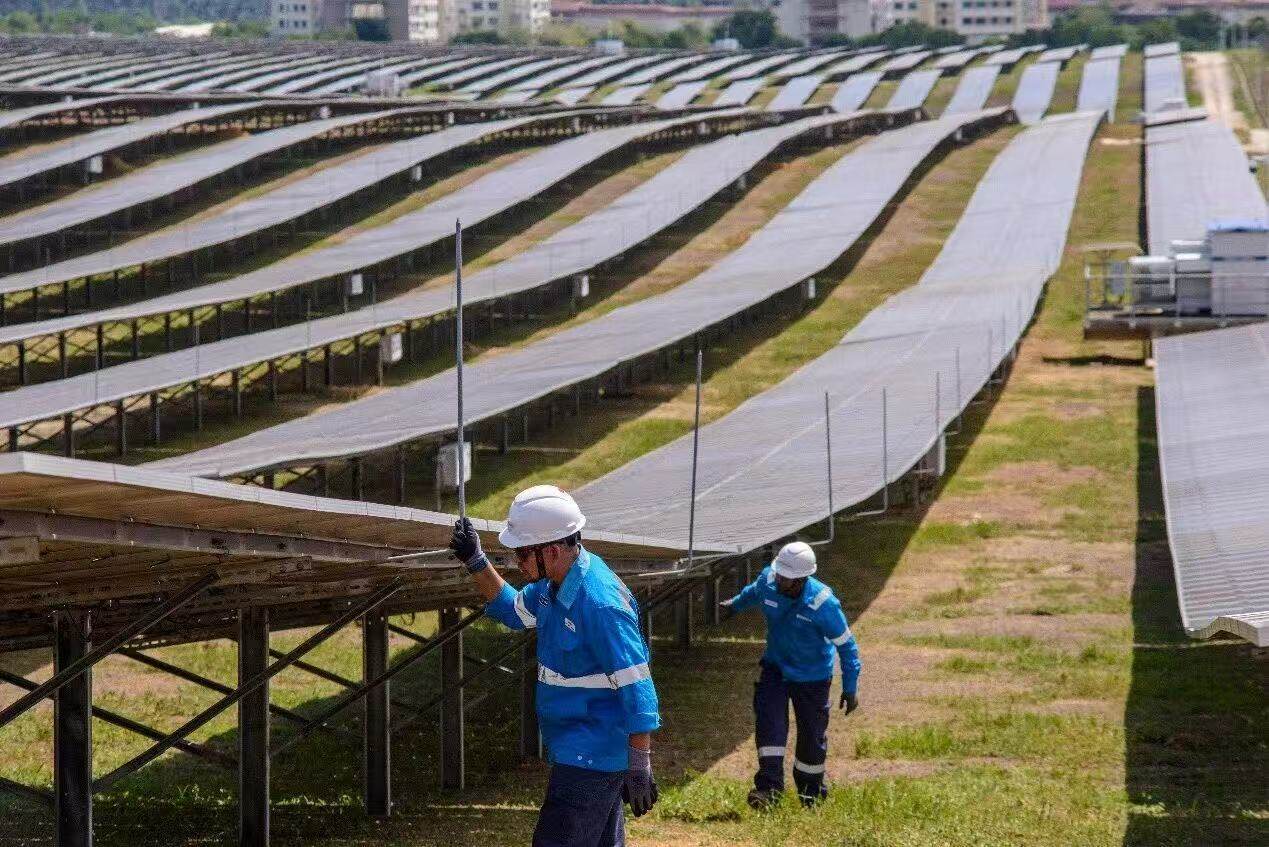
Is this seemingly deserted market a thorny trap or a golden race waiting to be explored? The answer lies in the triple resonance of policy dividends, market demand, and technological iteration.
Photovoltaics first+policy paving the way
The energy storage potential of Malaysia is never a castle in the air, but is built on a solid industrial foundation and clear policy guidance.
As one of the countries with the highest solar irradiance in Southeast Asia, Malaysia has an average daily sunshine duration of about 6 hours and a solar irradiance of 4-5kWh/㎡, which inherently provides superior conditions for the development of photovoltaics and energy storage. By the end of 2024, its photovoltaic installed capacity had reached 2.8GW, achieving its 2025 target one year ahead of schedule. According to NETR's plan, photovoltaic installed capacity is expected to soar to 7GW by 2030 and 57GW by 2050, providing a natural application scenario for energy storage.
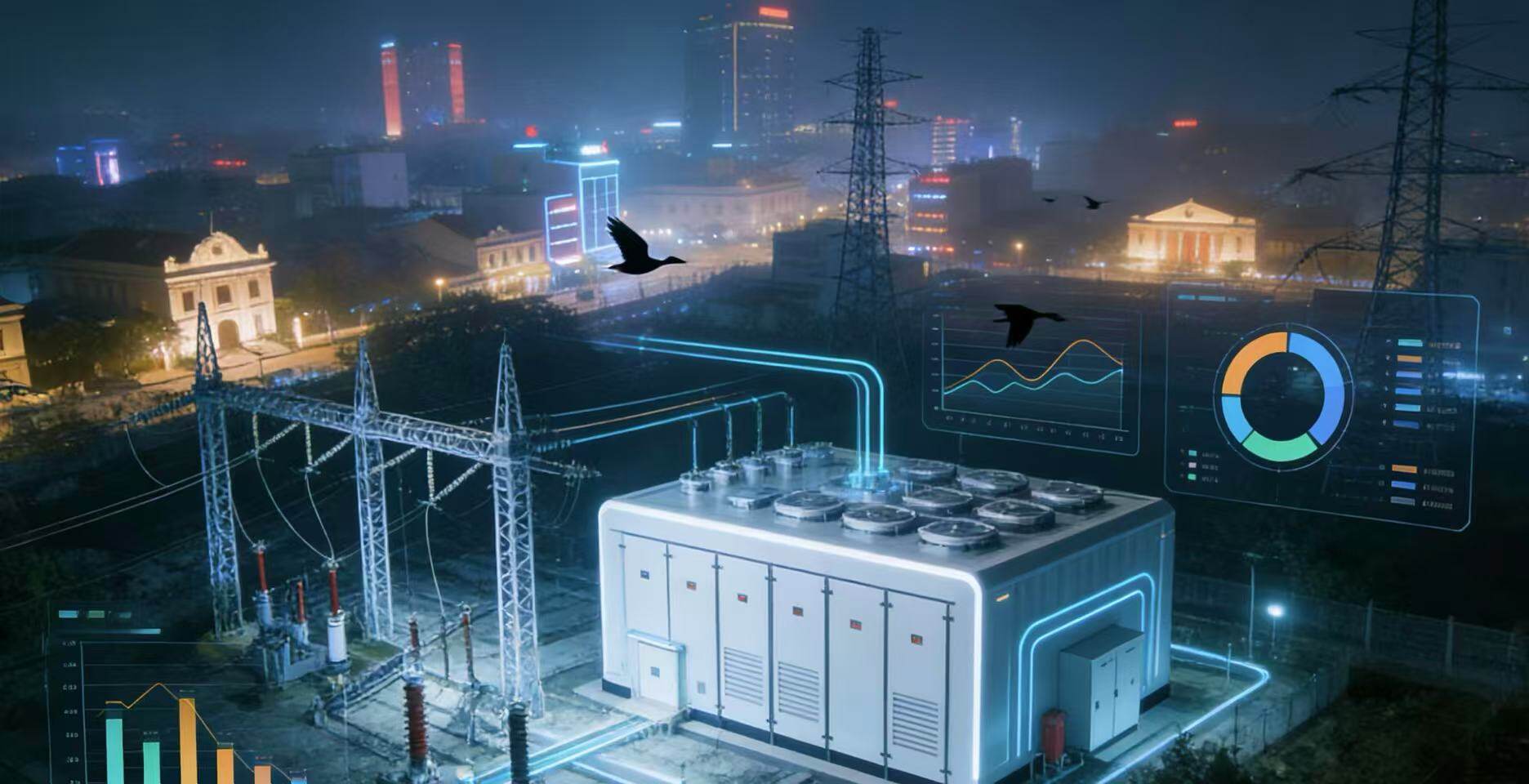
Comprehensively driven by economy, safety, and growth
If the basic conditions are the "key to success", then the combination of multiple core driving forces is transforming Malaysia's household energy storage from "optional" to "mandatory".
Economic breakthrough is the key turning point. After the implementation of time of use electricity pricing, the investment payback period for installing energy storage in high electricity consuming households has been shortened to 5-7 years, and the real electricity cost savings have gradually brought energy storage products into ordinary households. For commercial users, energy storage can not only reduce peak electricity costs, but also generate additional income by participating in grid auxiliary services, further highlighting its investment value.
Industry growth provides long-term support. As the second largest energy storage market in Southeast Asia, Malaysia is on par with Thailand with a compound annual growth rate of 17.45%, far exceeding the regional average of 6.78%. In terms of market maturity rating, its score of 78 is second only to Singapore and the Philippines. The favorable business environment and infrastructure make it a core landing point for international capital to layout energy storage in Southeast Asia.
Four major barriers to screen for true long-term players
Behind the low penetration rate, there are not no barriers, but multiple barriers constitute the "screening mechanism" of the market, blocking speculators and leaving space for prepared enterprises.
Technical certification is the first 'hard threshold'. All energy storage products must pass the mandatory certification of SIRIM, the only national standard organization in Malaysia. They need to go through the entire process of factory inspection, type testing, and supervision and audit, which not only takes 4-6 months, but also costs up to 30000 to 50000 US dollars. Small factories with weak technical strength are simply unable to afford it.
Channel barriers test localization capabilities. The Malaysian market highly relies on local system integrators, who control the entire chain of services from consulting, design, installation to operation and maintenance. If foreign brands cannot establish a win-win cooperation model, it is difficult to reach end users. The reason why Chinese companies such as EVE Energy can quickly penetrate is precisely because they have established factories locally and cooperated with local enterprises to open up channel connections.Editor/Bian Wenjun
Comment




 Praise
 Collect
 Comment

 Share
Share


Write something~