 Search


- Adding a profound humanistic background to this wilderness, it perfectly interprets the artisticnature as paper, civilization as ink"
- In the future, this place may become an open-air theater for concerts and theatrical performances, allowing the millennium old ruins to once again resound with human fireworks
At the intersection of Türkiye's Aegean Sea and Anatolia's hinterland, there is a city - U š ak, which is not only engraved with the code of civilization, but also leads the modern innovation. It is a civilization station on the "King's Road", witnessing the rise and fall of Phrygia and Lydia to Rome and Byzantium; It is also Türkiye's well deserved "First City", lighting up the dawn of modernization with countless "national initiatives". Nowadays, there is not only a new archaeological chapter of the ancient city dating back 2000 years, but also the magnificent world's second largest canyon. The handmade carpets are intertwined with Ottoman style, and the aroma of street food is infused with the taste of time, allowing every visitor to touch the resonance between history and the present.
New Chapter in Archaeology: The 2000 Rome Stadium Awakens Memories of the Ancient City
The history of Ushak is never a dusty pile of paper, but a living legacy that continues to grow. The ancient city of Blaundos, located 40 kilometers from the city center, is a "natural fortress" built during the Hellenistic period for Alexander the Great's garrison. It is shaking the world with its latest archaeological discoveries. In the ongoing excavation work in 2025, a 140 meter long and 37 meter wide Roman sports stadium has been unveiled, and its location adjacent to the bathhouse complex confirms the prosperity and splendor of the ancient city at that time.
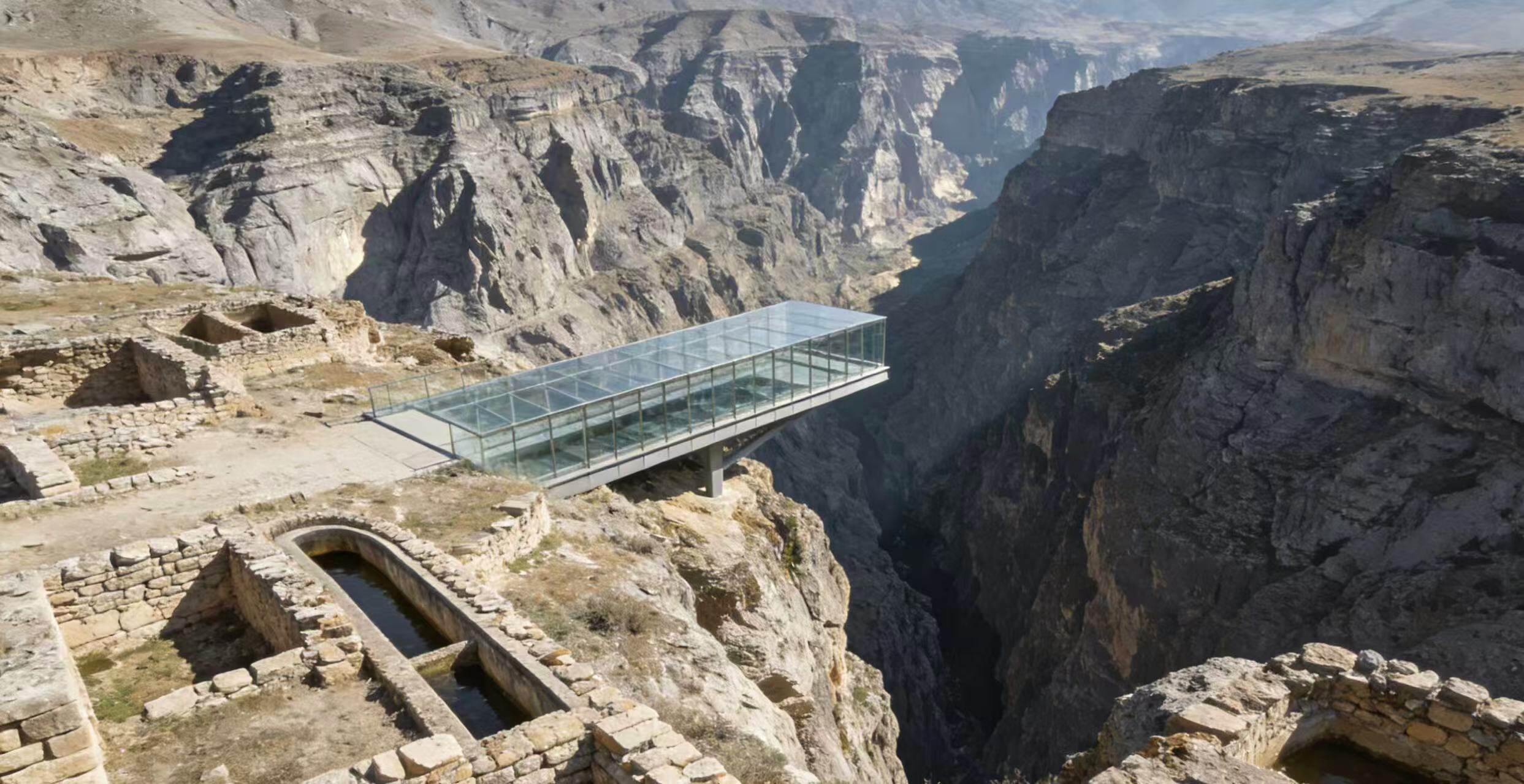
This ancient city, surrounded by steep valleys in the Urubei Gorge, harbors too many cultural imprints: nine well restored Roman aqueducts span the valley, the layout of the Temple of Demeter remains intact, the colonnade streets retain the warmth of Roman and Byzantine bricks, and the rock carved tombs and three Stonehenge like standing stones on the canyon slopes silently speak of the faith and wisdom of ancient people. Since it was included in Türkiye's "future heritage" plan in 2018, the endless excavation throughout the year has enabled the ancient city to unlock new secrets. In the future, it may become an open-air theater for concerts and theatrical performances, and let the millennium ruins resound again.
Natural epic: billion year carving of canyons and valleys
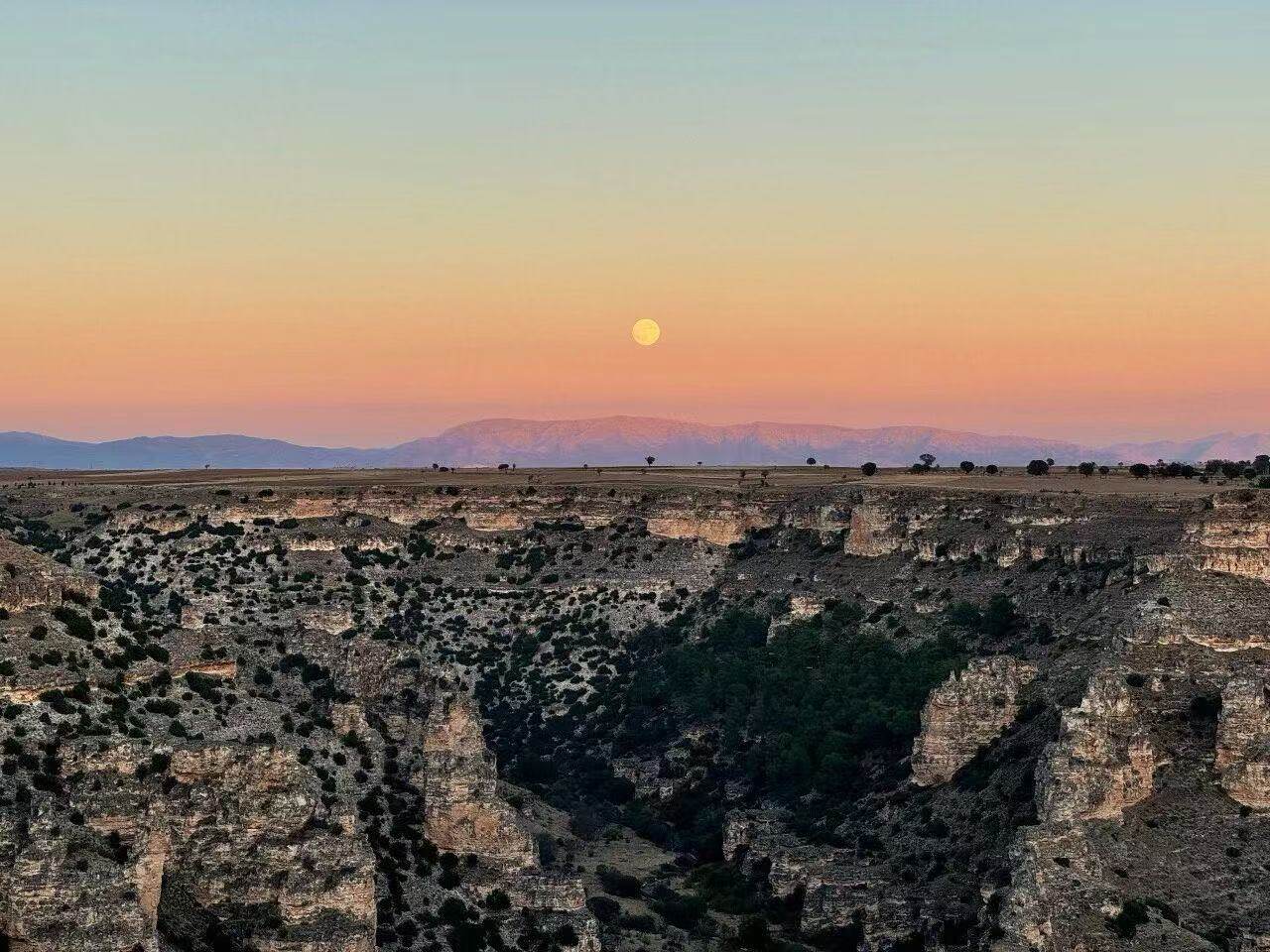
If the ancient city is a human epic, the natural landscape of Ushak is a masterpiece of the earth. The Urubei Canyon, located 33 kilometers from the city center, is known as the "second largest canyon in the world" for its deep and steep terrain. Standing on a suspended glass observation deck, with towering cliffs at your feet and winding river water in the distance, the whistling of the wind passing through the canyon is like the aftermath of billions of years of geological movement. What's even more amazing is that natural wonders and cultural relics coexist here, with ancient waterways and cave ruins hidden deep in the canyon. During the hike, you may encounter fragments of civilization from two thousand years ago at any time.
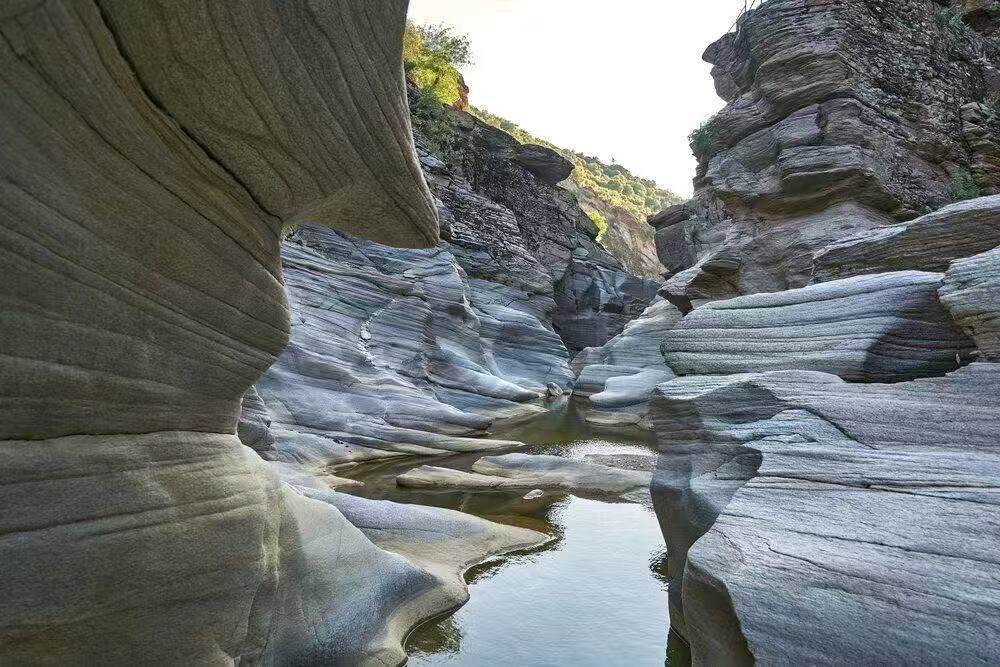
Driving 45 kilometers towards Izmir, the Tashilan Valley presents another geological wonder - thousands of years of water flow and wind carving have formed unique folds and textures in the rocks here, and rare plant communities are rooted in the crevices, becoming a paradise for hiking and photography enthusiasts. The Krandras Aqueduct, spanning the Banaz River, is a water miracle of the Phrygian period 2500 years ago. The stone arches shine with a warm luster in the sunlight, adding a heavy humanistic background to this wilderness and perfectly interpreting the artistic conception of "nature as paper, civilization as ink".
Craftsmanship and Fireworks: Inheritance between Longitude and Longitude, Nostalgia on the Tongue
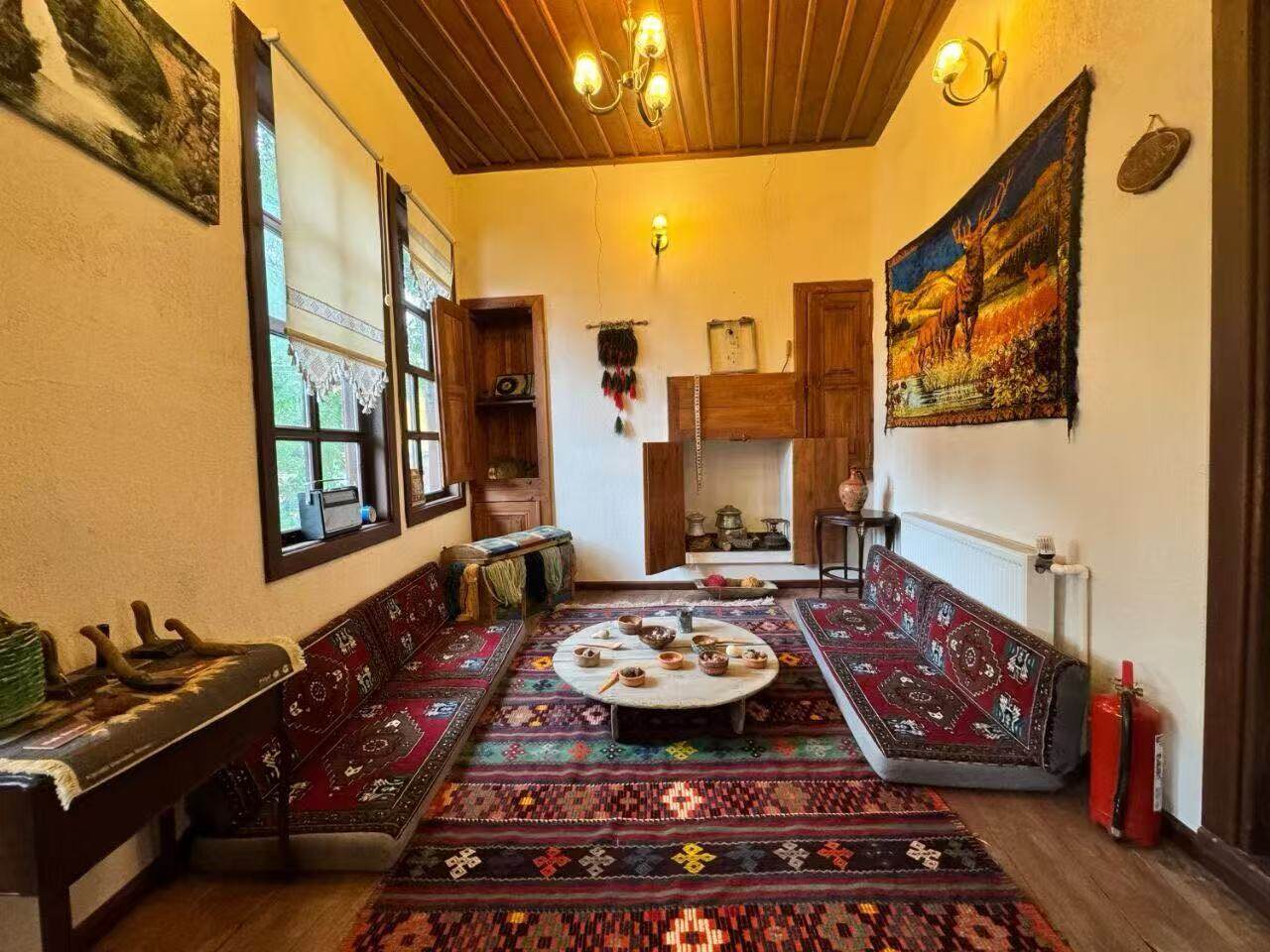
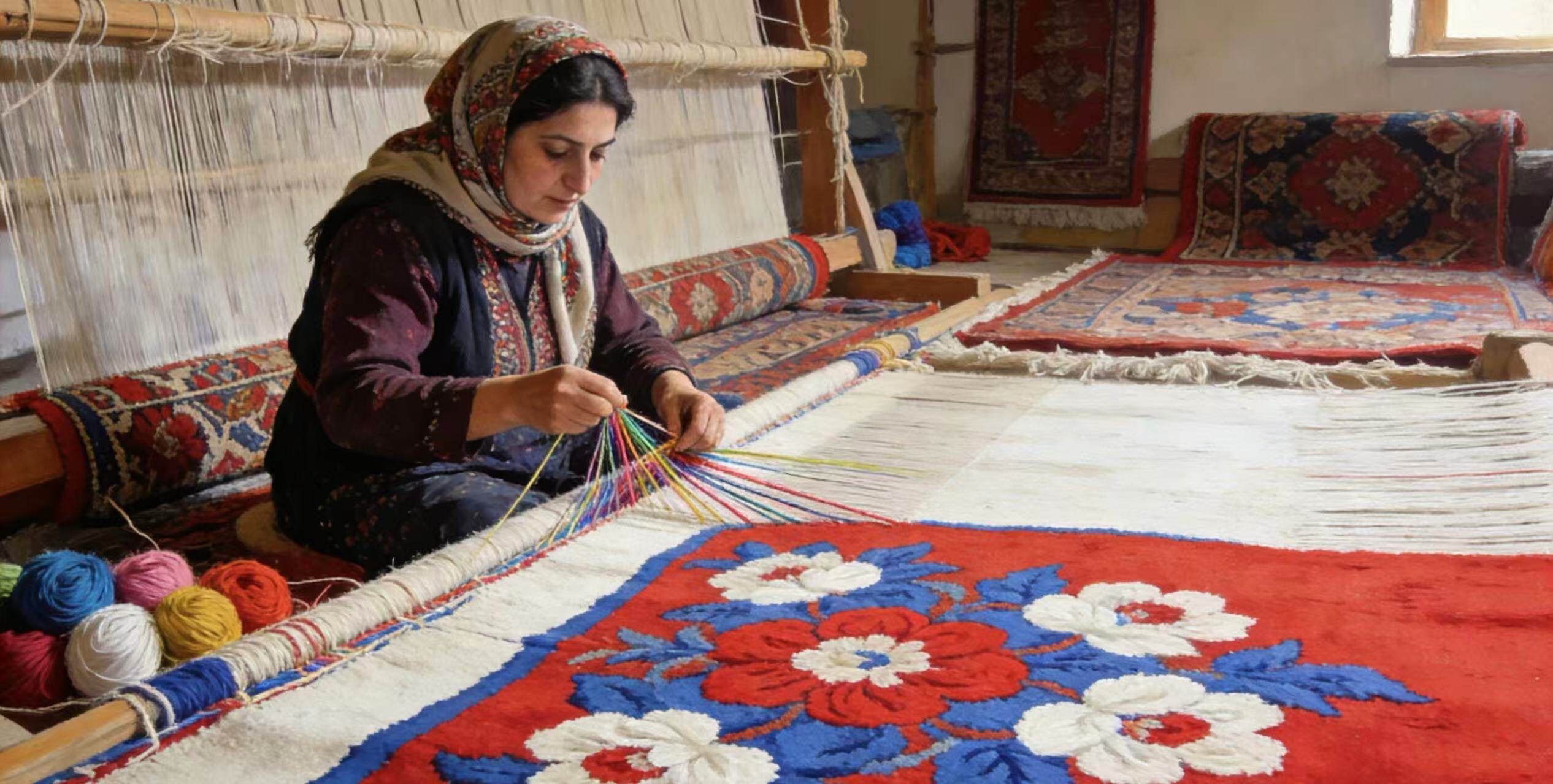
The charm of Ushak lies in the warmth of his fingertips and the taste of his tongue. Since the 15th century, this has been the carpet weaving center of the Ottoman Empire. The Ushak carpet, with its unique floral patterns, classic red, white, and blue color schemes, and exquisite hand knotting techniques, has become a collection of European aristocratic palaces and global museums. The Safavid medal scheme integrated in the 16th century has also made it a fabric carrier for the fusion of Eastern and Western cultures. Nowadays, in local workshops, the weavers still use traditional processes such as spinning, dyeing, and knotting to weave natural elements and ancient totems into the warp and weft. Each carpet is meticulously crafted over several months.
The memory of taste buds also spans thousands of years. The richness of Tahana soup, the richness of liver Burgur rice, the freshness of yogurt jelly, and the richness of Horchimerim cheese desserts, each dish carries Anatolian dietary wisdom. The annual "Yalun Night" cultural event pushes this tradition to a climax - dancers wearing Boshu scarves dance to folk music, and the melodies of folk songs are intertwined with the aroma of street food, allowing tourists to understand the cultural genes of Ushak in a dual feast of taste and vision.
The 'First City': The Millennium Gene of Daring to Be the First
The reputation of Ushak as the "number one" is never accidental. In 1909, it became the first city in Türkiye to light up electric lights; In 1926, the country's first joint-stock company and the first textile factory were born here one after another. The first sugar factory founded by Nuri Bey foreshadowed Türkiye's industrial development; In 1898, the Afiyon Izmir railway was opened, making the city a transportation hub; In 1953, the first children's library in Türkiye was completed here, allowing the light of knowledge to illuminate childhood; Even the first official event of traditional equestrian "Jared" (polo) has chosen to be held on this land.
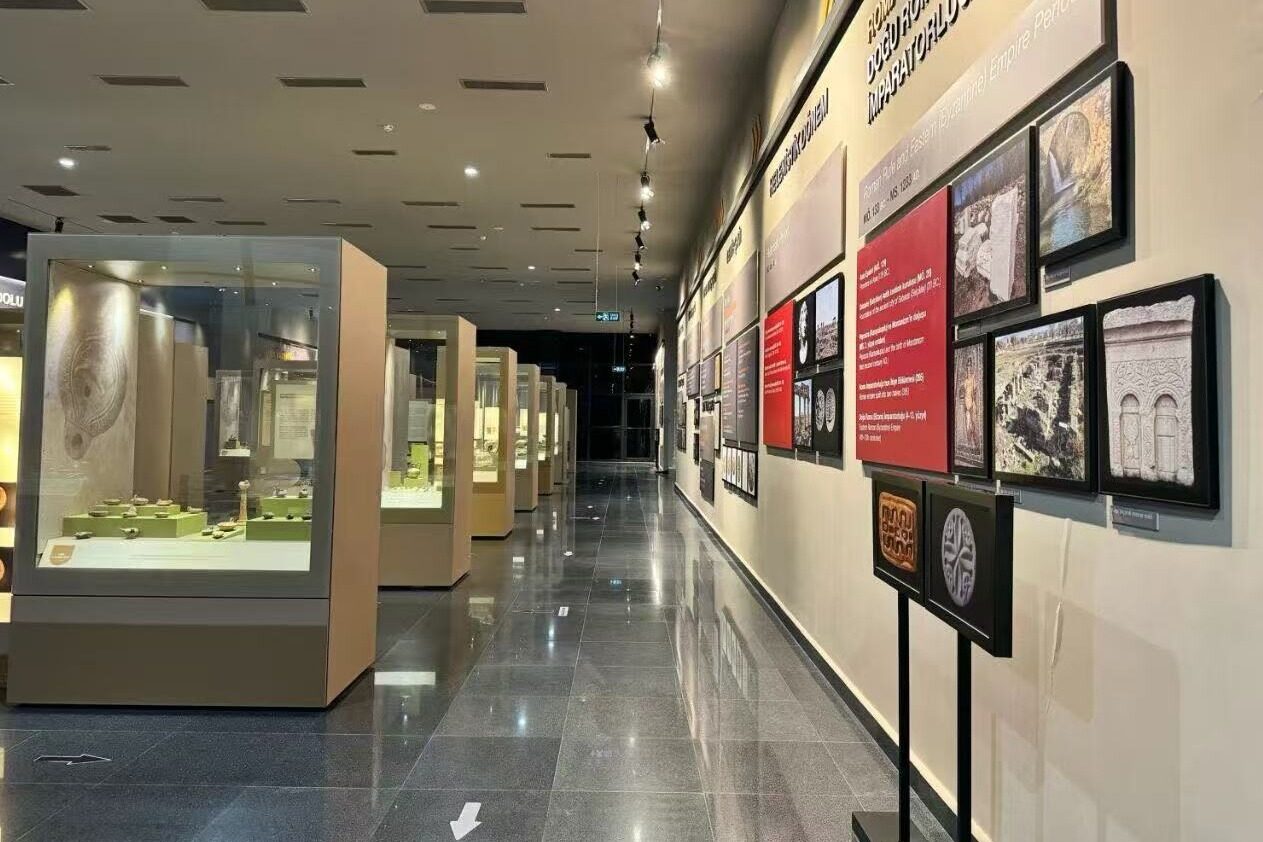
These 'firsts' connect the modernization trajectory of Ushak, and now the city is writing a new legend through the integration of culture and tourism: camping and admiring the moon in the ancient city of Brandos, watching the starry sky and historical sites complement each other; Experience off-road driving and motorcycle exploration in the Urubei Canyon, allowing adrenaline to collide with natural beauty; In the archaeological museum, the "winged seahorse brooch" and cultural relics from the Lydia period tell the glorious history of the crossroads of civilization.
From a civilization station to a modern pioneer, from archaeological sites to natural wonders, Ushak has always sought a balance between "inheritance" and "innovation". This Anatolian 'first miracle', with a thickness of a thousand years of history and a warmth that embraces the present, is inviting the world to understand its past, present, and future with its unique charm.Editor/Bian Wenjun
Comment




 Praise
 Collect
 Comment

 Share
Share


Write something~