 Search


- In 1999, the first subway line of Tehran was officially opened, which was the first subway line in the Middle East region
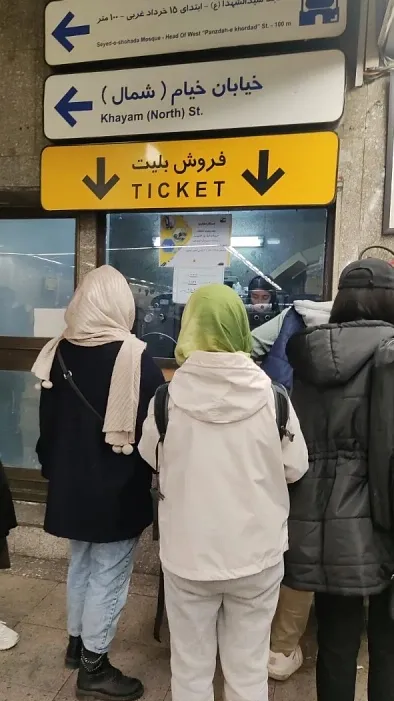
From Line 1 to Line 5, from subway vehicles to mechanical and electrical equipment, Chinese technology runs through the entire process of Iran's subway construction. This steel thread not only shortens the commuting time of Tehran citizens, but also creates a large number of employment opportunities, becoming a model project of infrastructure connectivity under the the Belt and Road framework.
The starting point of cooperation across mountains and seas
Iran's subway dream began in 1970. At that time, the Tehran municipal authorities planned to build an underground railway to alleviate traffic congestion. A French consulting company had participated in the early planning, but the project was shelved twice due to historical events such as the Islamic Revolution. Until the 1990s, the opportunity for China Iran cooperation revived this expectation.
In 1991, former Iranian President Rafsanjani sincerely invited China to participate in the international bidding for the subway project. Chinese companies stand out in competition with giants from countries such as France and Russia due to their reliable technology, favorable prices, and comprehensive solutions. In 1995, China and Iran officially signed the general contracting contract for Tehran Metro Lines 1 and 2, marking the beginning of China's deepening infrastructure development in Iran.
This is an unprecedented technological breakthrough. Unlike traditional aid projects, the Tehran Metro is the first subway line constructed by China to operate on an international commercial scale. There are significant differences between the civil engineering projects left by France and Chinese technical standards, such as insufficient tunnel clearance, steep line slopes, and fixed hole positions, which are known as the global problem of "small holes running big cars". The high temperature and dry climate conditions in Iran impose strict requirements on equipment stability.
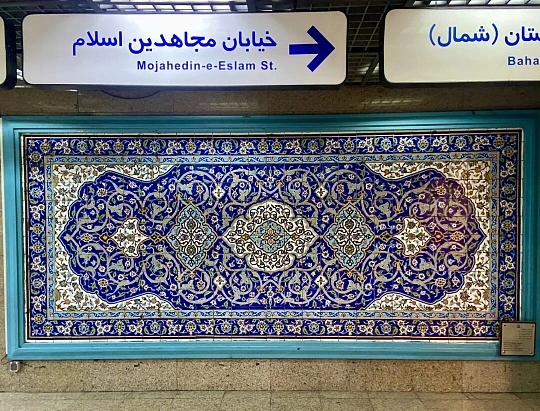
The technological legend of innovative breakthroughs
Faced with numerous challenges, Chinese technicians have innovatively adopted a "research, design, and application" model, developing core technologies such as line adjustment design software and intelligent ventilation and smoke exhaust systems. They set two international and three domestic records, among which the 2.4-meter rail sleeper mold and lower current contact rail system also obtained national patents.
From the opening of the first phase of the project in 2000, to the full completion of Lines 1 and 2 in 2006, and then to the successive completion and operation of Lines 4 and 5, Chinese builders have poured sweat into the monument of China Iran cooperation. The total length of the Tehran Metro has reached 120 kilometers, with 45 stations forming a cross shaped transportation network that transports millions of passengers daily.
For the Iranian people, this subway not only shortens commuting time, but also creates a large number of job opportunities and improves the local rail transit technology and management level. The head of Tehran Metro Company introduced that the subway adopts a standard gauge of 1435 millimeters and has a total of 122 stations, including 12 transfer stations, with a total operating mileage of 220.5 kilometers. The subway broadcast uses Persian and English to announce stations, and each train is equipped with a female only carriage.
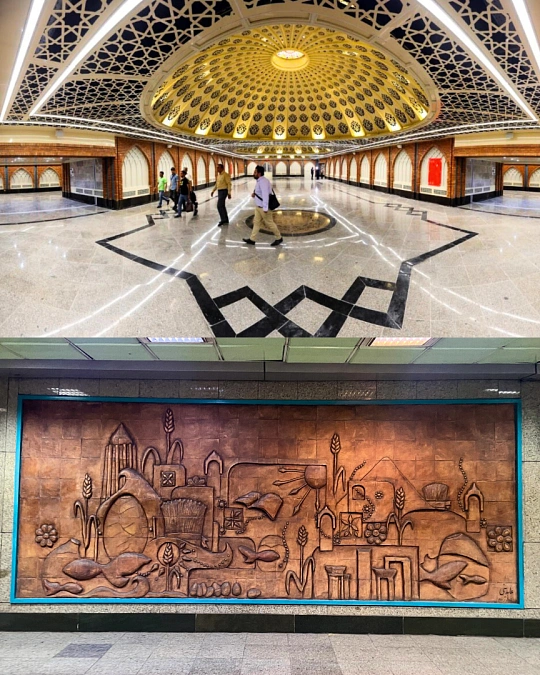
Cooperation model for the output of the entire industry chain
The pace of China's infrastructure construction has never stopped. In 2004, Chinese companies signed a $836 million contract for Line 4; In 2005, the entire passenger section of Line 5 was completed; In 2024, the mayor of Tehran announced the signing of a new contract with Chinese enterprises to introduce brand new Chinese subway trains, further upgrading urban transportation.
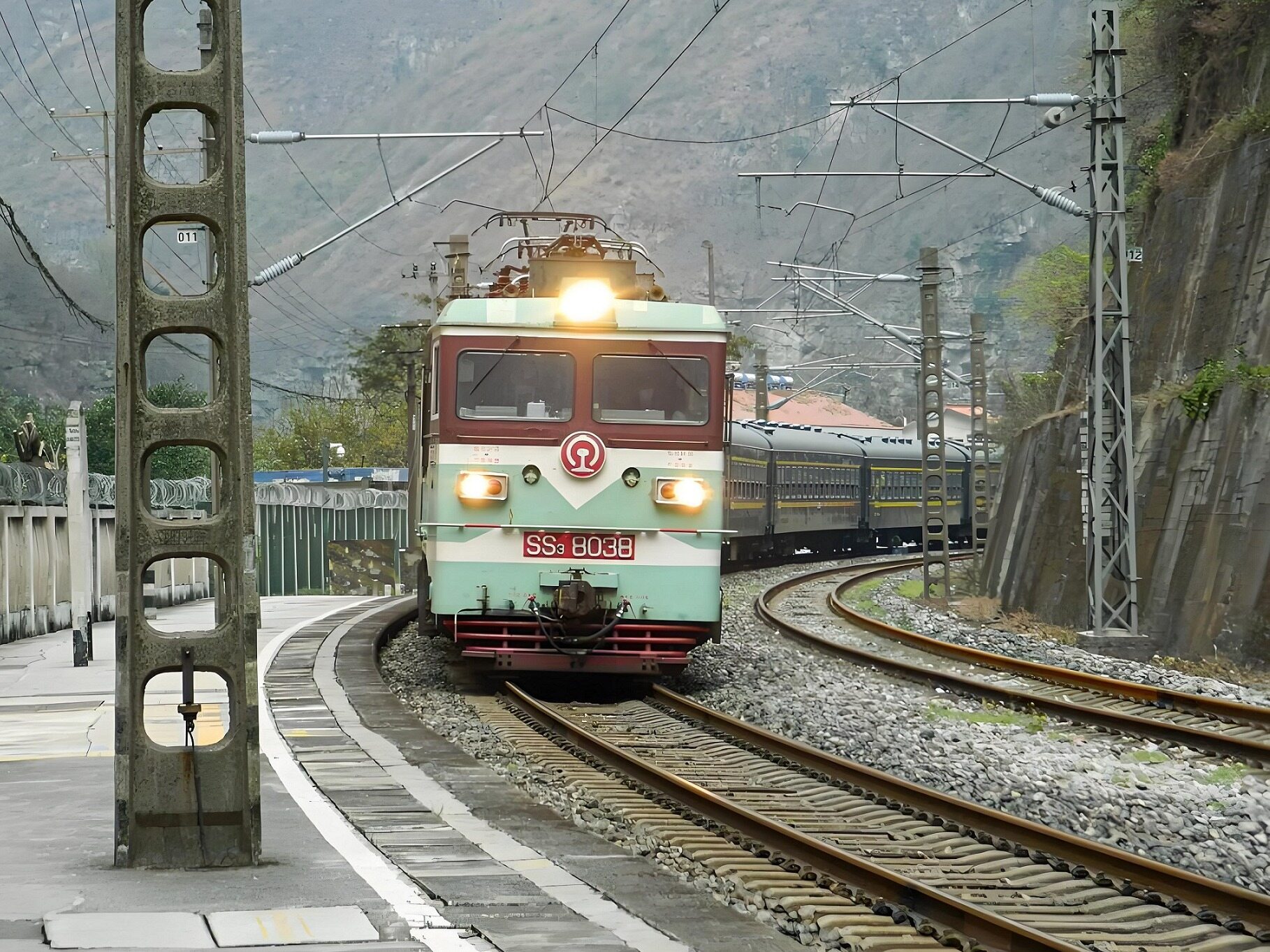
From subway vehicles to electromechanical equipment, from communication signals to intelligent control systems, Chinese technology runs through the entire process of Iran's subway construction. The trains provided by Changchun Bus Factory are safe and reliable, the "nerve center" created by Tsinghua Tongfang realizes equipment automation management and energy-saving control, and the communication signal system of CRRC Group ensures driving safety, forming a cooperative mode of full industry chain output. The success of Tehran Metro is the epitome of the joint construction of the the Belt and Road between China and Iran. Against the backdrop of Western sanctions, China has injected development momentum into Iran with the concept of mutually beneficial cooperation, not only fulfilling the simple truth of "building roads before getting rich", but also building a bridge for mutual learning among civilizations. This underground network not only carries the Iranian people's longing for a better life, but also witnesses the transformation of China's infrastructure from "bringing in" to "going out". Keywords: the Belt and Road news, the Belt and Road information
Teheran Mayor Zakani said, "Jointly building the the Belt and Road initiative to promote connectivity, bring more opportunities to regional and world development, and help the world create a better future." This steel Silk Road will continue to extend, so that the spirit of the Silk Road will shine more brightly in the new era.Editor/Yang Meiling
Comment


 Praise
 Collect
 Comment

 Share
Share


Write something~