 Search


- Dubai has rewritten its geographical destiny with a port, proving that foresight can define a city's future more than resources
- Without abundant oil resources, Dubai has turned its limitations into advantages by building a world-class port and global logistics network, creating a trade capital connecting three continents in the desert
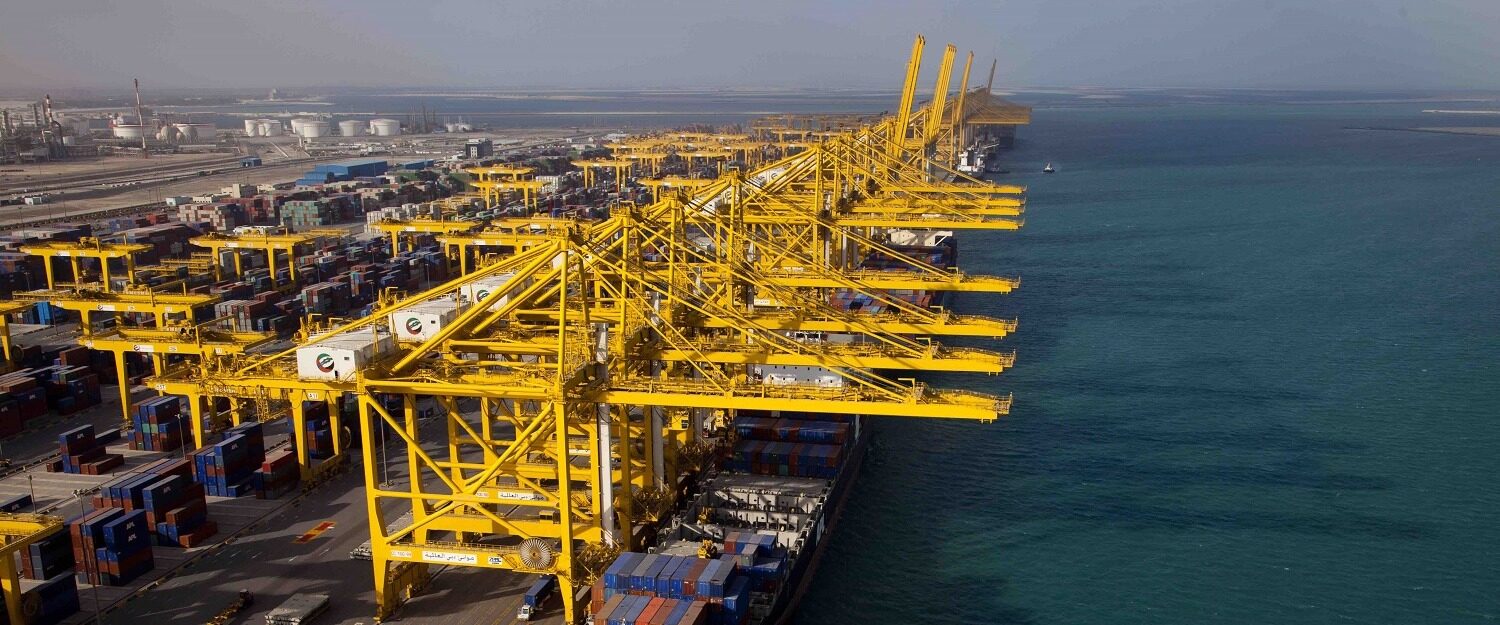
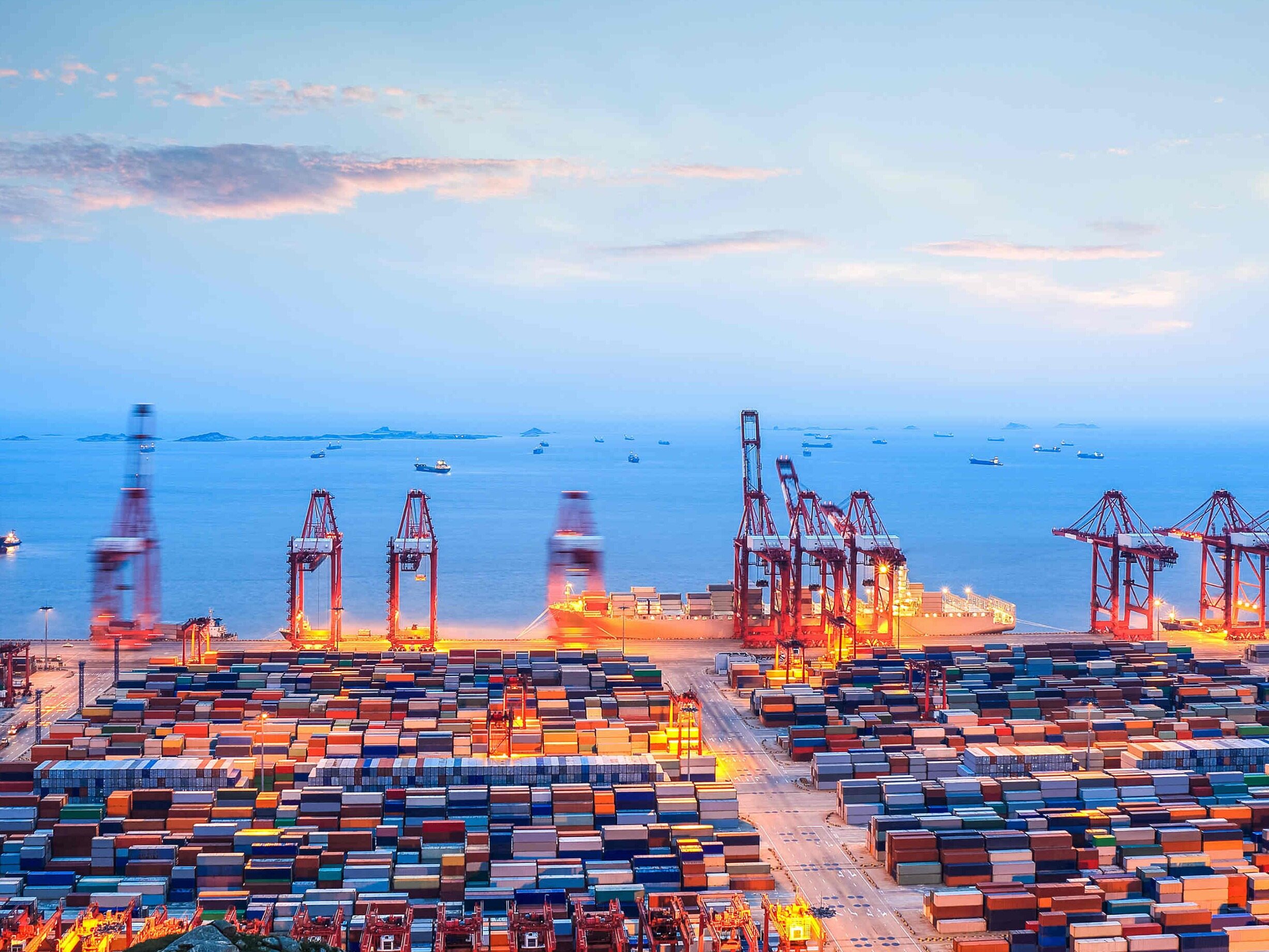
A giant ship slowly docks at Jebel Ali Port, with containers loaded on the deck resembling a moving modern castle. The ship is coming from Singapore and will unload some of its cargo here before loading goods for Europe - a scene that is constantly unfolding on the Dubai coast.
How did a desert city with scarce natural resources rise to become a crossroads of world trade in just a few decades?
The story of Dubai is fascinating: its transformation did not come from a simple gift of oil wealth, but from an extraordinary foresight to transform geographical limitations into strategic advantages. The core driving force of this transformation is the global trade ecosystem gradually built from the construction of ports.

From survival instinct to strategic foresight
In the 1960s and 1970s, Dubai faced severe challenges: being located in a desert and lacking the massive oil reserves of neighboring countries. Dubai's choice is not to wait for resources to dry up, but to actively create opportunities.
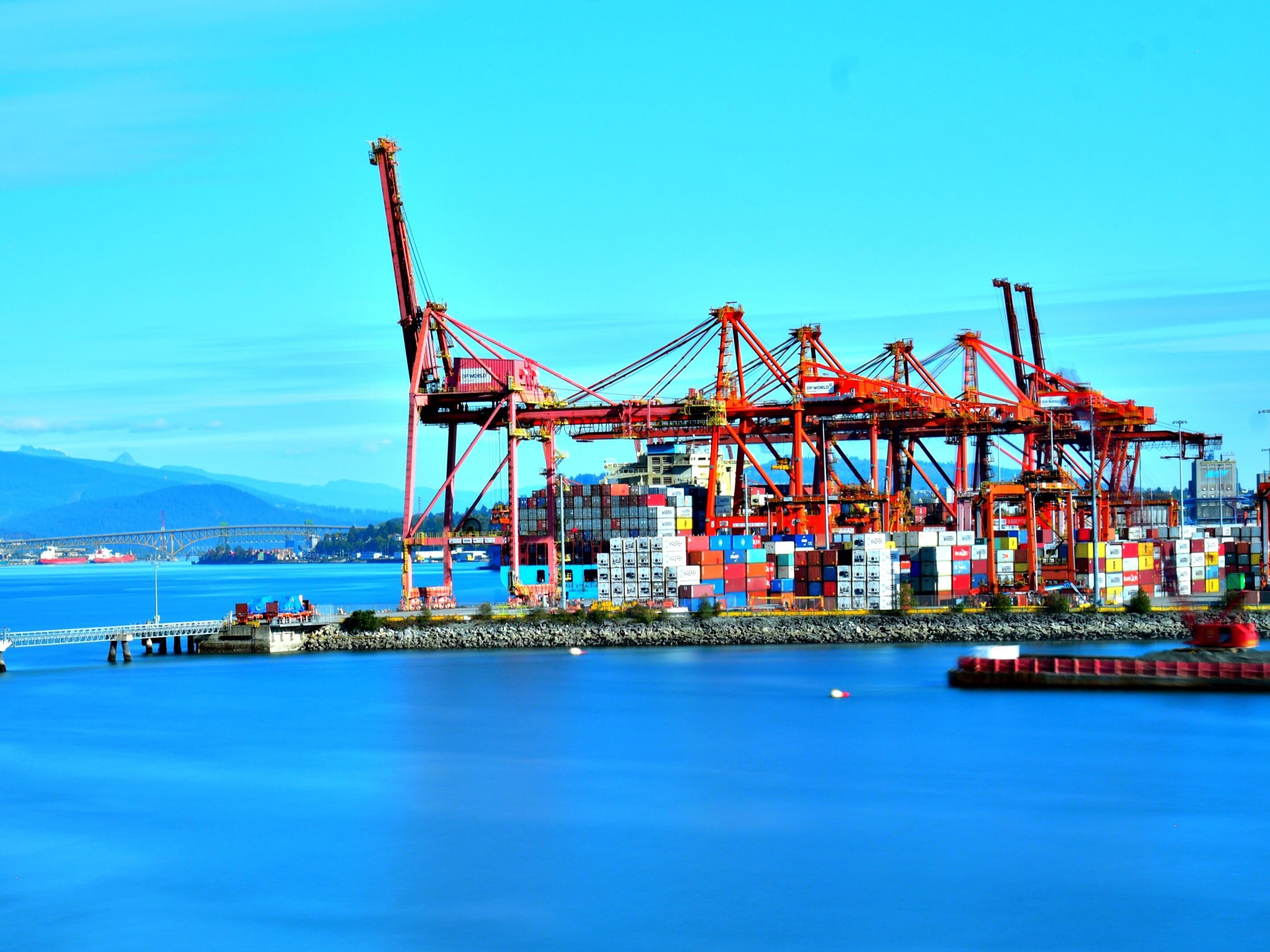
While most people still question its commercial value, the Dubai leadership decided to dredge the river and build a deep-water port. Jebel Ali Port was built in 1979 and has now become one of the busiest container ports in the world. Last year, it handled approximately 15.5 million TEUs and had a processing capacity of over 19 million TEUs.
This early excessive construction may seem risky, but it laid the foundation for Dubai's economic transformation and directly gave birth to DP World, a global port operator.
From small trading points to global hubs
With the continuous improvement of port facilities, Dubai has gradually evolved from a regional trading point to a global transit hub. Nowadays, the Jebel Ali Free Zone has attracted over 10000 companies from more than 100 countries, contributing approximately 36% of Dubai's GDP.
The internationalization of DP World has accelerated this process. After acquiring P&O Ports in 2006, the company became one of the world's top port operators. By establishing a network of ports, terminals, logistics services, and industrial parks in over 60 countries worldwide, Dubai has successfully guided global trade flows into its ecosystem.
The direct results of this strategy are reflected in economic data: the non oil sector accounts for over 90% of Dubai's GDP, with an economic growth rate of 4.4% in the first half of 2025.

From trade hub to global supply chain command center
Currently, Dubai is committed to transforming from a simple trade hub to a global supply chain command center. DP World has transformed its positioning from a port operator to a trade facilitator and supply chain solution provider.
Against the backdrop of globalization facing trade wars, pandemics, and geopolitical challenges, Dubai's neutrality, efficiency, and interconnectivity make it the preferred choice for global businesses seeking a reliable trading platform.
With Dubai's GDP expected to grow at a rate of 4-5% per year, reaching an estimated AED 550 billion by 2030, DP World's network will continue to play a critical role in supporting the city's construction of a more complex and valuable economic future.
The story of Dubai showcases a city wisdom that transforms constraints into strategic assets. It has no natural guarantee of oil wealth, yet it has built a global trade highway in the desert.
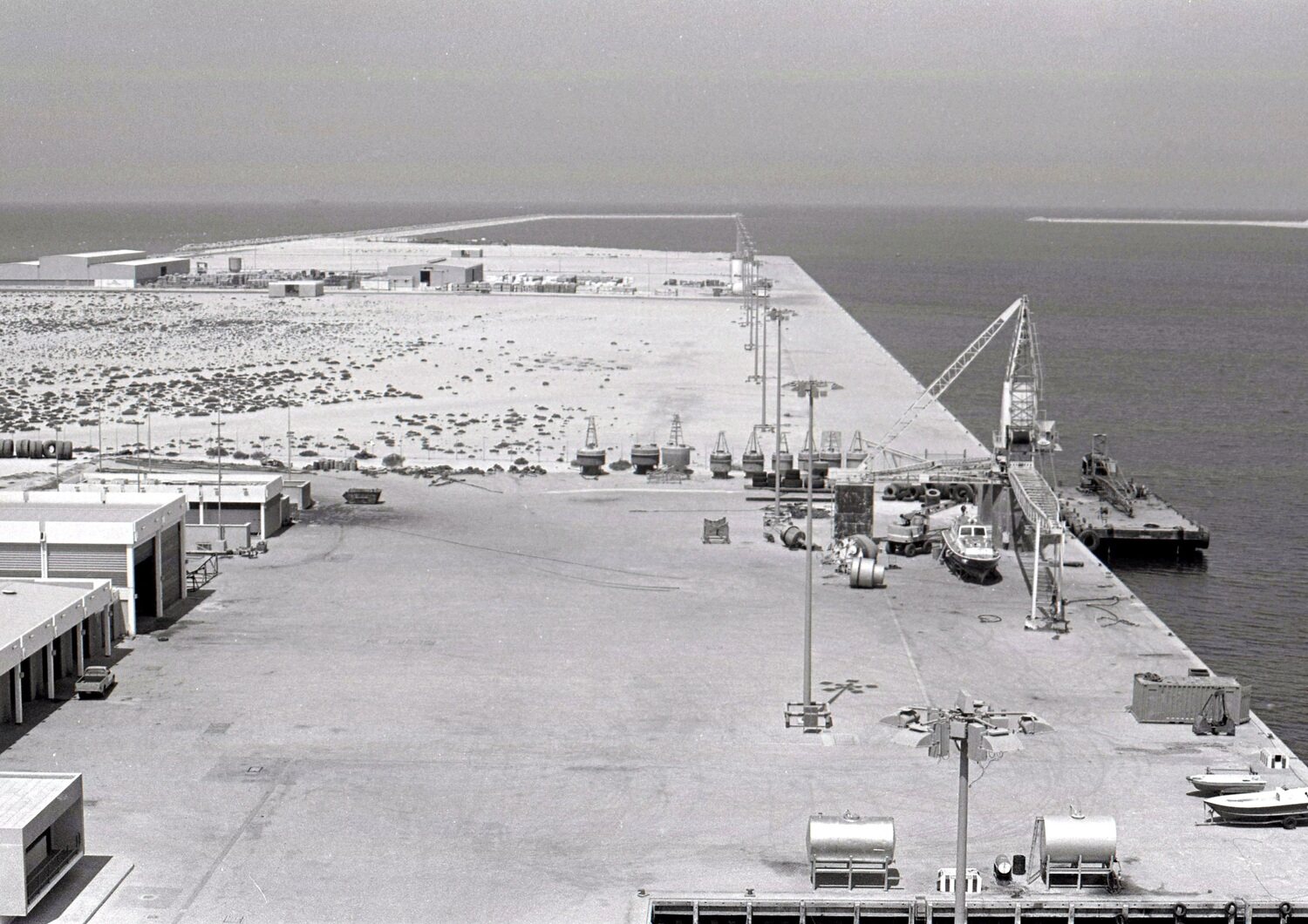
Dubai's transformation from a desert coastline to one of the world's most important maritime transportation hubs demonstrates the enormous potential of combining infrastructure investment with open policies. Keywords: Middle East news, Middle East information
DP World, as the concrete executor of this strategy, has not only witnessed the rise of Dubai, but will also continue to shape its future - turning this city into the command center of the next era of global trade.Editor/Cheng Liting
Comment

 Praise
 Collect
 Comment

 Share
Share


Write something~