 Search


- This is not a low-cost safe haven, but a deeply localized arena
- Morocco uses the free trade agreement as a lever to promote cooperation among the three ports, creating an institutional channel for Chinese enterprises to avoid barriers from Europe and America
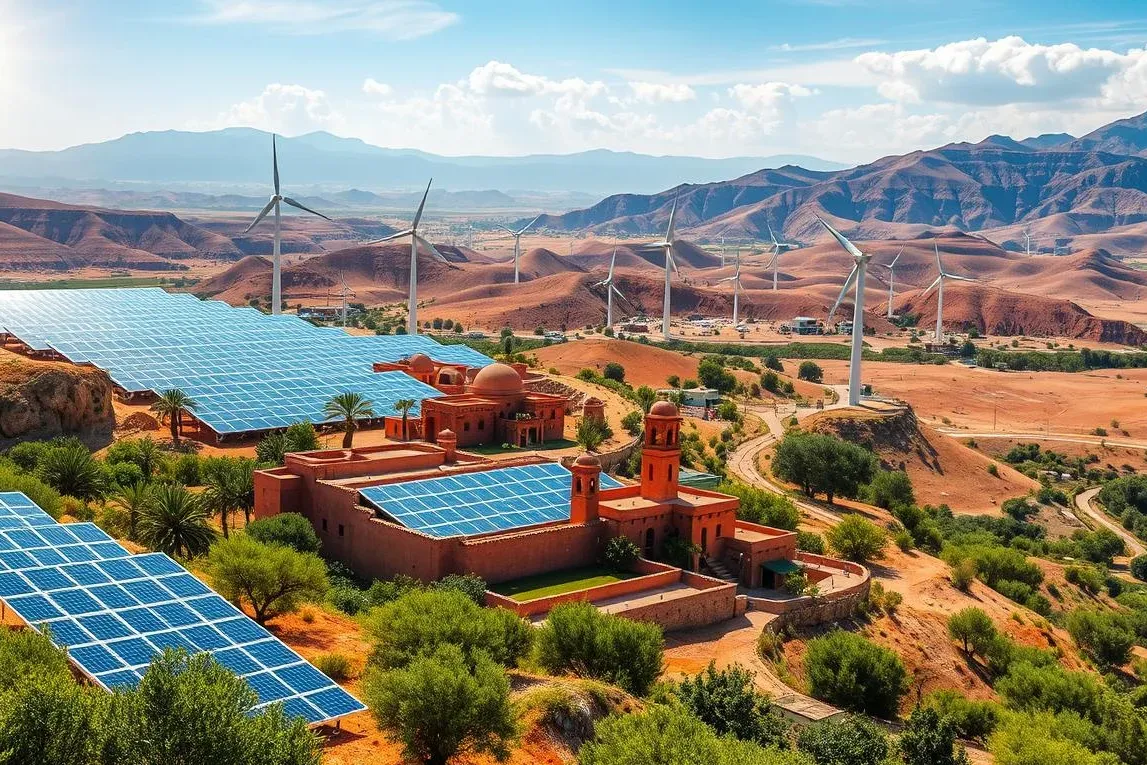
The global trade map is undergoing fragmentation and restructuring. When tariff barriers rise like sea levels, everyone is searching for a hidden waterway that can bypass reefs and directly reach the heartland of Europe and America.
At the beginning of 2026, Morocco threw out a trump card - "Three Ports Coordination".
Tangier consolidation, Nador expansion, Dakhla expansion. This is not just a physical increase in dock berths, but also a carefully calculated national level strategy: this North African country no longer wants to be a passing station, it wants to turn itself into a factory, a workshop, and an industrial base that can lay golden eggs.
For Chinese companies that are being blocked from entering the European and American markets, the bait offered by Morocco is extremely tempting. But behind this bait, there is a thorn hanging.
One
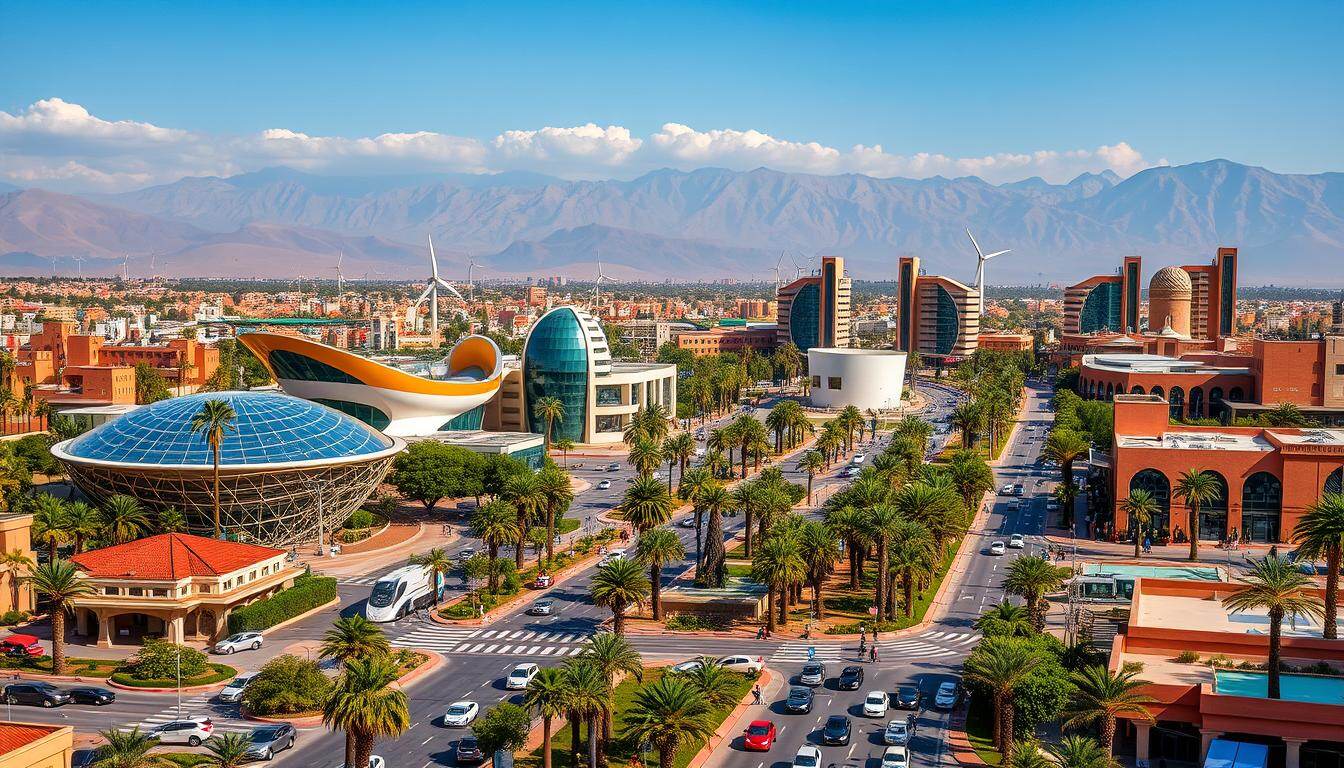
We must shatter an illusion: Morocco's core competitiveness has never been cheap land or labor - in these two aspects, it cannot even compare to Southeast Asia.
Its true trump card lies in the free trade agreements signed with the United States and the European Union. That's a golden key. As long as sufficient depth of processing is completed here and a Moroccan certificate of origin is obtained, one can enter the world's two largest consumer markets with a low or even zero tariff pass.
This is the underlying logic behind Guoxuan High tech and Ailang Technology's rush to land.
They are not here to simply move. They are buying a green card to enter high-end clubs in Europe and America. By establishing factories that meet EU standards here, we can cleverly bypass the subsidy discrimination of the US Inflation Reduction Act and calmly deal with the EU's carbon tariffs.
For the "new three" of new energy vehicles, power batteries, and photovoltaics, Morocco is not a safe haven, but a springboard.
two
But this springboard is not easy to step on.
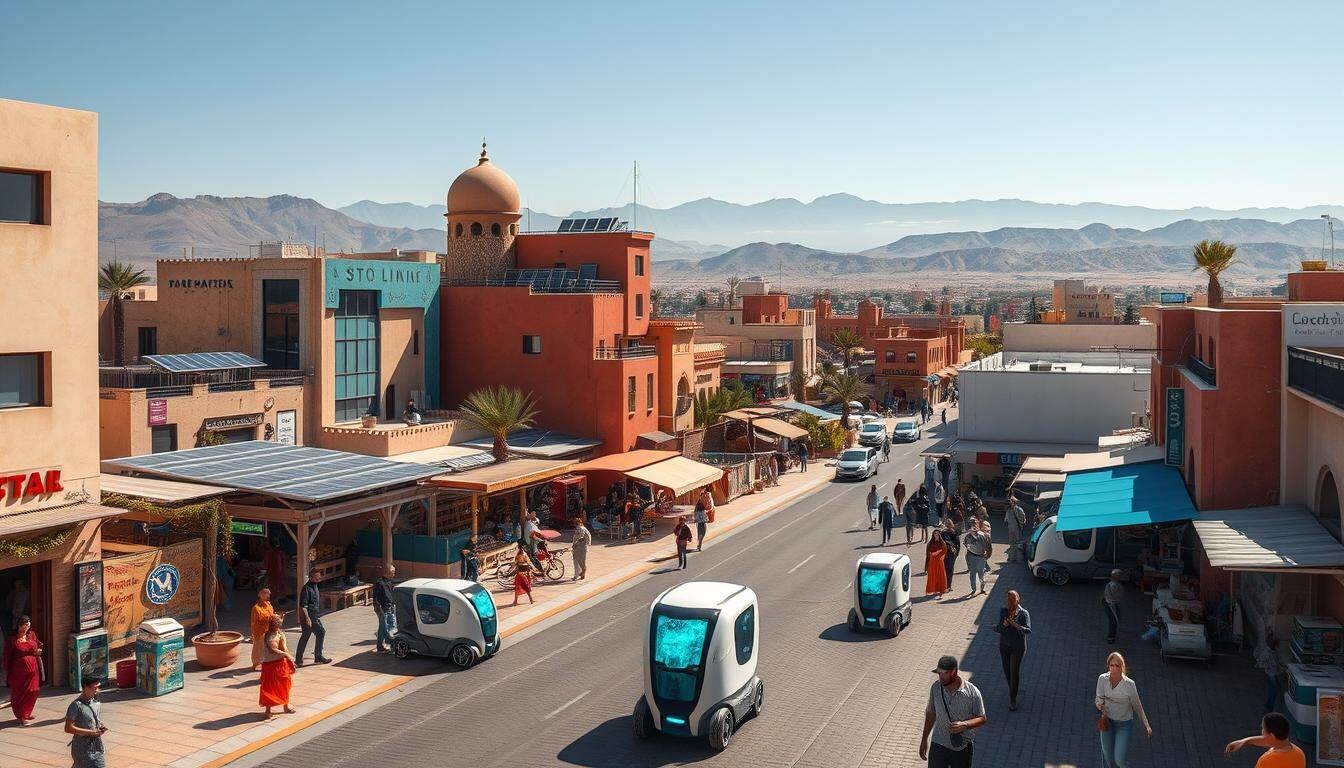
The game rules in Morocco are shifting from "attracting investment" to "selecting the best candidates". The giant OCP, which controls 70% of the world's phosphate reserves, is the best touchstone.
The cooperation between Chinese enterprises and OCP has long bid farewell to the initial stage of simply "selling equipment". Dalian Heavy Industry has entered into mining construction, Zhenhua Heavy Industry has contracted port automation, and Sinoma Construction has been deeply involved in chemical processing. What Morocco wants is no longer scattered suppliers, but partners who can export technology and integrate the industrial chain.
Do you want to bind OCP? Okay. But you have to have real skills, you have to be able to connect with the main artery of industrialization in this country.

three
The biggest challenge actually lies not in funding, but in the 'soft environment'.
Don't be fooled by the initial land discounts. Morocco inherits the French legal system, and its environmental, labor, and certification standards are fully aligned with the European Union. Localization here is not a slogan, it is a hard indicator: the proportion of local procurement, the number of talent cultivation, ESG disclosure, all of which are indispensable.
Do you want to just set up an assembly plant and sell OEM products to Europe? There are no doors. We cannot pass the compliance review.
More realistically, there are supply chain shortcomings. The local supporting facilities are still in their infancy, and key components need to be imported. The comprehensive cost account is extremely detailed. If you only want to make quick money and become a setter, then the opportunities in Morocco are likely to become your trap. More than one company has stumbled here for no other reason: underestimating compliance costs and overestimating their own luck.
four
So, Morocco's three port strategy is essentially a game of institutional openness.
It uses high-level free trade agreements as leverage to leverage global high-quality industrial capital. It doesn't need low-end manufacturing, what it wants is a high-tech industry that can stay and grow big.
For Chinese enterprises, this is not only a backup plan for "China+1", but also a strategic pivot for "China+N". But this is by no means an easy 'voyage by sea', but a long march that requires' building ships and sailing long distances'.
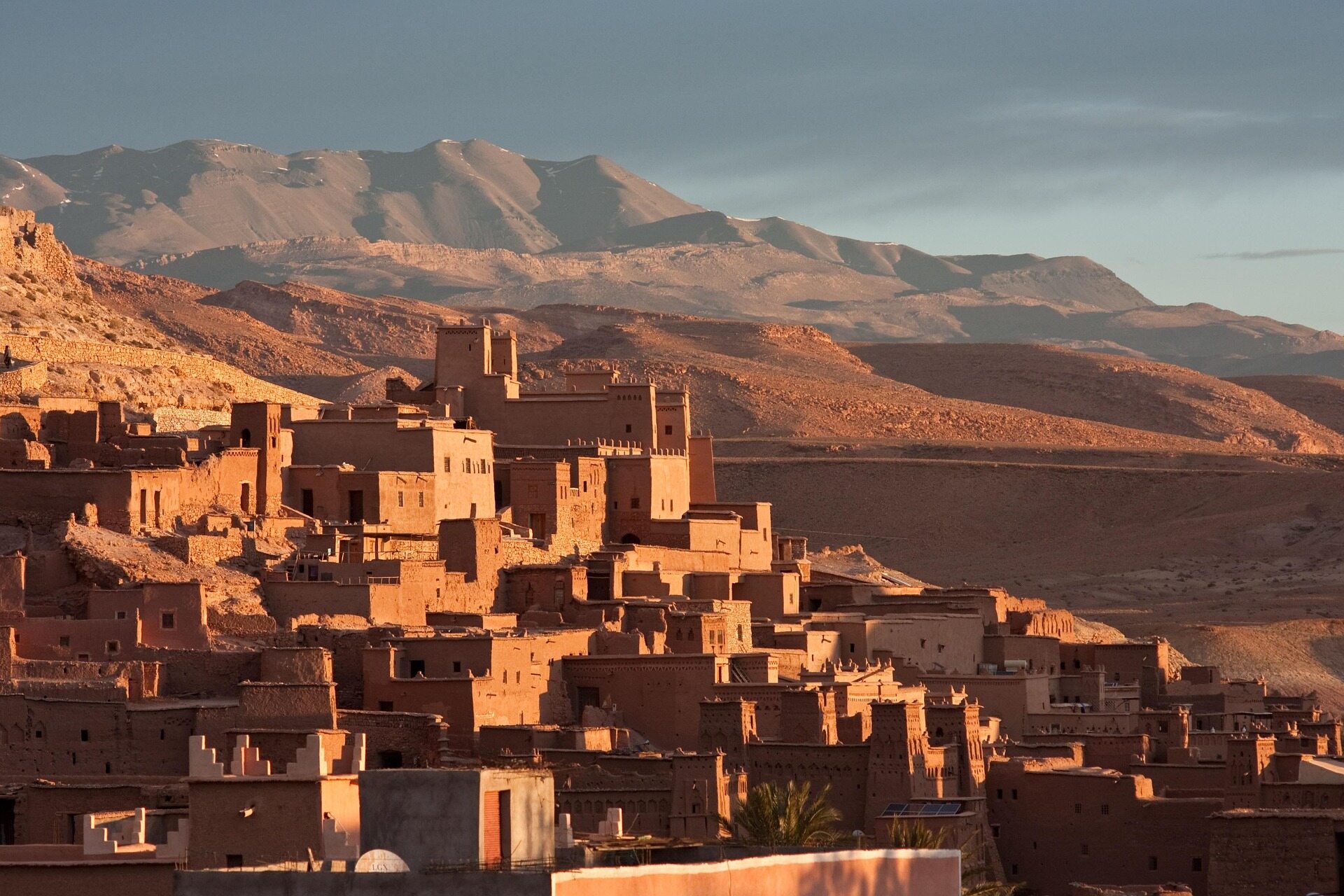
Can you turn Morocco into your strategic pivot? It doesn't depend on how big your wallet is, but on how strong your technology is, and how long you are willing to root here.
Only those enterprises that are willing to truly sink and resonate with Morocco's industrial upgrading can not only bypass barriers in this global supply chain reshuffle, but also nail their own nail in the core areas of the European and American markets.
This is the true value of Morocco.Editor/Cheng Liting
Comment


 Praise
 Collect
 Comment

 Share
Share


Write something~