 Search


- The German government plans to build new gas-fired power plants and subsidize over 5 billion euros annually
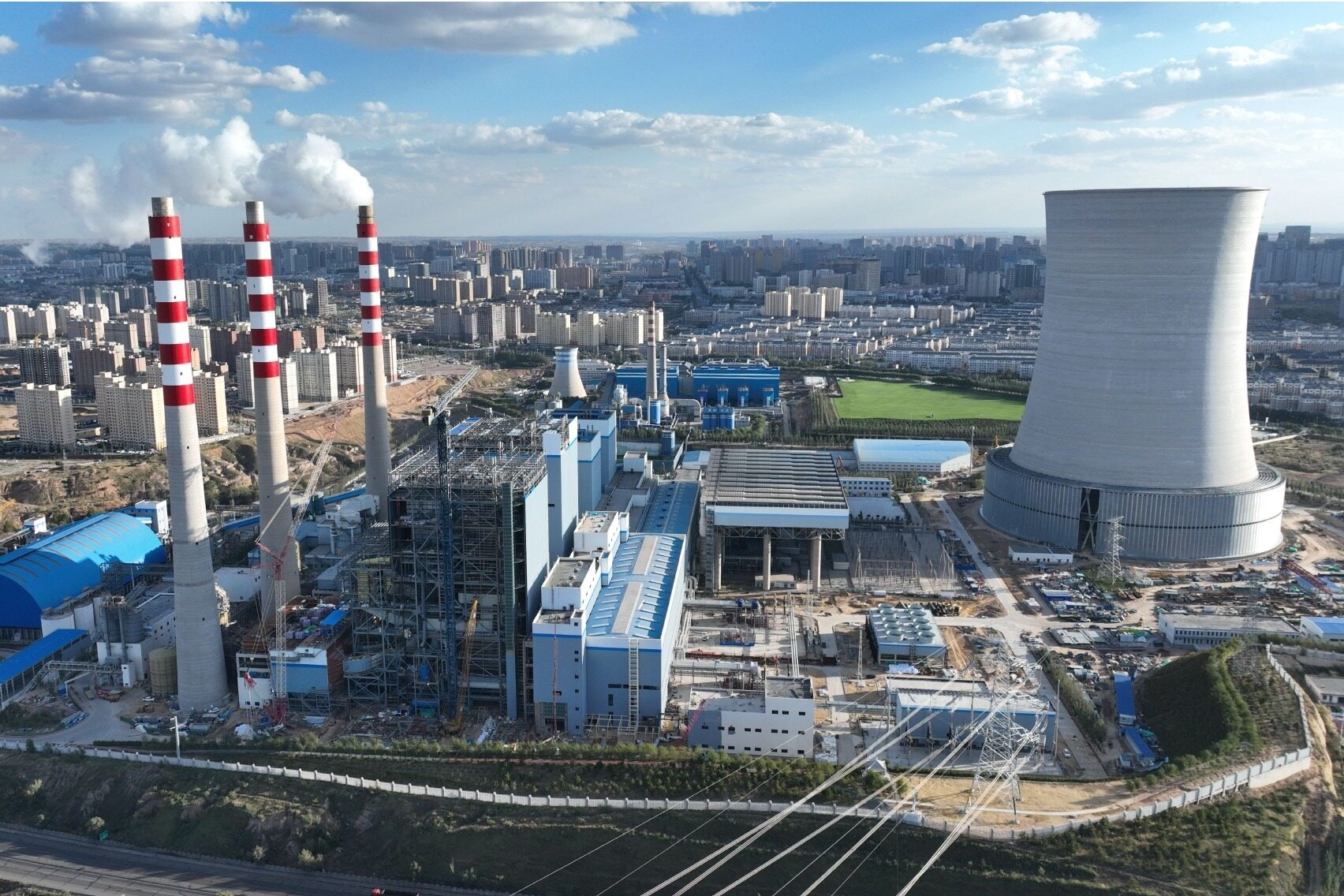
An internal document leaked from the German Federal Ministry of Economy quickly sparked a heated debate in the energy industry.
The content of the document is not complicated: the government plans to build several gas-fired power plants as the main backup power source for renewable energy intermittency, and provide financial subsidies of no less than 5 billion euros per year for this purpose. As soon as the news came out, supporters and opponents spoke out almost at the same time - one side was the relief of the power grid safety faction, and the other side was the fierce rebound of the environmental protection camp.
A debate about whether energy transition is a "pragmatic correction" or a "path regression" has suddenly heated up on the 12th year of Germany's comprehensive coal abandonment countdown.
Install a spare key for the power grid
The proportion of renewable energy in Germany's electricity consumption has reached 54.1%, and it is expected to reach 80% by 2030. But the inherent shortcomings of photovoltaics and wind power still remain unresolved: in days without wind or light, the power grid must have someone to support it.
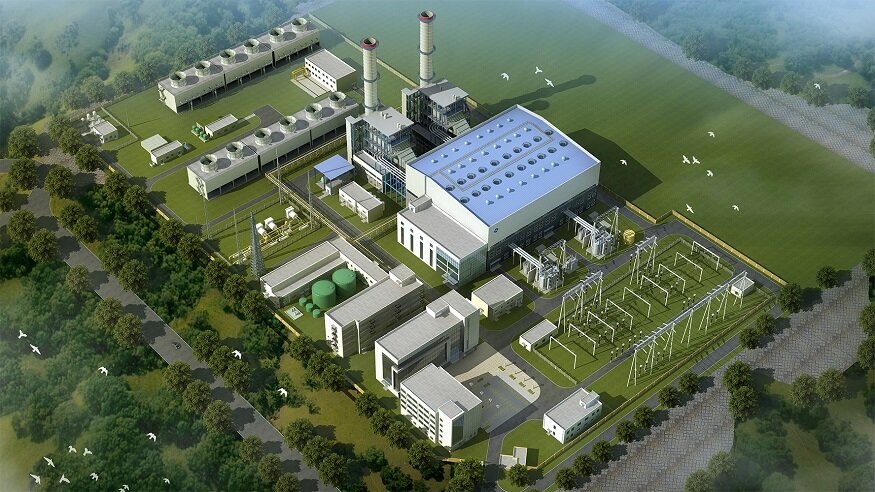
The gas-fired power plant is positioned by the government as this backup key. Compared with traditional coal-fired power plants, gas-fired units have fast start-up, flexible regulation, and the ability to switch to burning green hydrogen in the long term. The previous Scholz government had agreed in principle to the plan, but failed to legislate due to the dissolution of the alliance. Now the new government has taken over and put the subsidy mechanism on the agenda.
Andreas L ö scher, an energy economist at Bochum Ruhr University, explicitly supports that as coal-fired power plants gradually exit, the German power grid needs flexible power sources more than ever. Energy storage is certainly the direction, but at present, battery technology cannot support large-scale, long-term cross seasonal peak shaving.
Who will maintain the unused power plant?
The problem is that these power plants are only operational during power shortages and have extremely limited annual operating hours. The power generation revenue is far from covering the construction cost and operation and maintenance expenses, and private capital has no intention of entering the market.
The government's solution is fiscal subsidies - no less than 5 billion euros per year, which may come from additional fees levied on end-users. This means that Germany's already high electricity prices may further come under pressure.
The industry's attitude towards this is divided. Some industrial representatives recognize the priority of ensuring supply, while some companies are concerned that energy costs will be pushed up again, weakening the international competitiveness of German manufacturing. A game of interests about who will pay for the backup is unfolding behind the scenes.
Is it a fork in the road of transformation or a hurdle that must be overcome
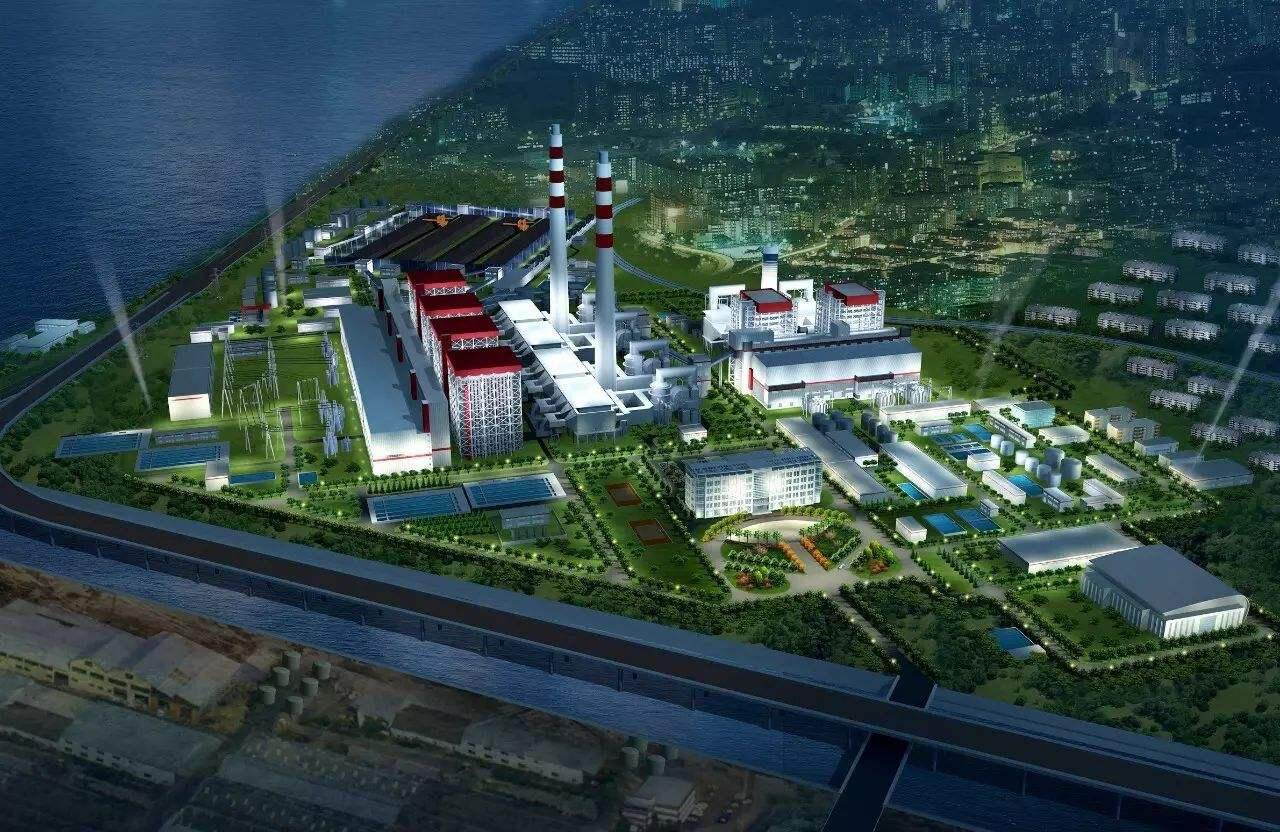
The greater controversy lies at the strategic level. The German Environmental Aid Association has filed a complaint with the European Union, accusing the government of unilaterally subsidizing gas-fired power plants to distort market competition and demanding that an equal amount of public funds be directed towards battery energy storage and smart grid dispatch.
Claudia Kempfert, an energy economist at the German Institute for Economic Research, put it more bluntly: the construction of new gas-fired power plants will squeeze the investment space for clean energy, and once a new dependence on fossil fuels is formed, it is extremely difficult to reverse. She warned that this could be a dangerous setback on Germany's energy transition path.
The government's logic is to first ensure supply and then decarbonize. Gas power plants are only the technical anchor point during the transition period, and in the future, hydrogen conversion can be used to close the loop. But critics ask in return - hydrogen has not yet been scaled up, will today's gas pipelines really flow green hydrogen tomorrow? Keywords: Macro News Network, Macro Latest News
There is no quick solution to this debate. Germany is standing at a crossroads: on one hand is the idealistic acceleration of decarbonization, and on the other hand is the realism of grid security. The 5 billion euro subsidy plan is just the first card in this dilemma.Editor/Gao Xue
Comment


 Praise
 Collect
 Comment

 Share
Share


Write something~