 Search


- China deepens key mineral cooperation with Central Asia and builds a land-based resource supply chain system
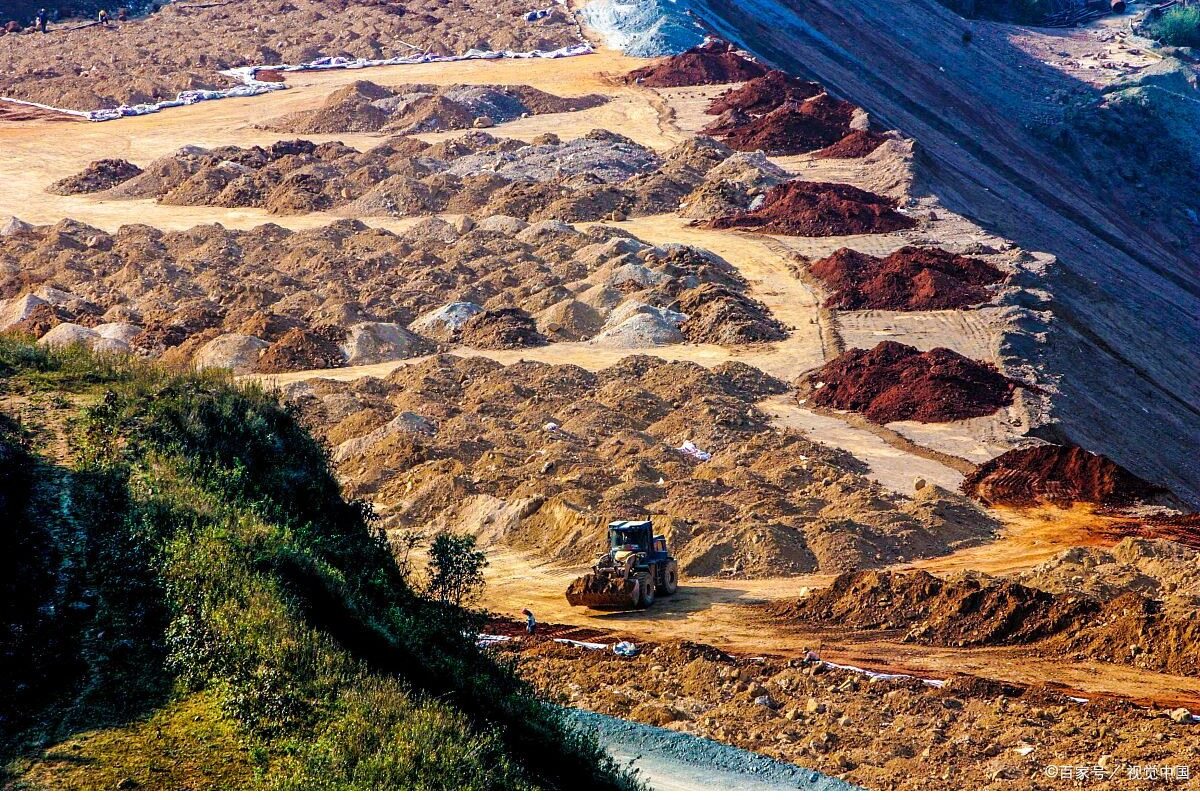
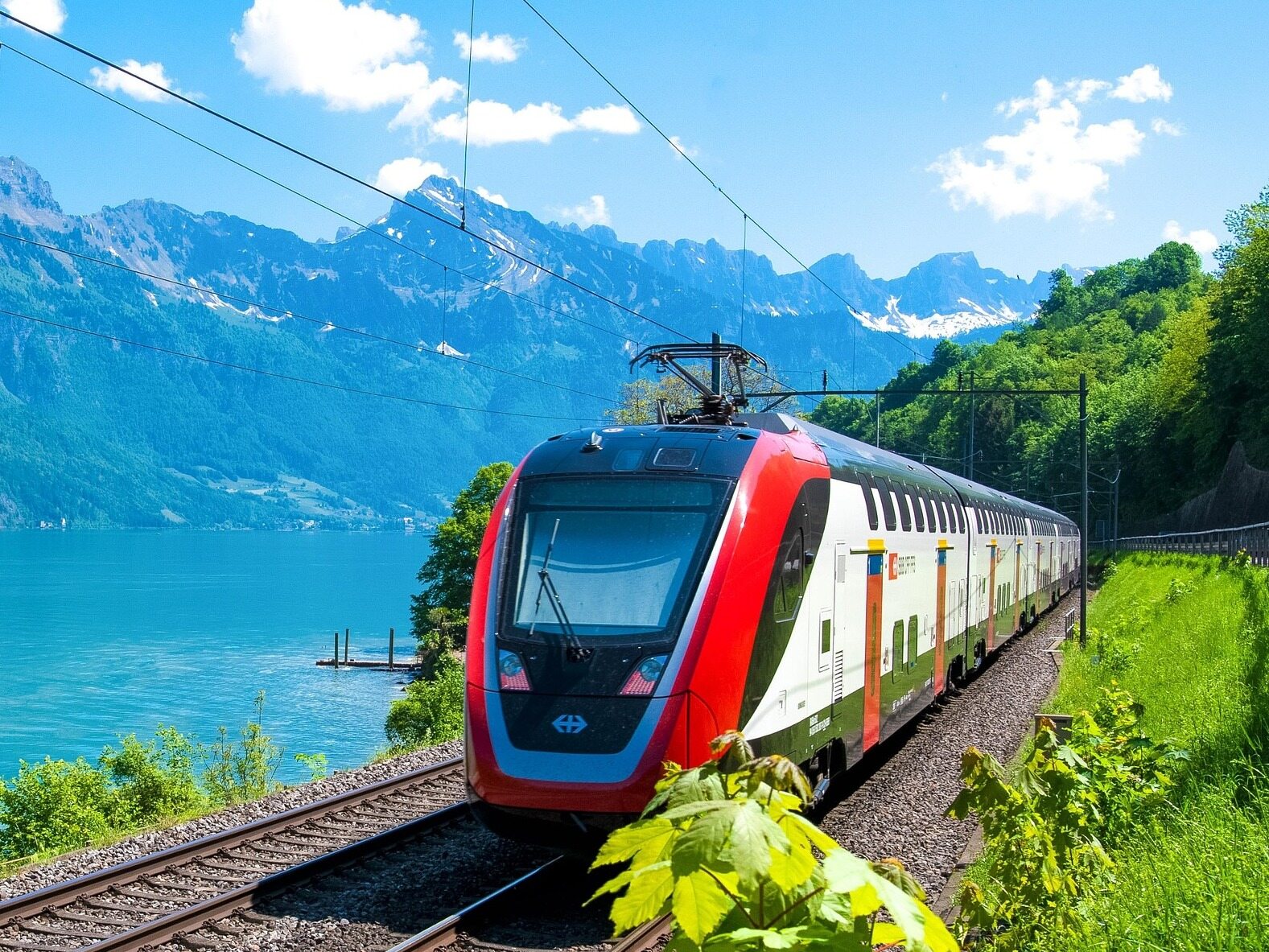
The freight train from the Gobi Desert in Central Asia is transporting uranium mines from Kazakhstan and lithium resources from Uzbekistan to the industrial zone in eastern China. This land passage not only transports key raw materials for nuclear and new energy industries, but also becomes a strategic artery for China to break free from dependence on the Taiwan Strait and ensure resource security.
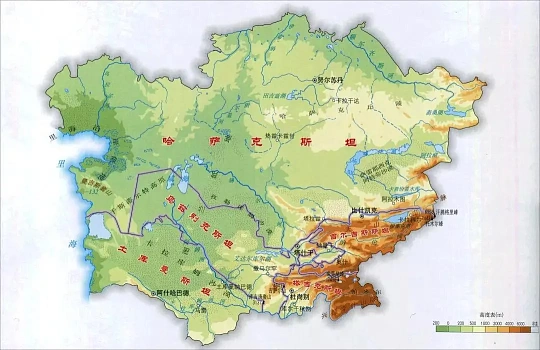
How Land Arteries Rewrite Energy Security from Uranium Mines to Rare Earth Elements
Kazakhstan's uranium production accounts for over 40% of the world's total, while Uzbekistan's copper gold belt and Mongolia's rare earth resources together form the "resource anchor" of China's industry. Compared with traditional sea transportation, this land route is not constrained by the situation in the strait and can be led by China to build infrastructure and ensure transportation safety. For example, the China Kazakhstan crude oil pipeline and the Central Asia natural gas pipeline have been operating stably for ten years, and the newly planned railway network will further connect mineral producing areas with industrial hubs in western China.
However, this resource rich area is also a "new chessboard" of multi-party games. Russian, Türkiye and European and American enterprises are accelerating their layout, forcing Chinese investors to shift from extensive mining to refined operation. The political mutual trust framework of the Shanghai Cooperation Organization provides a basis for cooperation, but it requires a higher level of localized integration to elevate resource cooperation into a bond of a community with a shared future.
From New Policies on Mining in Central Asia to Ecological Empowerment in China
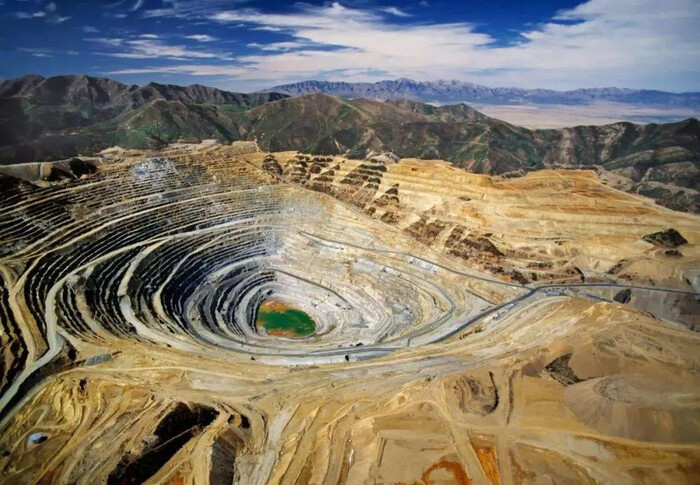
Since 2024, Kazakhstan has revised its mining law to introduce international standards, and Uzbekistan has established the national entity TMK to promote the development of the entire industry chain. These reforms send a clear signal: Central Asian countries are no longer satisfied with exporting raw materials, but hope to obtain technology, employment, and added value through "resource for industry".
Chinese enterprises need to respond to changes with an "ecological mindset". For example, in the copper mine project in Uzbekistan, Chinese companies not only invest in mining, but also build beneficiation plants and vocational training centers, and allocate 30% of the export value to local supply chain cultivation. This' deep localization 'strategy has made the project seen locally as' our mine' rather than a 'foreign enclave', significantly reducing the risk of policy fluctuations.
Water resource management, tiered investment, and national coordination
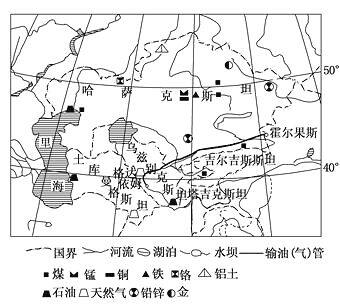
The biggest challenge of the Central Asian project is not the grade of mineral deposits, but the shortage of water resources and social recognition. In the exploration of a lithium mine in Kazakhstan, Chinese companies took the lead in introducing a closed-loop water circulation system, reducing water consumption to 20% of traditional processes, and transforming environmental constraints into trust bonds by jointly building water-saving facilities and sharing water sources with communities.
Faced with risks such as incomplete geological data, enterprises need to adopt a "tiered investment" approach: first complete preliminary exploration with technologies such as unmanned aerial vehicle surveying, and then advance feasibility studies in stages to avoid blind investment. At the national level, it is necessary to establish special funds and build public information platforms to provide one-stop support for enterprises in terms of legal and ESG standards. For example, China Export Credit Insurance Corporation has developed customized insurance products for the Central Asia project, covering policy changes and cross-border settlement risks.
Central Asian resource cooperation has entered a dual track competition era of "hard power+soft power". Successful individuals are no longer the companies that discover the largest mineral deposits, but rather the long-term thinkers who are best able to balance efficiency and sustainability. Only by transforming technological advantages into a discourse power of rules and making resource arteries a development link, can we firmly grasp the strategic initiative in the global mineral game.Editor/Yang Meiling
Comment



 Praise
 Collect
 Comment

 Share
Share


Write something~