 Search


- The project contracted this time covers the full-process construction tasks of four natural gas booster stations
- The EPC general contracting has demonstrated strong adaptability and superiority in this project in Türkiye
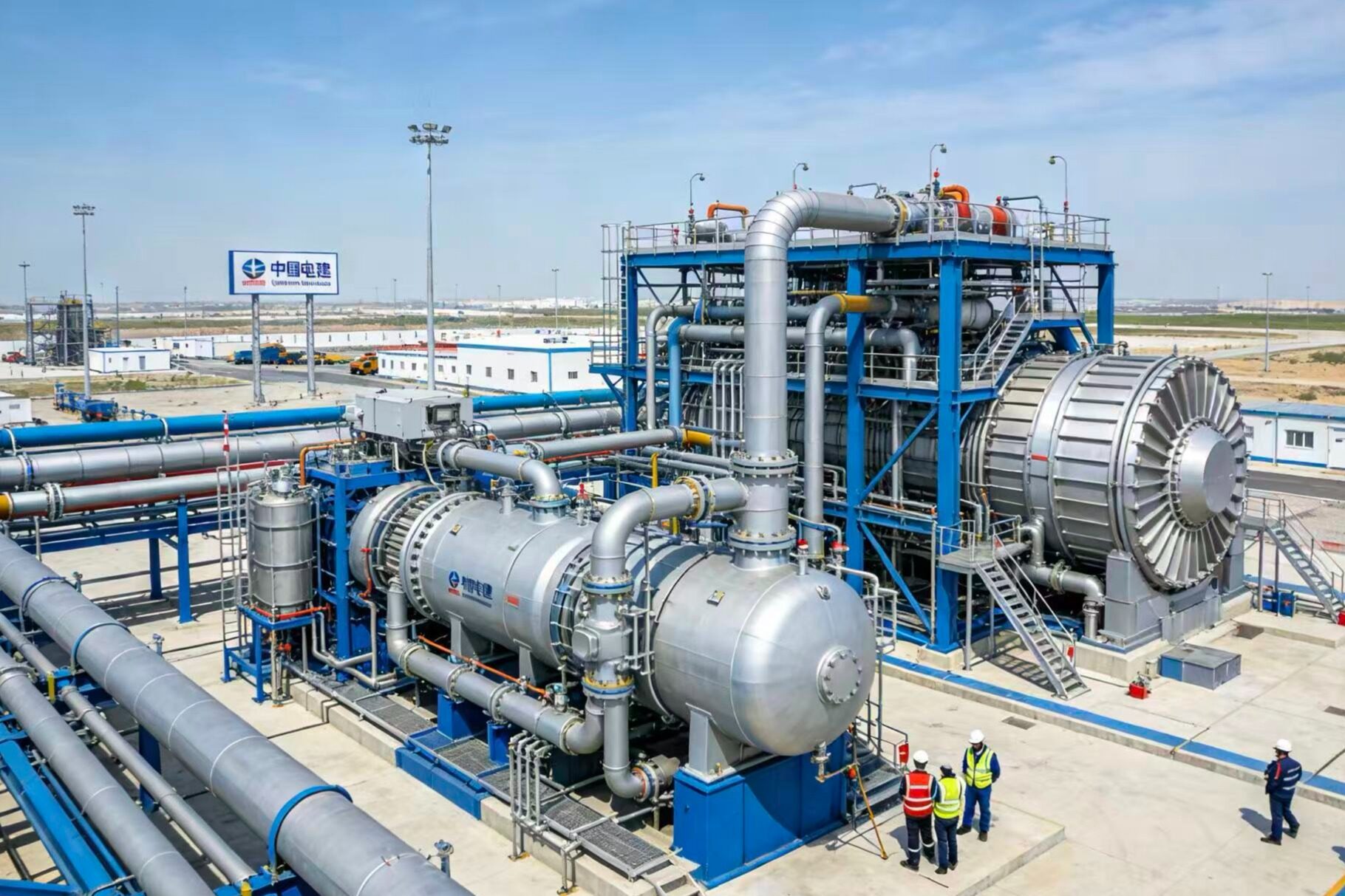
On January 4, 2026, Power Construction Corporation of China (hereinafter referred to as "PowerChina") reported another overseas success. Its subsidiary, PowerChina International Engineering Co., Ltd., in collaboration with Shandong Electric Power Construction Company, officially signed a contract with Türkiye Taman Oil and Gas Co., Ltd. for the projects of Türkiye Taman Natural Gas Booster Stations No. 2, 4, 5, and 7 (the second package). The contract amount reached RMB 6.626 billion, and the project duration is approximately 55 months. The implementation of this order is not only another significant achievement of PowerChina in its deep exploration of the overseas energy market, but also showcases the core strength of Chinese energy infrastructure enterprises to the world through the full-chain EPC general contracting model.
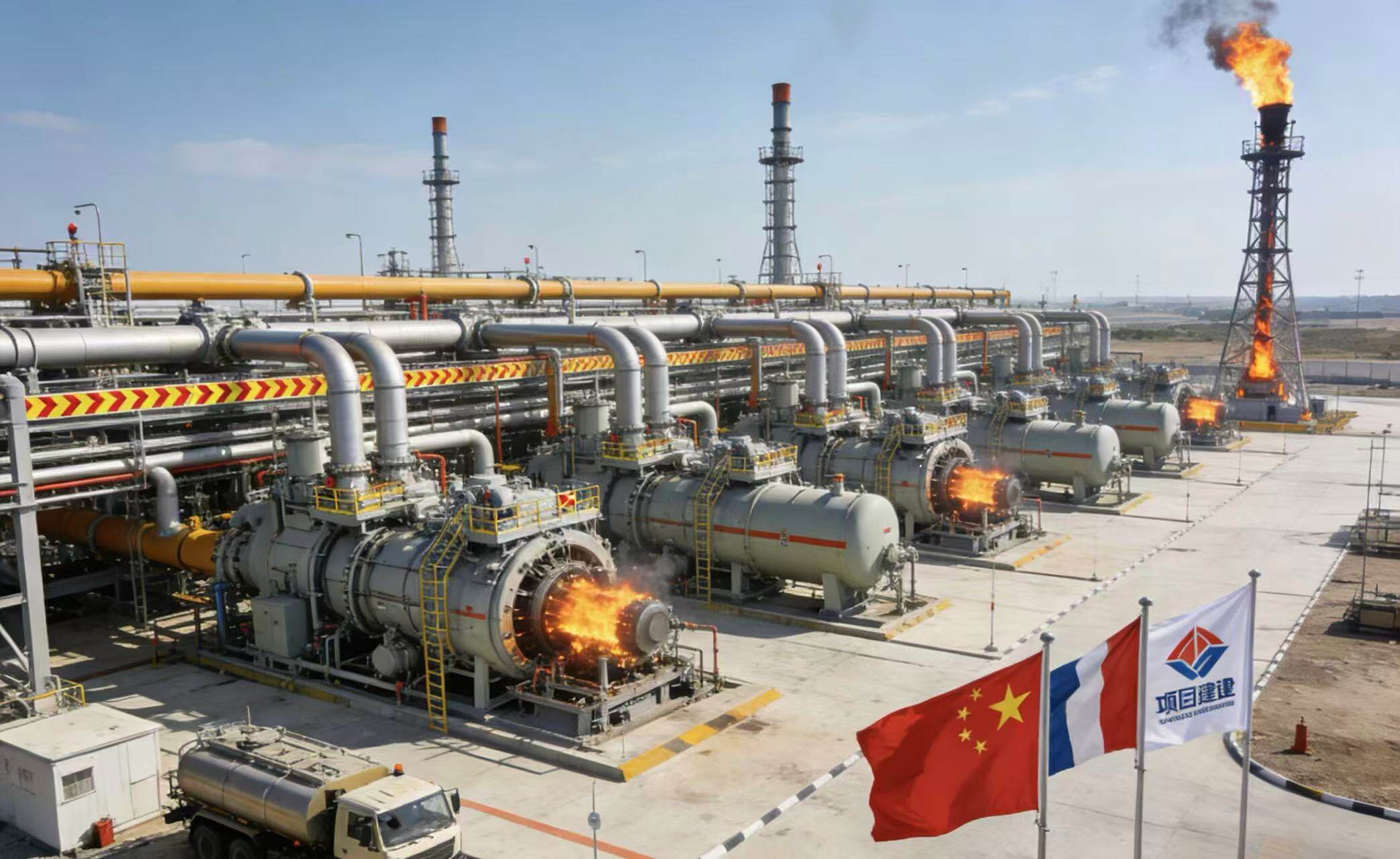
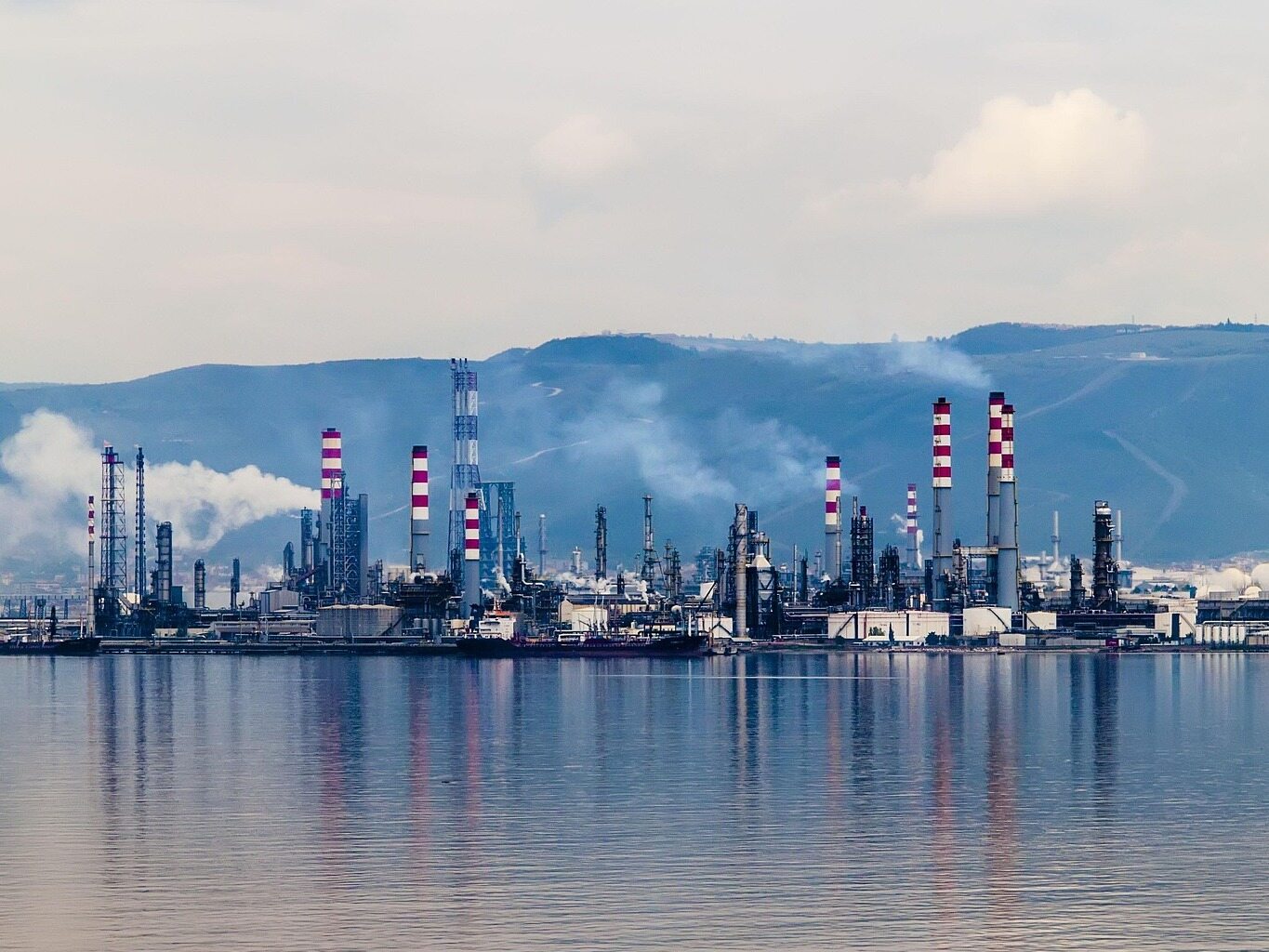
The project signed this time covers the full-process construction tasks of four natural gas booster stations, including overall scheme design, core equipment procurement, installation, commissioning, operation, and maintenance, among other key aspects. Among them, Station 2, relying on existing facilities, does not require the procurement of gas turbines and compressors, achieving maximum resource utilization and precise cost control. Meanwhile, Shandong Electric Power Construction Corporation has simultaneously secured the EPC contract for the other three booster stations in the project. These three stations, located from east to west in Dogubayazit, Gümüşhane, and Eskisehir in Türkiye, cover the procurement, transportation, installation, and commissioning of a full set of equipment including compressors, gas turbines, plant pipelines, and black powder filters, establishing an energy hub network spanning Türkiye.
The EPC (Engineering, Procurement, and Construction) general contracting model breaks through traditional pain points, with four major advantages ensuring the efficient advancement of projects
As the mainstream "turnkey" management model in the international engineering field, EPC general contracting has demonstrated strong adaptability and superiority in this Turkish project, addressing many pain points of traditional engineering models from the root.
Firstly, the design and construction are coordinated and integrated, bidding farewell to the dilemma of "two separate entities". Unlike the separation of design and construction in traditional models, PowerChina, as the general contractor, has achieved deep integration between the design team and the construction team. During the project preparation stage, the technical team conducted on-site investigations into key factors such as the impact of terrain slope on pipeline pressure in the eastern mountainous areas of Türkiye and the grid interface standards in the western plains, fully integrating the actual site conditions into the design scheme. Especially for the existing equipment foundation of Station 2, the design team tailored an optimized plan, eliminating the procurement of gas turbines and compressors, directly achieving cost reduction and efficiency improvement, and efficiently transforming paper blueprints into actual construction scenes.
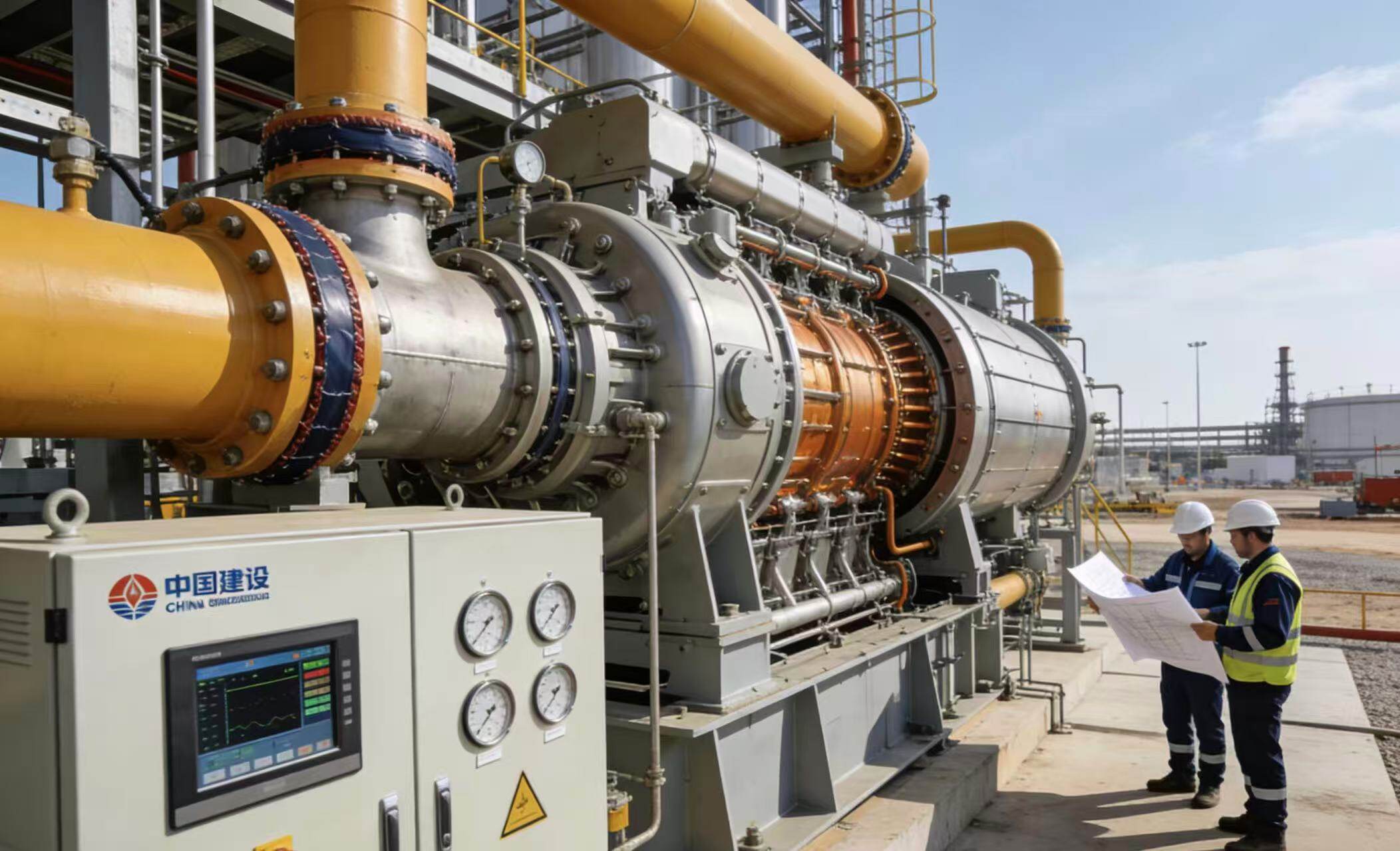
Secondly, the responsibility is highly centralized, addressing the challenge of multi-party coordination. Under the traditional engineering model, the owner needs to interface with multiple parties such as design institutes, equipment suppliers, and construction units. In the event of issues such as mismatched equipment models or installation accuracy deviations, it is extremely easy for responsibilities to be shirked. However, under the EPC model, PowerChina assumes full responsibility throughout the entire process, ensuring that any issues arising from equipment procurement to installation and commissioning are promptly addressed and resolved by the general contractor. This "one-stop" responsibility mechanism significantly reduces the coordination costs for the owner and provides greater assurance for the 55-month construction period target. Compared to similar projects undertaken by European companies, which typically take 60-70 months, the efficiency advantage is evident.
Thirdly, precise control of full-cycle costs is essential to avoid overspending risks. Cost coordination during the design phase is one of the core advantages of the EPC model. In equipment selection, PowerChina gives priority to domestically produced equipment with outstanding cost-effectiveness, such as core compressors, which can save 20%-30% of procurement costs compared to European brands while ensuring that equipment performance meets standards. In the construction phase, a modular prefabrication and installation strategy is adopted, where equipment such as air compressors and air coolers are pre-assembled in domestic factories and then shipped to Turkey for on-site assembly, significantly reducing on-site operation time, labor costs, and construction period costs, ensuring that the contract amount of 6.626 billion yuan remains controllable throughout the process.
Fourthly, the deep integration of full-chain capabilities lays a solid foundation for project success. The EPC model places extremely high demands on the comprehensive strength of contractors, which is precisely where PowerChina's core competitiveness lies. In terms of design, relying on the mature experience from major energy projects such as the domestic West-East Gas Pipeline, we tailor-make booster station solutions that are suitable for the climate and terrain of Türkiye. In procurement, we have deep cooperation with domestic leading enterprises such as Shaangu and Dongfang Electric, ensuring the timeliness and stability of equipment supply. In construction, leveraging our rich experience in overseas project performance, we flexibly address challenges such as local labor regulations and logistics transportation in Türkiye, laying a solid foundation for the timely delivery of the project.
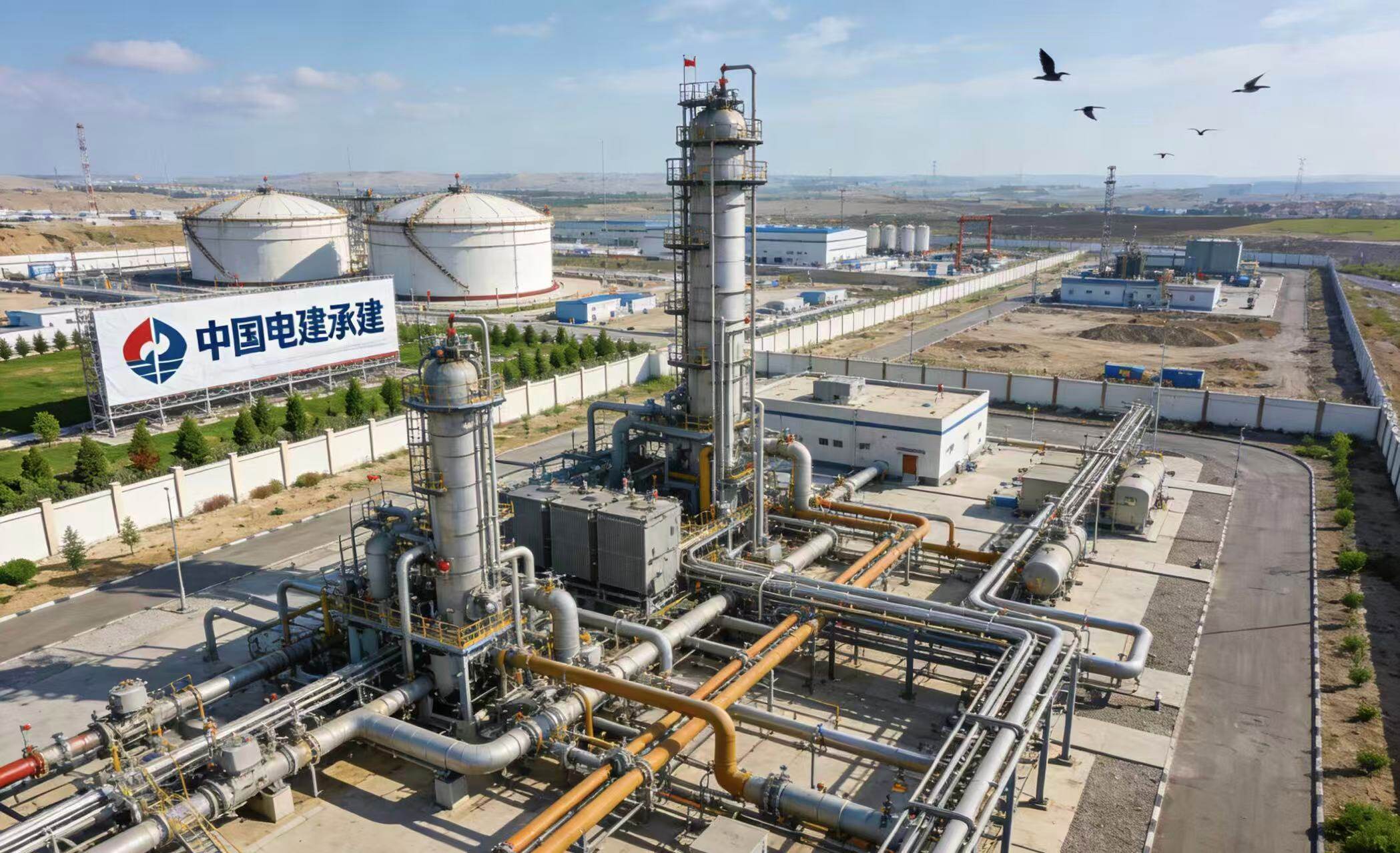
The Taman Gas Booster Station project in Türkiye is an important carrier for Power Construction Corporation of China (POWERCHINA) to implement the Belt and Road Initiative and deepen energy cooperation between China and Türkiye. Upon completion, the project will significantly enhance the efficiency of natural gas transmission in Türkiye, improve the regional energy infrastructure network, and inject strong impetus into local economic and social development. By demonstrating its full-chain EPC capabilities through this project, POWERCHINA will further consolidate its leading position in the international energy infrastructure market and export Chinese solutions and technologies to more overseas projectsEditor/Bian Wenjun
Comment

 Praise
 Collect
 Comment

 Share
Share


Write something~