 Search


- Goldwind Technology recently obtained its first wind power order in Brazil that complies with the local FINAME financing framework
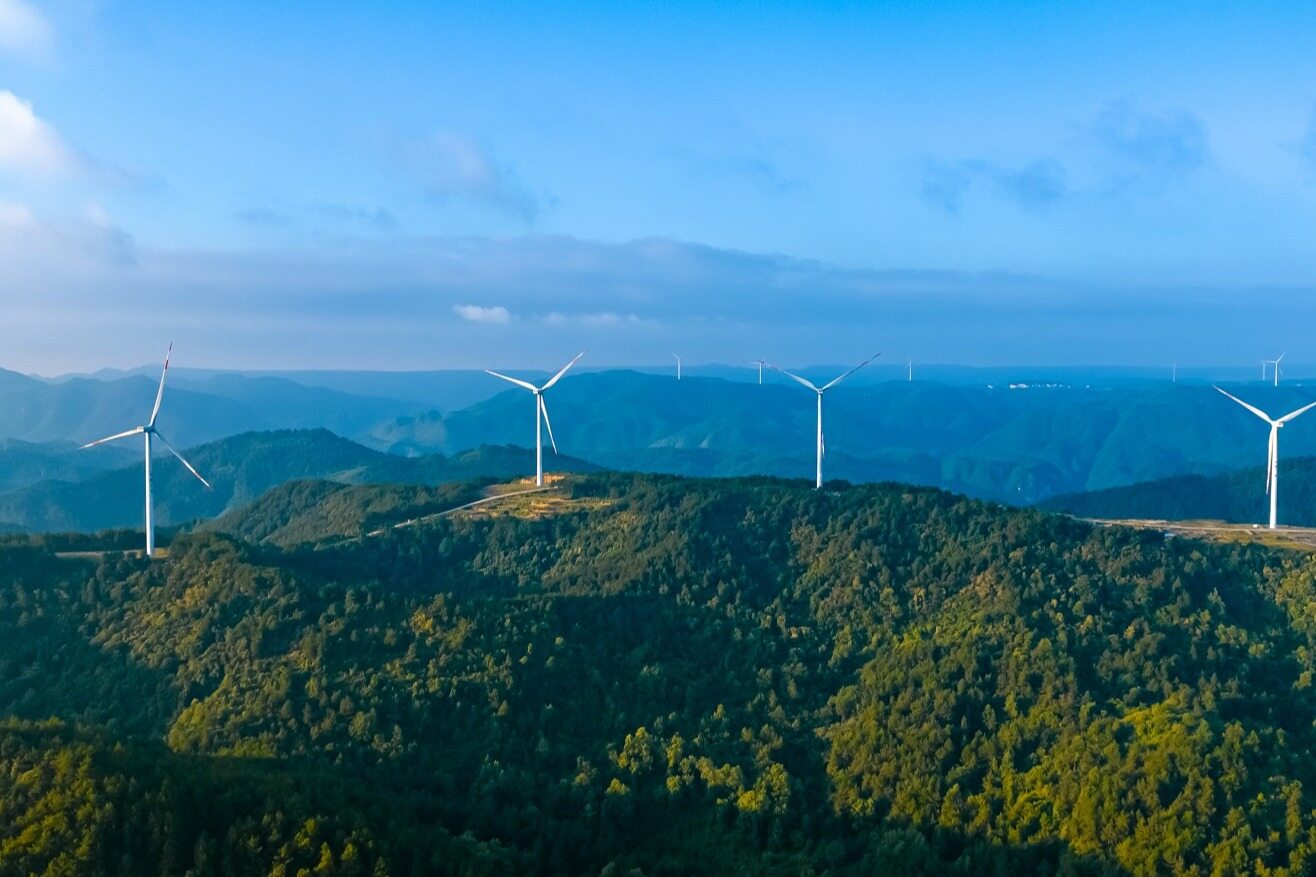
At the beginning of 2026, a news from the Brazilian wind power market has attracted industry attention: Chinese wind turbine manufacturer Goldwind Technology has successfully won its first wind turbine order in Brazil that meets the FINEME financing framework, with a project size exceeding 470 megawatts. This is not just the signing of a commercial contract, but also signifies that Chinese wind power companies have successfully opened up key policy and financial channels in Brazil, an important overseas market, through deep localization strategies, and opened a new chapter in the development of the South American market.
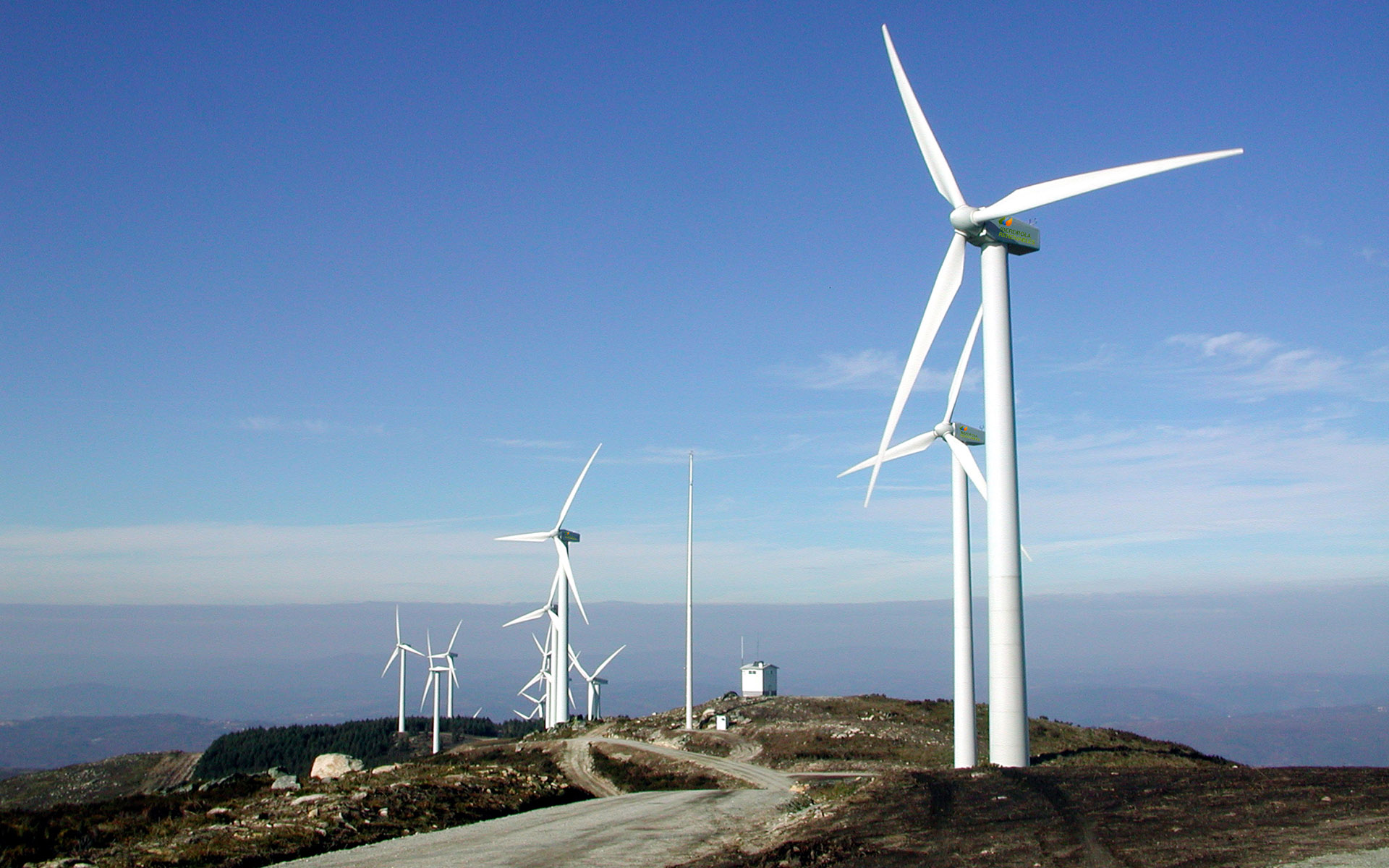
Key breakthrough in integrating local finance
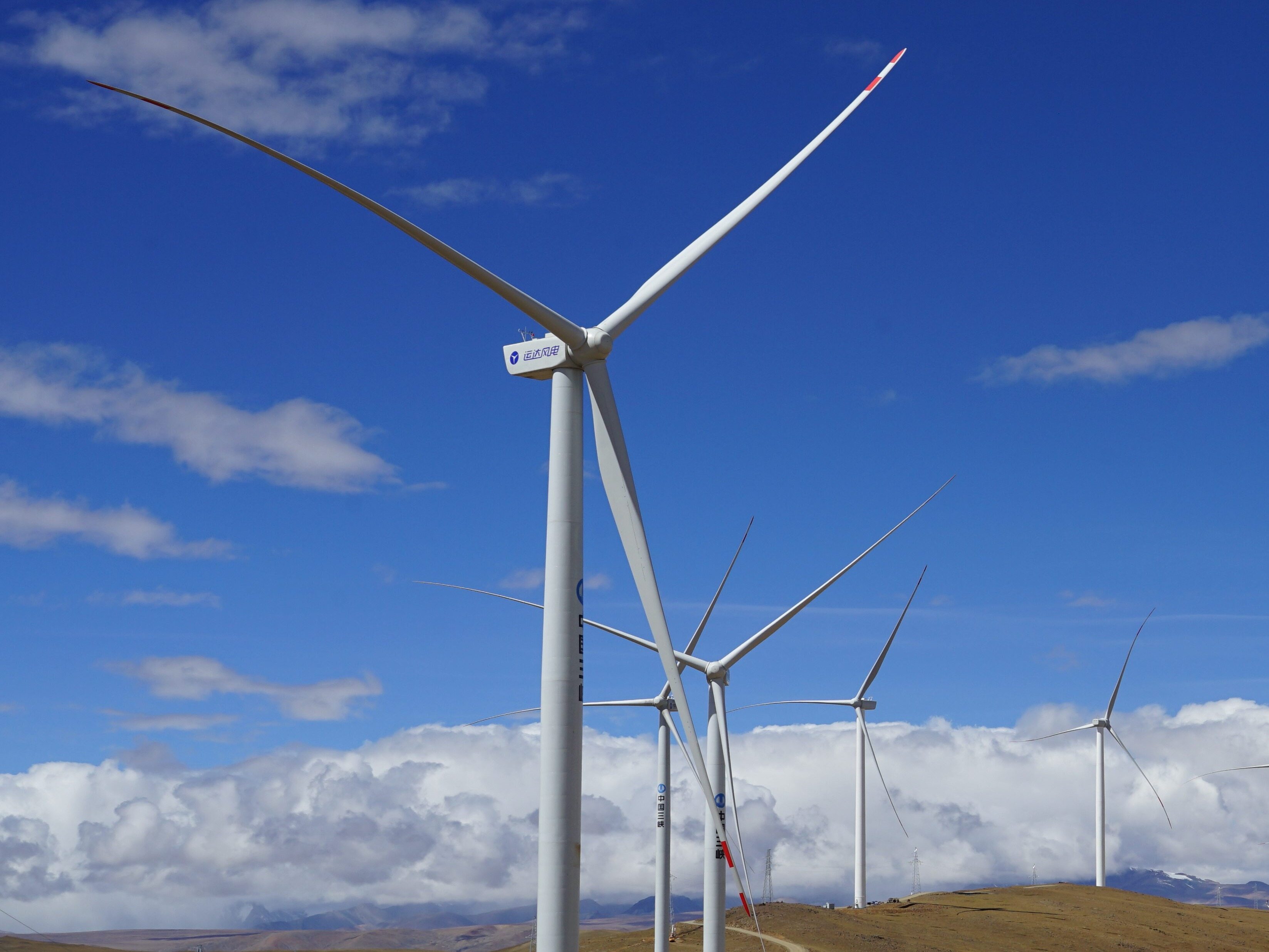
The core highlight of this order is that it fully complies with the FINAME financing framework of the Brazilian National Bank for Economic and Social Development. FINAME is a core policy financial tool in Brazil that encourages the procurement of "domestically produced" equipment. It requires that the equipment must be produced locally in Brazil and included in its certification system in order for the purchaser to obtain long-term low interest loans. The 76 GWH182-6.2MW wind turbines supplied by Goldwind Technology this time will all be manufactured by its local factory located in Camasari, Bahia state, fully meeting the mandatory requirements of "Made in Brazil". This means that project developers can easily obtain financing support from BNDES and Northeastern Bank of Brazil, significantly reducing the funding cost and financial risks of project development, while also providing Goldwind Technology with a "zero default" payment guarantee. The order also comes with a 30-year full cycle operation and maintenance service agreement, reflecting the complete solution capability from equipment supply to long-term asset management.
Capacity and supply chain layout of local factories
Goldwind Technology was able to successfully obtain the FINAME qualification order this time, and its fundamental support lies in the local factory in Bahia that has officially started production in August 2024. As the first wind turbine manufacturing base established by a Chinese manufacturer in South America, this factory has an annual production capacity of 150 units and has passed the INMETRO national certification in Brazil. The factory has not only achieved localized assembly of core components such as engine compartments, wheel hubs, and blades, but more importantly, Goldwind has successfully attracted seven Chinese component suppliers to invest and build factories in the surrounding areas, forming a localized industrial cluster covering blades, towers, converters, and other links, and increasing the proportion of "Made in Brazil" machines to a level that meets or even exceeds FINEME's requirements. In addition, Goldwind has planned to expand the annual production capacity of the base to 450 units and explore derivative businesses such as green hydrogen. At the same time, it will build a hybrid tower manufacturing base in Rio Grande do Sul, Brazil, and construct a dual site supporting layout of "host+tower", demonstrating its long-term strategic determination to deeply cultivate Brazil and radiate to South America. Keywords: Wind Power New Energy News, Wind Power Energy Network
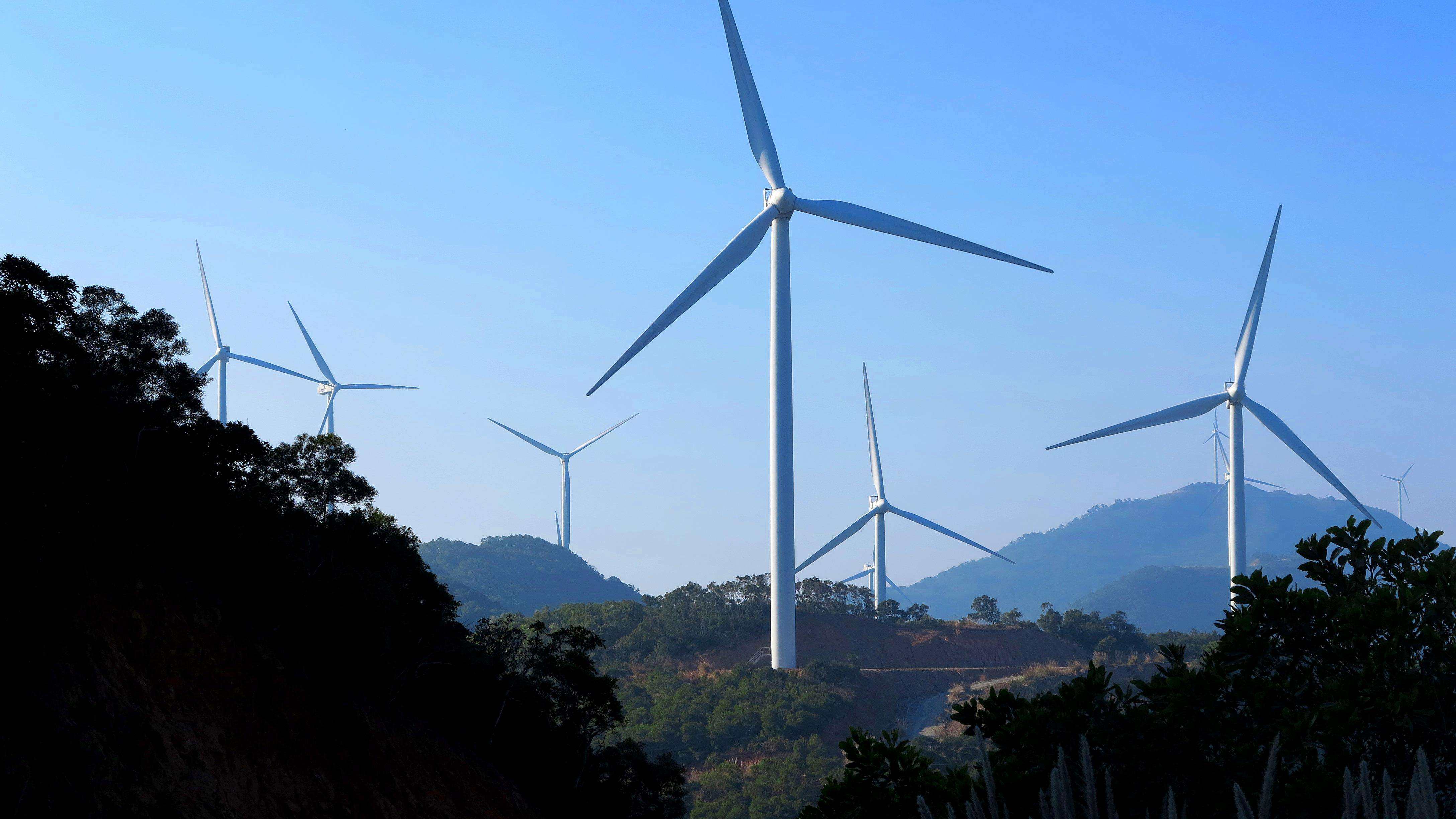
The leap from product export to ecological integration
This order has profound demonstration significance for Goldwind Technology and even China's high-end manufacturing to go global. It marks the "three-level leap" of Chinese wind power enterprises from simple product export, to localized production and manufacturing, and then to deep integration into the host country's industrial and financial system. By meeting strict localization requirements, Goldwind Technology not only won market orders, but also obtained the "admission certificate" and "competitive weight" to participate in Brazil's future renewable energy bidding. The success of this model provides a replicable path for Chinese new energy enterprises in overseas markets, especially those countries with localization thresholds and emphasis on industrial development benefits: that is, through direct investment to build local supply chains, create jobs, drive industrial upgrading, so as to truly achieve win-win development with the local economy and society, and deeply embed enterprise growth into the energy transformation and industrialization process of the host country. (This article is from the official website www.seetao.com of Jian Dao. Reproduction without permission is prohibited, otherwise it will be prosecuted. Please indicate Jian Dao website+original link when reprinting.) Jian Dao website wind power column editor/Gao Xue
Comment

 Praise
 Collect
 Comment

 Share
Share


Write something~