 Search


- From a trillion dollar surplus to 80% global favorability, China wins hearts and minds with 'win-win cooperation'

In today's world, openness and cooperation have become an irresistible trend of the times. It is no accident that China has won more favorable ratings in 76 of the 96 countries and regions surveyed through joint construction of mechanisms such as the the Belt and Road and BRICS cooperation.
When the world is still looking for direction in the aftermath of the epidemic and geopolitical tensions, China's total import and export to countries jointly building the the Belt and Road in the first half of 2025 reached 11.29 trillion yuan, an increase of 4.7% year-on-year, accounting for more than half of the overall foreign trade.
At the same time, China's net assets to the outside world reached 3.81 trillion US dollars, an increase of 16% from the end of 2024, and its international balance of payments remained basically balanced.
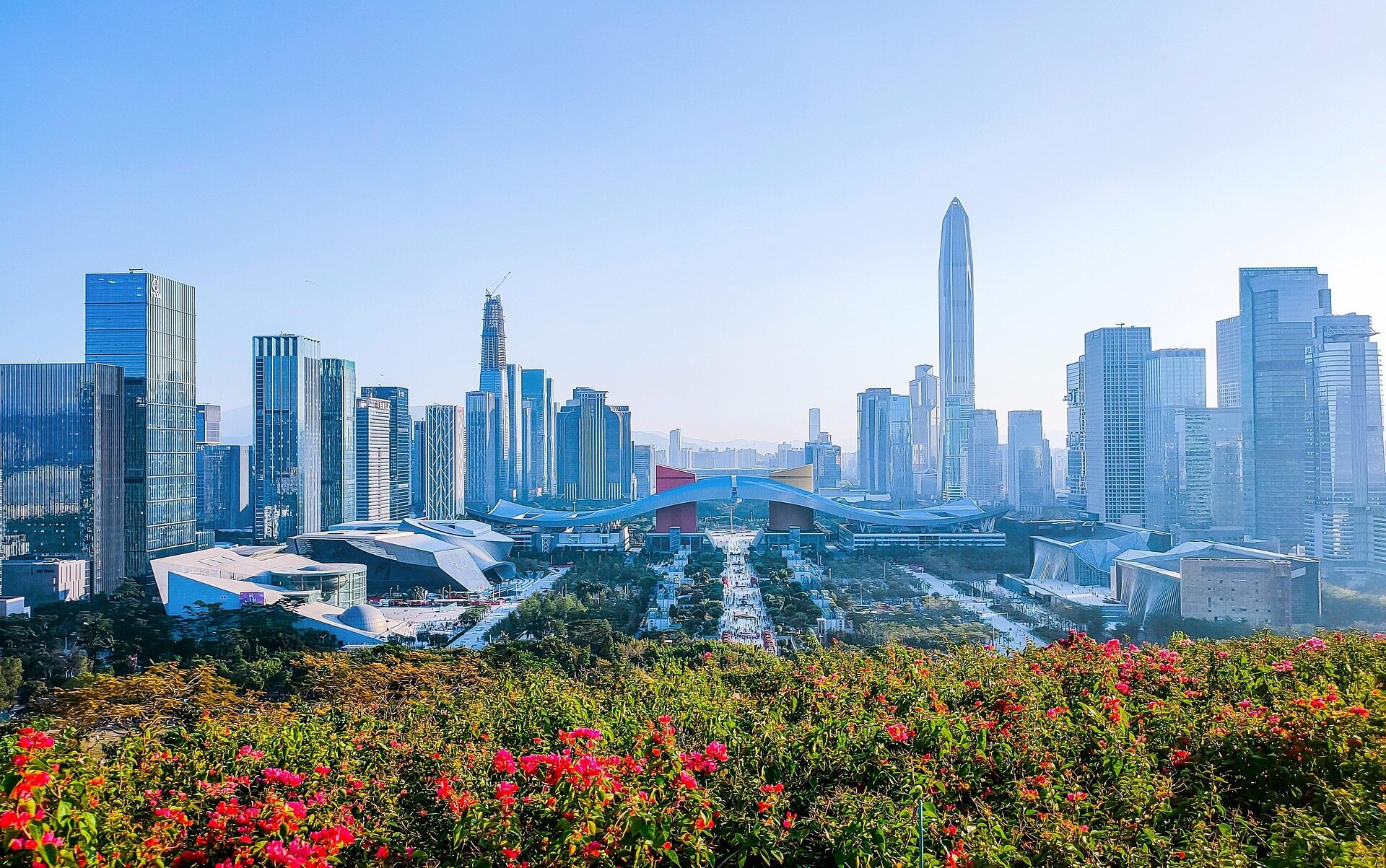
Strategic Differences
Compared with the foreign strategies of the United States and China, the United States is shifting from its role as the "world police" to a regional priority strategy that emphasizes "Western Hemisphere priority". China, on the other hand, has established a comprehensive international cooperation framework through global governance initiatives, global development initiatives, global security initiatives, and global civilization initiatives.
The latest version of the US National Security Strategy report shows that the era of the US independently supporting the world order has come to an end, shifting from its role as the "world police" that intervenes everywhere to a normal country that attempts to "stand alone".
In the report, the Western Hemisphere has become the top region in the world, far surpassing previous rankings.
China has responded to the contemporary issue of "what kind of global governance system to build and how to reform and improve global governance" through the "Global Governance Initiative", and more than 150 countries and international organizations have expressed their welcome and support. In December 2025, the "Friends of Global Governance Group" was officially established, with 43 countries joining, aiming to strengthen exchanges and cooperation around major issues in the field of global governance.
Economic Practice
The transformation of China's foreign trade structure and the deepening of investment cooperation are the most direct manifestations of the concept of open cooperation. With the increase of Chinese enterprises' investment in countries jointly building the the Belt and Road, "Made in China" has shifted from cheap products to high-tech products.
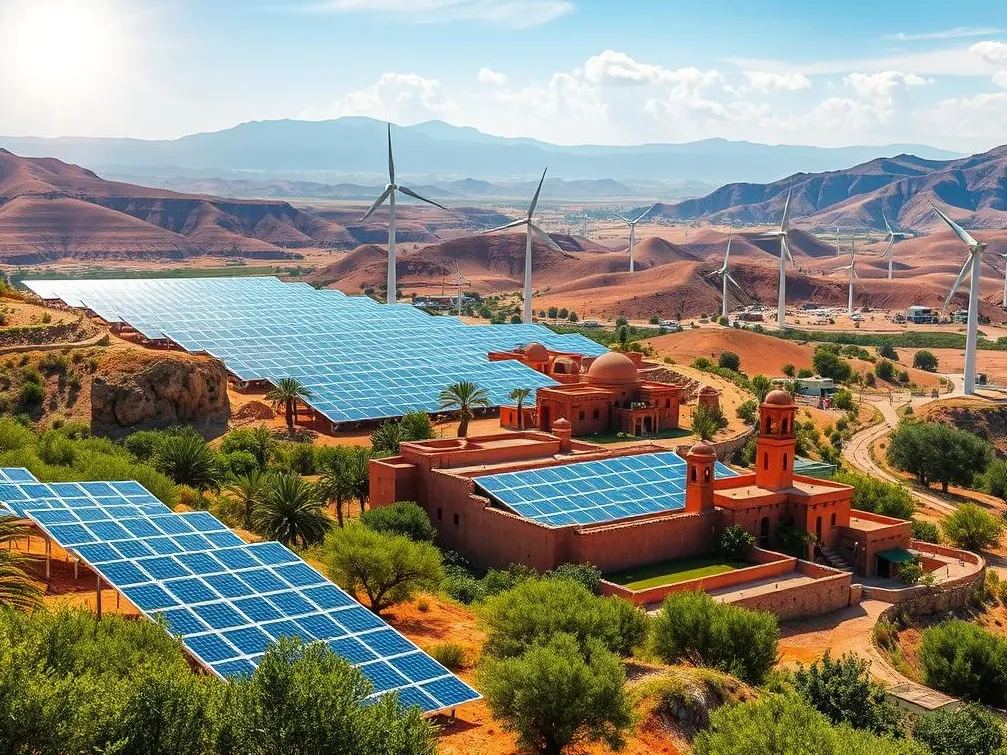
From January to July 2025, the non-financial direct investment of Chinese enterprises in the the Belt and Road countries will reach 160.79 billion yuan, up 24.7% year on year. These investments have given rise to a large number of livelihood projects, making the cooperation results truly benefit the local people.
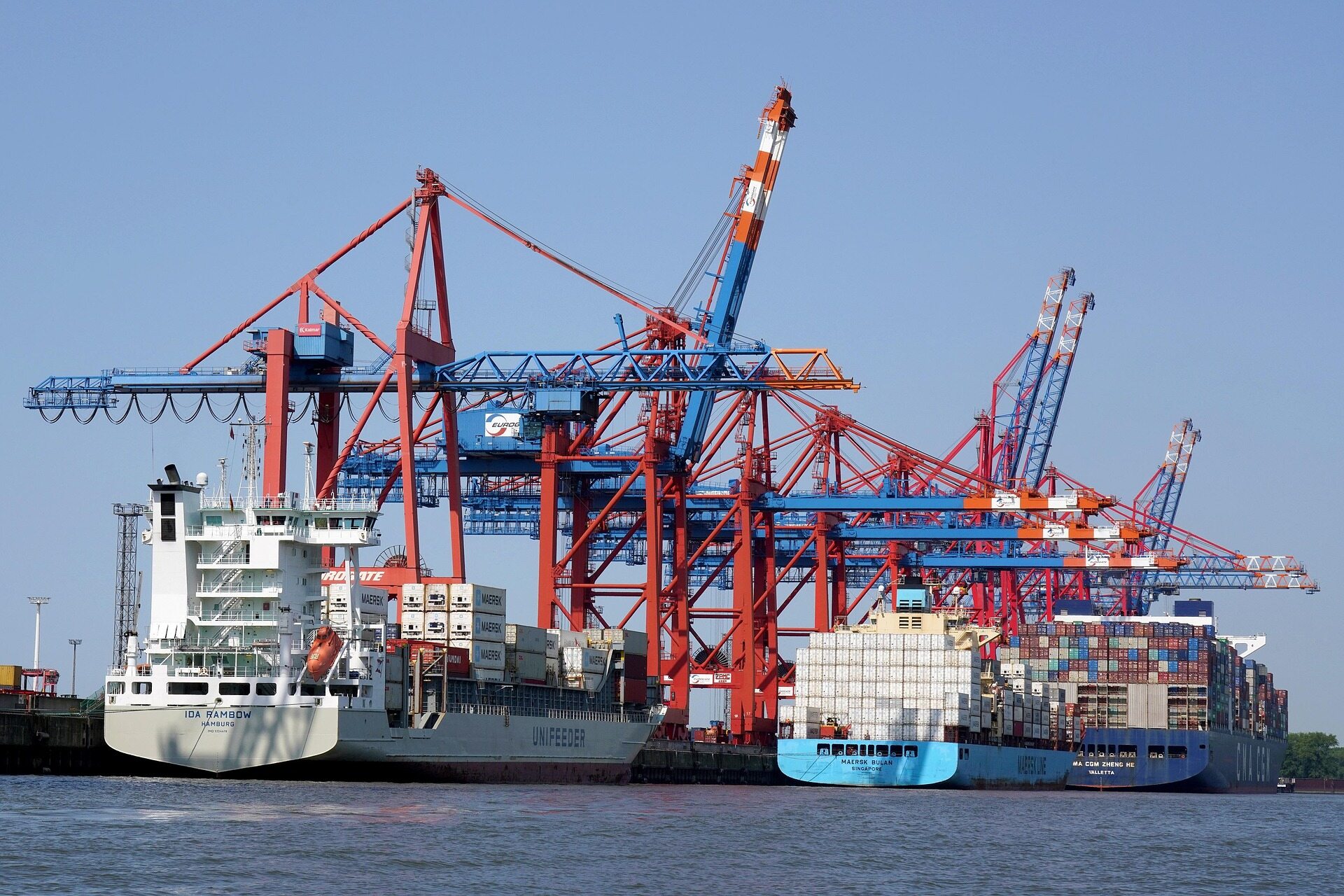
China's exports of electronic components and electrical equipment to co built countries have maintained rapid growth, while its exports of construction machinery for infrastructure construction, as well as wind turbines, instruments and meters that promote green development and technological innovation, have also achieved double-digit growth.
Through innovative transportation methods such as the China Europe freight train, the "Chang'an Express" train departing from Xi'an can cross mountains and seas and connect Europe and Asia in just about 10 days. In the first half of the year, the import and export of dried and fresh fruits, edible oils, cosmetics, and other goods through railway transportation with co built countries has grown rapidly.
Technological cooperation
The fields of artificial intelligence, chips, and digital technology are the forefront of competition between China and the United States, but the attitudes of the two countries in this area are in stark contrast. The United States is attempting to restrict technology outflow through the "small courtyard high wall" strategy.
David Sachs, the White House Chief of Artificial Intelligence and Cryptocurrency Affairs, admitted, "I am indeed concerned that we are on a path driven by fear that may ultimately stifle the current exciting technological advancements
China is helping developing countries narrow the digital divide by opening up artificial intelligence solutions. Azat Ibraimov, an official in the Office of the President of Kyrgyzstan, said, "Currently, private enterprises in our country are using open solutions from Chinese artificial intelligence companies, which can greatly narrow the digital divide between us and developed countries
In July 2025, the 2025 World Artificial Intelligence Conference and High Level Conference on Global Governance of Artificial Intelligence will be held in Shanghai. China proposes to establish a World Artificial Intelligence Cooperation Organization, and the conference releases the "Action Plan for Global Governance of Artificial Intelligence", calling on all parties to work together to promote the development and governance of global artificial intelligence.
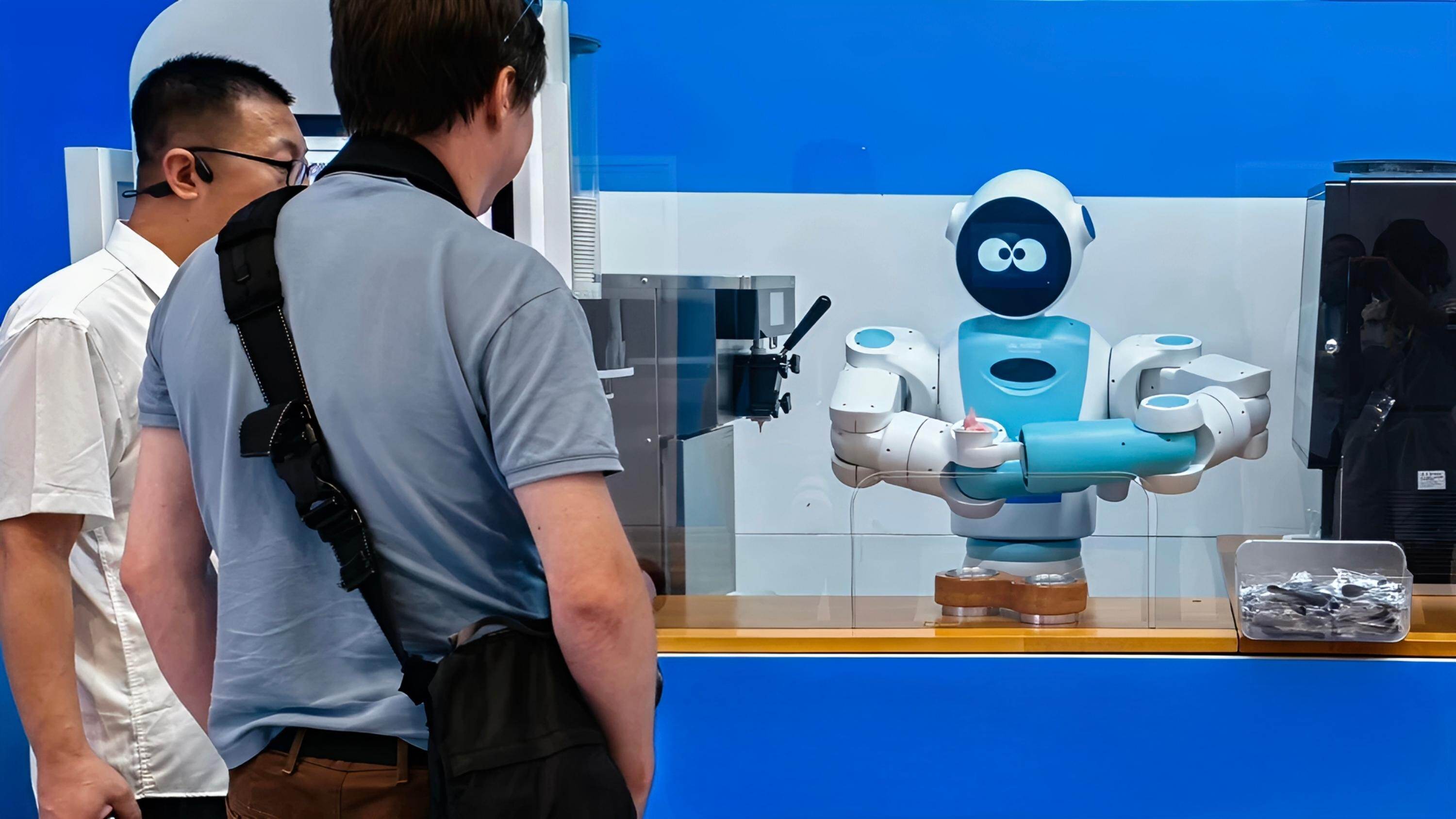
global governance
China actively participates in and promotes the formation of international consensus on global issues such as climate change, artificial intelligence governance, and women's development, in order to make up for the global governance deficit. In 2025, China's diplomacy has demonstrated unique value in this field.
2025 is also the 10th anniversary of the Paris Agreement, and as an important milestone for submitting a new round of nationally determined contributions, China has demonstrated its leadership in global climate governance through practical actions.
Cultural resonance
China's cultural soft power is undergoing a transformation from scale to value resonance through the deep integration of technology and culture, as well as the collaboration of multiple communication entities.
In December 2025, the China Foreign Languages Administration and multiple institutions jointly held the "2025 International Communication Forum of Chinese Culture". The "Space Ground Integrated Interactive Cultural Communication Platform" launched at the forum pioneered the deep integration of aerospace technology and cultural communication.

The dissemination of Chinese culture is showing the characteristics of multiple and coordinated subjects. Under the leadership of the top level, multiple forces, such as national institutions, Internet platforms, overseas enterprises, online celebrities, and ordinary people, are participating together to form a positive interaction force.
The global hot screening of "Ne Zha: The Demonic Children Roar in the Sea", the global rush to buy Rabubu, and the inclusion of the Chinese New Year in the list of intangible cultural heritage of mankind, among other hot cases, mark a new stage in the international dissemination of Chinese culture, from image display to narrative driven and empathetic resonance.
When the United States shrinks from being a "global policeman" to a "Western Hemisphere leader," China has shown a completely different posture in global governance: a comprehensive cooperation framework covering development, security, and civilization with global governance initiatives as the core.
The direct investment of Chinese enterprises in the countries jointly constructing the the Belt and Road increased by more than 24% year on year, and the trade with the countries jointly constructing the Belt and Road accounted for more than half of the total foreign trade. China's net assets to the outside world have increased to 3.8 trillion US dollars, a 16% increase from a year ago. Keywords: Chinese model, social commentary
China's choice is not only to win trade figures, but also to establish global recognition through open cooperation.Editor/Cheng Liting
Comment




 Praise
 Collect
 Comment

 Share
Share


Write something~