 Search


- From palm plantations to server farms, Malaysia is rapidly emerging as the computing hub of Southeast Asia
- The interweaving of cost advantages, policy dividends, and geopolitical landscape makes Malaysia not only a hotbed for digital infrastructure, but also a strategic hub for the global AI competition
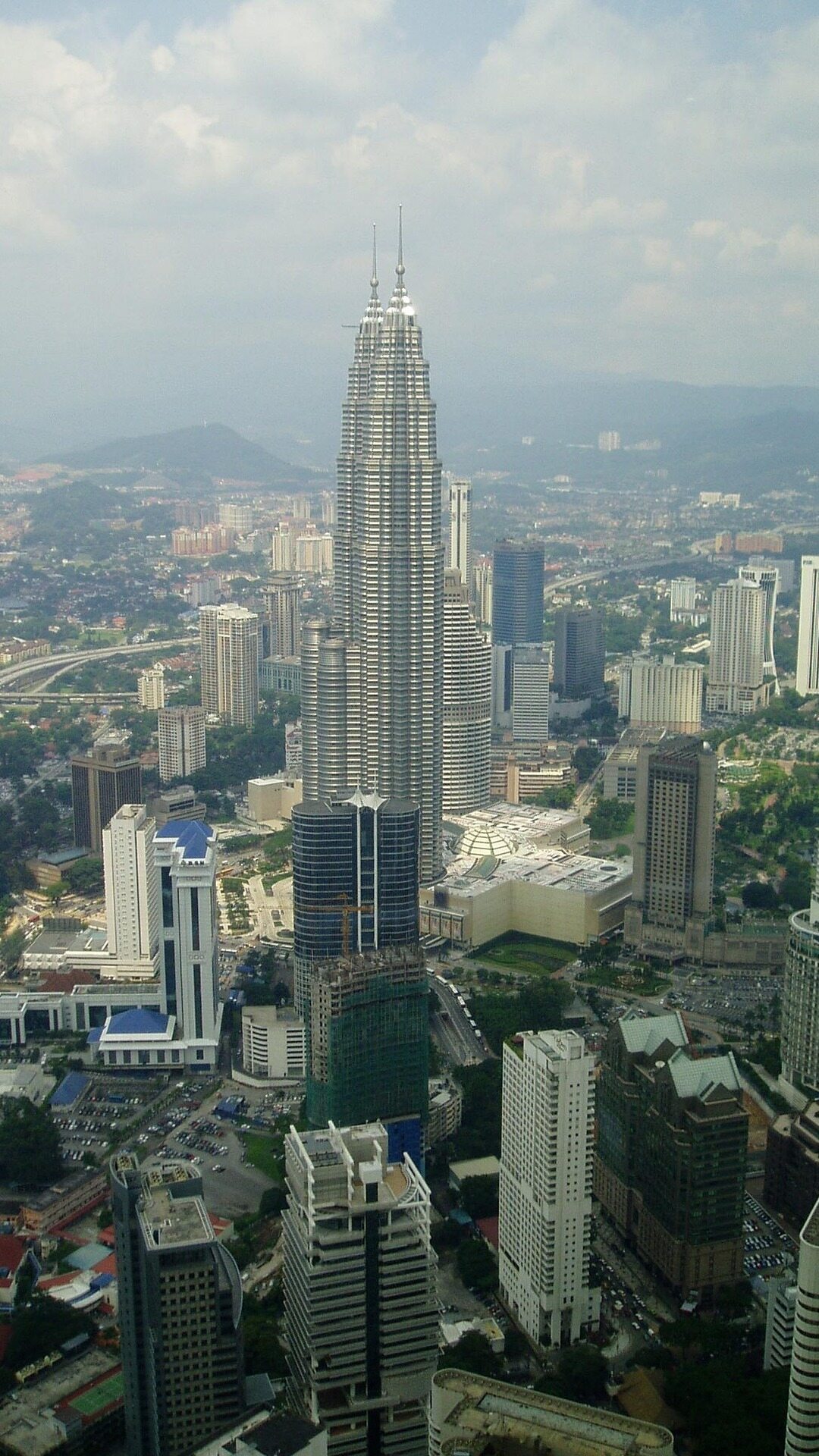
In the complex landscape intertwined with the global wave of artificial intelligence and geopolitical games, an unexpected participant is quietly emerging, reshaping the flow of power and resources in the digital age.
Malaysia, a Southeast Asian country once known for its tropical plantations and traditional trade routes, is now rapidly transforming into a key node on the global computing map. Its rise is not accidental, but the result of the joint action of timing, location, people, and objectively provides a unique "transit port" for the global technology industry chain, especially for Chinese enterprises facing the bottleneck of computing power acquisition. This is not only a transformation of the regional economy, but also a microcosm of the changing global digital power landscape.
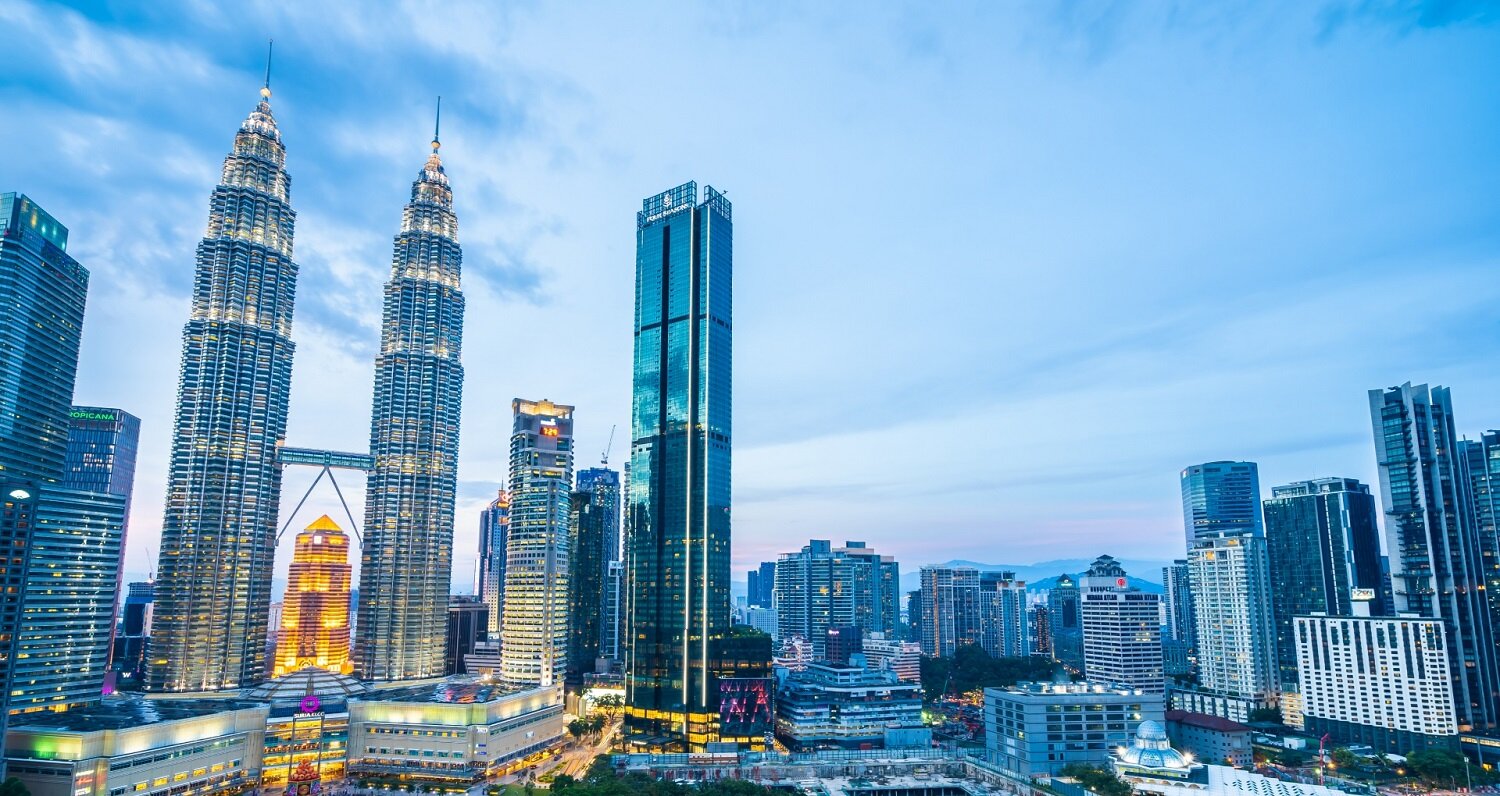
Geographical and cost advantages lay the foundation for computing power
The rise of computing power in Malaysia is first rooted in its unique natural and cost endowments. Located near the equator but far from major seismic zones, it provides the most valuable stable prerequisite for the operation of data centers. The abundant international submarine cable resources make it a natural digital bridge connecting the East and the West.
More importantly, compared to neighboring Singapore, Malaysia has significant advantages in land and energy costs. Its industrial electricity prices are only about half of Singapore's, and its vast land resources provide ample space for high-energy data centers that require large-scale land occupation.
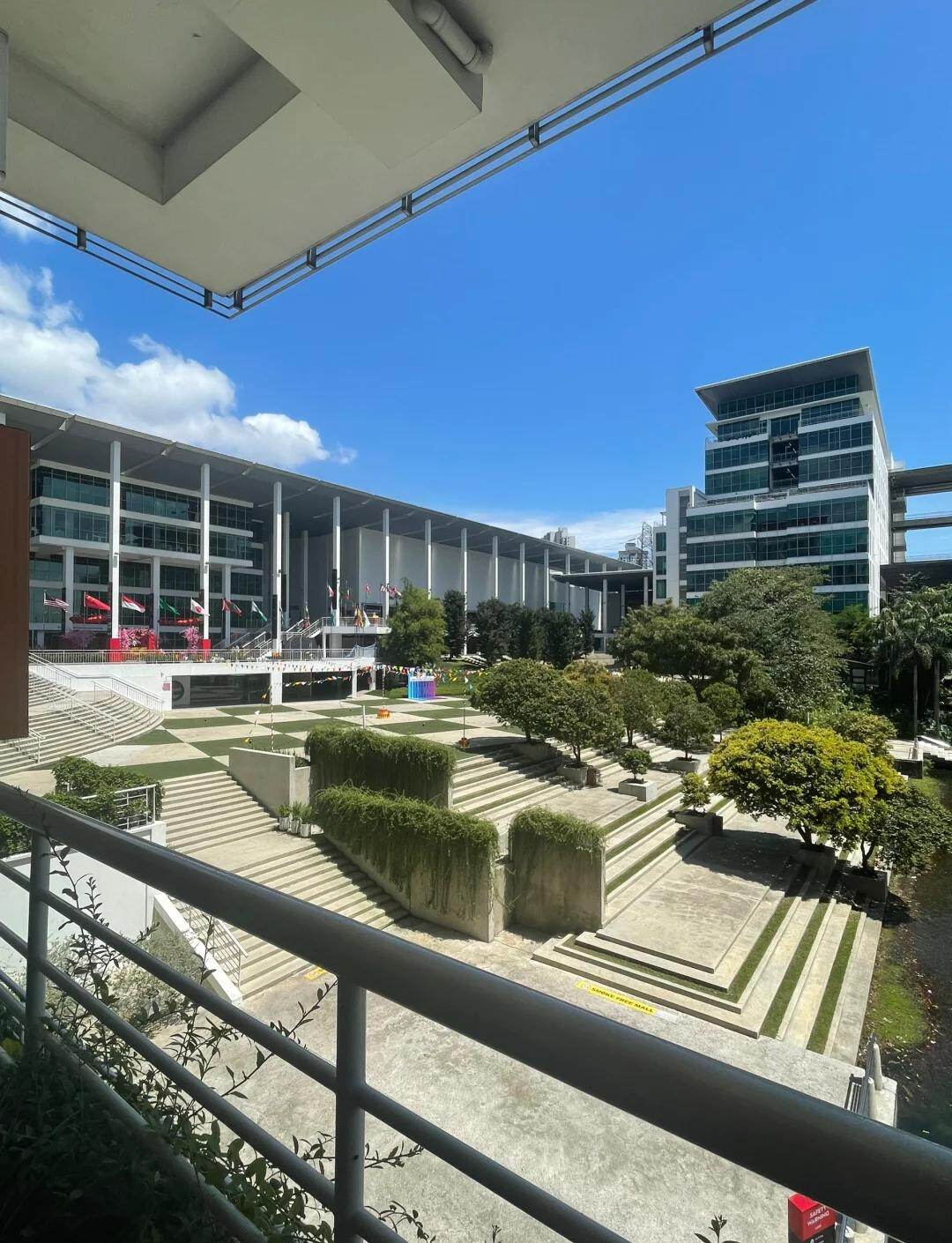
Johor, with its location just across the water from Singapore, has precisely taken on the overflow of data center demand from the latter due to tightened environmental assessments. It has leaped from a candidate site to an investment hotspot, achieving a magnificent transformation from agricultural plantations to server "farms".
Policy initiative and industrial explosion build growth engines
'Geography' requires' people 'to match. The Malaysian government has keenly grasped the global trend of digitalization and actively built an institutional highland to attract computing power investment through the "Malaysia Digital" national strategy and a series of supporting incentive policies. Measures such as tax exemptions, investment subsidies, and approval "green channels" for data centers have significantly reduced investment and operational barriers, accelerating project implementation.
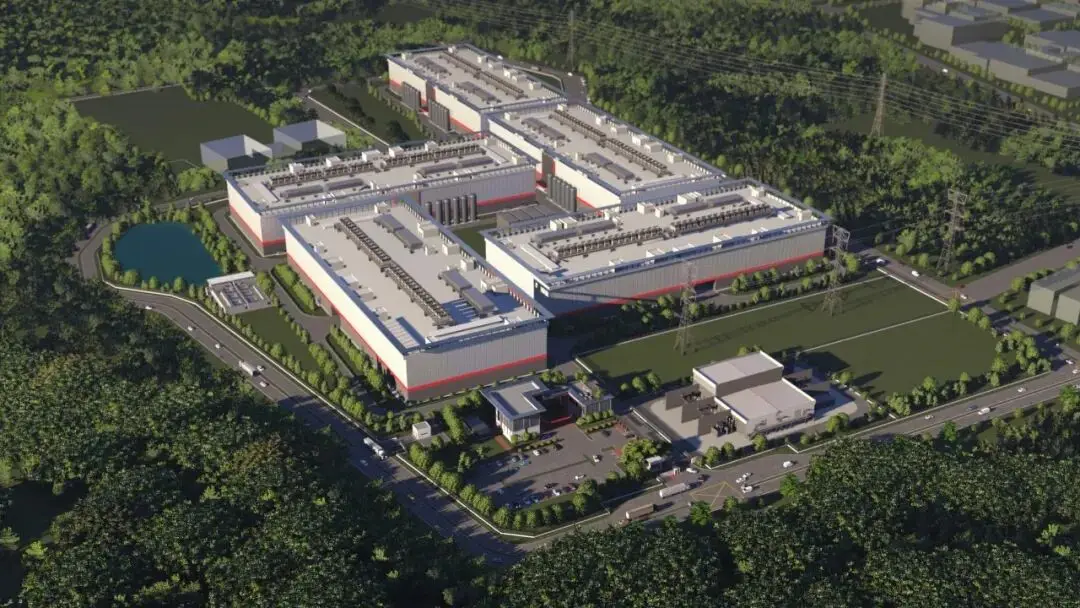
Under this impetus, the data center industry in Malaysia has experienced explosive development. Johor is particularly dazzling, with its planned total data center capacity far exceeding that of Singapore, and projects mainly featuring large-scale, high computing power facilities at the 100MW level, taking the route of winning with big projects. This explosive growth not only drives local investment and employment, but also gives Malaysia an advantage in the global competition for computing infrastructure.
Geographical balance and unlocking unique value through intermediary roles
For Chinese companies, the value of Malaysia goes far beyond cost and scale. Against the backdrop of the deepening technology game between China and the United States, the export control of high-end GPU and other AI computing core components by the United States has posed a bottleneck for Chinese companies to directly obtain cutting-edge computing power. With its neutral diplomatic stance and relatively relaxed regulatory environment, Malaysia has objectively become a compliant 'computing power transit port'.
Chinese companies are able to indirectly utilize the global supply chain to obtain advanced hardware for remote AI training by deploying infrastructure in Malaysia.
Despite the vigilance and pressure from the United States, the cautious balancing strategy of the Malaysian government still preserves real space for the cross-border flow of computing power resources. In addition, Malaysia is friendly to China and has a stable political environment, making it an important pivot for Chinese technology companies to expand into Southeast Asia and reduce geopolitical risks.

The future hub on the new 'spice route'
The rise of computing power in Malaysia is a product of resonance between resource endowment, policy foresight, and global industrial transformation. It is transforming from a traditional economy to a key computing hub connecting the East and West in the digital age, and its strategic significance has surpassed the Southeast Asian region. Just as the Strait of Malacca was once the lifeline of East West trade in history, Malaysia today is expected to become a core supply station on the new "spice route" for global AI computing power flow. However, to maintain this position, Malaysia still needs to address many challenges such as energy sustainability, intensified international competition, and geopolitical balance. Keywords: international news, AI computing power, big data
Anyway, its current path selection not only opens up a new development track for the country, but also provides a unique platform full of opportunities and imagination for global enterprises seeking breakthroughs in the technological game. The trend of the digital age is surging, and Malaysia has successfully entered a critical waterway. Its future direction deserves continuous attention.Editor/Cheng Liting
Comment



 Praise
 Collect
 Comment

 Share
Share


Write something~