 Search


- Saudi Aramco is transforming black gold into a digital currency for electricity in the digital age
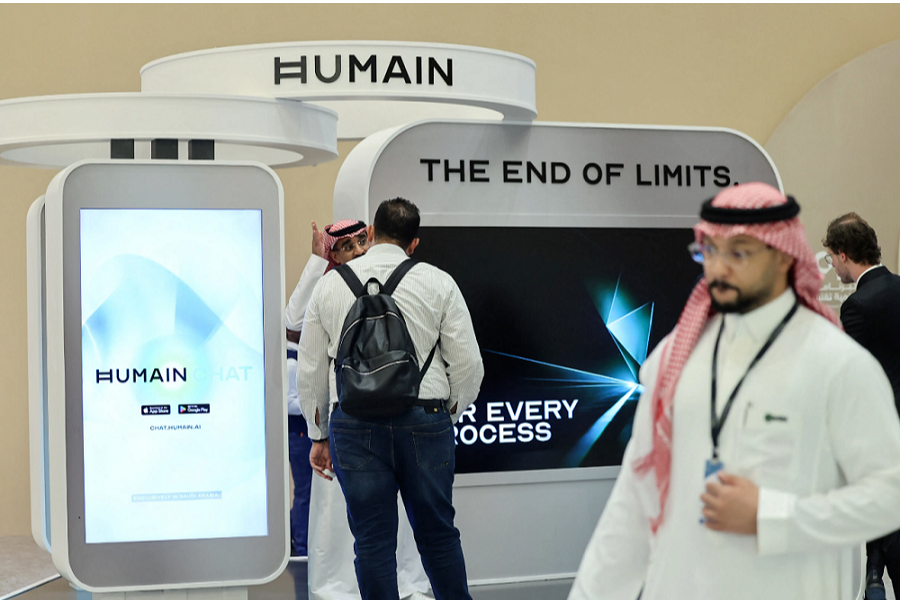
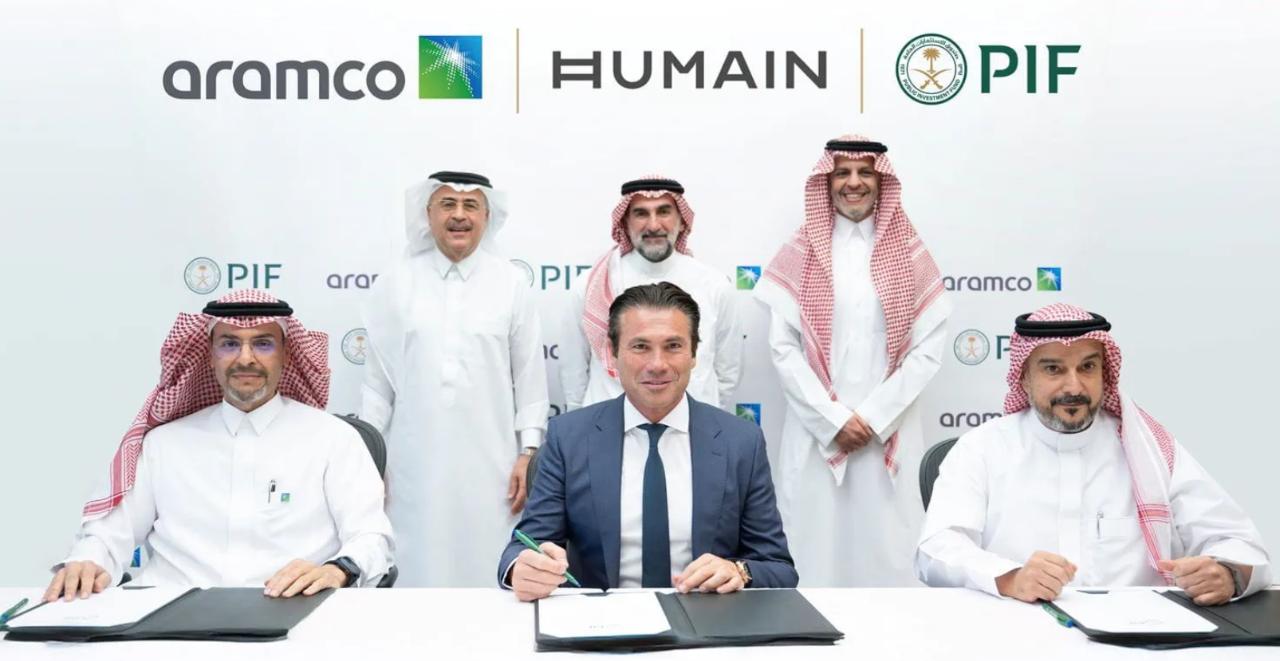
In January 2026, in Riyadh, Saudi Arabia, global energy giant Saudi Aramco reached a heavyweight equity partnership with Saudi state-owned AI company Humain. Analysts point out that this collaboration may create a new business model that integrates energy and artificial intelligence, making low-cost electricity a more promising export commodity than crude oil.
strategic investment
At the end of October last year, Aramco officially announced the acquisition of a significant minority stake in Humain. This energy giant, whose market value fell from $2 trillion in 2019 to $1.65 trillion, is seeking new growth paths.
Aramco CEO Amin Nasser stated in a statement that both parties will jointly develop "industrial AI applications and digital solutions" and accelerate the construction of Saudi Arabia's AI infrastructure.
This move enables Saudi Aramco to directly participate in and lead the development of AI tools, rather than passively waiting for technology supply. The company's strong industrial background and technological needs have spurred this strategic decision.
In fact, Aramco's emphasis on technology has long been evident. Nasser revealed at the Future Investment Initiative Forum in October that the company has created approximately $6 billion in value through technological innovation over the past two years, with about half of it coming from AI applications.
Computing power advantage
Anil Khurana, Executive Director of the Global Business Research Center at Georgetown University, pointed out a key trend: Gulf countries are leveraging their energy cost advantages to create dual sources of income by investing in AI and data centers.
The computing power of data centers is usually measured by energy consumption, and energy prices in the Gulf region are much lower than in Europe and America. A 100 megawatt ultra large scale data center has an annual energy cost of up to $100 million in Europe and America, while in the Gulf region it only requires about $50 million.
Humain plans to build a data center capacity of approximately 6 gigawatts, which is a core part of Saudi Arabia's strategy to become a global exporter of AI computing power. In November of this year, the company signed agreements with American companies such as Nvidia and xAI to deploy high-end AI chips worth billions of dollars in Saudi Arabia and the United States.
Once local chips are put into operation, the Gulf region will have a clear competitive advantage in selling computing power. Saudi Aramco is converting energy into strategic exports measured in terawatt hours and computing cycles.
risk challenge
The realization of this strategic vision relies on the satisfaction of multiple conditions. The sustained strong demand for AI globally is a prerequisite, while regional infrastructure risks are obstacles that must be overcome. The safety issues of the Red Sea submarine cable line directly threaten the stability of the computing power export. At the same time, the high water consumption characteristics of data centers are contradictory to the water scarcity in the Gulf region.
In addition to infrastructure challenges, the AI industry itself also faces uncertainty. Some studies questioned the actual effect of AI in improving productivity, and experts warned that there might be a foam risk in the global AI market.
However, Ahmed Abouelresh from Chalhoub Greenhouse, a startup incubator in Riyadh, pointed out that "Aramco hopes to lead the development of the AI technology it relies on, rather than passively waiting for solutions to emerge. This initiative reflects Saudi Arabia's strategic urgency during the energy transition period.
The global energy landscape is shifting from a single crude oil trade to a dual export model of "energy+computing power", and Saudi Arabia's attempt may become a key test case for this transformation.Editor/Yang Meiling
Comment



 Praise
 Collect
 Comment

 Share
Share


Write something~