 Search


- Beyond oil, Oman is reshaping its future with steel and cement. Relying on a billion dollar infrastructure blueprint, this desert countr
- From green hydrogen energy to smart cities, Oman's grand vision is being implemented into complex projects. This not only tests the construction
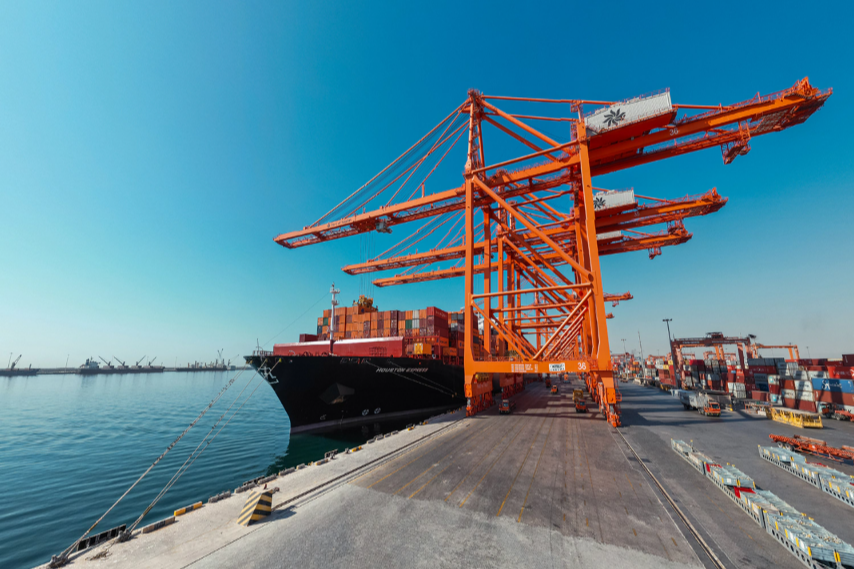
Under the scorching sun of the Sultanate of Oman, a silent construction revolution is quietly unfolding. From the modern opera house by the Gulf of Muscat to the endless construction sites of the Dukum Economic Zone, this traditional oil country is using concrete and steel to write a new identity for the 'post oil era'. The core of all of this is the national transformation blueprint called 'Oman 2040 Vision' - it is not only an economic roadmap, but also pushes a construction market worth billions of dollars into the global spotlight.
Pillars and Ambition: How the Construction Industry Became the Backbone of Transformation
Oman's economic transformation is of profound urgency, as about 70% of its government revenue still relies on oil and gas. Therefore, the core of the "2040 Vision" is to transform the grand goals of the non oil economy into tangible entities - ports, railways, new cities, and industrial parks. The construction industry has become an irreplaceable physical pillar and key engine for achieving this grand narrative. This is not only related to the construction itself, but also to the fundamental reshaping of technology transfer, knowledge localization, and national capabilities.
Top 10 Flagship Projects: The Golden Race that Outlines the Future Outline
Deepening Oman's planning map, a series of priority infrastructure projects clearly outline the future outline of the country. These projects are not only engineering feats, but also strategic pivot points for transformation:
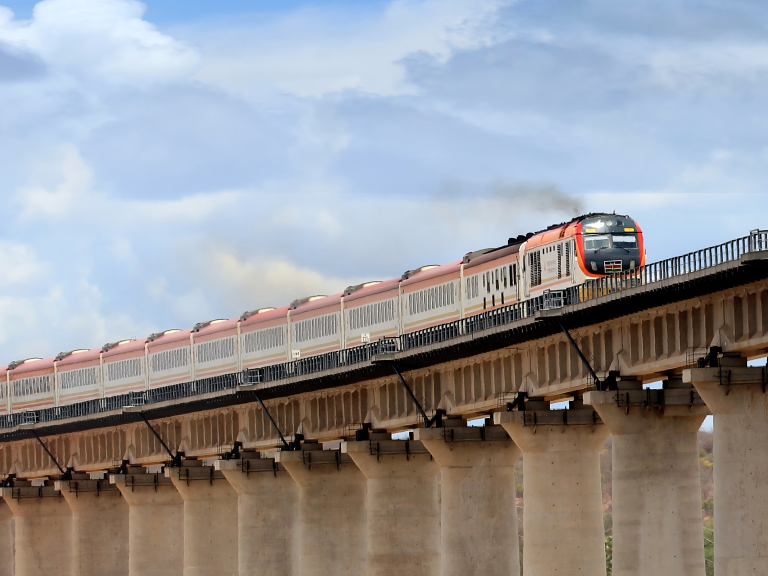
The National Railway Network (planned to be 2135 kilometers) aims to bridge the geographical and economic arteries. Although the first phase of the project has been carefully evaluated and postponed, once restarted, it will bring huge opportunities in areas such as tunnels and bridges.
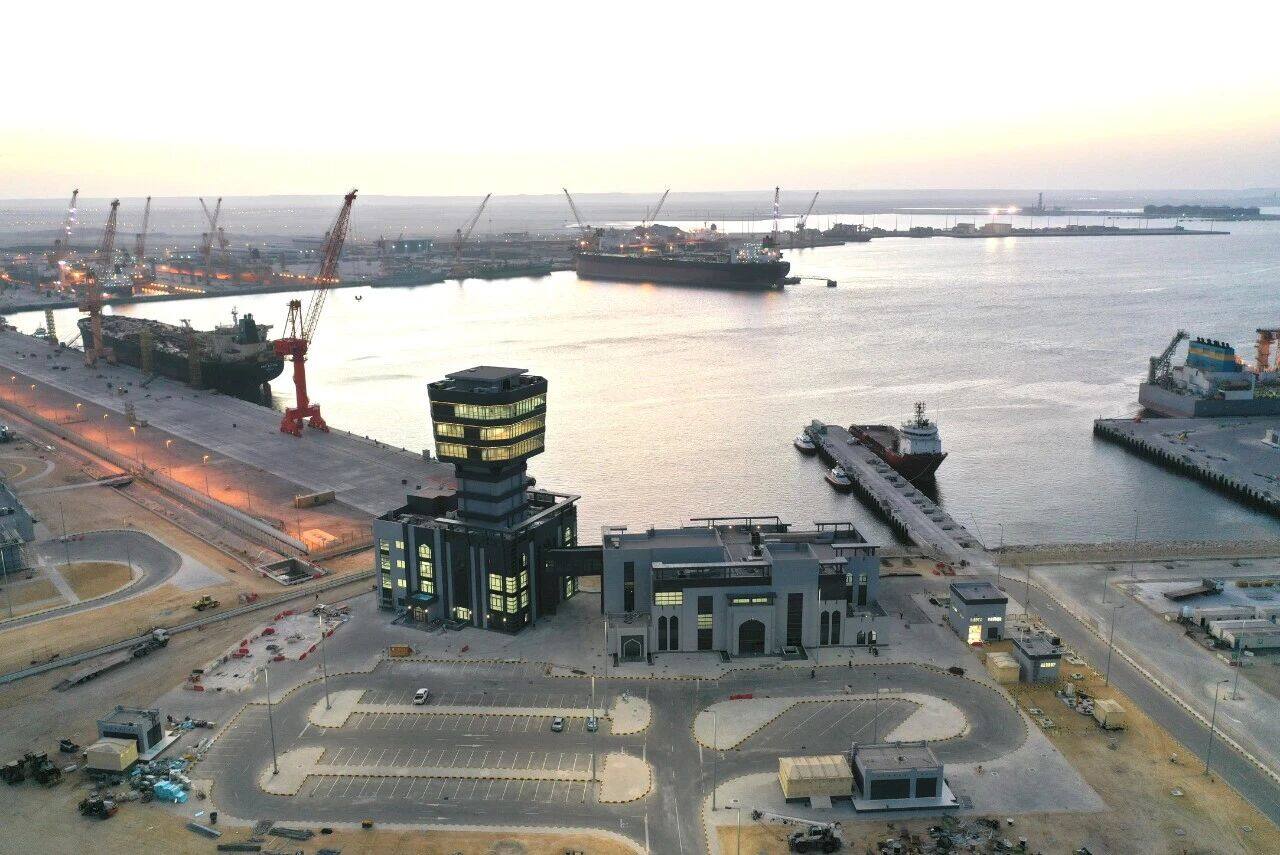
Dukum Economic Zone (covering an area of 2000 square kilometers): As a new industrial heart in the desert, its petrochemical park and port expansion are currently the core, and the demand extends from factory construction to overall industrial zone planning solutions.
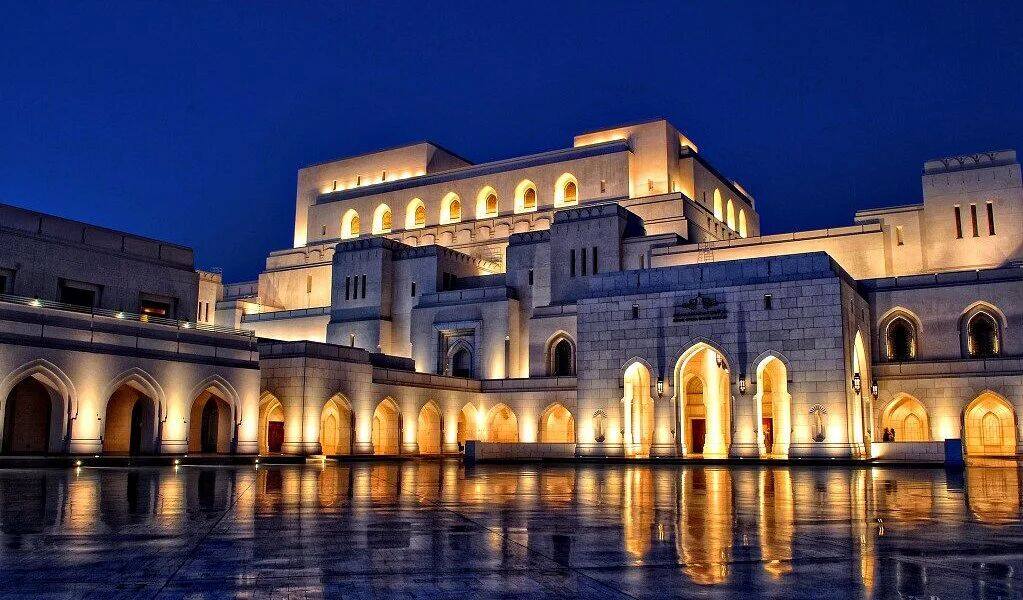
Muscat Coastal Corridor Comprehensive Development: Committed to redefining the capital's skyline, requiring a deep integration of modern architectural language with traditional Omani maritime and castle elements.
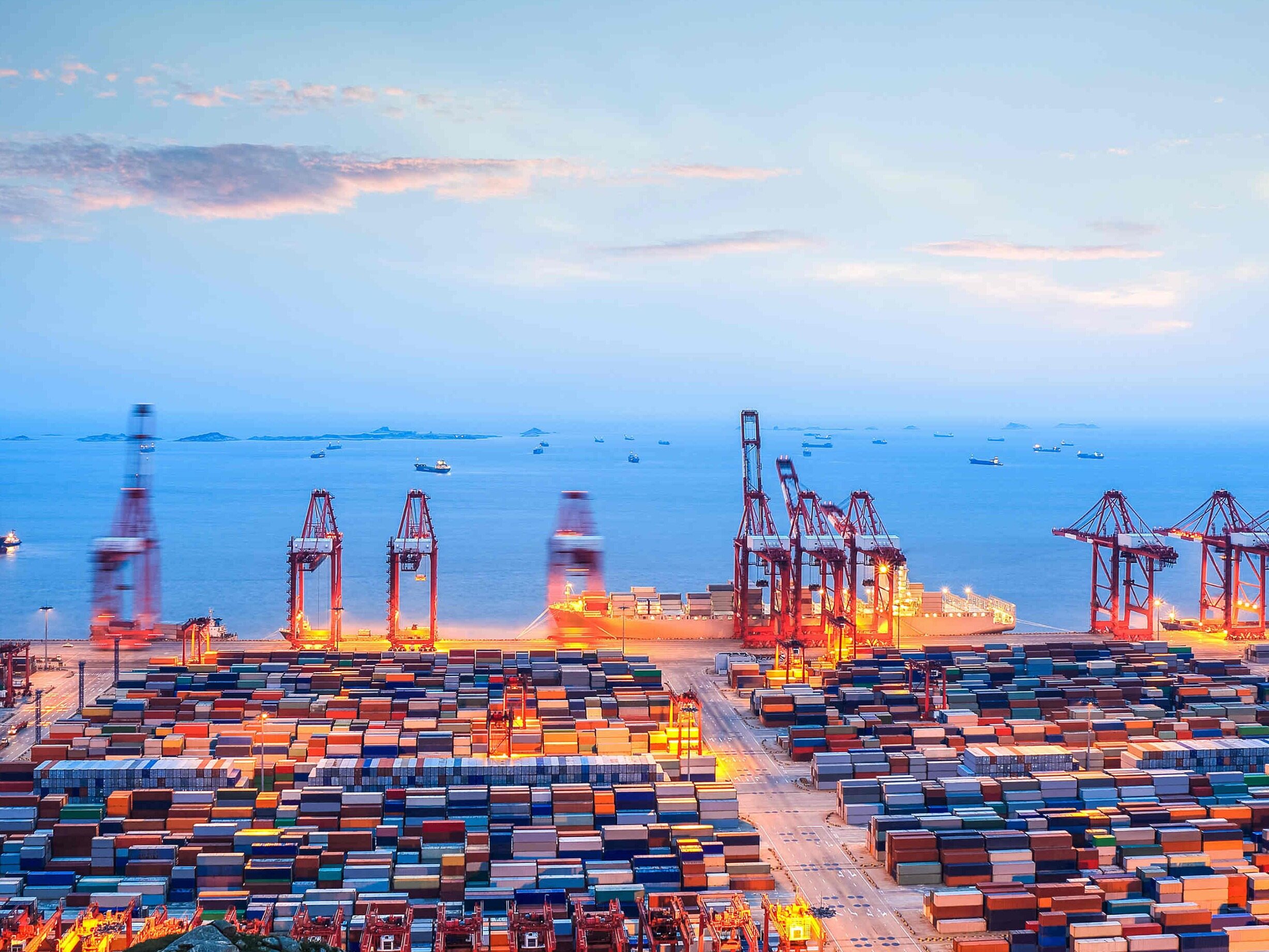
Expansion of the Port of Sierra Leone and Logistics City: aimed at strengthening its position as a regional transportation hub, bringing clear demands to areas such as cold chain logistics and automated warehousing construction.
Green hydrogen energy hub: The goal is to achieve an annual production capacity of no less than 1.1 million tons by 2030, testing the outstanding ability to deliver large-scale energy and chemical projects in extreme environments.
Nizwa Smart City and Heritage Tourism Complex: It is required to be proficient in the restoration of historical buildings and the application of traditional construction methods in modern smart city construction.
Upgrading of Suhar Port Industrial Zone: Focusing on attracting high value-added manufacturing industries, customized factories and research and development centers that meet international high standards are needed.
Masila Island Ecotourism Resort: As a sustainable tourism testing ground, it tests the ability to carry out off grid and low impact construction in remote areas.
National Medical City Network: puts forward extremely high professional requirements for hospital process design, infection control, and intelligent management platform.
National Education and Research Corridor: We need educational buildings that can stimulate innovation and cooperation, and are equipped with advanced laboratory modules.
These projects together constitute a multi-level and diversified huge market, with a total value of tens of billions of dollars.
Deep Logic and Future Trends: The Key to Success Beyond Construction
To succeed in the Omani market, international participants must go beyond their simple role as builders and understand its underlying development logic:
Cultural resonance and technological localization: Successful projects require clever integration of traditional design elements (such as geometric patterns and tower principles), and active promotion of technology transfer and local talent cultivation.
Extreme environmental adaptation and full cycle sustainability: Durable materials and insulation technologies to cope with high temperature and salt corrosion are key, and sustainability has been transformed from a concept to specific bid scoring points.
Grasping the 'national rhythm' and market evolution: The Omani market serves long-term structural adjustment and is not suitable for pursuing short-term rapid returns. In the future, the project model will evolve more towards design build operation integration, and digital delivery (such as BIM) will become standard. Establishing deep partnerships with strong local companies will be a key prerequisite for obtaining large-scale projects. Keywords: social commentary
Oman's 2040 vision is like a giant painting slowly unfolding. For the global construction industry, it provides not only a rich list of projects, but also a historic opportunity to participate in reshaping the country's future. The reward here is for patient builders who understand local logic, have long-term commitments, and can integrate professional abilities into the national construction process. Between the desert and the bay, the door of opportunity has already opened. Editor/Yang Beihua
Comment

 Praise
 Collect
 Comment

 Share
Share


Write something~