 Search


- At the beginning of the 15th Five Year Plan, a blueprint of over 10 trillion yuan has been launched, and construction machinery
- Driven by new quality productivity, China's construction machinery is bidding farewell to price wars and making a leap towards
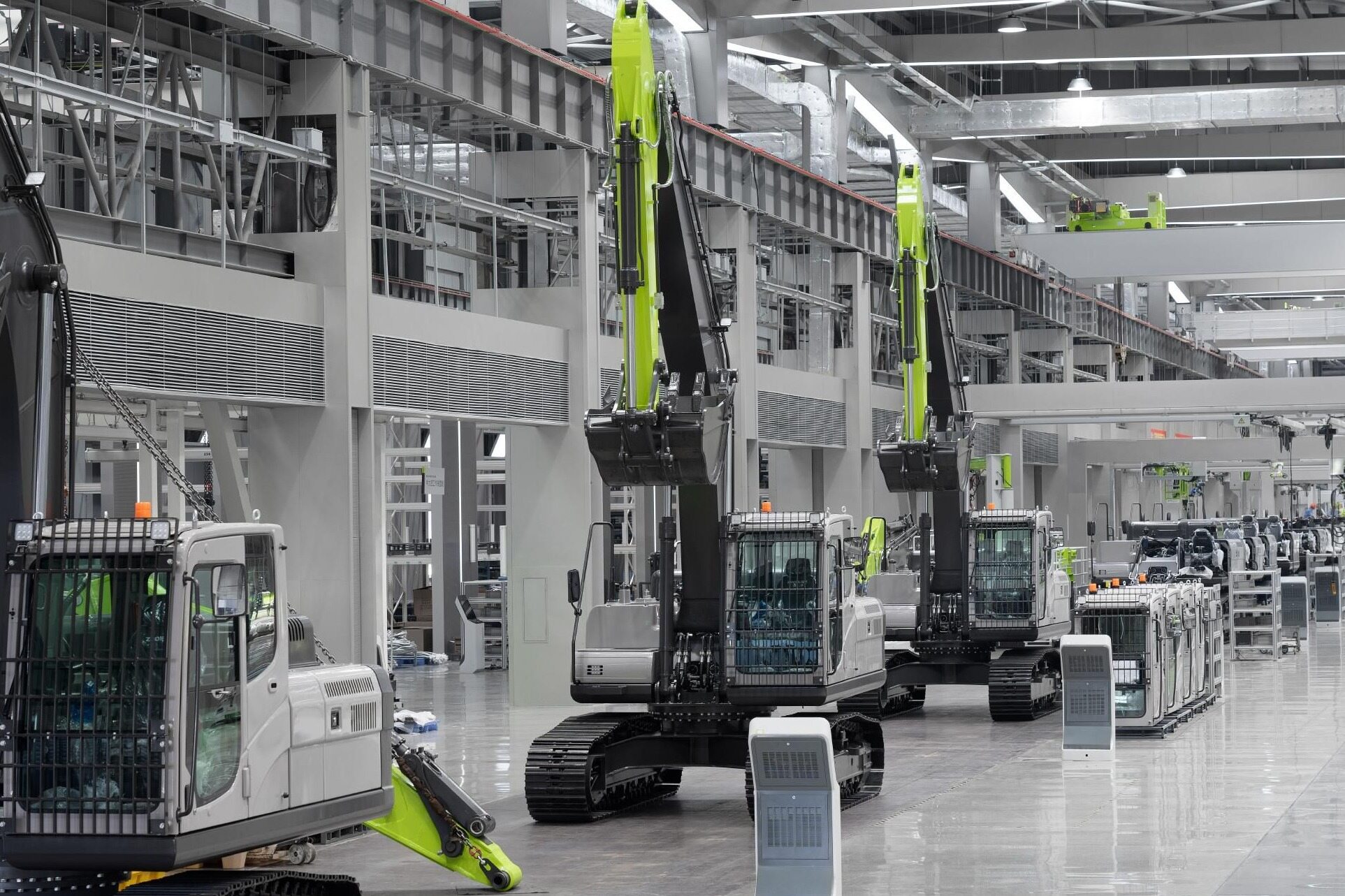
The prelude to 2026 slowly begins, and the "ballast stone" of China's industrial economy - the construction machinery industry - is standing at a critical node of transformation. On one hand, it is the policy momentum of the beginning year of the 15th Five Year Plan, and on the other hand, it is the complex interweaving of traditional cycles and emerging driving forces; On one hand, there is a grand narrative of the continuous expansion of overseas markets, and on the other hand, there is a severe reality of intensifying internal competition. At a time when both opportunities and complex challenges coexist, this massive industry that drives China's infrastructure construction is striving to complete a profound transformation from "scale catching up" to "quality leading".
Dual guidance of policy winds: demand release and quality leap
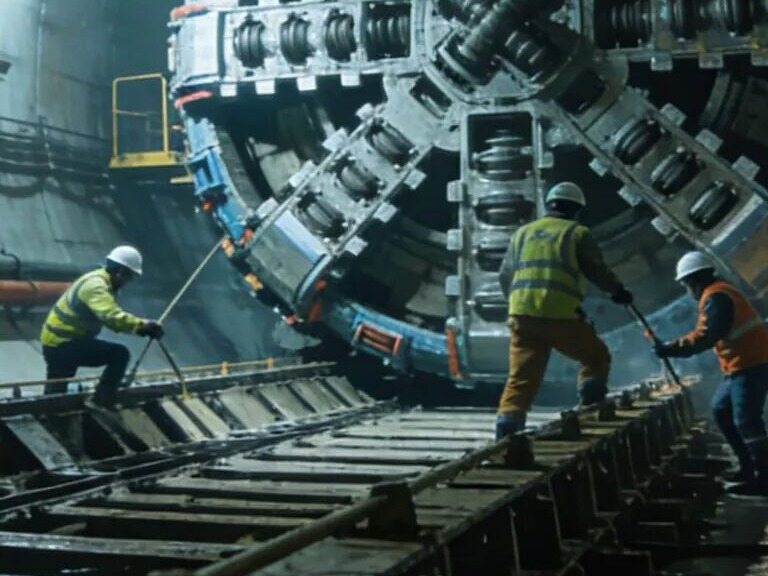
Policy direction is more important than speed. In September 2025, the Ministry of Industry and Information Technology and six other departments jointly issued the "Work Plan for Stable Growth of the Machinery Industry (2025-2026)", setting a macro goal for the industry to exceed 10 trillion yuan in operating revenue and an average annual growth rate of about 3.5% by 2026. Specifically regarding construction machinery, policy opportunities mainly manifest in two aspects. First, the demand was released with certainty. The plan clearly stated that we should accelerate the implementation of the "14th Five Year Plan" major projects and plan ahead of the "15th Five Year Plan" major projects.
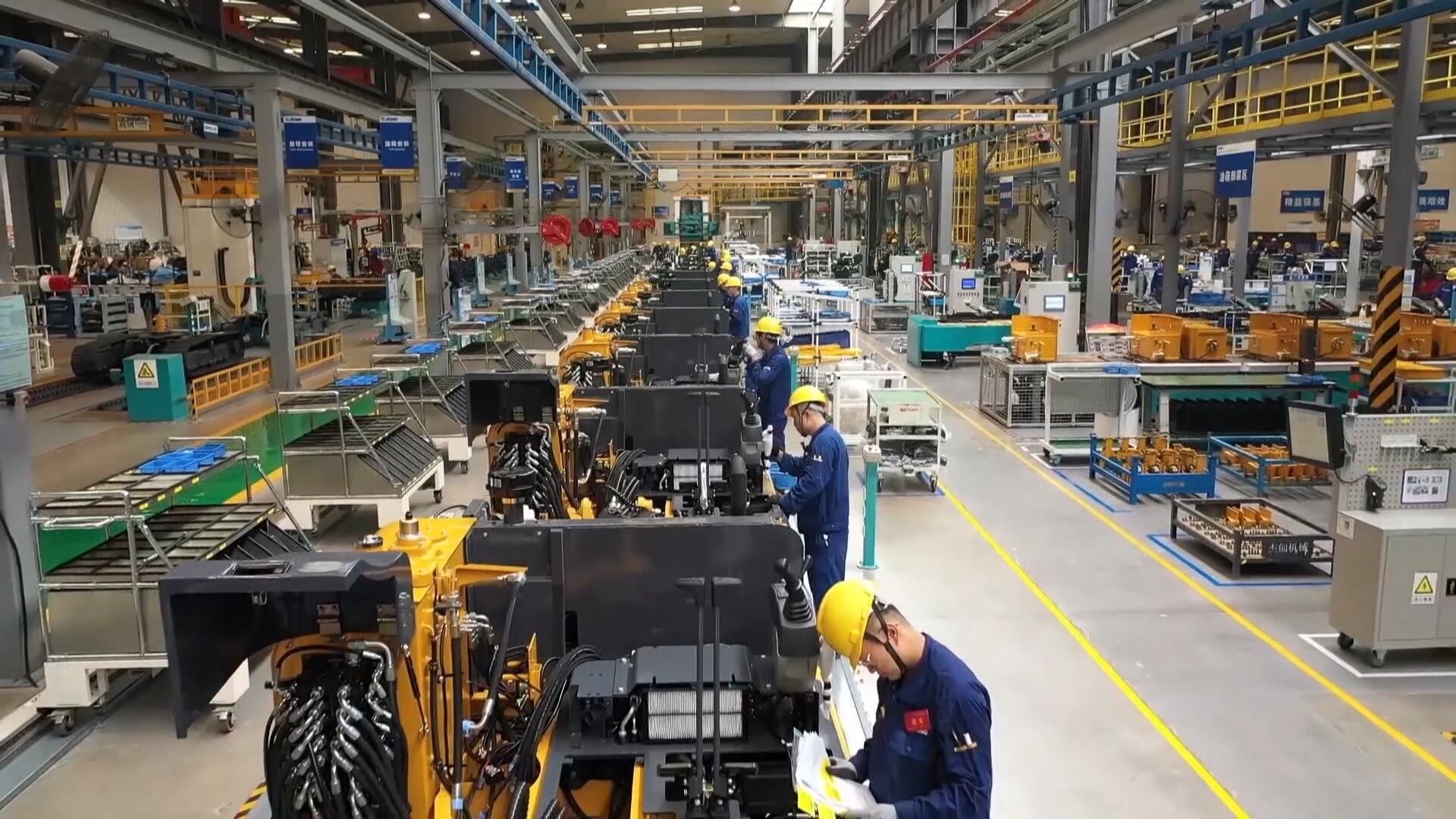
The transportation, water conservancy and urban renewal projects supported by the national super long term special treasury bond will be directly transformed into strong orders for equipment such as excavators and cranes. The second is the clear requirement for high-quality development. The policy emphasizes accelerating the cultivation of new quality productivity and promoting the transformation of the industry towards intelligence, greenness, and high-end. This requires the industry to not only pursue "large quantity", but also achieve "excellent quality", fundamentally enhancing its core competitiveness and risk resistance.
The complex picture of industry recovery: overseas highlights and domestic transformation
Despite the arrival of the wind, the takeoff path of the "elephant" of construction machinery is not smooth. The overseas market is undoubtedly the biggest highlight. In 2024, the industry's export value reached 52.859 billion US dollars, and it is expected to exceed 59 billion US dollars by 2025, with a five-year growth rate of over 125%.
Overseas income has become the revenue pillar for top companies such as Sany Heavy Industry, and exports are moving from a "cost-effectiveness driven" to a new stage of "technology driven". The endogenous driving force of the domestic market lies in stock renewal. As the previous equipment cycle (around 2016-2021) entered the renewal window, a wave of equipment replacement driven by environmental protection and efficiency began in 2025, as evidenced by the surge in sales of electrified products. However, the challenges are equally severe: overcapacity and industry competition coexist in the domestic market, and sales of some product categories have declined; The overseas journey also faces global compliance risks, such as the punishment incident in Indonesia on August 31, 2025, which warns that globalization is a comprehensive shift in the market, rules, and legal environment.
The Road to Breaking Through: From Wind Chasers to Wind Makers
Faced with definite opportunities and complex challenges, the future of the industry lies in actively becoming a "wind maker" and building core competitiveness in three dimensions.
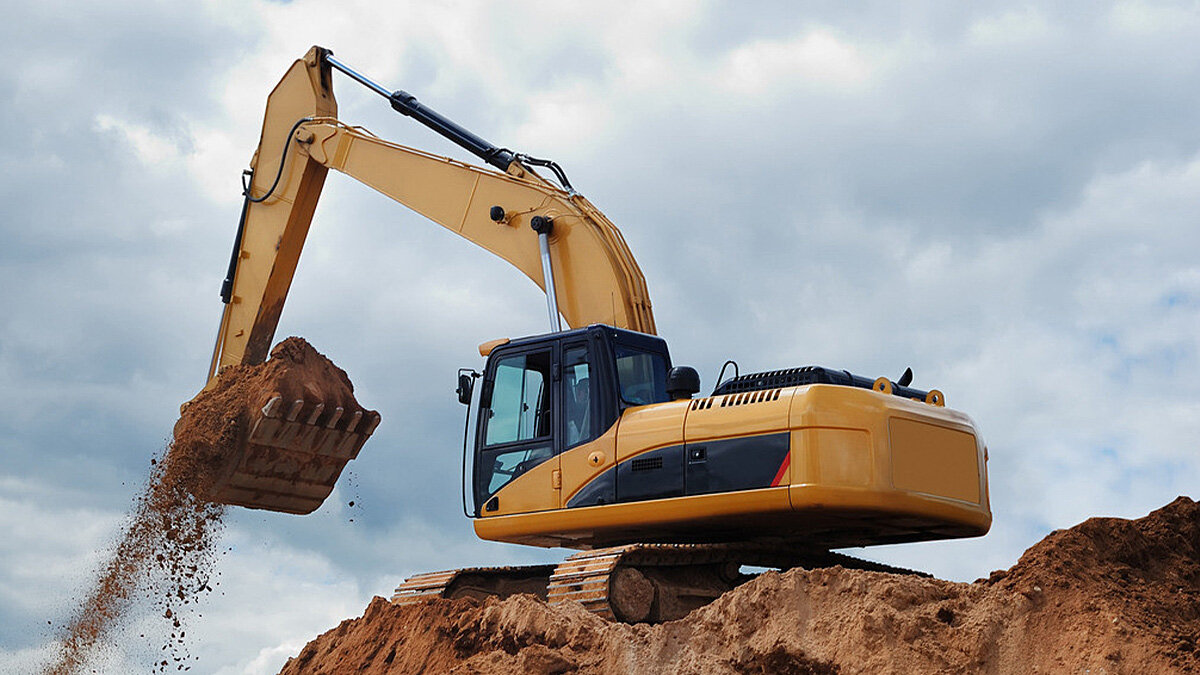
Deepening global integration, from "product output" to "system output": Leading enterprises are achieving comprehensive output from single product sales to technology, services, standards, and even management systems through overseas localization and deep cooperation.
Focusing on value competition, shifting from "price wars" to "solutions": The logic of competition is changing, and leading companies are abandoning low price strategies and providing solutions centered on higher reliability, lower lifecycle costs, and better services.
Leading technological innovation and shaping an irreplaceable 'long board': The core competitiveness of the future lies in the technological high ground. This includes not only the ability to customize super large equipment for major projects, but also the leading ability to promote the deep integration of electrification and intelligence, create new construction paradigms, and more importantly, actively participate in international standard setting, achieving a leap from "product going global" to "standard going global".
The curtain of the 15th Five Year Plan has already begun. For Chinese construction machinery, this is not only an opportunity to ride on the policy wind, but also a self revolution that must be completed. The path from a cyclical industry that relies on infrastructure investment to a growth industry that relies on technological innovation and global operations is clear. Only those with the hardest wings and the most stable posture can fly the highest and farthest in this wave of high-quality development. Editor/Yang Beihua
Comment


 Praise
 Collect
 Comment

 Share
Share


Write something~