 Search


- The project will help China's green digital infrastructure and promote the construction of the the Belt and Road data hub
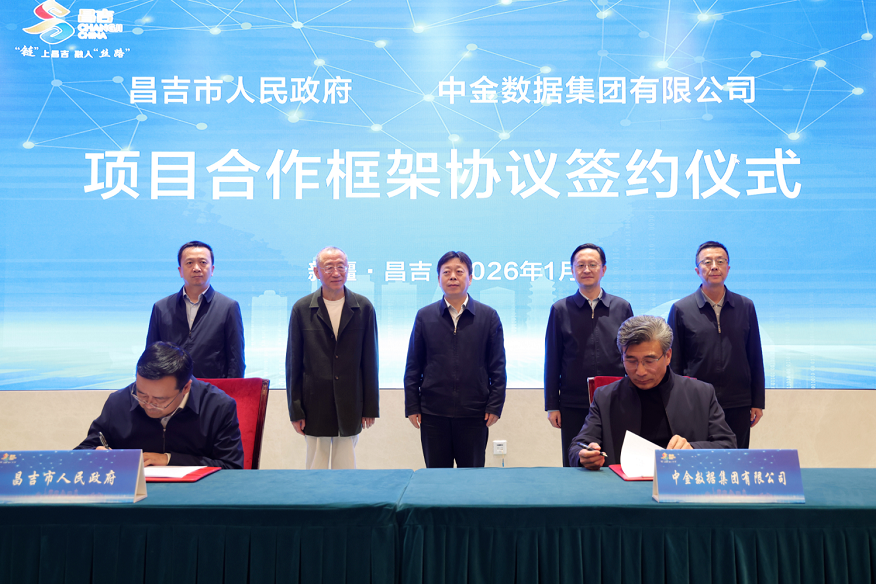
On the vast Gobi Desert of Xinjiang, a land of over 1500 acres is quietly brewing a digital and energy revolution. On January 16, 2026, with the signing of an investment agreement between Centrin Data and Changji City, Changji Hui Autonomous Prefecture, a super large zero carbon computing power park with a total investment of approximately 31.368 billion yuan was officially established. This is not only a pilot area for collaborative computing and electronics, but also a strategic hub of the land-based Silk Road, carrying the mission of connecting the East and the West and promoting green innovation.
Zero carbon computing power cluster layout in Xinjiang
The overall construction goal of the project is 1.44GW, with the pilot project located in the Xinjiang Information Industry Park in Changji City, with an investment of approximately 7.842 billion yuan and a planned IT output of 360MW. The expansion project will be laid out in other areas of Changji, forming a multi-point and multi center collaborative network. At this point, Zhongjin Data has established three major zero carbon computing power clusters in Xinjiang, Zhongwei, and Ulanqab, providing a solid foundation for the development of China's digital economy.
100% renewable energy guarantee
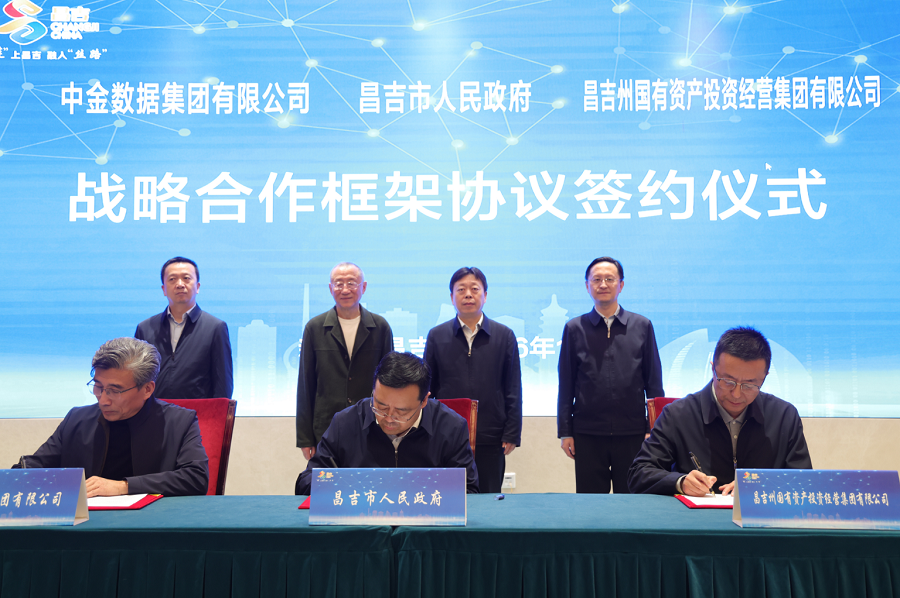
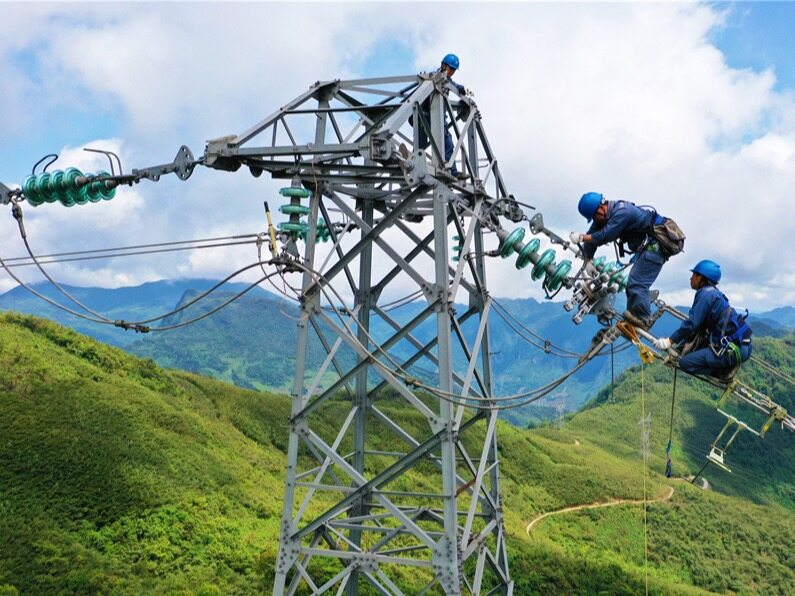
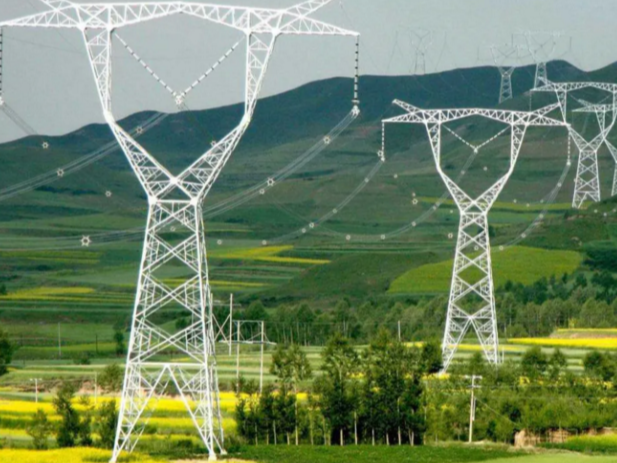
During the same period of signing, Centrin Data signed a green power strategy agreement with the People's Government of Changji City and Changji State Investment. The project will fully utilize the excellent endowments of solar and wind energy in Xinjiang to stabilize the load and assist in the local consumption of new energy, achieving the goal of "load based source and source load interaction" in computing and electricity coordination, and providing long-term low-cost, fully green energy security.
Enabling the Internet and the Big Model
After the completion of the park, it will provide zero carbon traceable computing support for Internet and large model users, and reduce the cost of energy use in the digital industry. The project not only strengthens China's leading position in the field of green computing, but also injects new impetus into digital cooperation along the the Belt and Road through the collaborative computing model.
The project is expected to drive local employment and industrial upgrading, becoming a new engine for high-quality development in Changji and even Xinjiang. Under the dual goals of carbon neutrality and digital China, the rising zero carbon computing power of the Silk Road is quietly reshaping China's digital frontier.Editor/Yang Meiling
Comment





 Praise
 Collect
 Comment

 Share
Share


Write something~