 Search


- Solved drinking water for millions of people and irrigated 1.46 million acres of farmland, nourishing the lives of several generations
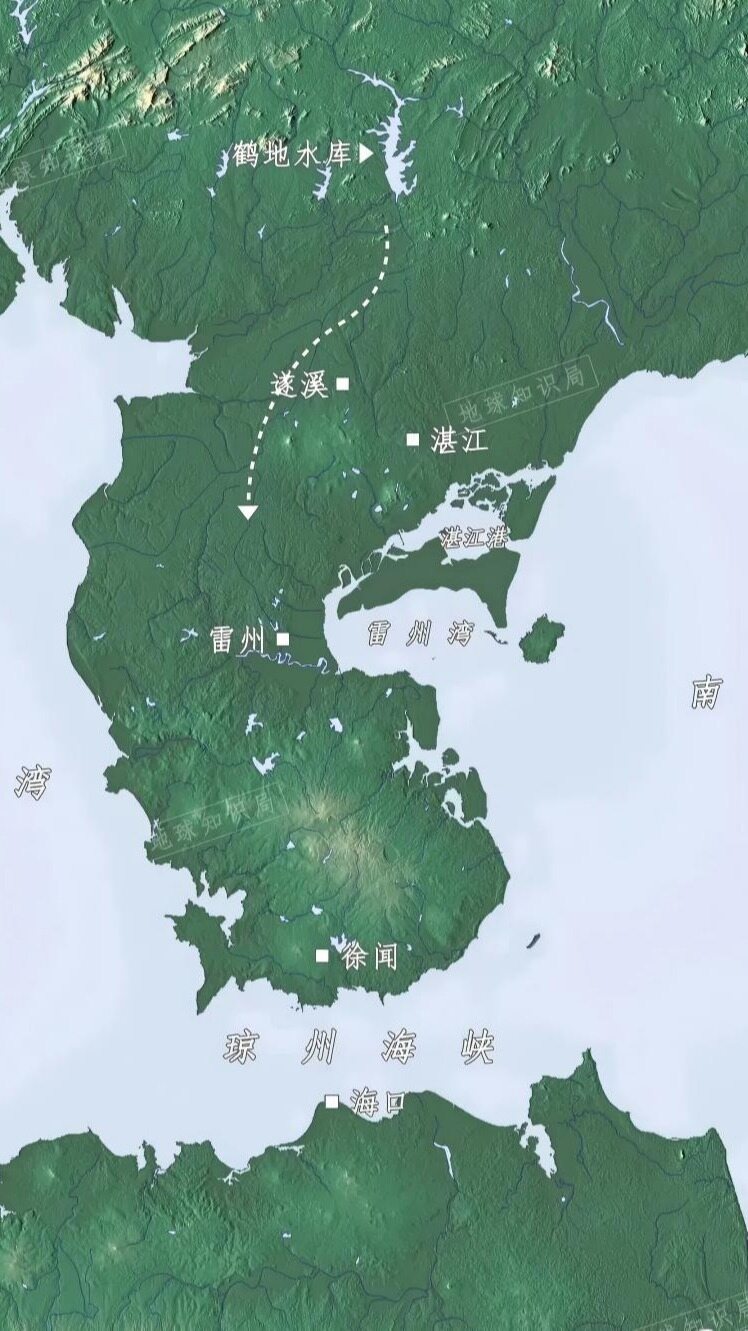
In the southernmost part of mainland Guangdong, the Leizhou Peninsula, it was once a barren land with nine droughts in ten years in history. Water is the deepest desire of generations of people here. Until the late 1950s, a magnificent epic written by 300000 ordinary people completely changed the fate of this land.
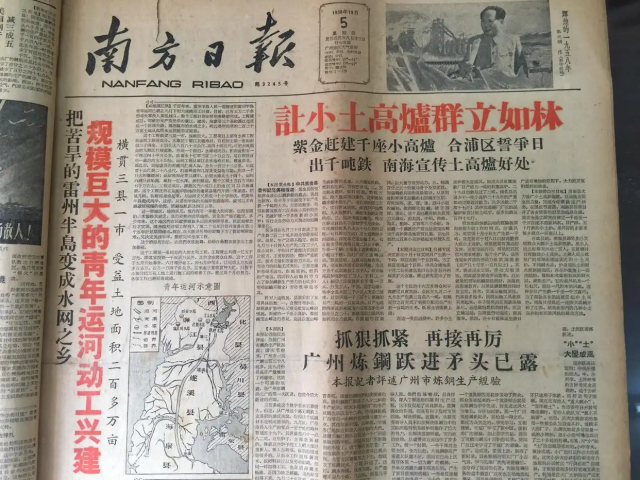
The story began in 1956. Faced with the severe drought problem, the Zhanjiang Municipal Committee conducted in-depth research and finally proposed a bold idea: to intercept the Jiuzhou River in Hedi Village of Lianjiang in the north, build a reservoir, and excavate an artificial canal to divert water to the thirsty Leizhou Peninsula. In May 1958, with the support of the Central Committee of the Communist Party of China and the Guangdong Provincial Committee, the Decision on Building the Leizhou Peninsula Youth Canal was officially issued. Due to the arduous nature of the project and the hope placed on the younger generation, it was named the "Leizhou Youth Canal".
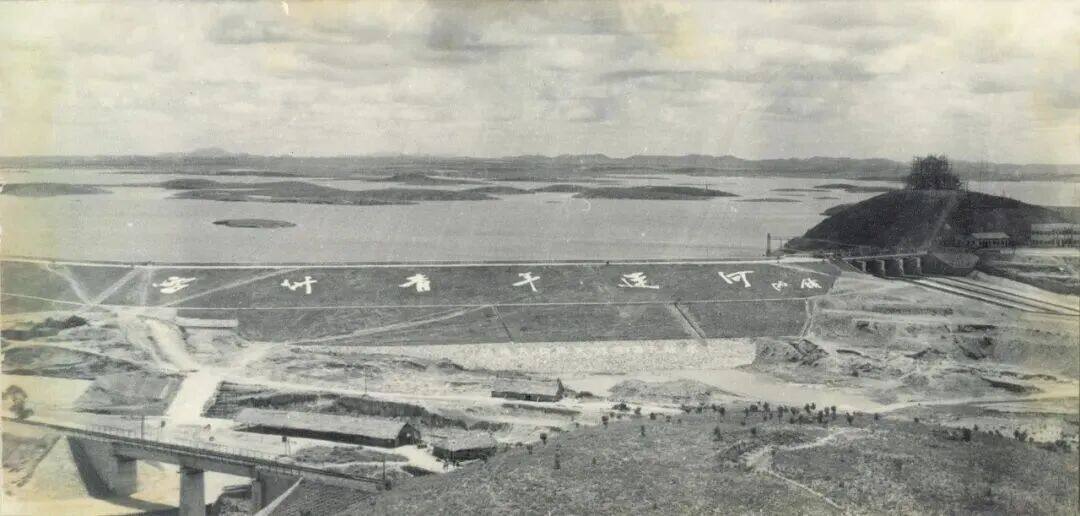
united as one
The project budget is tight, and most of it relies on self financing in Zhanjiang. The people of Leizhou Peninsula have demonstrated amazing cohesion: they donate money, food, and even cattle that they rely on for farming; Countless young people have written 'determination letters', demanding to rush to the' battlefield '. In June 1958, the Hedi Reservoir project officially began construction.
On the construction site, a 300000 strong construction army was organized according to the troop structure. They use the most primitive tools - hoes to dig soil, poles to pick soil, and the labor intensity is extremely high. But wisdom bursts forth in labor, and the construction site party committee calls for technological innovation, giving birth to over 40 improved tools. 3045 youth assault teams named after "Red Children", "Mulan", "Mu Guiying", etc. have become pioneers in tackling difficulties.
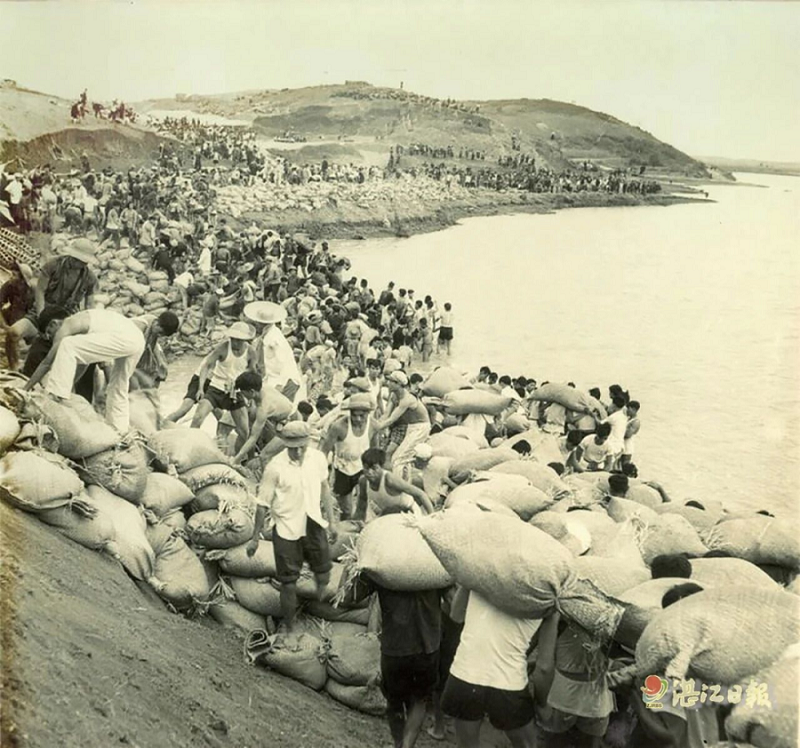
Sweat forges miracles
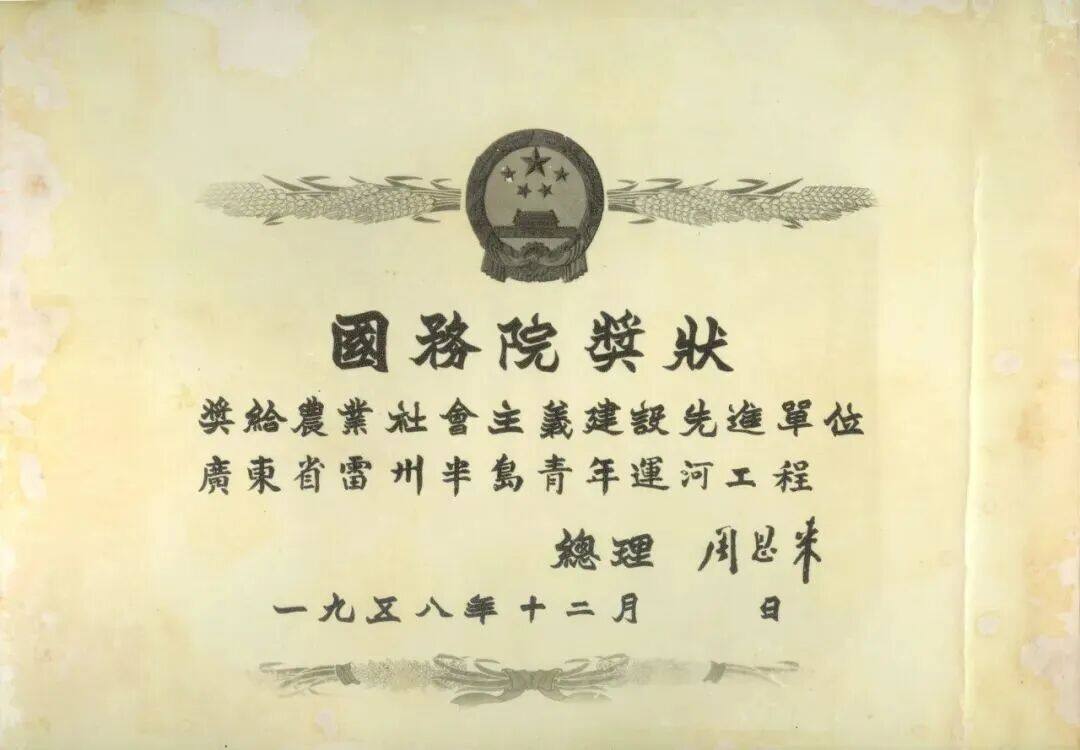
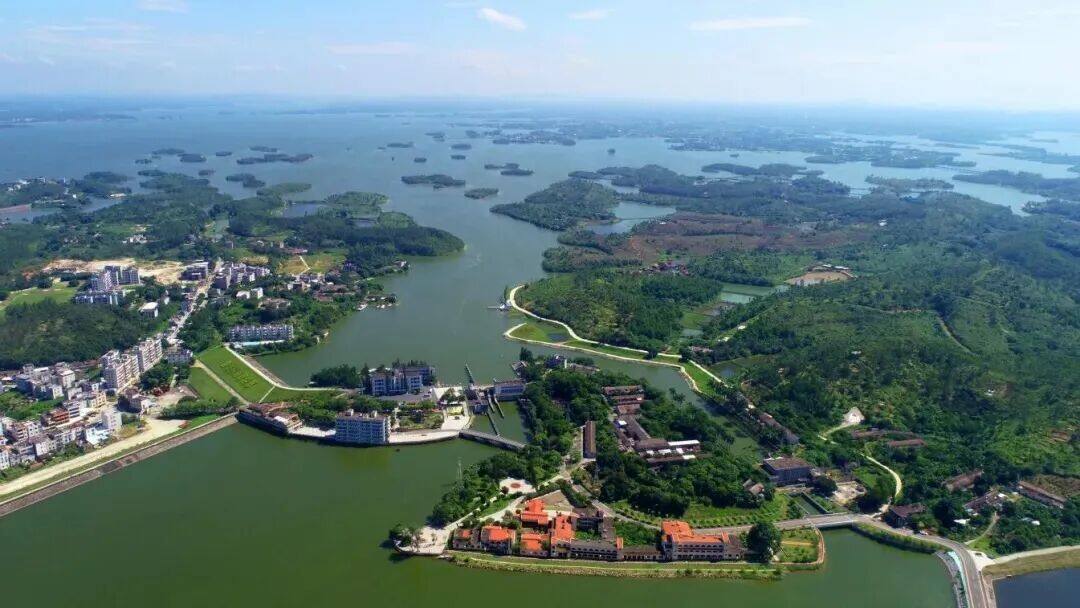
The struggle of the people on the peninsula touches the hearts of Zhongnanhai. In December 1958, Premier Zhou Enlai personally issued a State Council certificate for the Leizhou Youth Canal Project. In September 1959, Hedi Reservoir successfully stored water and became the largest artificial lake in Guangdong at that time. Subsequently, the construction army turned to a broader battlefield - excavating canals.
In May 1960, the main canal with a total length of 78 kilometers was opened to water. By May 1964, the entire Leizhou Youth Canal project was fully completed. It is not just a main river channel, but also a vast water system network: the backbone canal has a total length of 277 kilometers, with over 4000 supporting channels at all levels, totaling more than 5000 kilometers, as if a huge "water network" has been laid on the earth.
Shuirun Peninsula
The arrival of the canal instantly revived the thousand year old 'thirsty' soil. It ensures irrigation of 1.46 million acres of farmland, solves the domestic and urban industrial and commercial water needs of millions of residents, and improves shipping conditions. The former desolation has been replaced by lush fields, and this river is affectionately called the 'Mother River' by the locals.
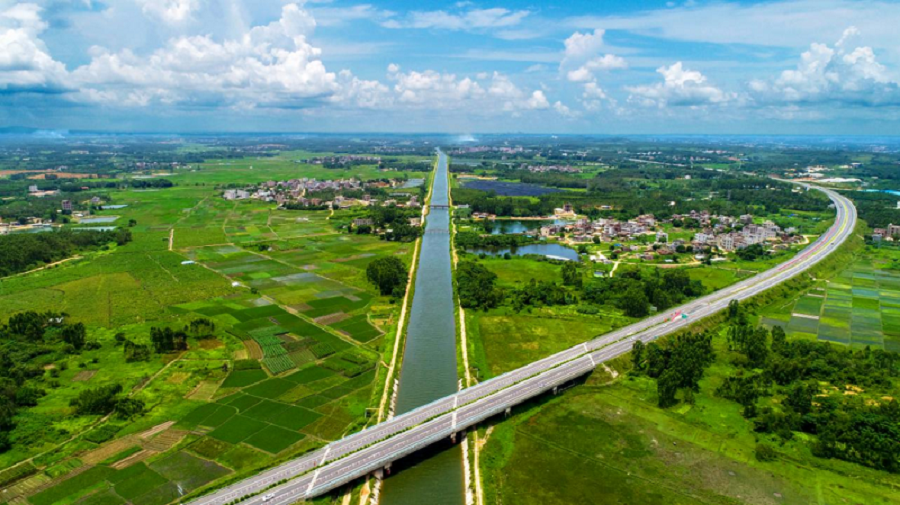
The story of water is not over yet. Nowadays, an upgraded version of the water conservancy project - the Guangdong Water Resources Allocation Project around the Beibu Gulf - is being promoted, aiming to completely solve the water resources problem in the Leizhou Peninsula. The transformation from a 'land of hardship and drought' to an 'ecological water city' is still ongoing. Keywords: humanistic news, water conservancy engineering
The Leizhou Youth Canal is not only a water conservancy project, but also a monument forged by 300000 passionate hearts, countless shoulders, and infinite wisdom. It flows not only the river water, but also the vitality of hope, struggle, and endless life.Editor/Yang Meiling
Comment





 Praise
 Collect
 Comment

 Share
Share


Write something~