 Search


- A ± 800 kV UHV line crossing the the Yunnan-Guizhou Plateau has just dug the first shovel of earth in Boluo County, Guangdong Province
- While global investors are still debating the green premium, Chinese engineers have already laid cables on snow capped mountains at an altitude of 5000 meters
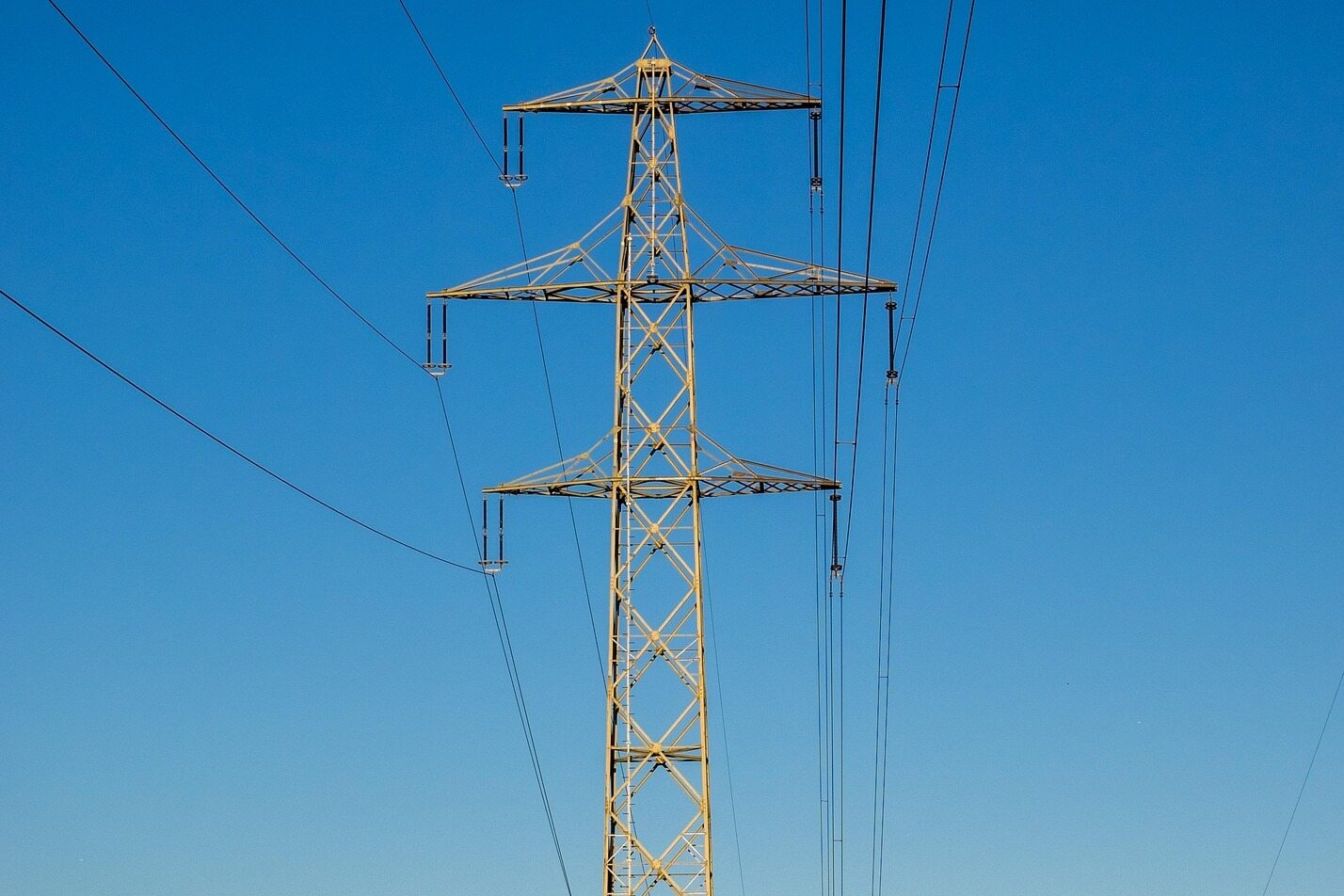
The flexible DC "electric highway" with a total length of over 2600 kilometers is extending from the snowy plateau to the Guangdong Hong Kong Macao Greater Bay Area, bringing profound changes to the national energy map.
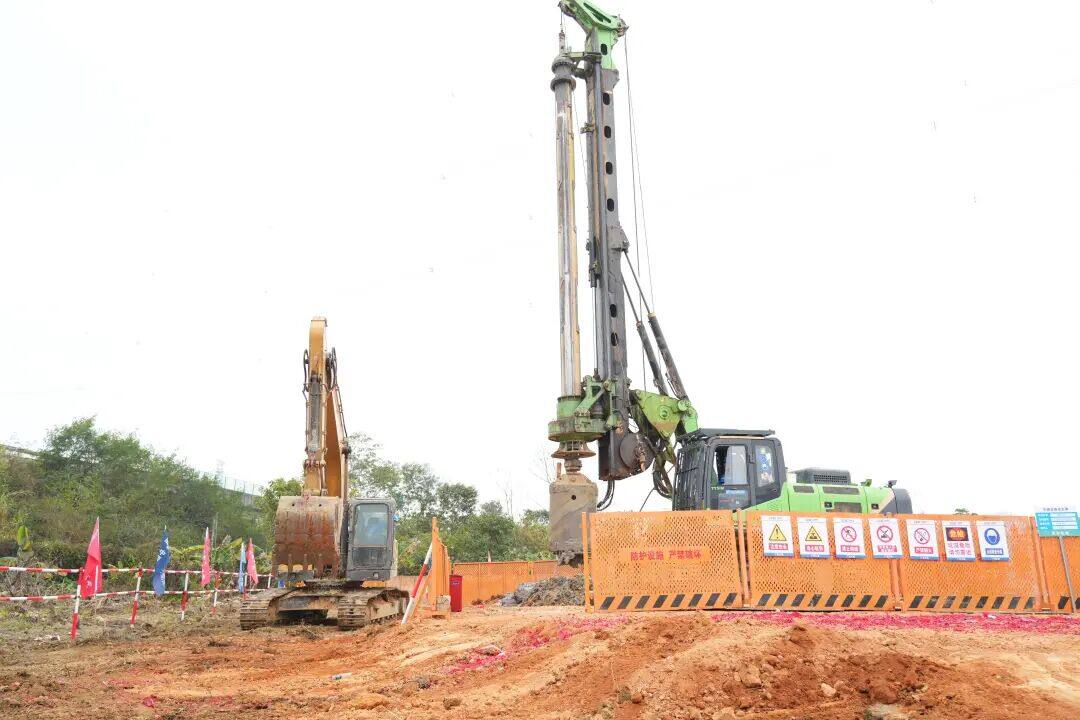
On January 20, 2026, the mobilization meeting for stable growth and investment expansion of the Tibet Guangdong DC project and the excavation ceremony for the first foundation of the Guangdong section were held in Boluo County, Guangdong Province. This marks the official start of the construction of the Guangdong section of this national super project, which spans four provinces and regions with a total investment of approximately 53.2 billion yuan.
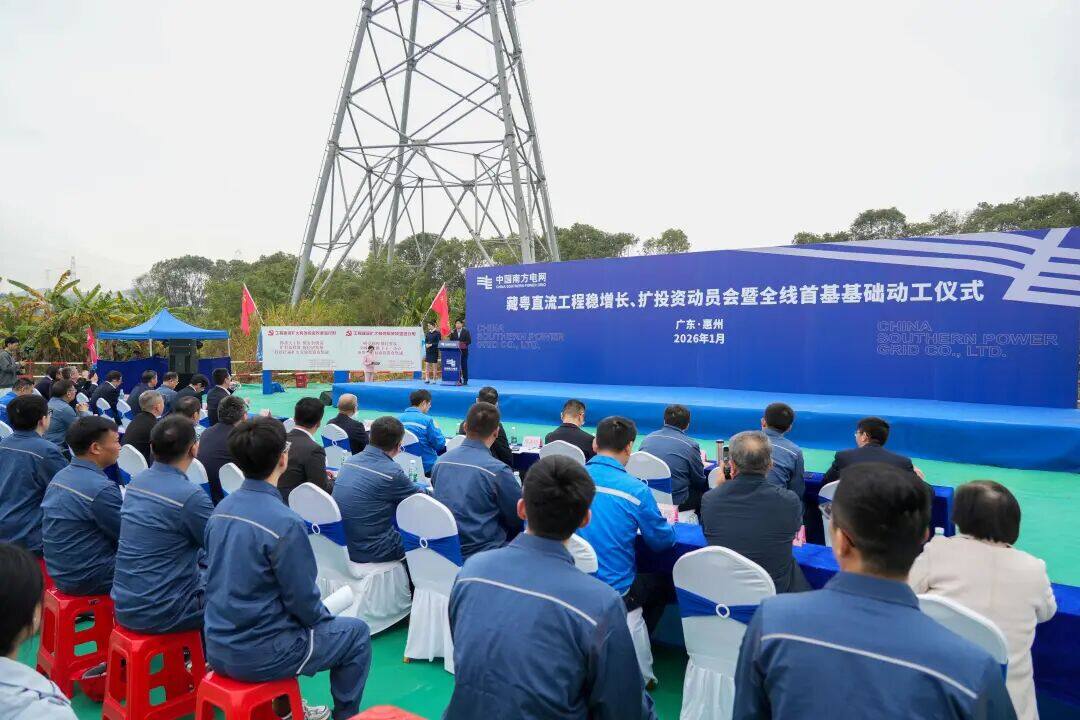
A power road connecting the world's roof and world-class bay areas is about to take shape, injecting strong impetus into optimizing national energy allocation and promoting regional coordinated development.
Super engineering crosses three major geographical tiers
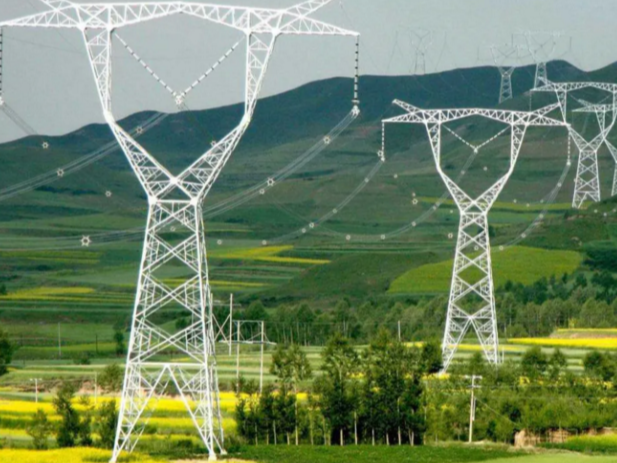
The Tibet Guangdong HVDC project is a key cross provincial transmission project in China's 14th Five Year Plan, and also the world's first four terminal ultra-high voltage flexible HVDC project. This Lvdian Tianlu starts from Changdu, Xizang, and ends at Shenzhen, Guangdong, passing through Yunnan and Guangxi. The total length of the line is about 2681 kilometers, with a total investment of about 53.2 billion yuan.
Four ± 800kV UHV converter stations will be built in Changdu, Linzhi, Xizang, Guangzhou and Shenzhen, Guangdong. Among them, Xiaojing Converter Station located in Huadu District, Guangzhou is the only receiving point of the project in Guangzhou. In May 2025, the regulatory adjustment of the station was approved, and in December, the construction land planning conditions were officially obtained, clearing key obstacles for the comprehensive commencement of the project.
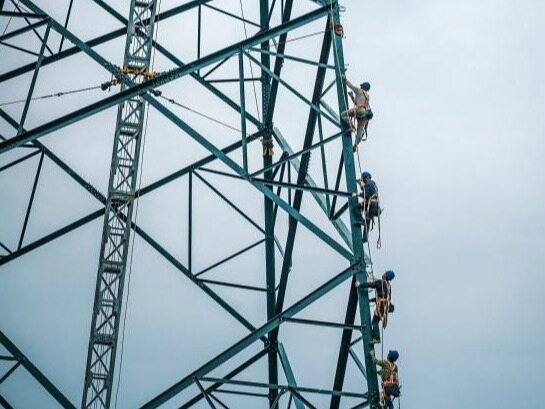
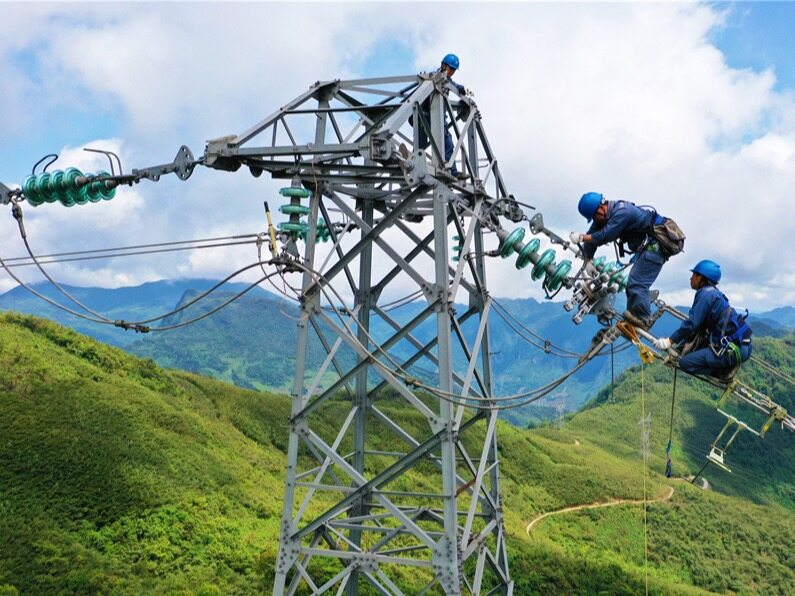
The biggest challenge of the project lies in its extreme geographical environment - nearly 90% of the entire line is mountainous, and 30% is high mountains and steep ridges. It is not only the first UHV project across the three geographical steps of the Qinghai Tibet Plateau, the the Yunnan-Guizhou Plateau and the hills of South China. The line above 4000 meters above sea level is 197 kilometers long, and the highest altitude is 5300 meters. It passes through alpine frozen soil, earthquake fault zone and 37 kilometers of no man's land.
Economic and ecological development simultaneously
The project is expected to be fully operational by 2029. At that time, over 43 billion kilowatt hours of green electricity can be transmitted annually to the Guangdong Hong Kong Macao Greater Bay Area, and 100% of it will be clean energy, which is approximately half of the annual power generation of the Three Gorges Dam. These clean electricity sources can replace the consumption of standard coal by about 12 million tons per year, reduce carbon dioxide emissions by about 33 million tons, and significantly optimize the energy structure of the Greater Bay Area.
In addition to direct environmental benefits, engineering construction will also bring considerable economic and social benefits. As a national level 'super project', it can effectively play an important supporting role in stabilizing growth and expanding investment. The investment in its supporting "water, wind, and solar integrated" power base exceeds 150 billion yuan, which can effectively drive the development of related industries such as upstream and downstream equipment manufacturing and engineering construction.
During the peak construction period, the project is expected to drive more than 100000 direct employment opportunities, effectively promoting high-quality development of the local economy.
From the perspective of ecological protection, the project explores the full cycle ecological protection mode of the plateau. In the Yunnan section, the project team pioneered a full process green management system, including early avoidance, minimizing disturbance during construction, and soil and grass protection backfilling, setting a new benchmark for major infrastructure construction in fragile ecological areas.
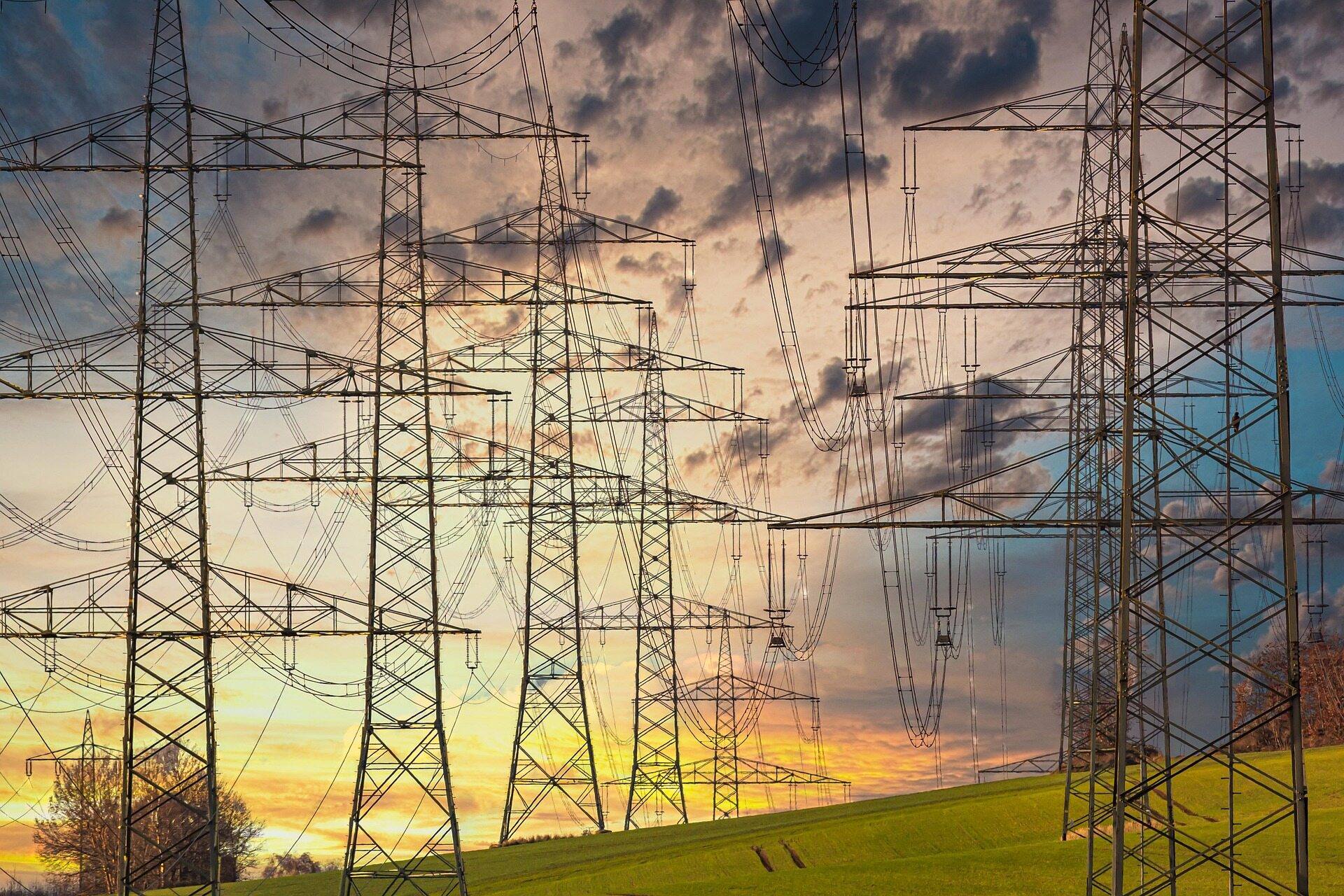
It only takes about 9 milliseconds for power to reach the Great Bay Area from Xizang via this heavenly road.
For Guangdong, the province with the highest electricity load and quantity in China for ten consecutive years, this project not only means obtaining billions of kilowatt hours of clean electricity annually, but also signifies a fundamental optimization of the energy supply structure. Keywords: engineering construction, power engineering, ultra-high voltage
From promoting regional coordinated development and serving the dual carbon goals, to overcoming world-class technical challenges in ultra-high altitude and ultra-high voltage transmission, every step of the Tibet Guangdong DC project carries profound significance beyond power transmission itself.Editor/Cheng Liting
Comment




 Praise
 Collect
 Comment

 Share
Share


Write something~