 Search


- From Caracas to Tehran: How a "Success" Led Trump into the Abyss of War
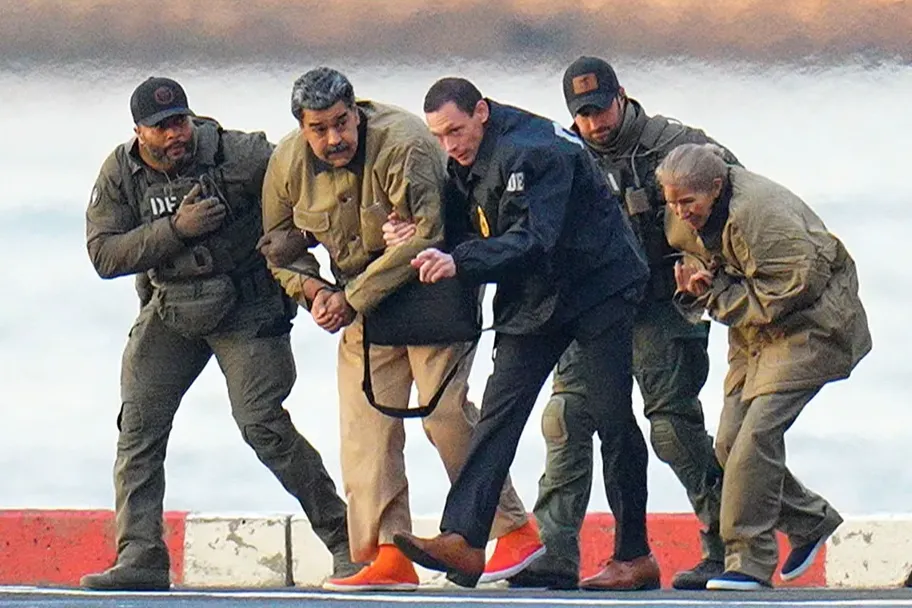
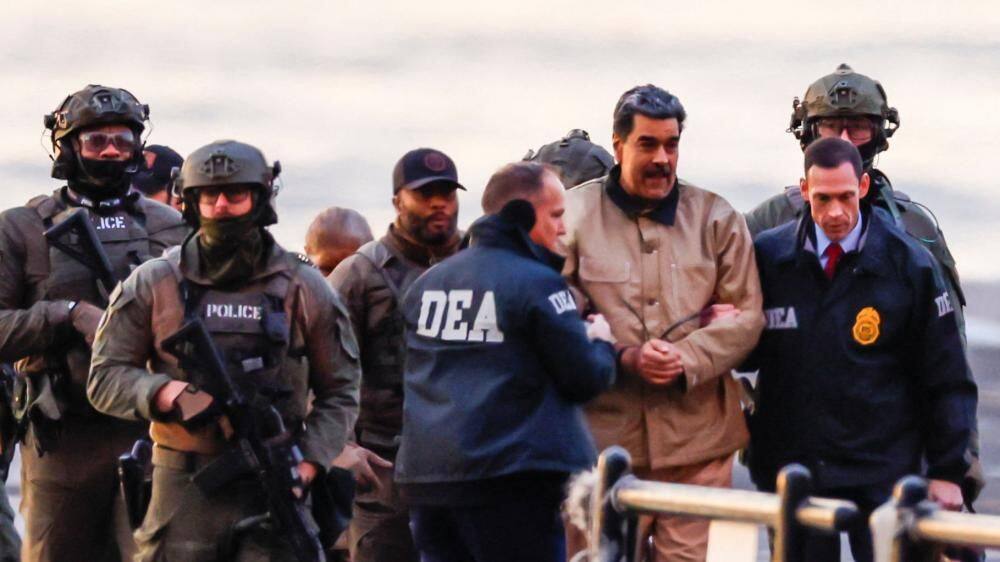
When Nicolás Maduro was dragged from his Caracas residence and shoved onto a plane bound for New York by U.S. Delta Force on a sweltering January night, Donald Trump witnessed a near-perfect "decapitation strike" in the White House Situation Room. Venezuela, a country with the world's largest oil reserves, had achieved regime change in just 24 hours. Trump, emboldened by this success, was now emboldened.
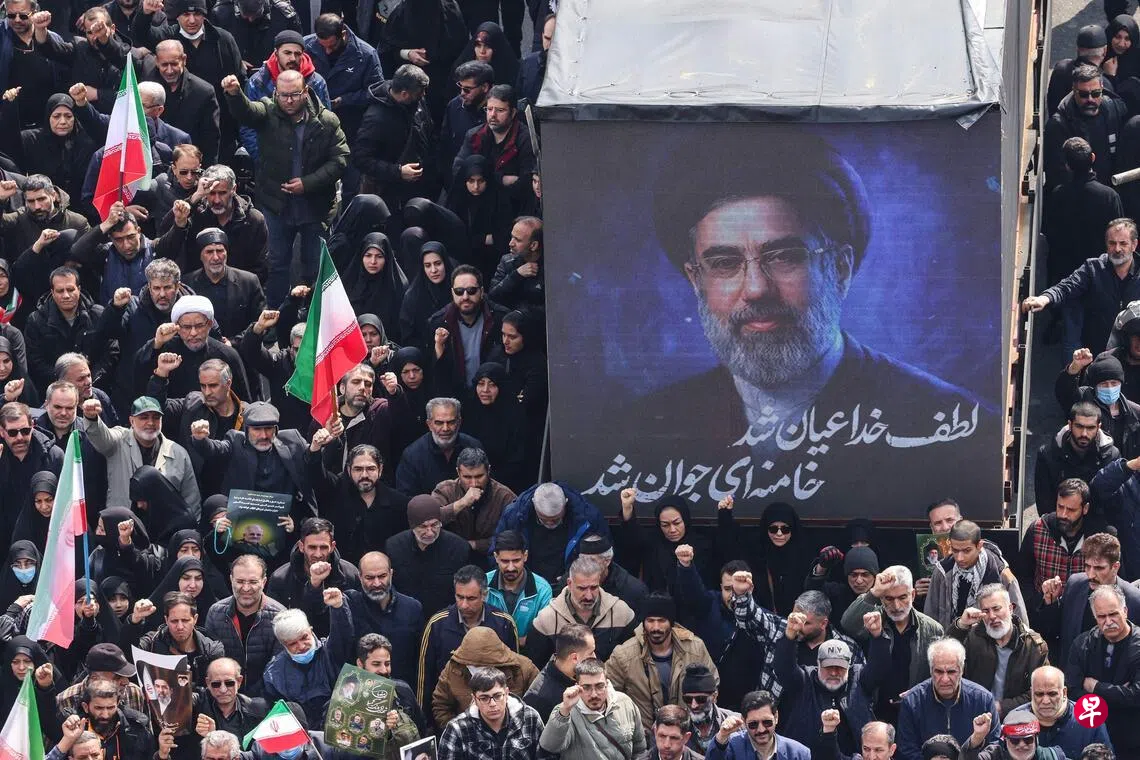
Two months later, when Operation Epic Fury's bombs fell on Tehran, killing Iran's Supreme Leader Ali Khamenei and several high-ranking officials, Trump may have thought he was replicating the same script. He had boasted that he could bring about regime change in Iran within a week. But by mid-March, more than ten days into the conflict, the Iranian people had not risen up as expected; instead, huge portraits of Khamenei's second son, Mojtaba, were displayed in the streets of Tehran. Trump was facing a "war of attrition" he had not anticipated.
Venezuela is located in America's "backyard," just over a thousand kilometers from the Florida coast, and the U.S. military has a well-developed network of bases in the Caribbean. Iran, located deep inland in the Gulf region, requires traversing the airspace of multiple countries to reach even the nearest U.S. Central Command base.
The more fundamental difference lies in geographical barriers and military capabilities. Venezuela's air defenses are negligible; its capital, Caracas, is only 10 kilometers from the coastline, allowing special forces helicopters launched from warships to infiltrate directly. In contrast, Iran's capital, Tehran, is located 400 miles inland from the Persian Gulf, protected by a multi-layered air defense network and elite forces of the Islamic Revolutionary Guard Corps. More importantly, Iran possesses the largest and most diverse missile arsenal in the Middle East, with its medium-range ballistic missiles exceeding 1200 miles in range, directly threatening U.S. military bases in the region.
While Trump celebrated Maduro's arrest, he may have overlooked the fact that the Venezuelan military had already experienced widespread political instability and high-level defections before the attack. Iran, despite massive street protests and brutal crackdowns by security forces over the past year, has never truly fractured its power core.
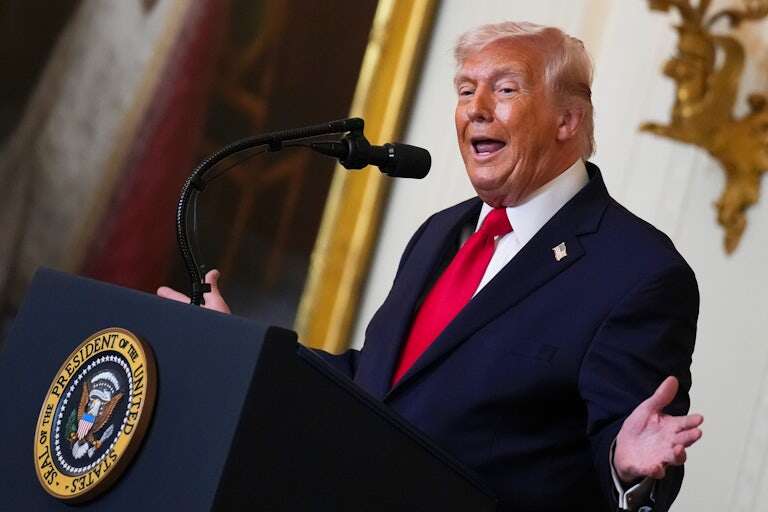
Trump promised to "stop the wars," yet his second term saw him wage war against eight countries within eight months. The success of the Venezuelan operation misled him into believing he had found a replicable model: decapitate enemy leaders at extremely low cost, quickly install a pro-American regime, and then reap the resource benefits.
But Iran is not Venezuela. This theocratic republic, with nearly 90 million people, vast territory, and decades of anti-American experience, is far more difficult to conquer than a Latin American country mired in economic collapse and internal division. When Trump stood on the South Lawn of the White House declaring that the war would last "four to five weeks, or longer if necessary," he may have already realized that the easy victory in Caracas was dragging him and the United States into a quagmire far deeper than anticipated.Editor/Cao Tianyi
Comment


 Praise
 Collect
 Comment

 Share
Share


Write something~