 Search


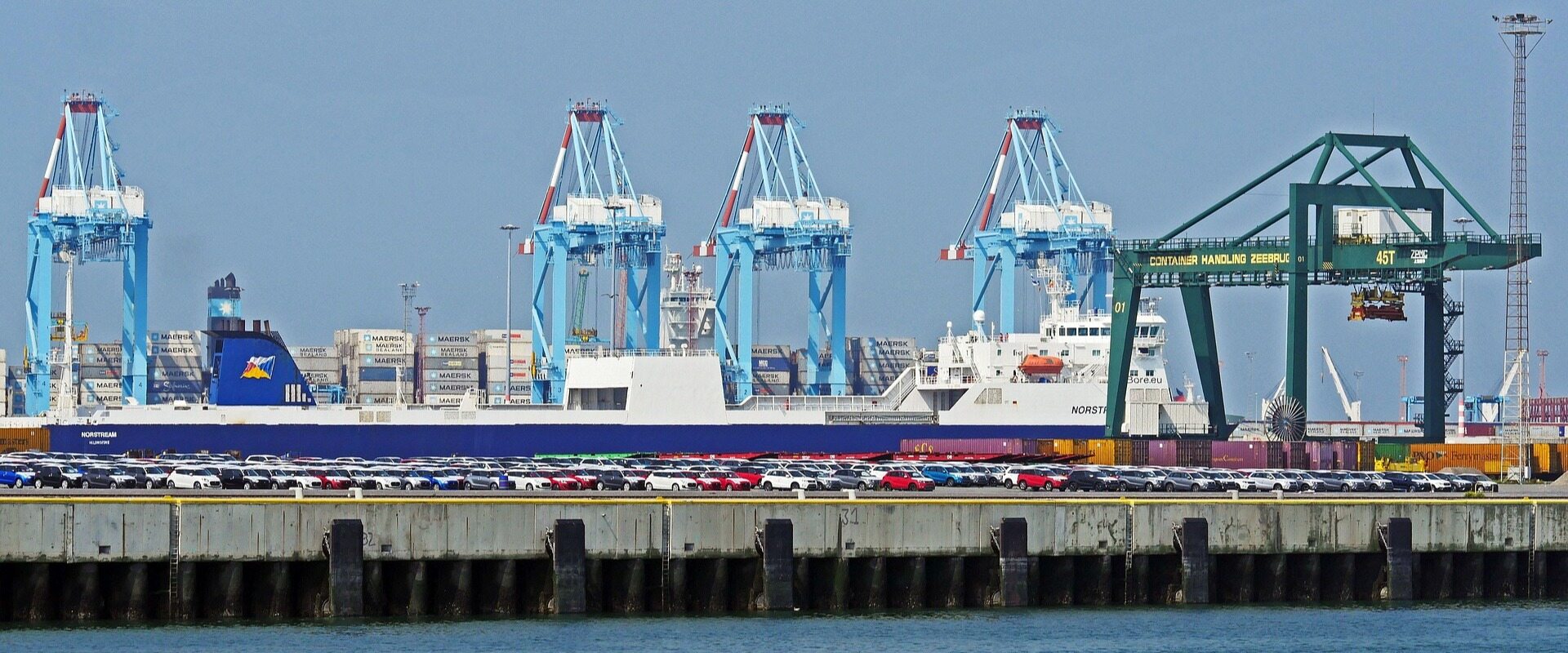
- DP World's revenue in 2025 will increase by 22% year-on-year, reaching 24.4 billion US dollars
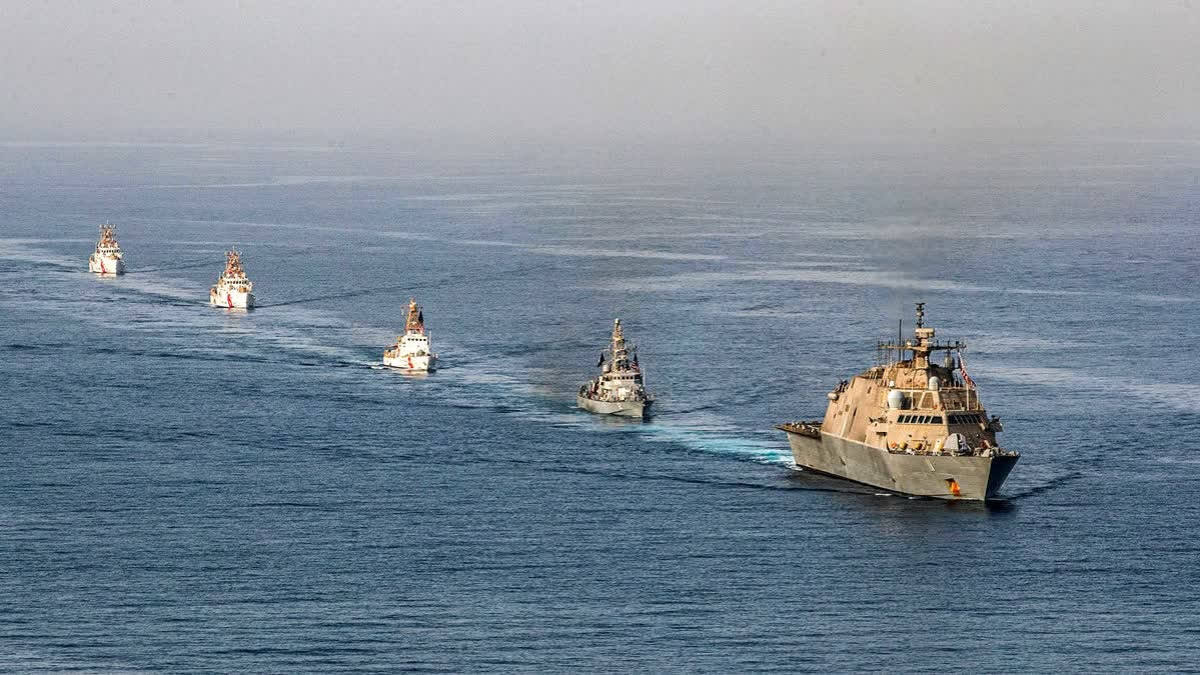
- Amid the near paralysis of shipping in the Strait of Hormuz caused by the US Israel Iran conflict and the excruciating pain in the global supply chain, Dubai port operator DP World has achieved counter trend growth in performance
In March 2026, the US Israel Iran conflict nearly paralyzed shipping in the Strait of Hormuz. Data shows that from March 1st to 13th, 2026, only 77 ships passed through the strait, a decrease of 94% compared to the same period last year, of which 70% were shadow fleets evading sanctions. As the throat of global energy transportation, the Strait of Hormuz carries 20% of global oil trade, and its blockade directly impacts the global supply chain. Although the Saudi east-west oil pipeline is operating at full capacity, alternative routes can only accommodate a capacity of 3.7-5.7 million barrels per day, which is less than 40% of the conventional transit volume. The container handling capacity of Fujairah Port in the United Arab Emirates is less than 1 million TEUs, which is only 6% of the annual throughput of Jebel Ali Port, severely impeding regional trade flows.
DP World's Dual Line Operations
In the geopolitical storm, DP World submitted a contradictory financial report: revenue reached $24.4 billion in 2025, a year-on-year increase of 22%; Net profit of 1.96 billion US dollars, a year-on-year increase of 32.2%; The total throughput increased by 5.8% to 93.4 million TEUs. The achievement of this result is due to its dual wheel drive of global layout and localized operation:
Capacity expansion: Invest $190 million in Santos Port in Brazil to expand the terminal, extend the shoreline length to 1290 meters, and increase the annual processing capacity to 1.7 million TEUs;
Route reconstruction: Some business will be transferred to the Red Sea hub, and the throughput of Jeddah Port and Sokhna Port is expected to increase by 15% -20%;
Cost control: By integrating maritime service business, the revenue per standard container increased by 8.5%, and the operating cash flow reached 6.3 billion US dollars.
From passive response to active layout
Although the infrastructure of Jebel Ali Port has not been damaged, the number of incoming ships has decreased by 30%. DP World's response strategy reflects the strategic foresight of global logistics giants:
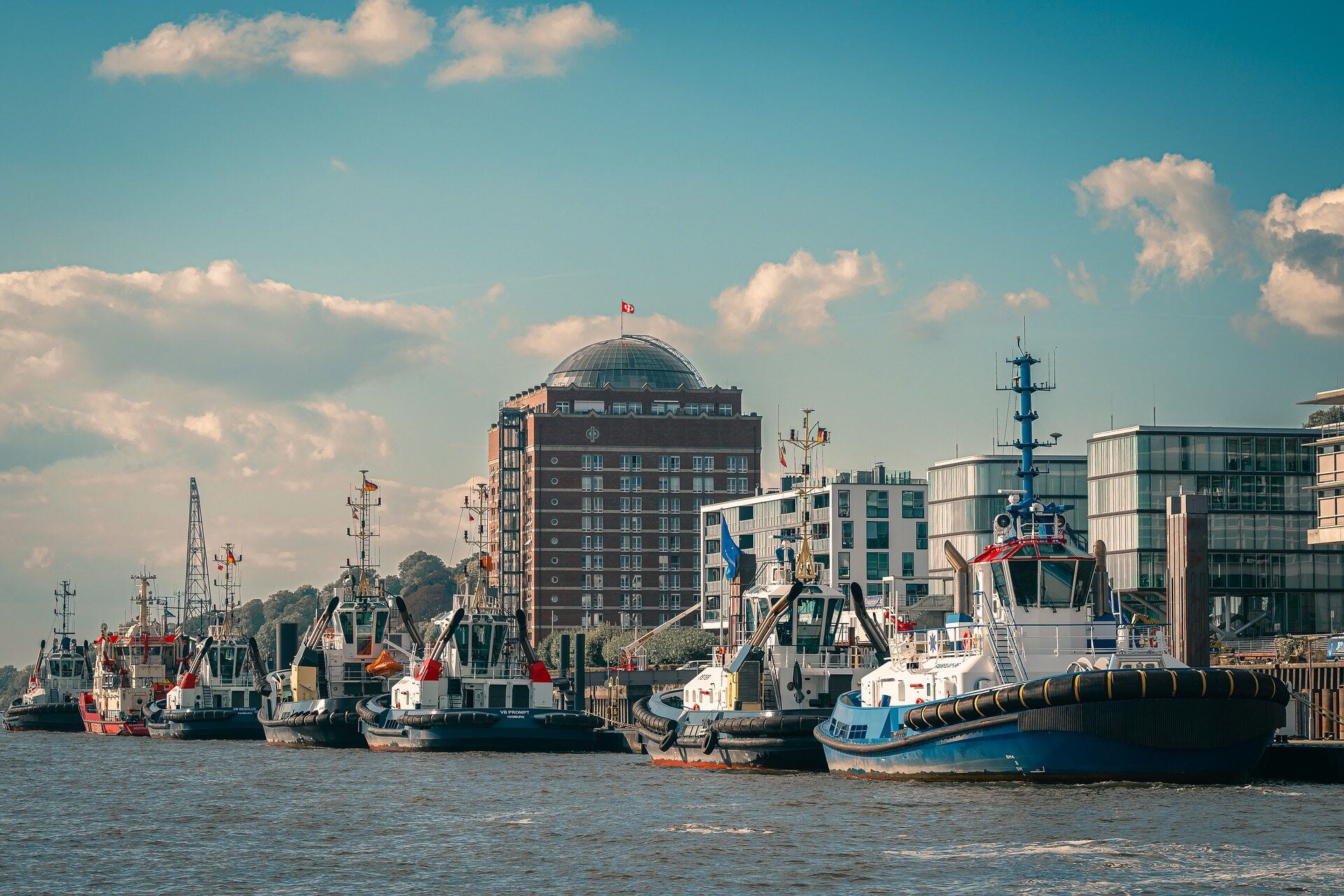
Regional alternative plan: Utilize the redundant production capacity of Jeddah Port in Saudi Arabia and Sokhna Port in Egypt to divert cargo on the Europe Asia route;
Technological empowerment: Real time monitoring of global port congestion through digital platforms, dynamic adjustment of schedules, and improvement of path optimization efficiency by 20% -30%;
Capital ballast: By 2025, capital expenditures will reach $3.1 billion, with a focus on investing in hubs such as Jebel Ali Port and India's Tunatekra Port to build a decentralized logistics network.
The Logic of Supply Chain Restructuring under Geopolitics
The case of DP World reveals the survival rules of global logistics giants:
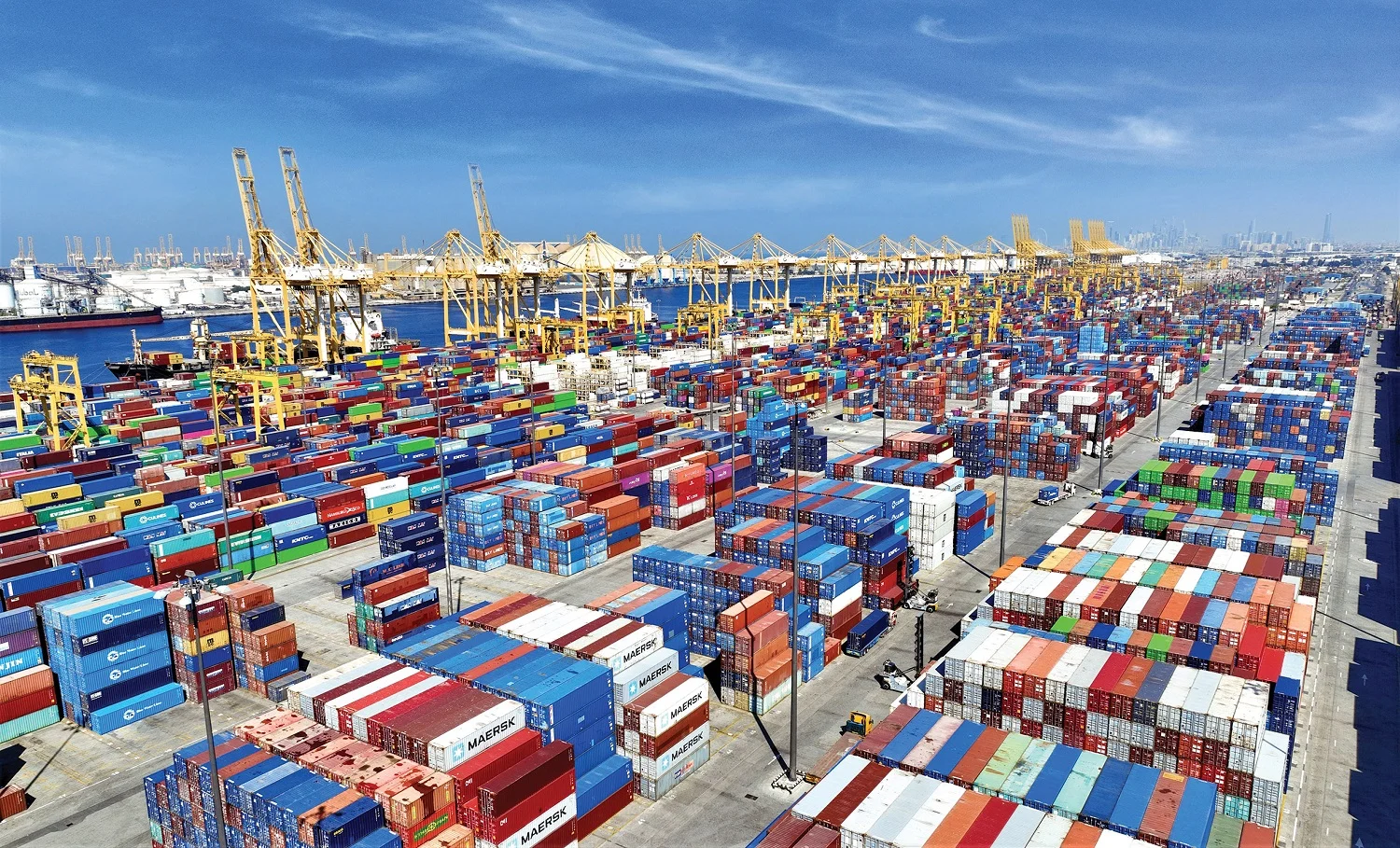
Scale effect: With an annual throughput of 93.4 million TEUs, the bargaining power remains strong, even if a single port is damaged, the overall network can still operate;
Diversified layout: Business covers 78 countries and 150 ports, avoiding excessive dependence on a single waterway or region;
Risk pricing: incorporating geopolitical risks into the cost model, locking in capacity through long-term agreements, and controlling fluctuations in war insurance premiums within a reasonable range. Keywords: Strait of Hormuz, Geoeconomics
When the smoke of gunpowder in the Strait of Hormuz had not yet dissipated, DP World proved through its performance that geopolitical conflicts may change trade flows, but they cannot stop the self repair and expansion of global logistics networks. In this storm, the true giants never wait for the storm to pass, but learn to fly in the storm.Editor/Cheng Liting
Comment



 Praise
 Collect
 Comment

 Share
Share


Write something~