 Search


- Guanlei Port supports the new logistics hub of the Indochinese Peninsula
Deepening of the Lancang Mekong Cooperation Mechanism
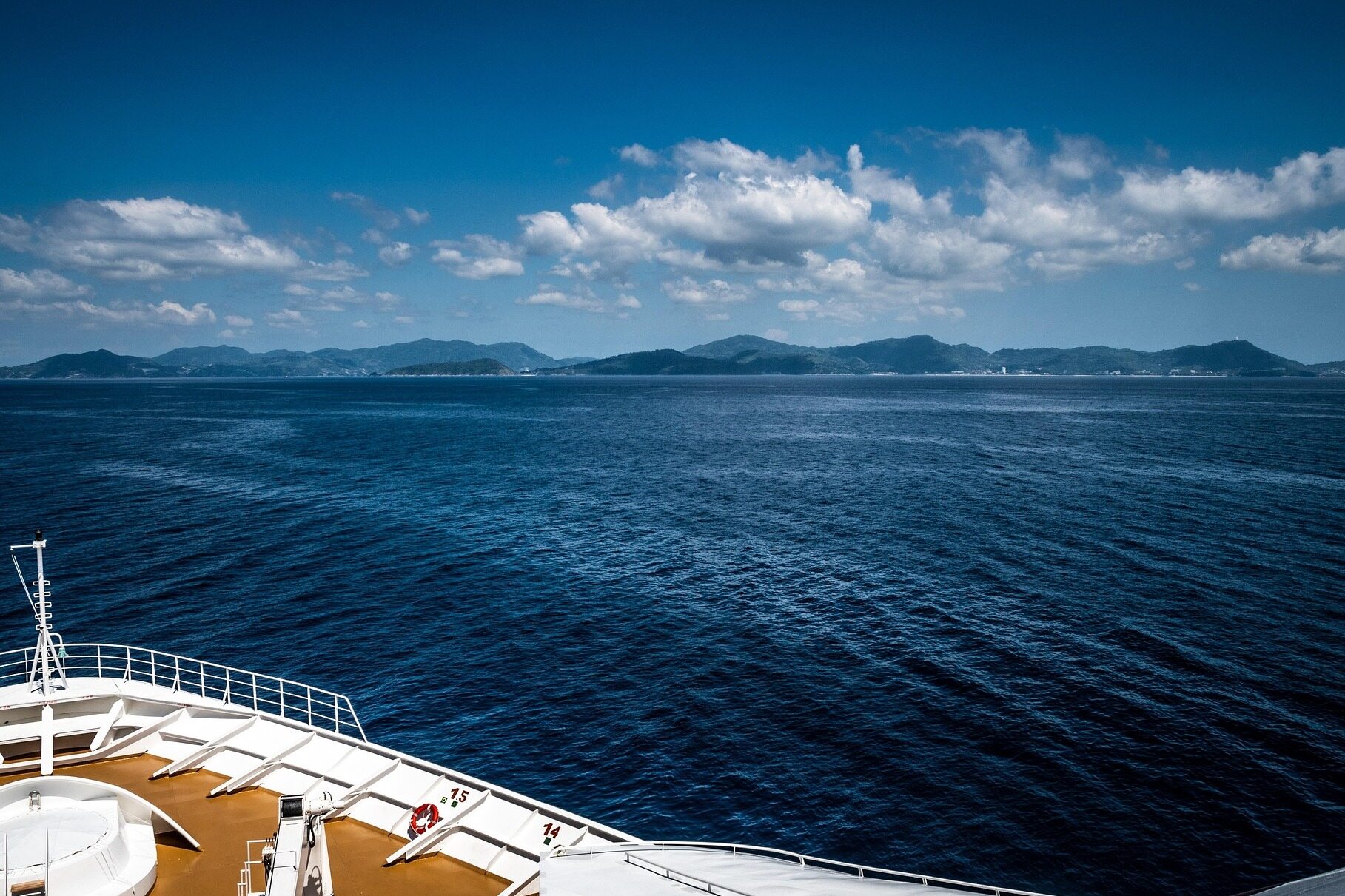
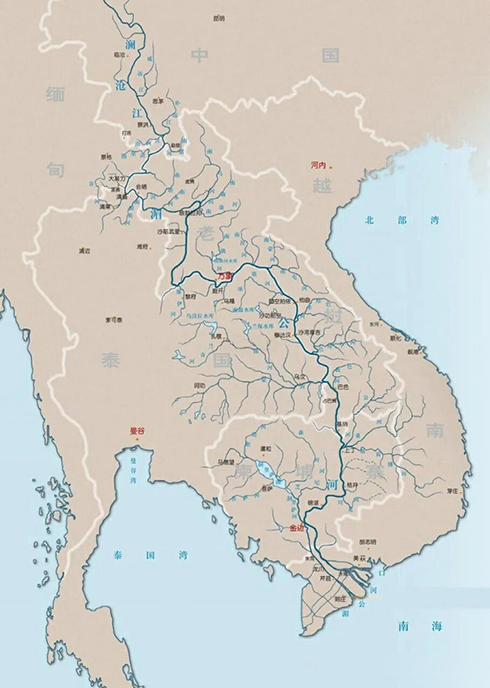
The Lancang Mekong River, as an international river flowing through six countries, has water resources cooperation as the core content of the Lancang Mekong Cooperation mechanism. The six countries jointly released relevant initiatives and five-year action plans, committed to building a flagship brand of water resources cooperation, expanding project libraries and funding channels, jointly promoting green peace and high-quality development in the basin, and laying a solid foundation for regional connectivity.
Upgrade the function of Guanlei Port and build a southwest waterway port
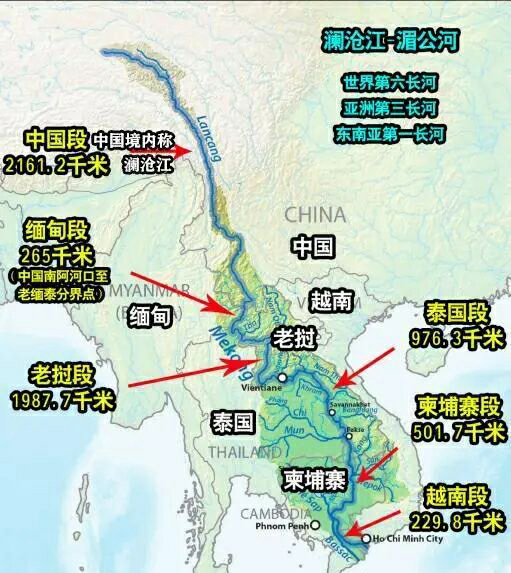
Guanlei Port, located in Xishuangbanna, Yunnan, is the first port for the Mekong River to enter China. It has been designated as an international passenger and fruit supervision site, with a considerable designed annual throughput. By 2025, with the opening of highways and international tourism routes, Guanlei Port has formed a water land intermodal transportation system, becoming a key node for China to radiate to South Asia and Southeast Asia, greatly improving regional logistics efficiency.
Three dimensional interconnectivity to fill gaps
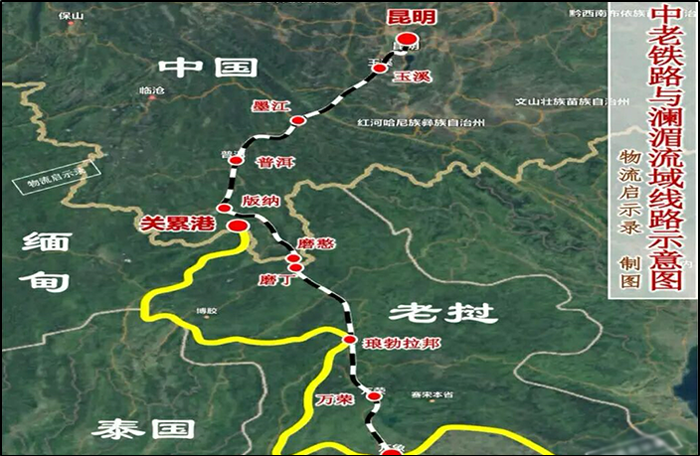
As an important pillar of connectivity, the China Laos railway is close to freight saturation, which is difficult to meet the rapid growth of transportation demand for potash fertilizer, minerals and other materials in Laos. With the completion of the China Thailand Railway, the shortcomings in freight transportation will be further highlighted. The water transportation channel pulled by Guanlei Port can effectively complement railways and highways, share transportation pressure, and build a three-dimensional transportation network of "water land rail".
Creating a new regional seaport
The Dechong Funan Canal, as a key project connecting Phnom Penh and Baima Port in Cambodia, will provide a new seaport for countries in the Mekong River Basin after completion. Yunnan Guanlei Port can use this to build a new shipping channel called "Guanlei Baima", opening up a new international logistics path for the southwest region to sail through Cambodia, which is of great significance for the construction of the China Indochina Peninsula Economic Corridor.
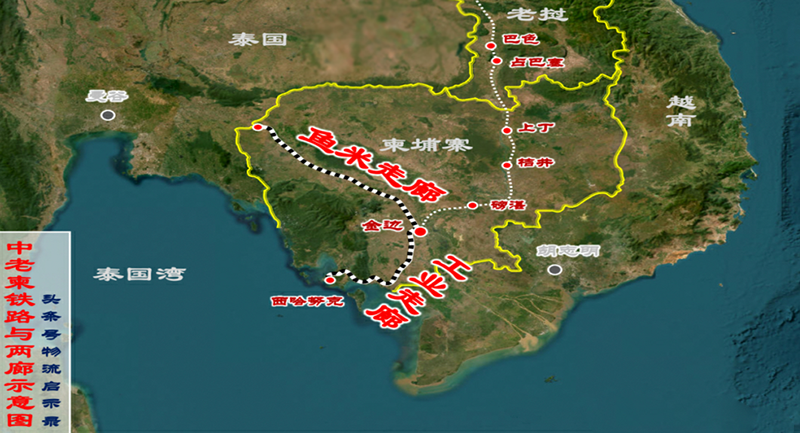
Breaking through key obstacles in river transportation
The biggest bottleneck for navigation on the Mekong River lies in the Kongen Waterfall on the Laos Cambodia border, which has been proven to be the world's largest waterfall in terms of flow. At present, the plan to build a water conservancy hub and dredge shipping here to balance power generation and irrigation has entered the demonstration stage. Once the bottleneck is overcome, the Lancang Mekong River transportation corridor will be fully connected, fully activating the potential of the Guanlei Baima waterway. Keywords: Guanlei Port, Indochina Peninsula, Interconnection
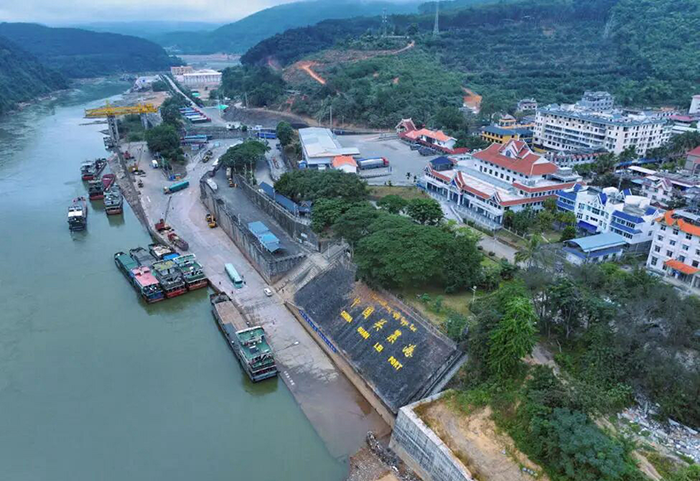
Three dimensional interconnectivity to fill gaps
The interconnectivity of the China Indochina Peninsula Economic Corridor is comprehensive, covering many fields such as railways, highways, water transportation, aviation, energy, ports, and land ports. As a core pivot, Guanlei Port collaborates with other infrastructure to reduce regional logistics costs, shorten circulation time, and promote deep integration and common prosperity among countries in the basin.Editor/Gong Ziwei
Comment


 Praise
 Collect
 Comment

 Share
Share


Write something~