 Search


- The exploitable amount of deep-sea wind energy resources in China exceeds 1.2 billion kilowatts
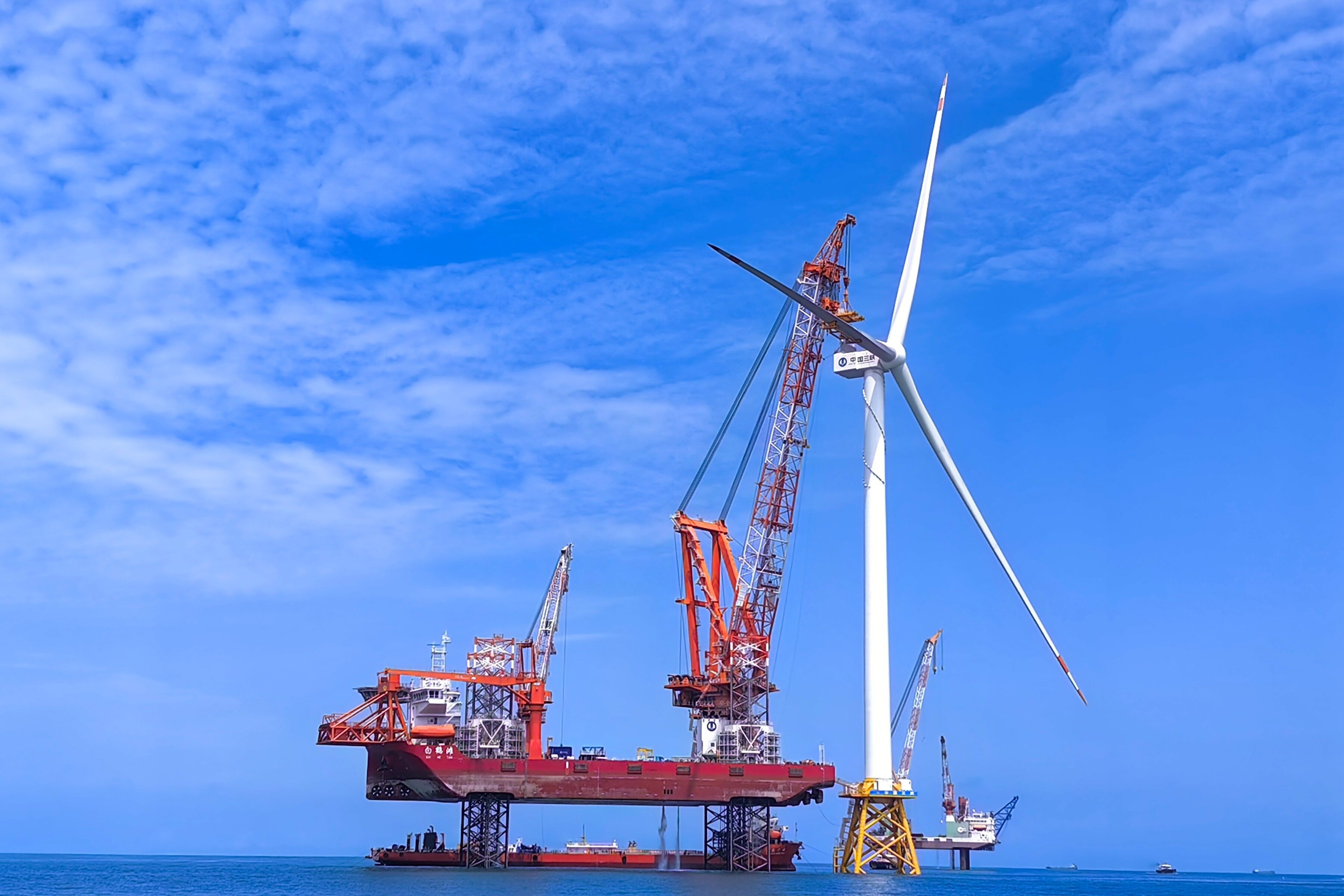
China's wind power industry is at a critical turning point from scale expansion to high-quality development. From the grid connection of 20 MW offshore wind turbines in the Minnan Sea area of Fujian, to the 67% increase in power generation after the renovation of the old wind farm in Helan Mountain, Ningxia, and then to the 41.7% year-on-year increase in China's wind turbine exports, the future development of wind power has clearly defined five core directions: deep sea integration, large-scale intelligence, multi energy integration, stock optimization, and globalization. Through technological innovation and model upgrading, wind power is accelerating its transformation from a supplementary energy source to a primary energy source.
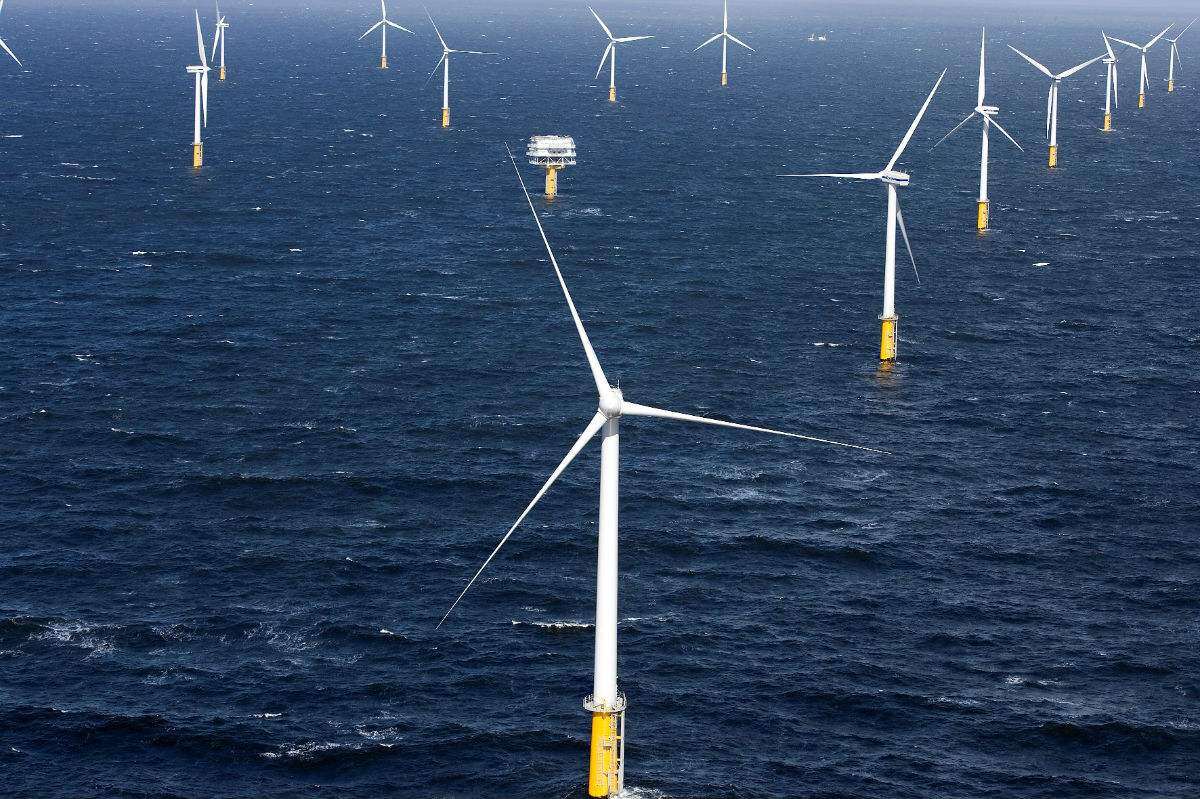
Exploring Trillion Resources through Deep Sea Exploration
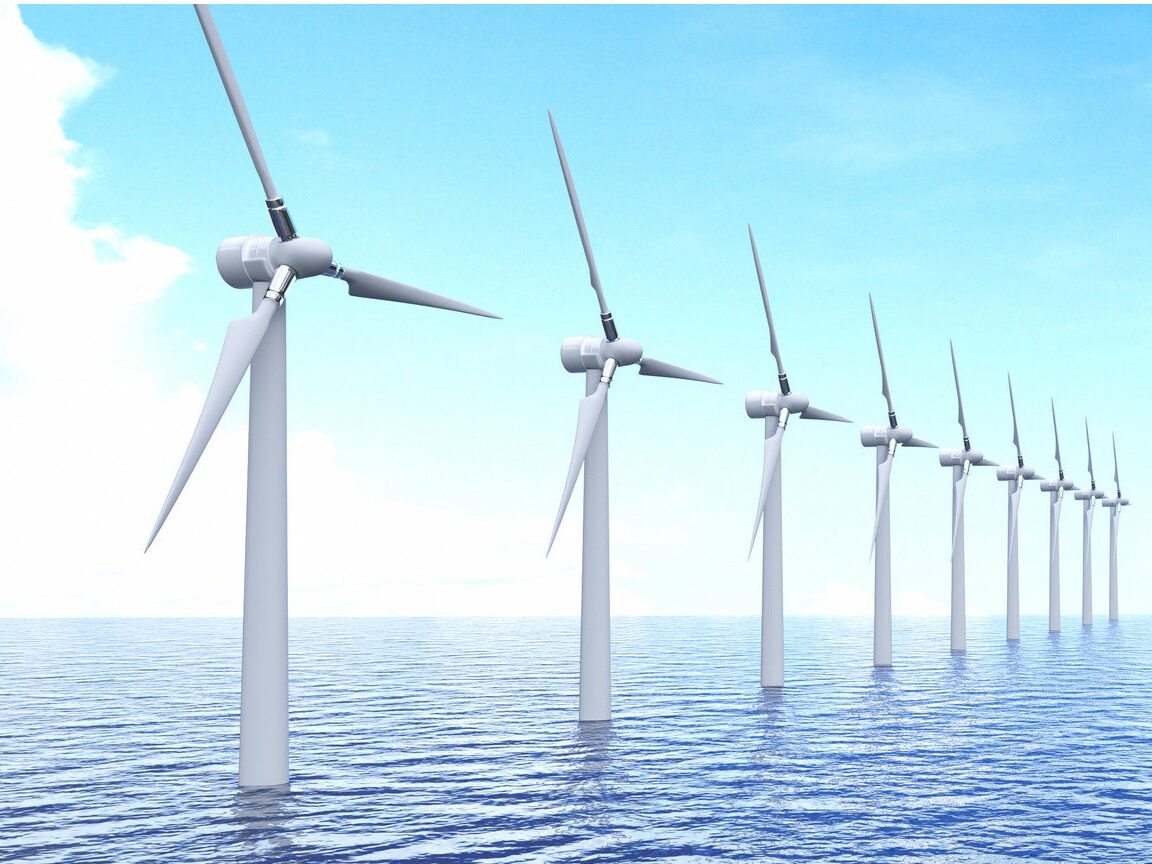
With the tightening of nearshore wind resources, deep-sea waters deeper than 60 meters have become the core battlefield for wind power development. According to data from the National Climate Center, the technically exploitable capacity of deep-sea wind energy resources in China exceeds 1.2 billion kilowatts, which is twice that of coastal areas. As of November 2025, substantial progress has been made in over 80 deep-sea projects across the country, and 20 MW offshore wind turbines in the southern Fujian waters have been connected to the grid. Floating platforms have become the core technology to solve the bottleneck of the deep sea. The 16.6MW floating wind turbine of Mingyang Intelligent Tiancheng has been taken offline, which can withstand typhoons of level 17 and reduce the cost by 20% compared to traditional steel-concrete structures. It is expected to be commercialized by 2027.
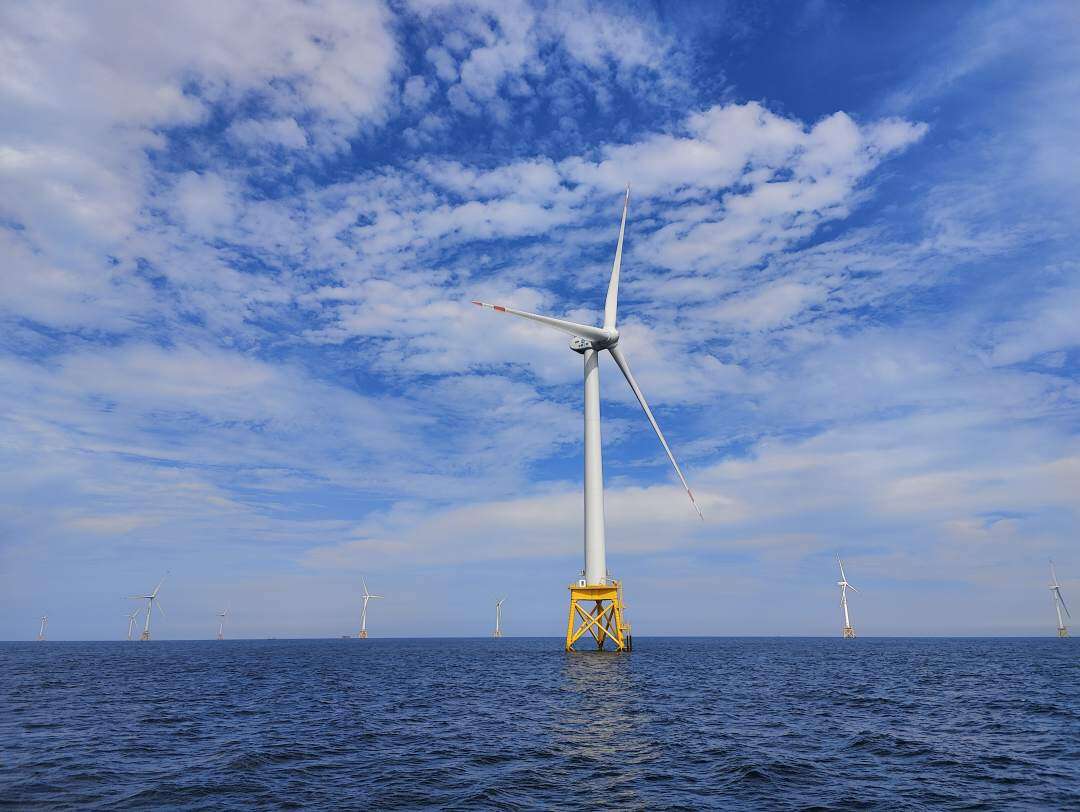
Optimizing existing stock to activate a market worth billions
Early wind power projects in China often used units below 1.5 megawatts, which had problems of low efficiency and high operation and maintenance costs. Replacing small with large has become the key to activating existing assets. The Helanshan project in Ningxia will replace 16 1.5-megawatt units with 5-megawatt units, increasing the annual utilization hours from 1500 hours to 2500 hours and increasing power generation by 67%; The Muling project in Heilongjiang will replace 25 1.3 MW units with 3 9 MW units, doubling the annual power generation and reducing operation and maintenance costs by 40%. According to data from the China Wind Energy Association, it is expected that the renovation market will reach 180 billion yuan by 2030. Keywords: New Energy News Network, Wind Power Infrastructure
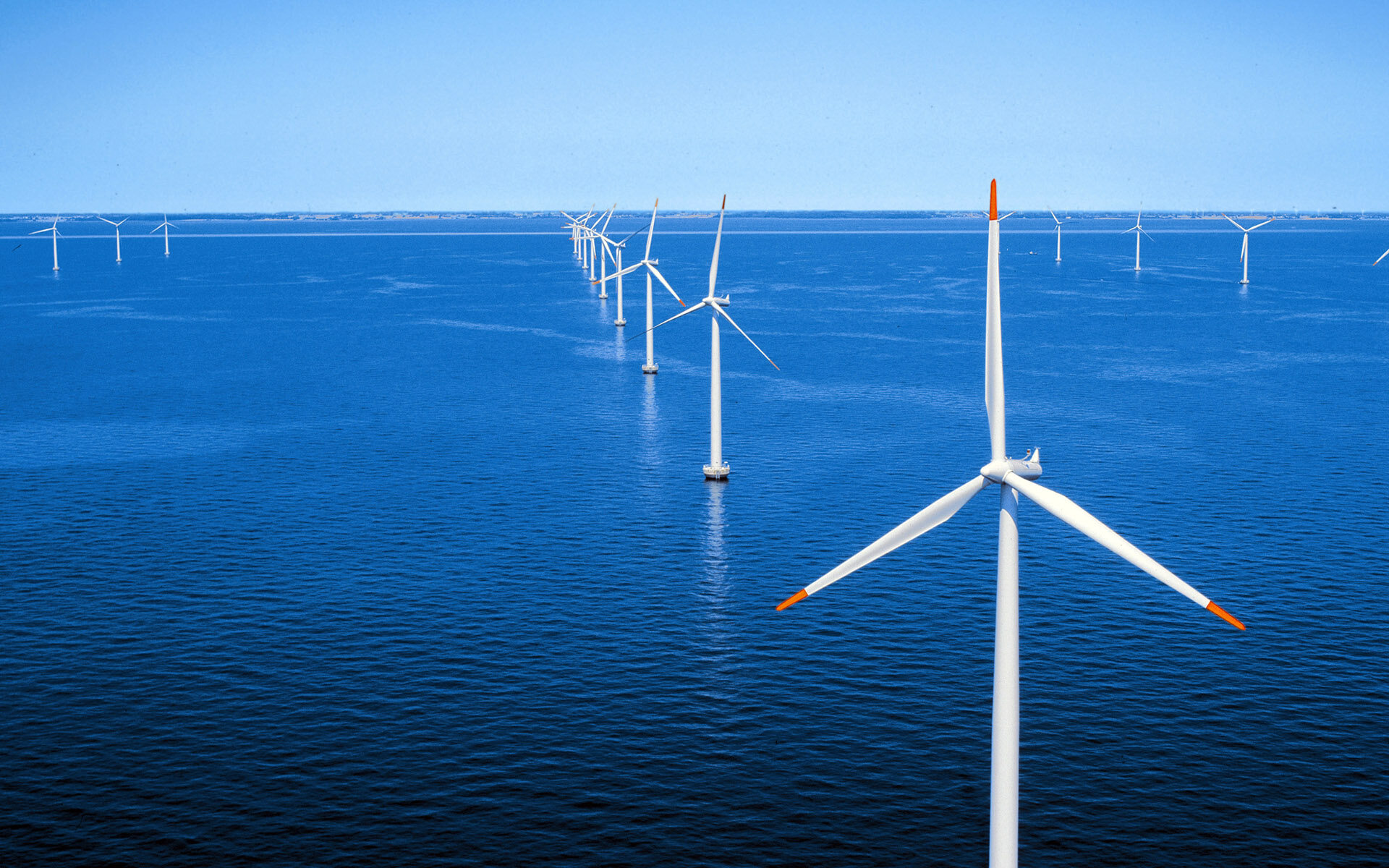
Globalization exporting China plan
China's wind power industry has formed a globally leading industrial chain, with wind turbine production capacity accounting for 60% of the world's total and blades accounting for 70%. In 2024, the export volume of wind turbines reached 5.2 gigawatts, a year-on-year increase of 41.7%, mainly sold to Southeast Asia and Europe. Far East Energy, Goldwind Technology and other companies have exported comprehensive solutions for wind turbine operation, maintenance and financing to overseas markets. Mingyang Intelligent has established a floating wind power research and development center in Europe, while Goldwind Technology has established an assembly plant in Australia. The design requirements for floating offshore wind turbines led by China have become international standards, promoting China's technology to go global.Editor/Gao Xue
Comment

 Praise
 Collect
 Comment

 Share
Share


Write something~