 Search


- Comprehensive acceleration of the construction of the Pinglu Canal river sea intermodal transportation hub
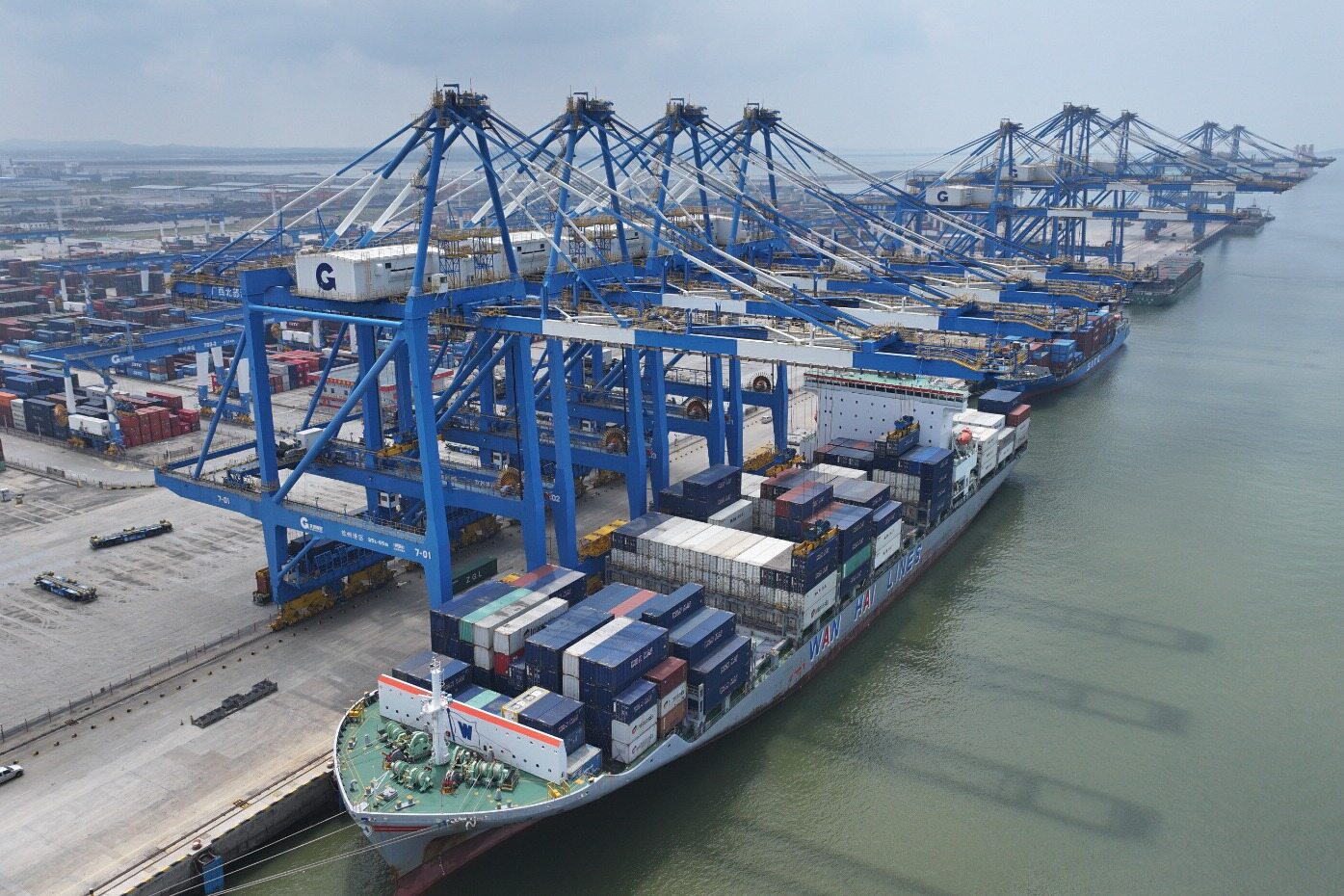
Recently, with the official approval of the Qinzhou Inland River Port Master Plan (2035) by the autonomous region government, the century long Pinglu Canal project has finally received exclusive support from inland river ports. As a key node born from the canal and thriving along it, Qinzhou Neihe Port is no longer just a water transportation transfer station, but has been entrusted with the core strategic mission of building a Pinglu Canal river sea intermodal transportation system and serving the new western land sea channel. The implementation of this plan has added a crucial puzzle to the development of Guangxi's offshore economy, marking the official entry of the last kilometer of the southwest region's sea going channel into the practical stage.
Building the backbone of the river sea intermodal hub
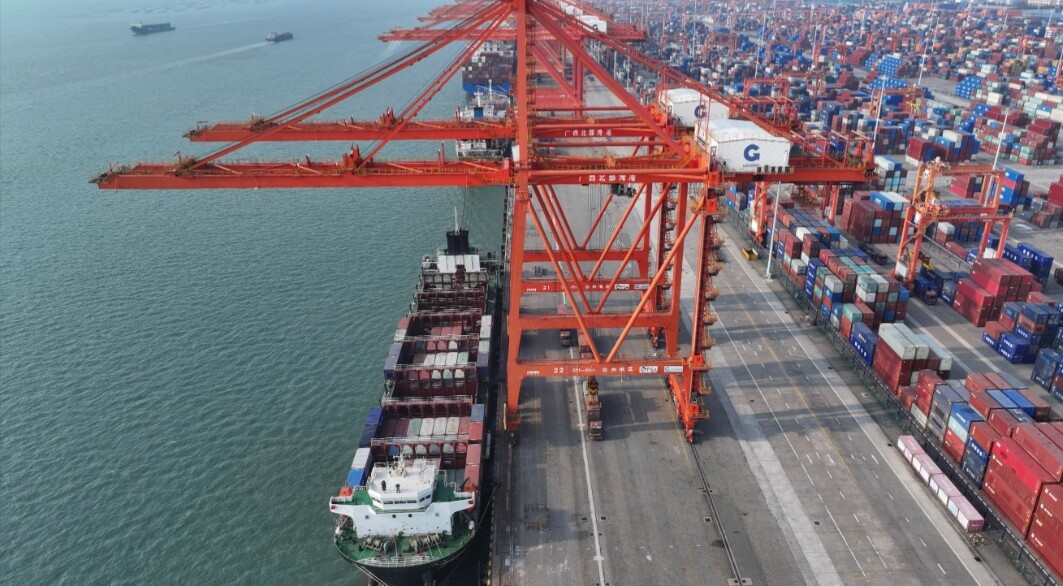
According to the plan, Qinzhou Neihe Port will construct an overall spatial pattern of two port areas, five operation areas, and multiple port points, with a total coastline of 9.92 kilometers, including 5.78 kilometers of freight coastline. Lingshan Port Area and Nanbei Port Area have different yet complementary functions: the Shaping and Land House Operation Areas in Lingshan Port Area focus on serving the county's dry bulk and container transportation, and also have tourism functions; The Pingji and Longwan operation areas in the North South Port Area mainly focus on dry bulk cargo and general cargo, and actively expand water rail intermodal transportation.
This layout precisely meets the freight demand of the Lingang Industrial Park along the Pinglu Canal, and will form 61 5000 ton production berths in the future, with a designed annual throughput capacity of 56.4 million tons, fully unleashing the potential of river sea linkage.
By 2035, the throughput is expected to reach 30 million tons
In terms of construction pace, Qinzhou Inner River Port adopts a phased promotion strategy. The first phase of the project will be implemented from 2026 to 2030, with a total investment of 820 million yuan. The first two operation areas, Luwu and Pingji, will be built, each equipped with two 5000 ton general berths, with an annual throughput of 3.5 million tons, and will be accompanied by water rail intermodal facilities to ensure synchronous operation with the Pinglu Canal navigation.

By 2035, the port will have fully established a modern inland waterway transportation system, with an expected cargo throughput of 30 million tons and passenger transport of 600000 people; Looking ahead to 2050, freight capacity is expected to soar to 40-50 million tons. Keywords: Pinglu Canal, Port Logistics
The construction of river ports in Qinzhou is not only an upgrade of infrastructure, but also a key move to improve the quality and reduce costs of logistics in Southwest China. Through river sea intermodal transportation, goods from Yunnan, Guizhou and other places can be transported directly to the coast, greatly reducing logistics costs and providing a solid water transportation foundation for the construction of a new land sea corridor in the western region.Editor/Cheng Liting
Comment

 Praise
 Collect
 Comment

 Share
Share


Write something~