 Search


- The project will enhance Tanzania's global energy status, increase export revenue and local employment opportunities
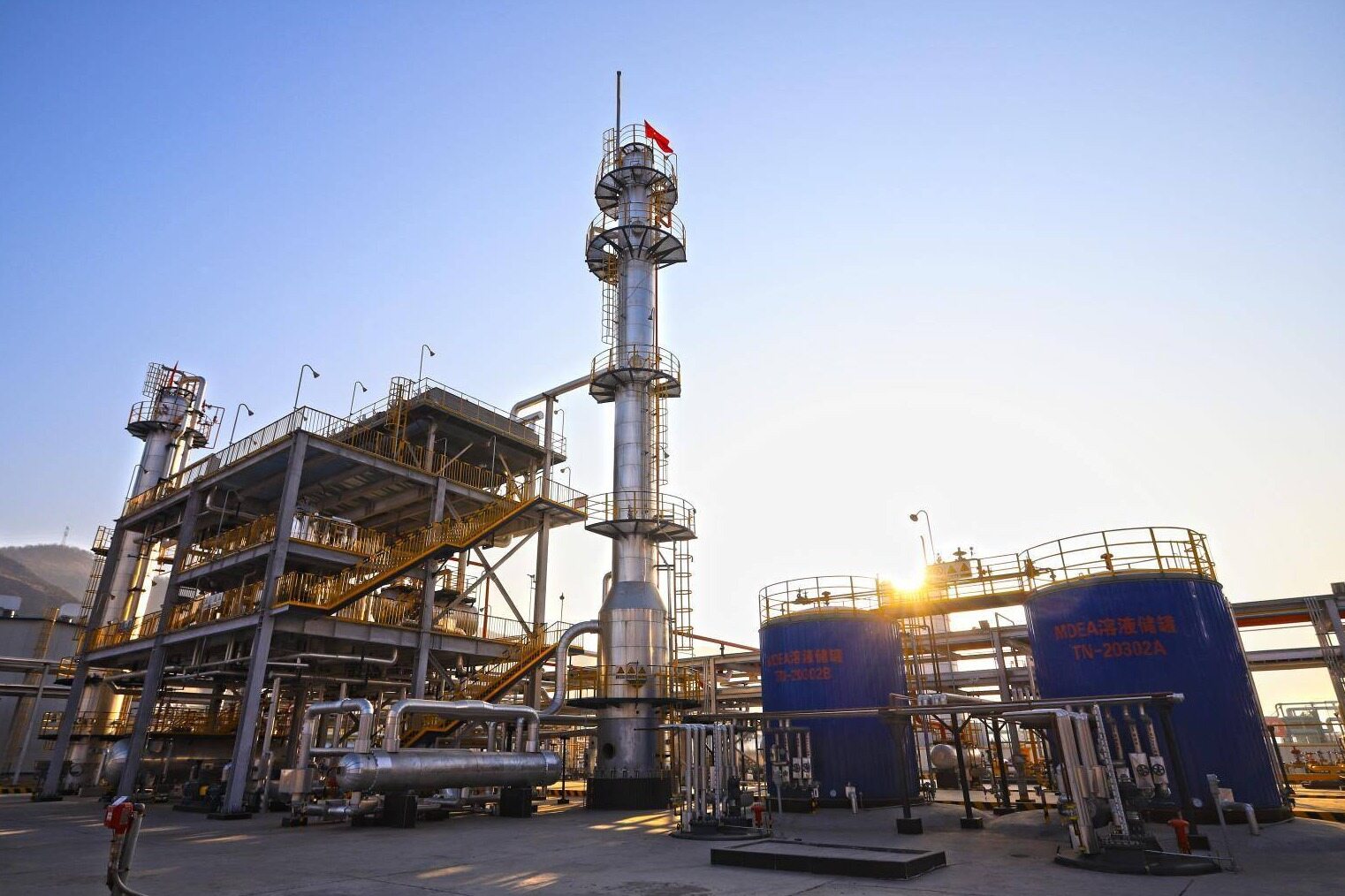
On April 23, 2026, in the parliamentary hall of Dodoma, the capital of Tanzania, Energy Minister Nde Jianbi laid out a departmental budget of 2.53 trillion Tanzanian shillings on the table. There is a bigger number hidden between the budget figures -42 billion US dollars. When he announced that the negotiations for the liquefied natural gas project had entered the final stage, it meant that the 47 trillion cubic feet of natural gas reserves along the coast of Tanzania had finally moved from the blueprint to the countdown to development.
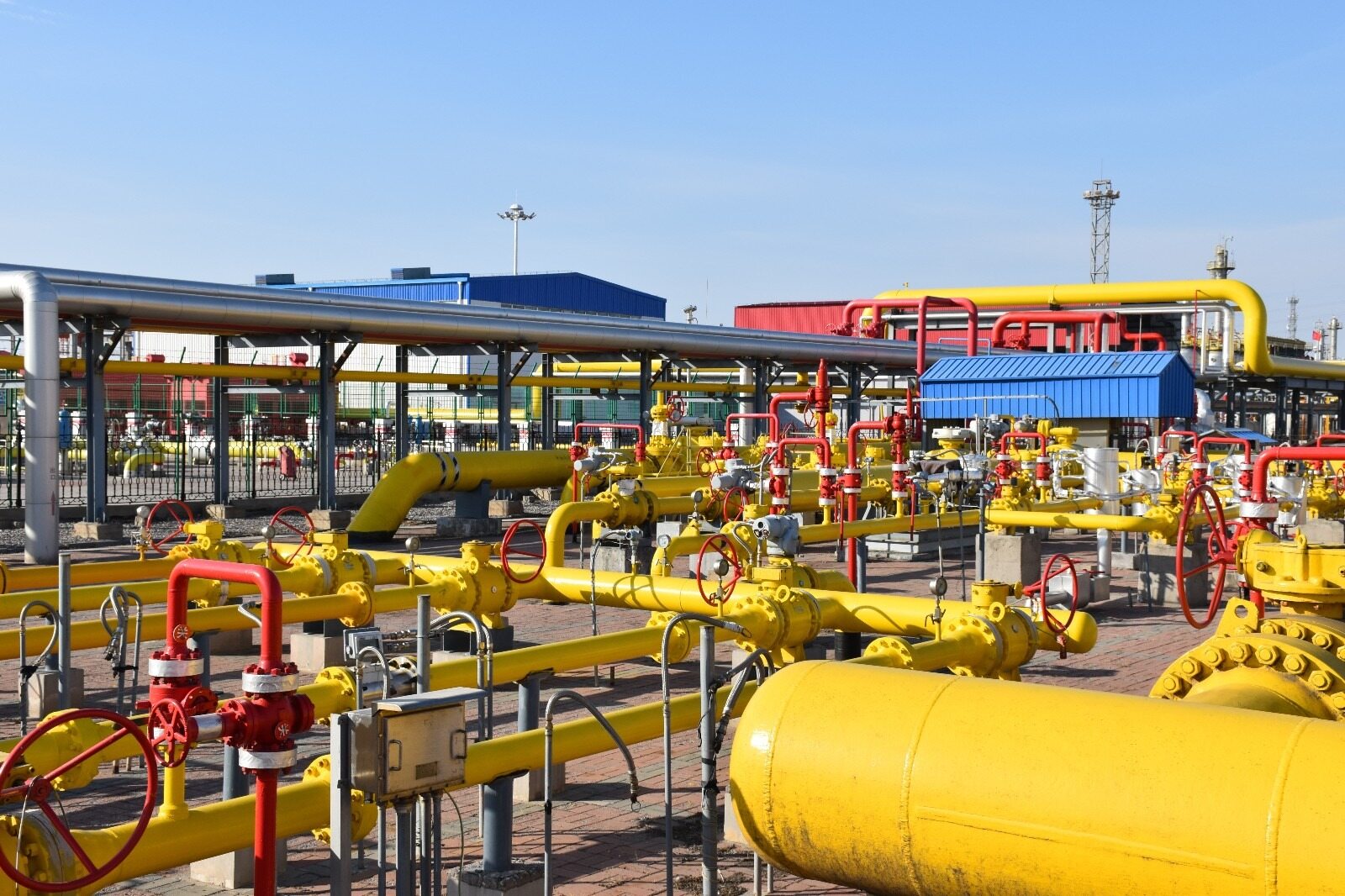
Mid year signing of host country government agreement
The key agreement of the project - the host government agreement is expected to be signed in mid-2026, which is the final procedural hurdle before making the final investment decision. The Ministry of Energy is synchronously promoting the formulation of project implementation agreements, land use planning, and development plans. The government has allocated 20 billion Tanzanian shillings from domestic fiscal revenue for preliminary work and continues to carry out public propaganda to help the public understand the employment and income opportunities brought by the project. Prime Minister Encemba emphasized that, given the unprecedented scale of investment, the government must proceed cautiously to ensure that national resources are properly protected.
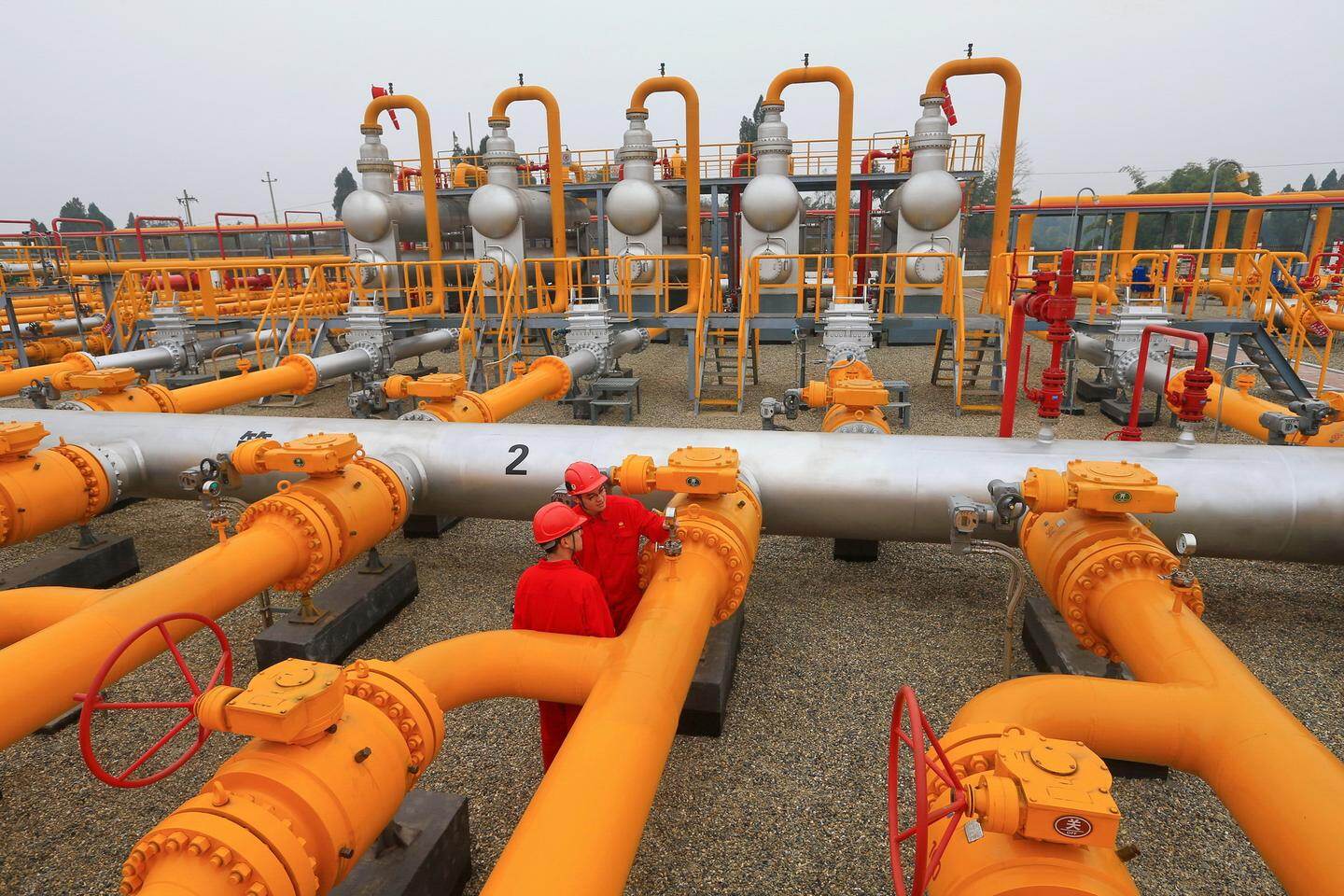
Five international energy giants jointly lead
The project is jointly led by Norwegian National Oil Company and Shell, with participation from ExxonMobil, Singapore Pavilion Energy, Indonesia Medeco Energy, and Tanzania Petroleum Development Company. The planned development block contains approximately 47.13 trillion cubic feet of natural gas resources, which will significantly increase Tanzania's weight in the global liquefied natural gas industry after production. The government is actively negotiating terms such as retaining at least 3% of natural gas production for domestic consumption and increasing the participation of local enterprises. Keywords: the Belt and Road news network, natural gas infrastructure
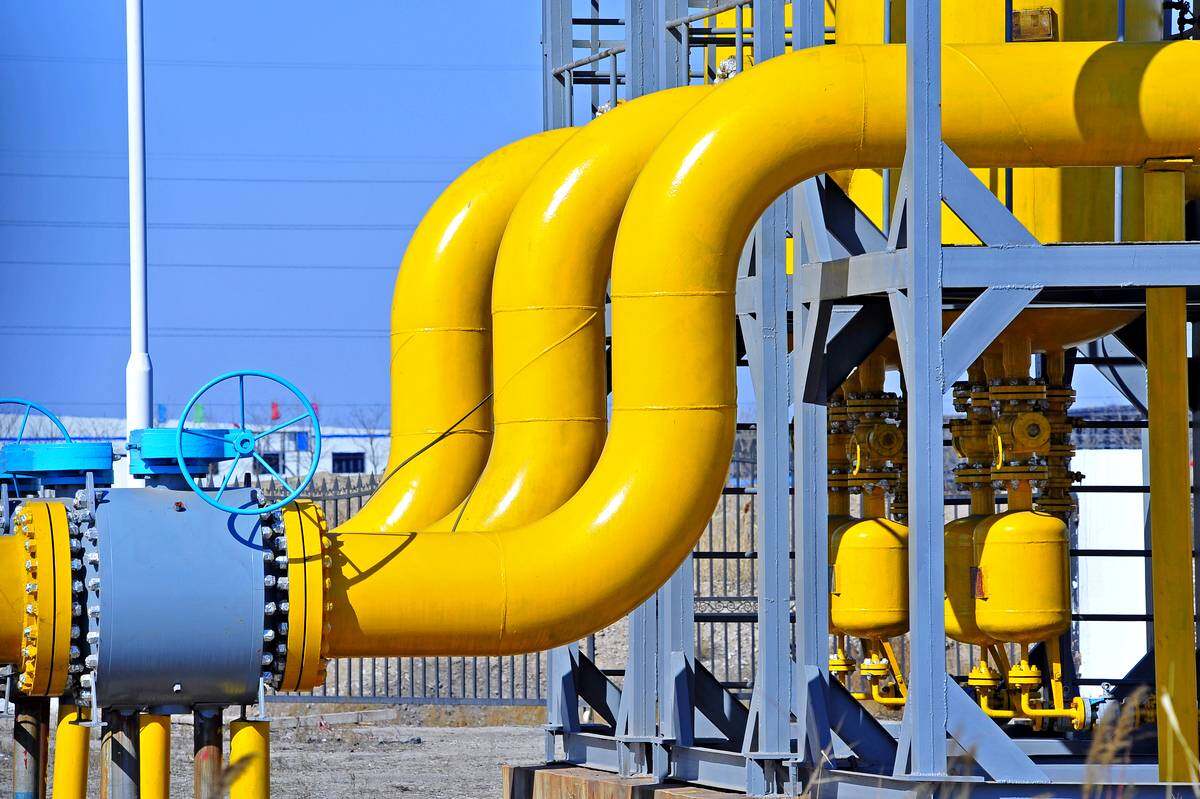
The government strives to maximize local rights and interests
In addition to ensuring the minimum supply of gas domestically, the negotiation focus of the Tanzanian side also includes local labor training, supply chain enterprise access, and downstream chemical industry chain extension. Energy Minister Ende Jianbi stated that the project will increase natural gas export revenue and foreign exchange reserves, as well as increase the proportion of domestic gas consumption. Once put into operation, the LNG export capacity of the East African coast will benchmark Mozambique and Nigeria, and Tanzania is expected to become one of the world's major suppliers of liquefied natural gas. From the negotiation table to the construction site, this East African natural gas treasure is only one step away from prying the global energy map.Editor/Gao Xue
Comment


 Praise
 Collect
 Comment

 Share
Share


Write something~