 Search


- The rules of the computing power competition have changed, and electricity and land are the real bottlenecks
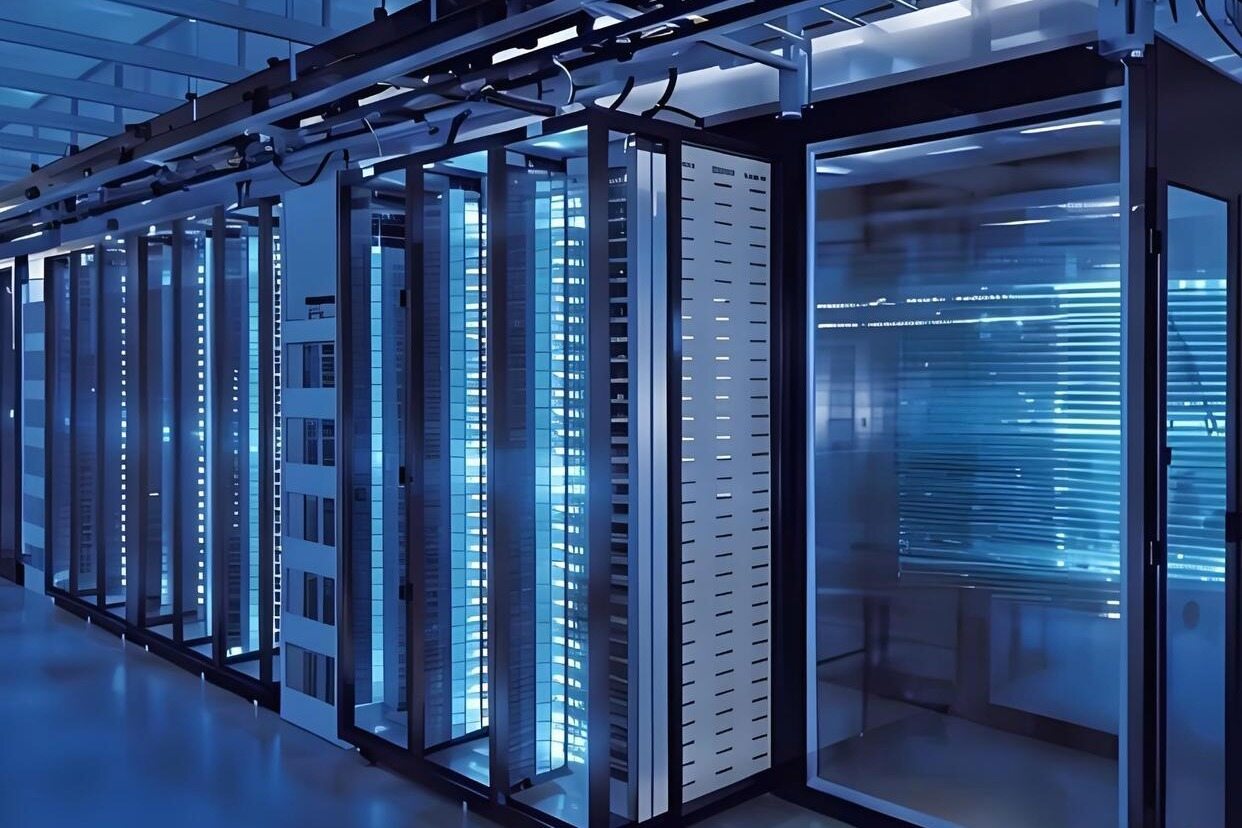
On the same day that AMD's Helios rack system was fully mass-produced and locked in 2.5GW data center capacity, the A-share computing power sector experienced a sharp decline. On one hand, there is the crazy betting of industrial capital, and on the other hand, there is the panic and escape of the capital market - behind this division, the logic of computing power competition has quietly changed.
From selling chips to locking power
On July 28, 2026, AMD signed a cooperation agreement with Core Scientific to lock in up to 2.5GW of data center capacity for 15 years, with estimated underlying contract revenue exceeding $14 billion. The first batch of 530MW will be distributed in five parks in Texas, Georgia, Oklahoma, and Alabama, with deliveries starting in the first half of 2027.
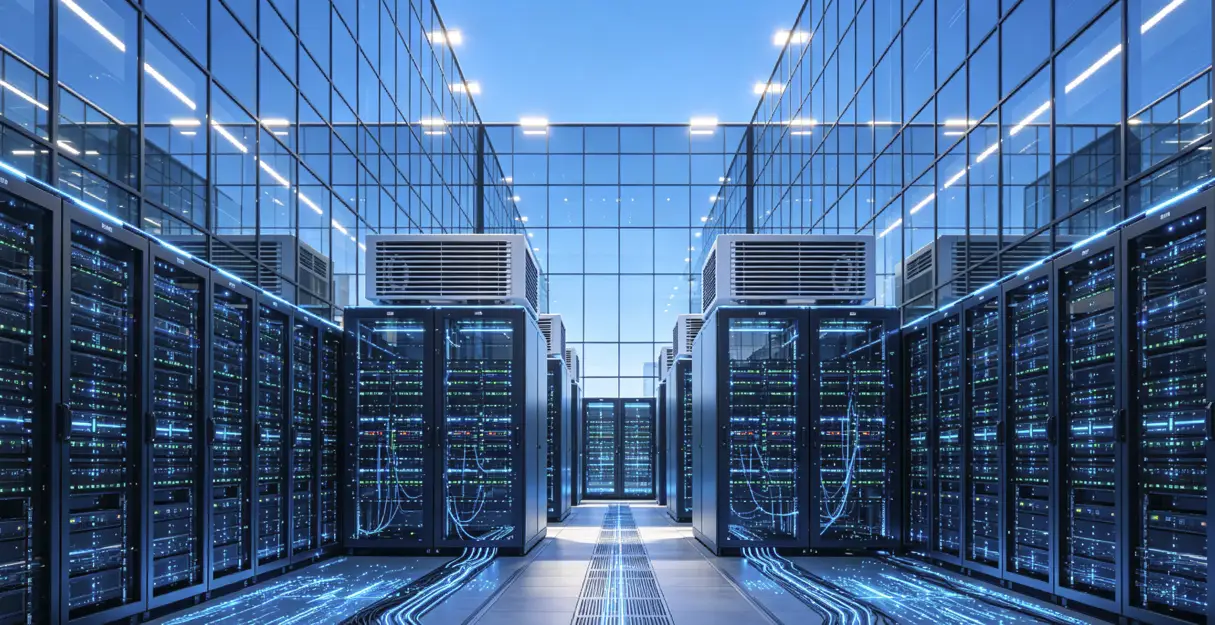
The structure of this transaction is quite unique. AMD is both a tenant and a second landlord - signing a contract for 377MW of critical IT capacity and leasing approximately 152MW to "unnamed cloud services and new cloud operators". AMD releases chips and software to help third-party customers run their GPUs.
This is not an isolated case. Previously, AMD had signed a long-term contract with Meta for 6GW and reached a 2GW partnership with Anthropic. Within two days, a total of 4.5GW of capacity was locked in two large orders with Anthropic and Core Scientific.
Core Scientific's Turnaround Sample
Core Scientific was once one of the largest Bitcoin mining companies in North America and is now accelerating its transformation towards AI data centers. The company has locked in approximately 1.1GW of customer capacity, corresponding to potential contract revenue exceeding $24 billion.
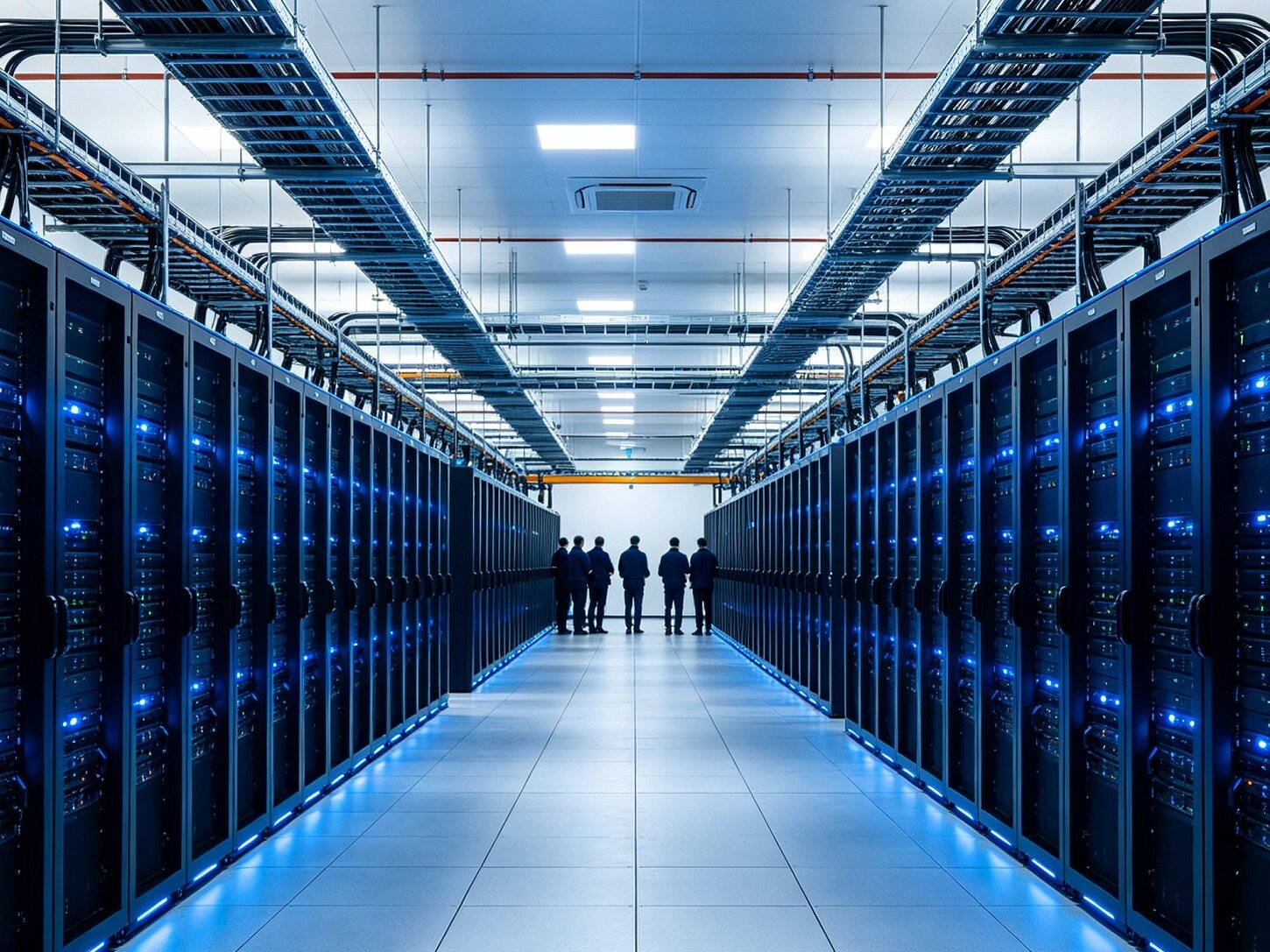
Bitcoin mining sites naturally possess two of the rarest things in AI data centers: large-scale grid connected electricity capacity and leveled industrial land. Transforming a mining site is much faster and cheaper than building from scratch. Core Scientific plans to expand its Muskogee campus in Oklahoma to a total power capacity of approximately 1.5GW, and the Pecos site in Texas will also expand to approximately 1.5GW.
Electricity and land are the real bottlenecks
Su Zifeng predicted at the Advancing AI Conference on July 23 that the market size of AI accelerators will reach $1.4 trillion by 2030. She also pointed out that about 60% of the global AI computing power has been used for inference rather than training.

Domestically, there is also an urgent need for collaborative computing and electronics. The 15th Five Year Plan has included the integration of computing and electronics into new infrastructure projects. The spatial layout mismatch of computing power between the east and west, as well as the mismatch between computing power demand and green power supply time, are still unresolved problems.
AMD's 2.5GW contract reveals a fact: when chip production capacity is no longer the biggest bottleneck, power access and available land are.Editor/Cheng Liting
Comment




 Praise
 Collect
 Comment

 Share
Share


Write something~