 Search


- The 600MW pilot project is accelerating, and the space for China Russia energy storage cooperation continues to open up
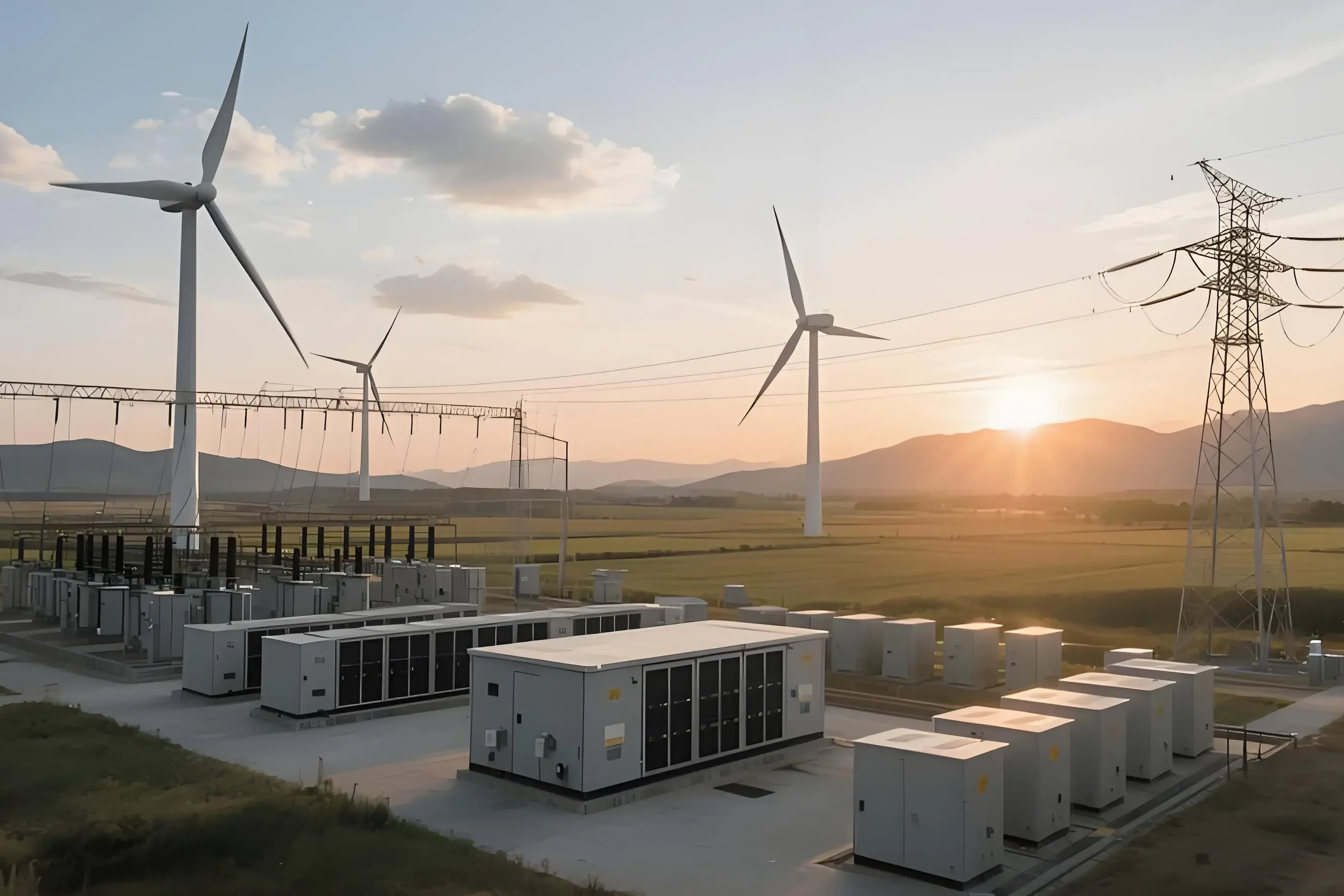
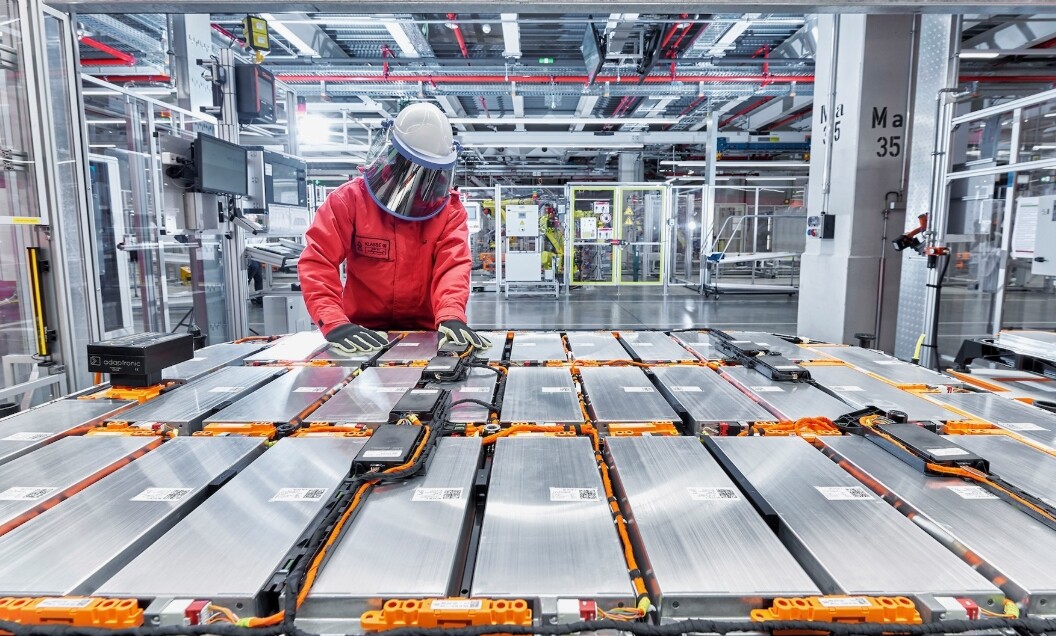
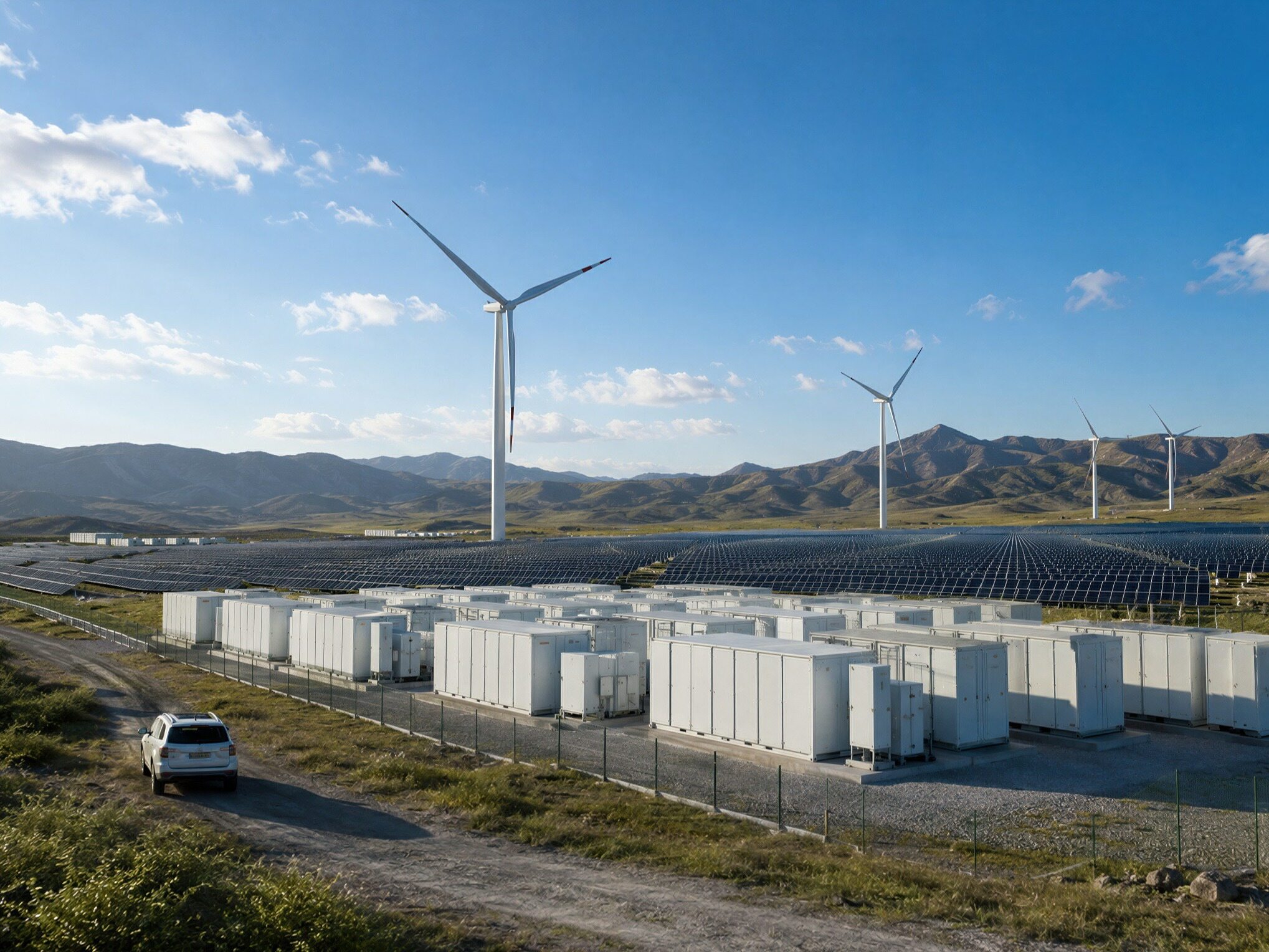
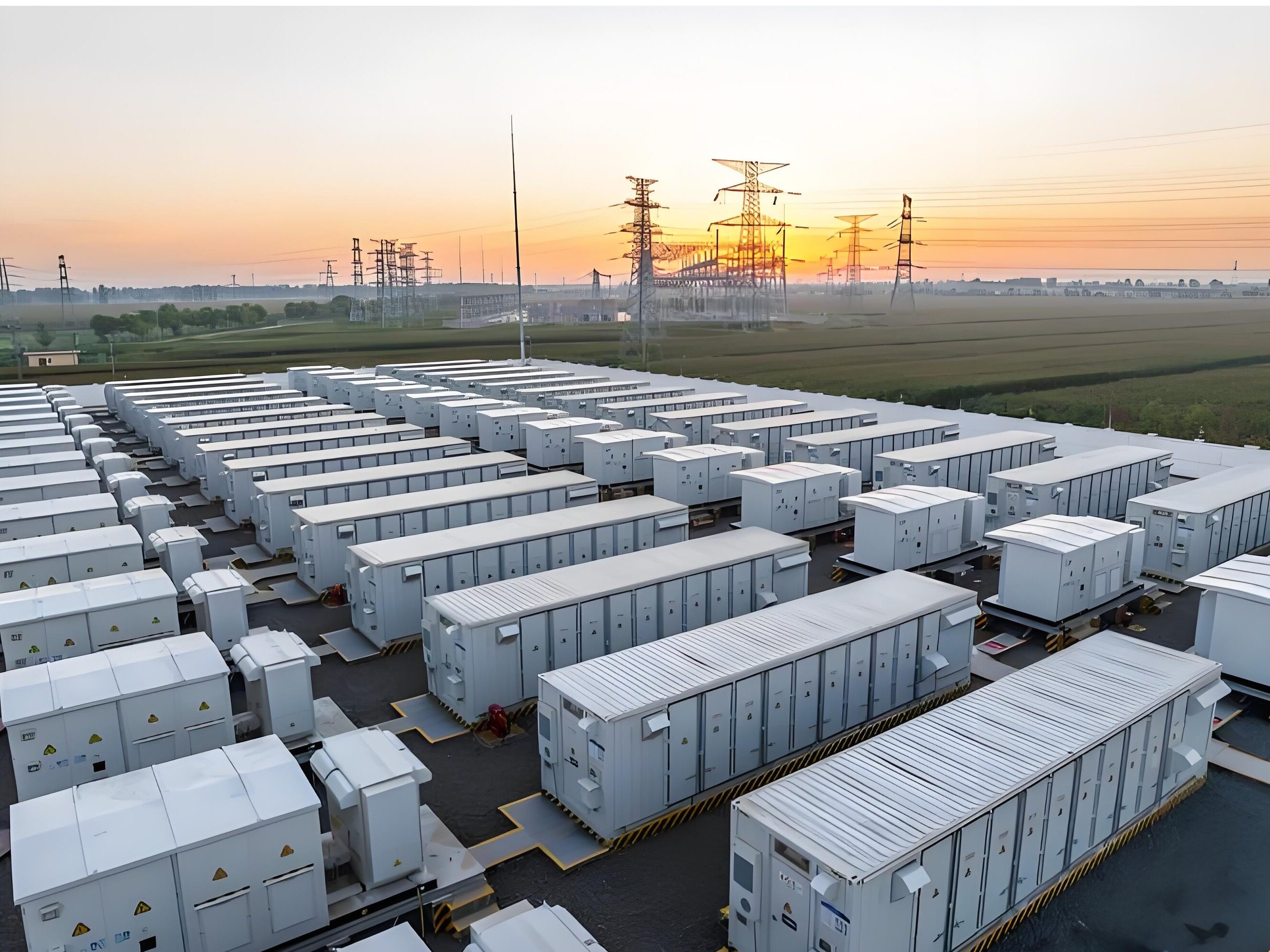
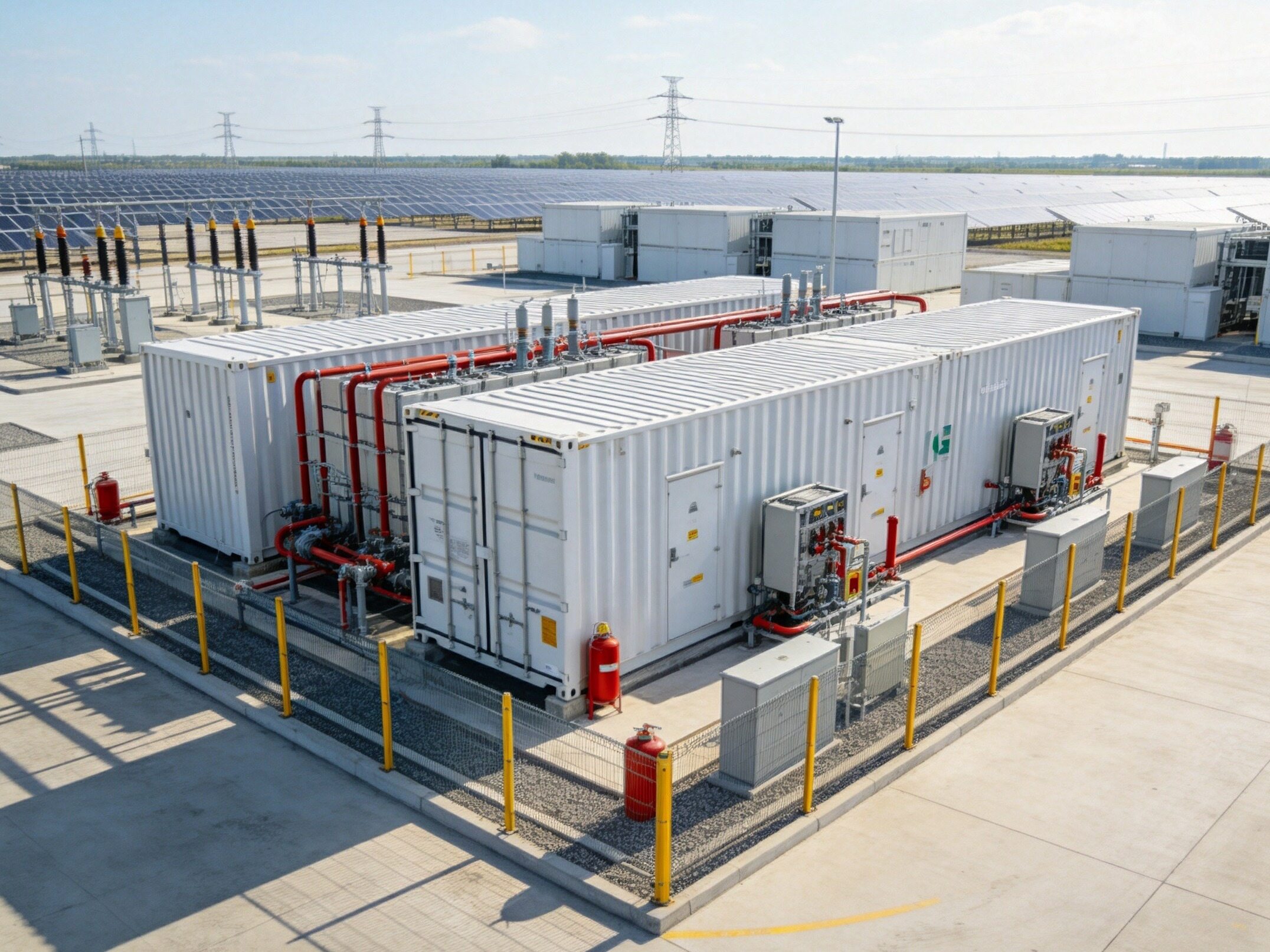
As of June 2026, Russia's first large-scale energy storage project group has moved from planning to implementation. In the 600MW deployment plan previously announced by the Ministry of Energy, the equipment installation for the 250MW project in Krasnodar Krai has started, the site selection for the 100MW project in Crimea has been completed, and the capacity utilization rate of the 4GWh lithium battery super factory that will be put into operation by the end of 2025 continues to rise. The first sodium ion battery pilot line was also ignited and put into operation at the beginning of this year.
600MW pilot project accelerates implementation
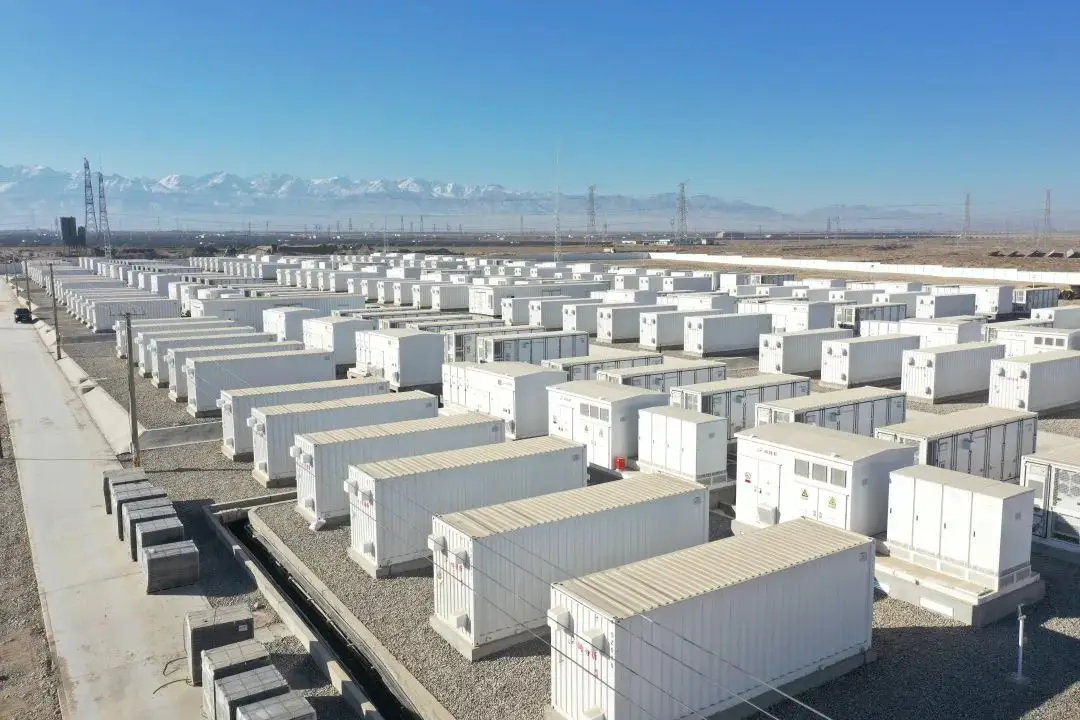
According to the original plan, Russia will deploy about 600MW energy storage systems in the south and east, consisting of multiple pilot projects: 250MW in Krasnodar Krai, 100MW in Crimea led by State Grid, and the rest distributed in the Far East and other areas. The direct driving force is the continuous deterioration of power shortage - in the summer of 2024, the southern region experienced its first large-scale rotating power outage in many years due to high temperatures and unit maintenance. It is predicted that by 2030, the gap in the southern joint power system will reach 2.1 to 2.4 GW. Energy storage is considered a key means to quickly alleviate power supply shortages and improve energy security.
Strategic bets under high costs
There is significant economic controversy: the capital expenditure per megawatt of energy storage is about 207 million rubles, the total investment for a 350MW project is 25.5 billion to 30 billion rubles, and the cost per kilowatt hour is 60 to 90 rubles, far higher than the 10 to 12 rubles for newly built power plants. But Putin has ordered the development of new generation technologies such as sodium ion batteries, with the goal of expanding the domestic energy storage market to 20 to 30 GWh by 2030, and developing about 50 new energy storage devices through national projects to ensure technological sovereignty.
China Russia cooperation window opens
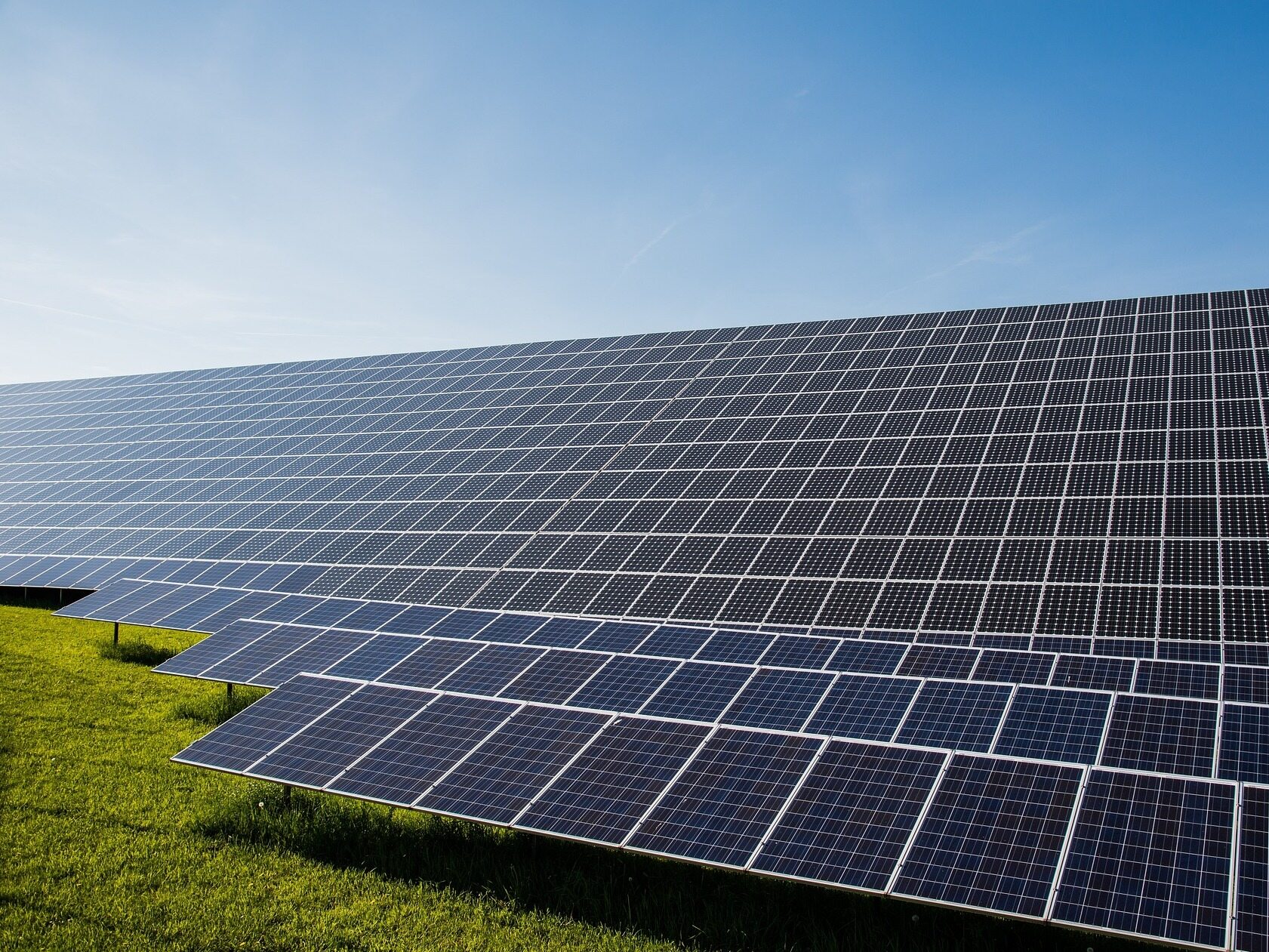
The Energy Cooperation Roadmap signed in 2025 explicitly strengthens energy storage cooperation. It is predicted that by 2030, the size of the Russian battery energy storage market will reach 1.544 billion US dollars, with a compound annual growth rate of 33.6%. Chinese companies have already completed early layout, but they need to deal with barriers such as Russia's local technological tendencies and equipment certification. Keywords: Russia, energy strategy, energy storage
From the progress of the first half of 2026, Russia is vigorously promoting energy storage layout with the logic of high cost for safety. Although the 600MW pilot project is under economic pressure, it has opened a new window for its energy transformation and Sino Russian cooperation.Editor/Cheng Liting
Comment


 Praise
 Collect
 Comment

 Share
Share


Write something~