 Search


- Russian railways loaded 95 million tons in May, up 0.5% year-on-year
- Freight turnover has increased for two consecutive months, and the export volume to the east has increased significantly by 9.6% year-on-year
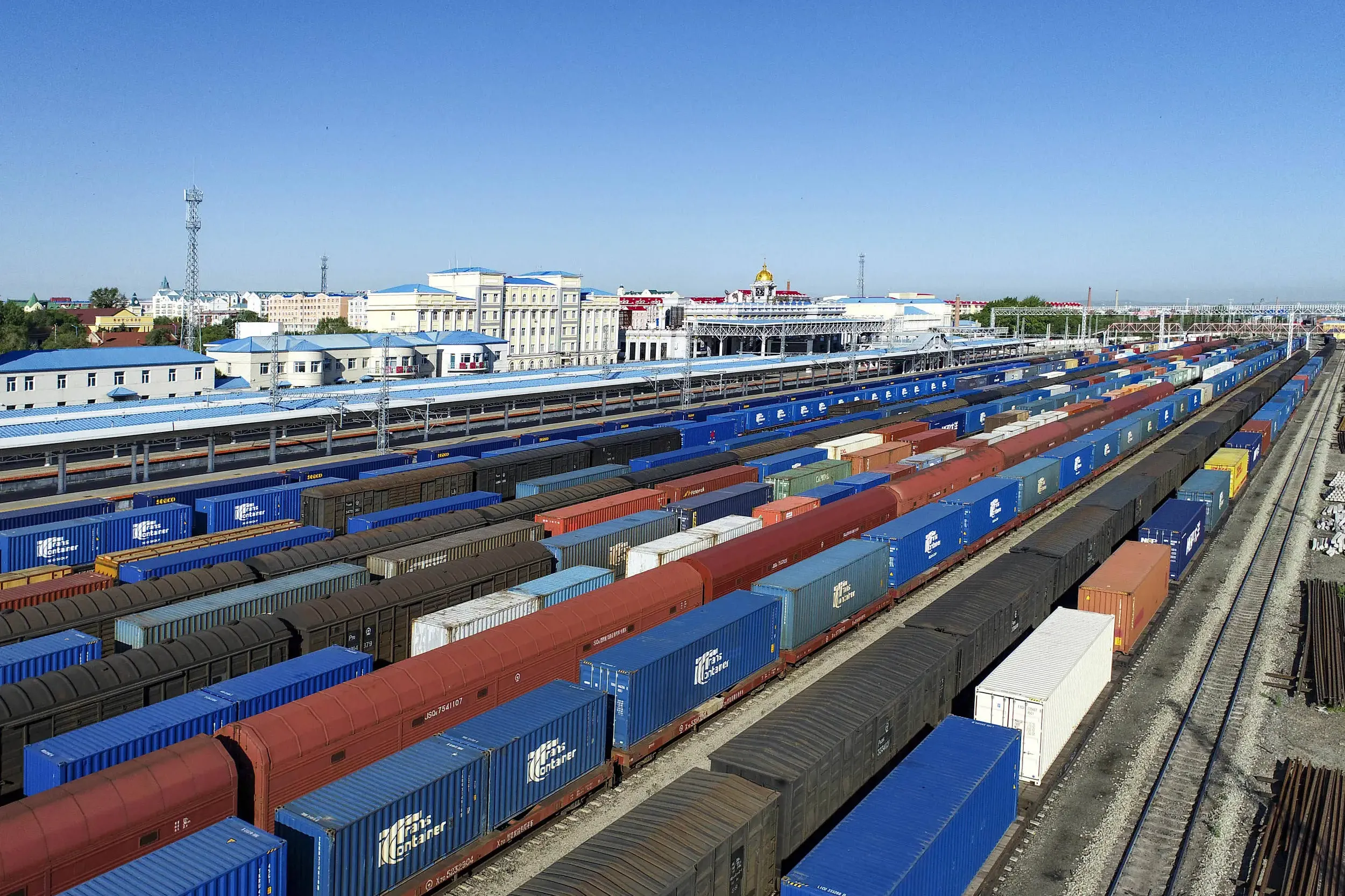
Russian railway freight, which has been under continuous pressure since the beginning of 2026, finally submitted a stabilizing signal in May. The total number of freight vehicles loaded on the road reached 95 million tons, a slight increase of 0.5% year-on-year. Although the growth rate is not significant, considering the sluggish background of the first four months, this figure means that the downward trend is narrowing. More noteworthy is that the freight turnover has increased by 4.1% for the second consecutive month - the turnover is ahead of the loading volume, indicating that the goods are going further.
Grain and eastward exports become highlights
The engine driving the growth in vehicle installation in May came from multiple directions. Coal increased by 4.7% year-on-year, grain surged by 70%, non-ferrous metal ores increased by 15%, and wood and cement also rebounded by 1.8% and 4% respectively. The performance on the export side is even more impressive: the eastbound channel transported 14.4 million tons in May, a year-on-year increase of 9.6%. In the segmented categories, grain increased by 5.2 times, fertilizer increased by 1.8 times, oil products increased by 46.8%, and steel products increased by 50.1%, almost all of which were in the red. This set of data clearly points to a fact - Russian goods are accelerating towards the east, and long-distance transportation is driving up turnover.
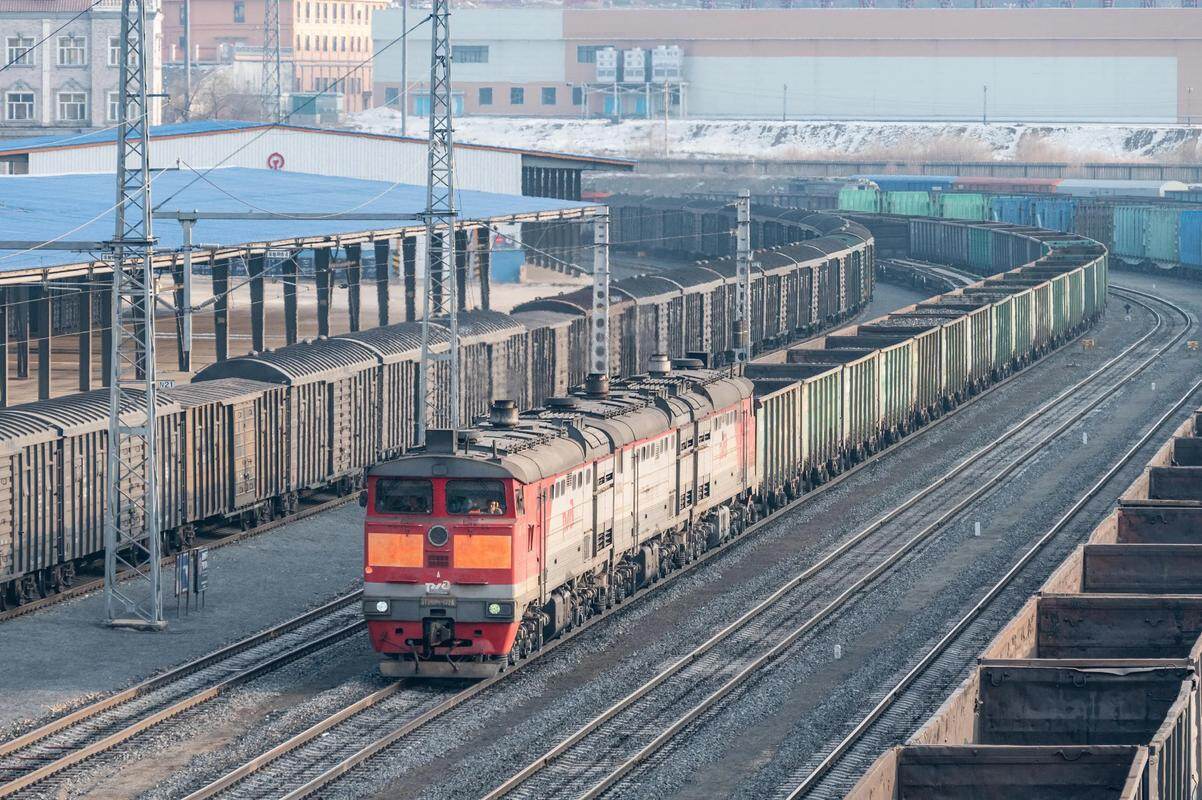
At the regional level, the fastest growing is the Kaliningrad Railway Bureau, with a year-on-year surge of 69.8% in the number of loaded trains. The Far East Railway Bureau and Krasnoyarsk Railway Bureau also increased by 9.7% and 9.9% respectively. Bureaus along the Volga River, West Siberia, and South Urals have all rebounded to varying degrees.
Accumulated pressure throughout the year
Although there was a monthly rebound in May, the pressure still persists throughout the year. In the first five months of 2026, Russian railways loaded a total of 458.7 million tons of vehicles, a year-on-year decrease of 1.4%. A single month positive does not mean that the trend has completely reversed, the performance in the following months is the key variable.
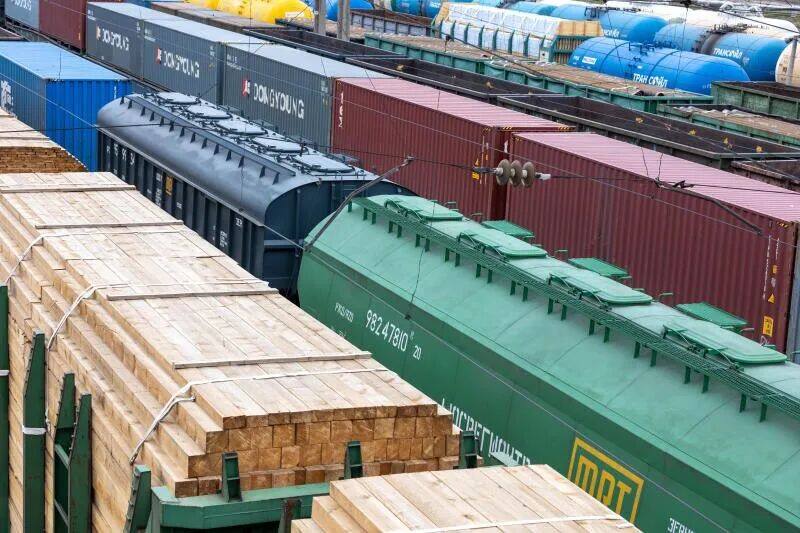
The current core logic is not complicated: Western sanctions have reshaped Russia's trade flow, the eastward channel has changed from a backup option to a main channel, and the lengthening of transportation distance has directly boosted turnover. With the continuous expansion of the eastward international transportation channel and further optimization of the export logistics structure, the railway freight market is expected to gradually improve. But the cumulative decline of 1.4% reminds us that the recovery will not be a straight line, but an uneven ramp up.Editor/Cheng Liting
Comment



 Praise
 Collect
 Comment

 Share
Share


Write something~