 Search


- Expand the application of electronic documents and gradually increase the scale of handover at nine major border ports
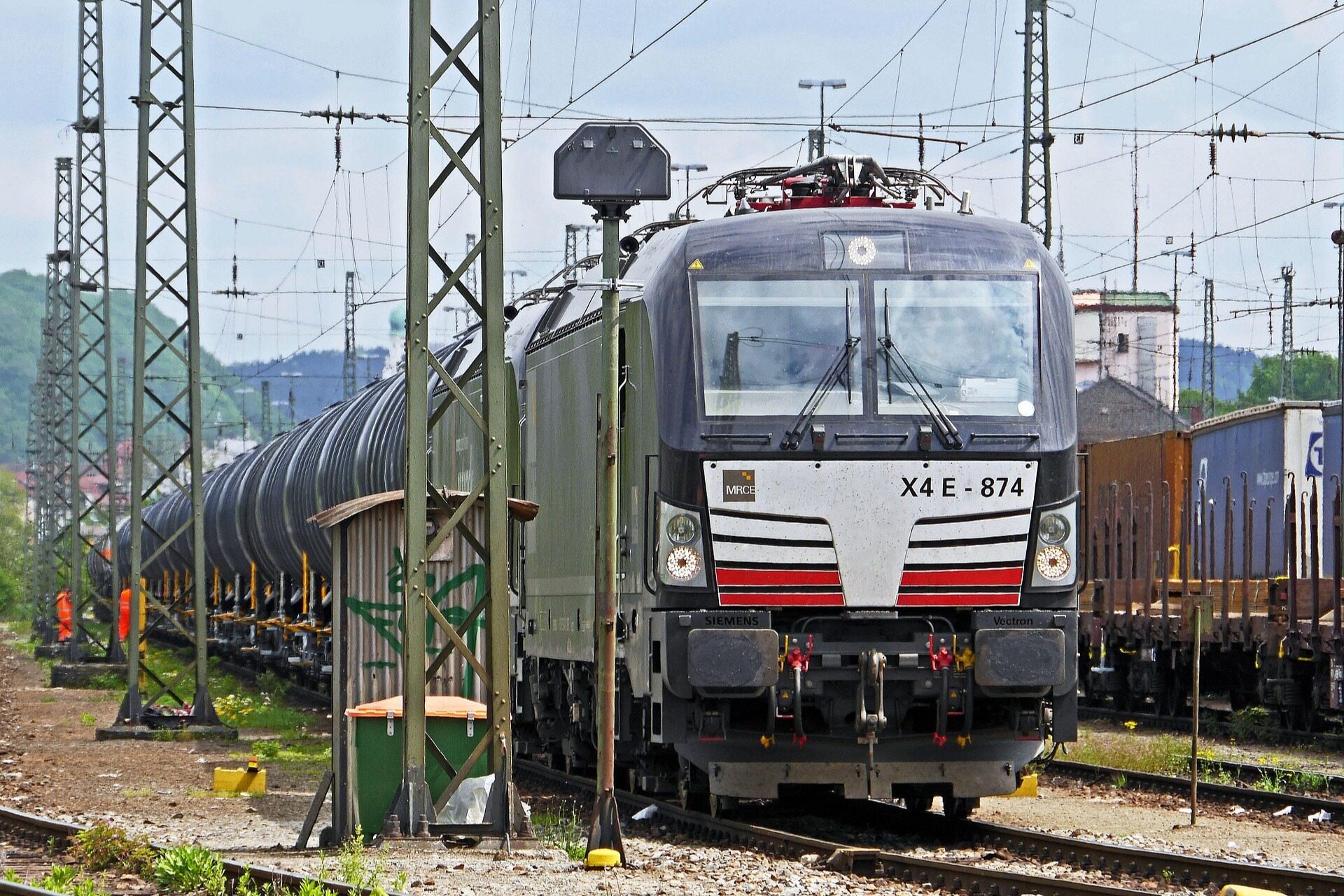
When the diplomatic itinerary of major country leaders is synchronized with infrastructure agreements, signals are often more worthy of interpretation than the documents themselves. During Putin's state visit to Astana, Kazakhstan Railways and Russian Railways signed a joint action plan for digitizing transportation processes. On the surface, this appears to be a technical cooperation document; Essentially, it refers to the digital upgrade of logistics channels across the entire Eurasian continent.

Paperless is not a slogan
The core goal of the plan is to deepen the interconnection of information systems between both parties, expand the application scope of electronic documents and electronic document circulation, and gradually achieve paperless transportation of goods. For cross-border railway freight, paper documents have always been an efficiency killer - a train departing from Russia to Kazakhstan passes through multiple ports, changing and inspecting along the way, and each link relies on the circulation of paper documents. Any delay at any node will drag down the overall efficiency.
The expansion of electronic data exchange is essentially about eliminating these digital barriers and enabling seamless international intermodal transportation. Both parties also agreed to strengthen international cooperation in the field of international intermodal electronic data exchange, which means that in the future, freight data between Russia and Kazakhstan will gradually be integrated into broader Eurasian railway network standards.
Nine major ports will expand capacity in stages
In addition to digitization, the agreement also includes a specific hardware expansion plan: to gradually increase the scale of train handover at nine Russia Kazakhstan border railway ports. These nine ports are the throat nodes of Russia Kazakhstan railway freight transportation, and the improvement of handover capacity directly determines the ceiling of cross-border transportation capacity. Kazakhstan Railway Company defines this as an important milestone in bilateral cooperation and emphasizes that it will help consolidate Kazakhstan's position as an economic hub connecting Russia and Central Asian countries. Keywords: digitalization of railways, Central Asia

In the current situation where multiple routes such as the China Europe Railway and the Trans Caspian International Transport Corridor are intertwined, the digital upgrade of the Russia Kazakhstan Railway not only serves bilateral trade, but also lays a digital foundation for the logistics channels of the entire Eurasian continent. When paper documents are replaced by data streams and port handover is no longer a bottleneck, this steel artery that runs through Europe and Asia can truly be considered as running the last kilometer.Editor/Cheng Liting
Comment






 Praise
 Collect
 Comment

 Share
Share


Write something~