 Search


- After 14 years of lengthy legal battles, Maersk Terminal Company has finally reached a peace agreement with Indian port authorities
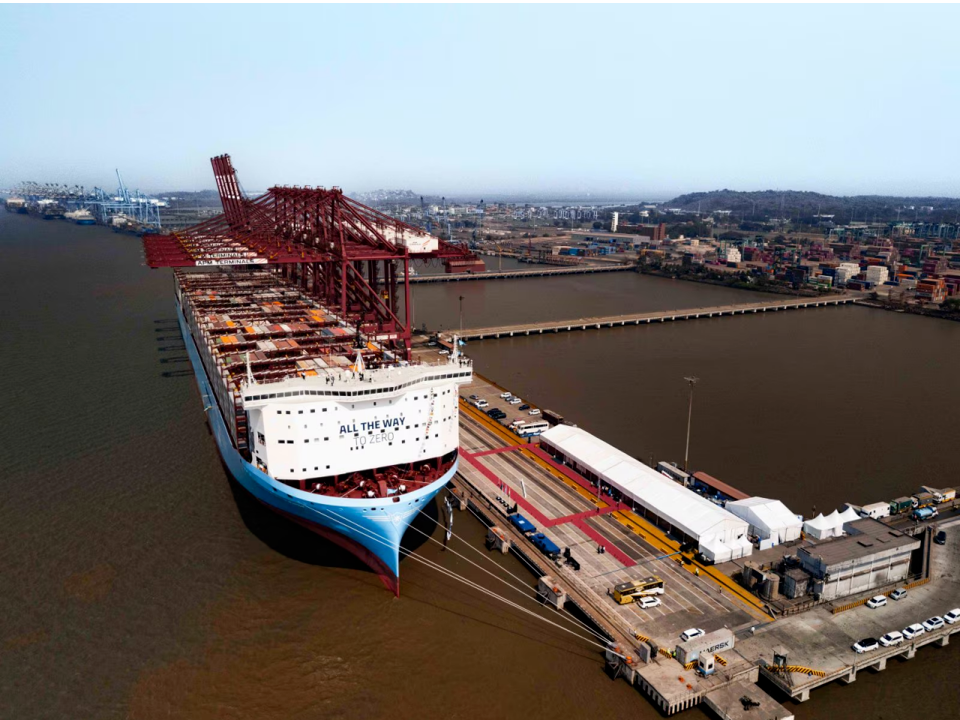
In February 2012, for global shipping giant Maersk, it should have been a normal day to operate its terminals as usual, but it was disrupted by a sudden price drop. The Port Charges Authority of India (TAMP) unilaterally wielded a "machete" and significantly reduced the toll standards of its Mumbai terminal by over 44%. This not only means a sharp decrease in revenue, but also triggers a tug of war spanning over a decade, pushing the company and the International Port Authority towards a long path of litigation and mediation.
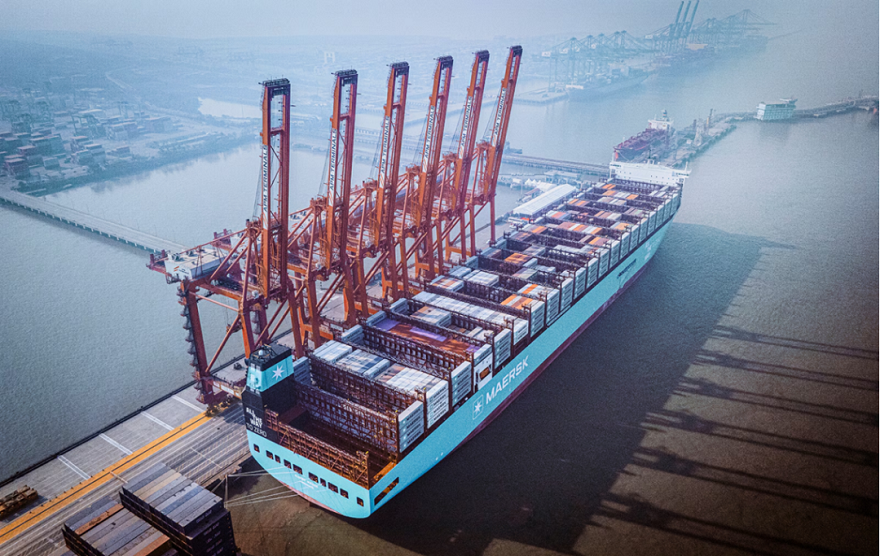
Now, this marathon like dispute has finally come to an end. APM Terminals and Jawaharlal Nehru Ports Authority (JNPA) have officially reached a settlement agreement, deciding not to dwell on past right and wrong, but to transform the disputed funds into a driving force for industry development, jointly investing in the establishment of an infrastructure fund.
The beginning and end of fourteen years of grudges and grudges
The root of this dispute can be traced back to early 2012. At that time, Indian regulatory authorities attempted to intervene in market pricing through administrative means, resulting in significant operational pressure on Gateway Terminals India (GTI) operated by Maersk Terminal. In order to protect its own rights and interests, GTI Terminal quickly filed a lawsuit with the Mumbai High Court and successfully obtained a temporary injunction, thereby maintaining its original fee standards during the trial period and avoiding a sharp decline in revenue.
However, the legal procedures are complex and lengthy. It was not until 2021 that both parties agreed to submit the dispute to the Mediation Committee (CSC) under the Indian Ministry of Ports, Shipping and Waterways, attempting to resolve the conflict through a government led alternative dispute resolution mechanism. After in-depth calculation and negotiation, the mediation committee has made the final judgment: from 2012 to 2019, based on operational indicators, there was no significant profit and loss imbalance at the terminal.
The whereabouts of billions of funds
Although the operational level appears to be balanced, financial auditing reveals a different picture. According to calculations, during this period, there was an actual overcharging of approximately 181 million rupees (approximately 2.1 million US dollars) at the terminal. According to the agreement, this fund will be directly refunded to the affected port users to correct previous market deviations.
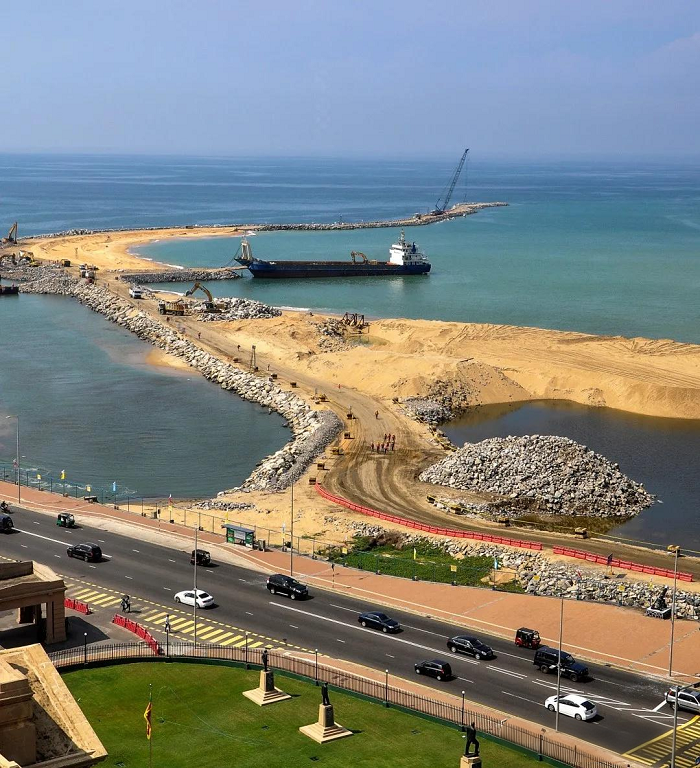
The real challenge is a larger historical legacy fund. Data shows that before regulatory intervention in 2012, the terminal had accumulated a historical surplus of up to 2.8655 billion rupees (approximately 33.4 million US dollars). Due to the age, user records are incomplete and it is impossible to return them one by one. In order to avoid idle funds or new distribution disputes, both parties have made a highly constructive decision: to invest these funds into the future. This huge sum of money will no longer be used for dividends or filling fiscal gaps, but will be specifically used for port infrastructure construction.
Transform war into jade and silk
With the signing of the settlement agreement, the former opponent has become today's partner. The Chief Operating Officer of GTI stated that this result significantly enhances the industry's confidence in India's institutional mechanisms and provides much-needed policy certainty for long-term investors. For Maersk, this not only solves the historical burden, but also strengthens its determination to continue to deeply cultivate the Indian market.
The newly established infrastructure fund will be a new starting point for cooperation between both parties. As India's largest container gateway, JNPA's throughput capacity and operational efficiency will directly benefit from this capital injection. Through reinvestment in port infrastructure, both parties hope to modernize JNPA to meet the growing global trade demand and truly achieve a transition from confrontation to win-win.Editor/Yang Meiling
Comment



 Praise
 Collect
 Comment

 Share
Share


Write something~