 Search


- The conference consolidates consensus from multiple parties to promote the upgrading of cross-border logistics in Central Asia
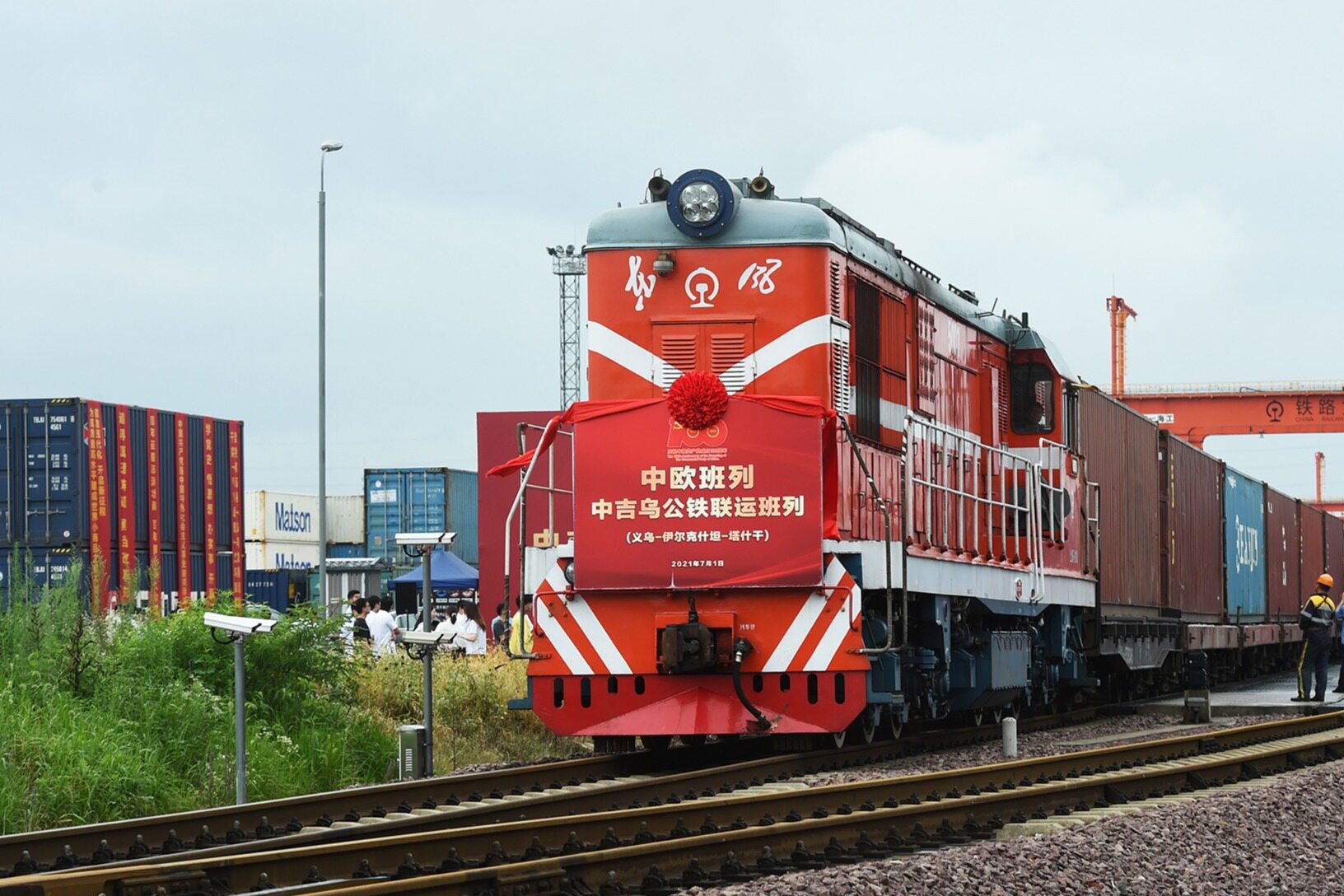
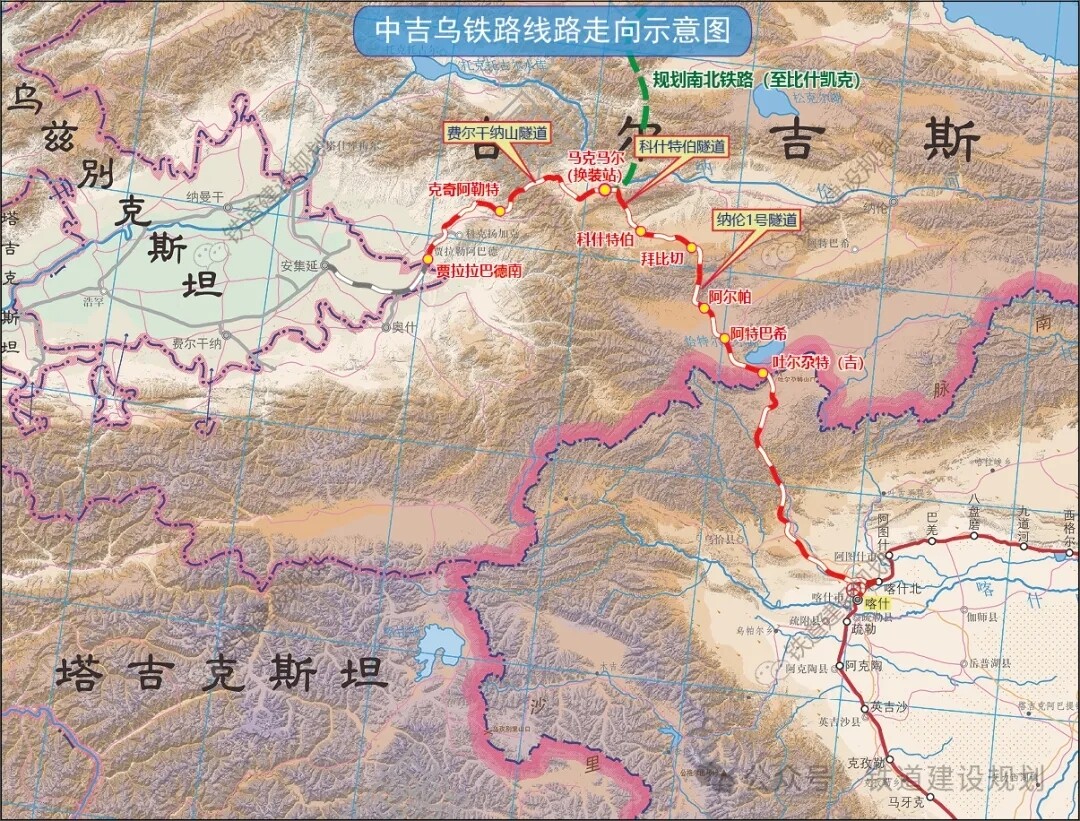
A closed door meeting about the pulse of the Eurasian hinterland quietly kicked off in Beijing. There was no grand ribbon cutting ceremony, but it gathered elites from the Uzbekistan Railway Ministry, top university Tashkent Jiaotong University, and industry regulatory executives. In this brainstorming session about the steel artery, the China Kyrgyzstan Uzbekistan railway is no longer just a dotted line on the map, but an entity that is being given life and rules.
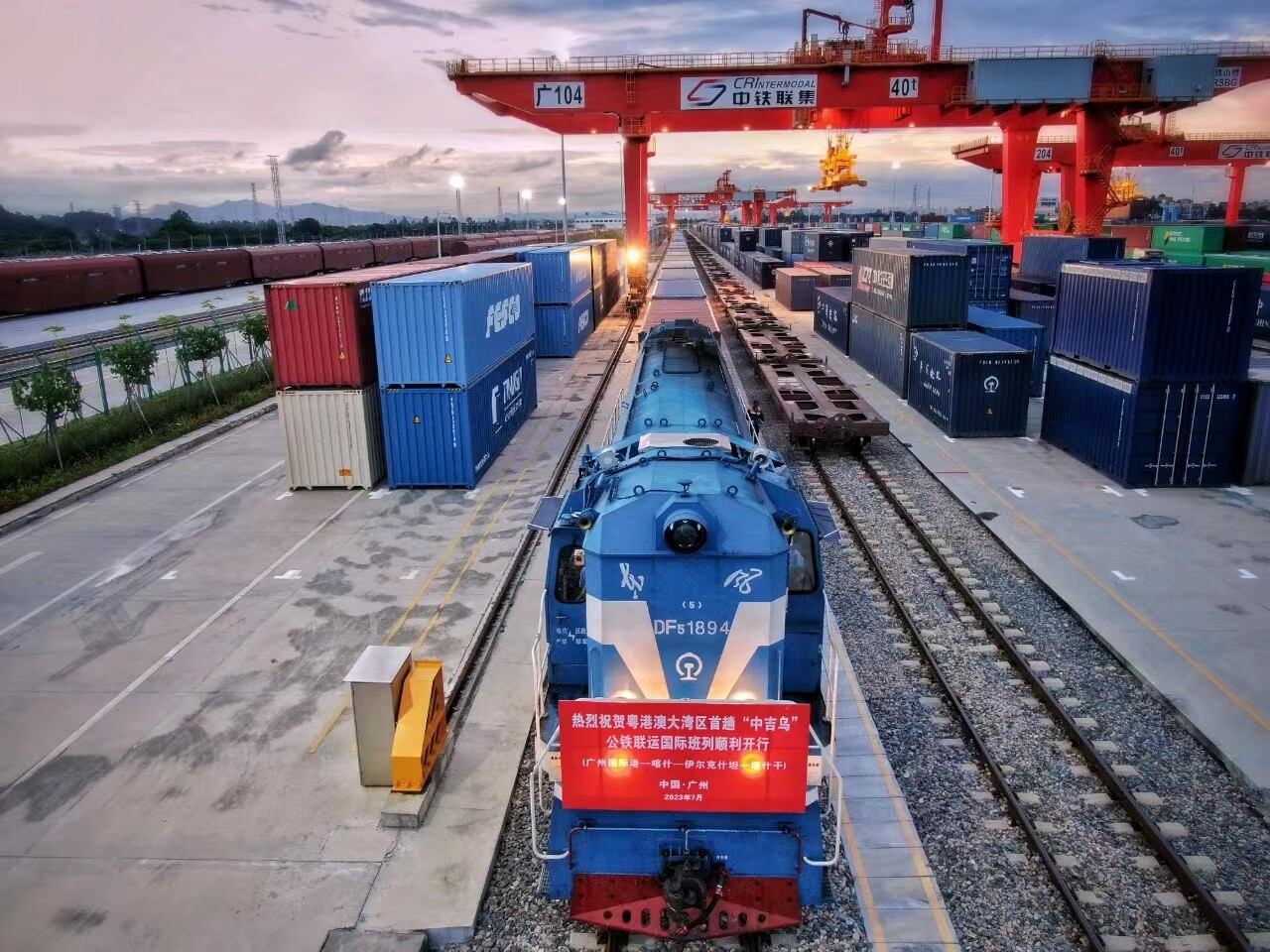
The Three Kingdoms jointly discussed the formulation of railway rules
Technicians and scholars from China, Kyrgyzstan, and Uzbekistan sat around the table, engaging in a fierce and systematic confrontation for the first time regarding international standards for cross-border rail transit, compatibility of high-speed rail systems, and localized application of cutting-edge infrastructure technologies. Various parties are attempting to break down national barriers and search for the greatest common divisor in the specifications of steel rails and the frequency of signals.
Cracking the problem of cross-border logistics standards
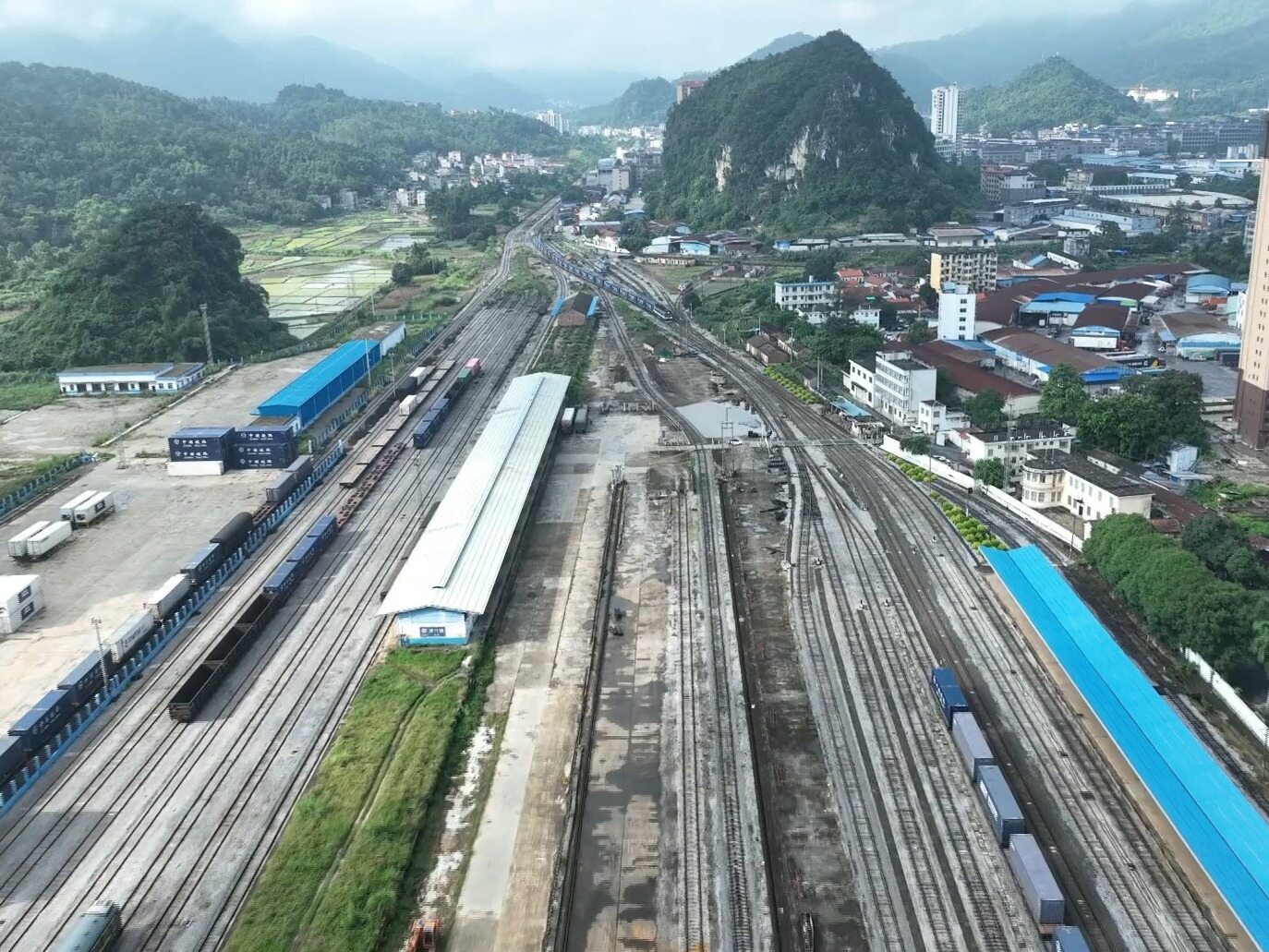
With the surge in regional trade flows, the existing inconsistent cross-border transportation standards and disjointed operation and maintenance have become bottlenecks restricting economic development. The seminar directly targeted the pain points and deeply analyzed the full chain bottlenecks from customs clearance facilitation to multimodal transportation connection, aiming to truly create a golden channel for reducing logistics costs through unified standards for this railway. Keywords: the Belt and Road News Network, China Kyrgyzstan Uzbekistan Railway
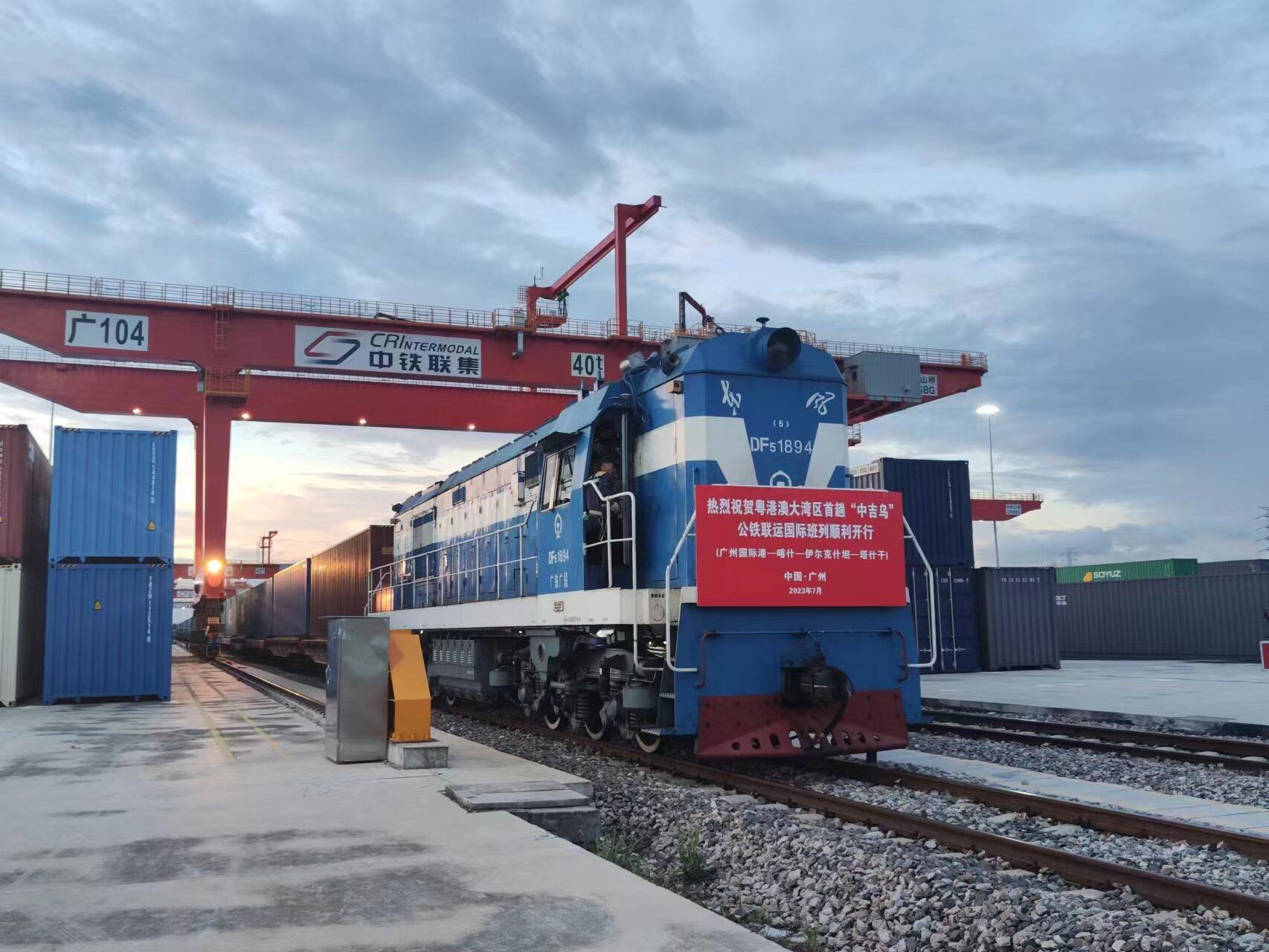
Draw a new blueprint for the Eurasian Corridor
This deep collision is not only to solve the current construction problems, but also to build a long-term regional economic link. Through the multilateral and deep integration of government, industry, academia, and research, the China Kyrgyzstan Uzbekistan Railway is gradually moving from a blueprint to a reality. It will become a key engine to activate the inland trade potential of the five Central Asian countries and even the entire Eurasian continent.Editor/Gao Xue
Comment




 Praise
 Collect
 Comment

 Share
Share


Write something~