 Search


- The project promotes cross-border hydrogen energy trade and accelerates the construction of hydrogen transmission pipelines
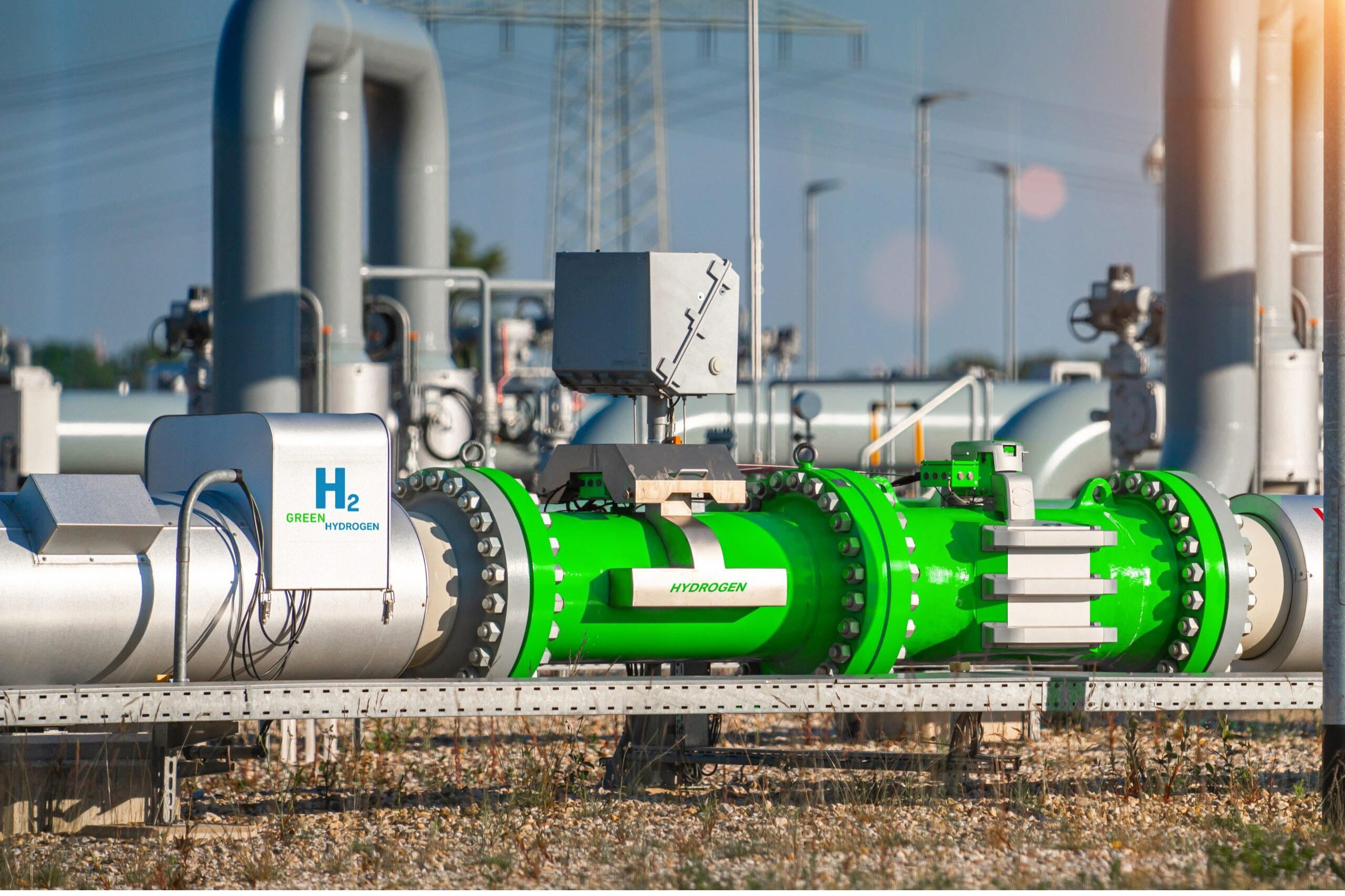
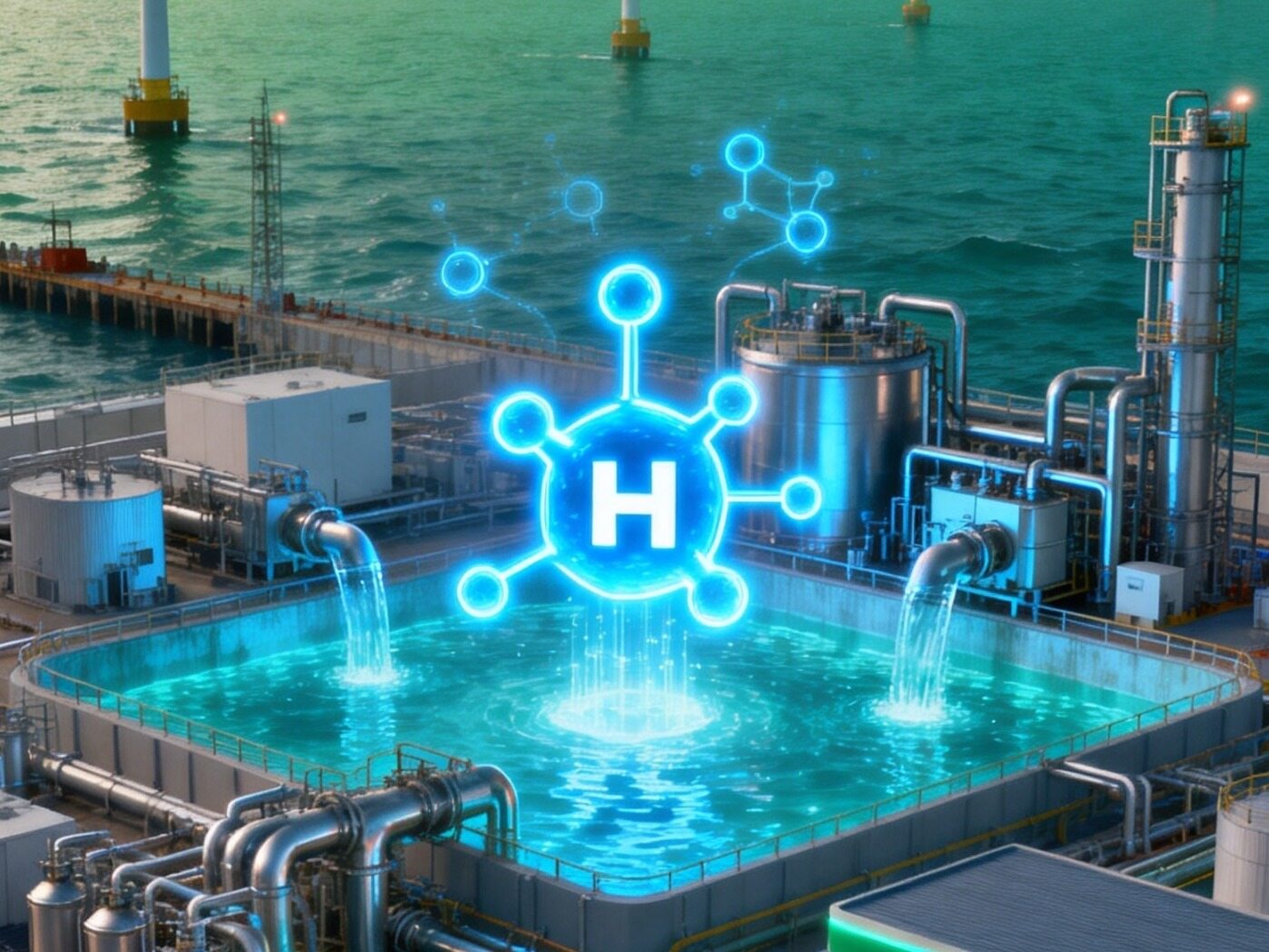
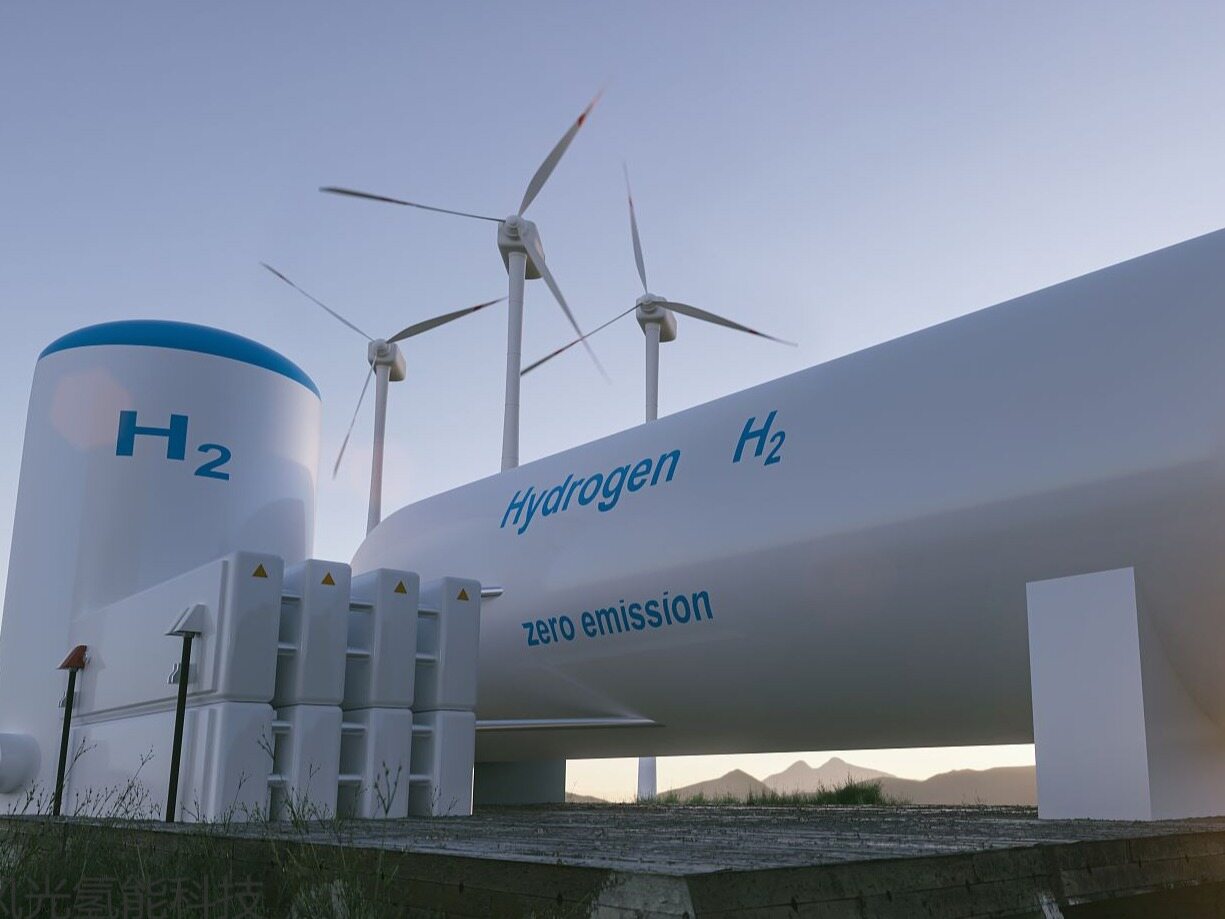
A huge sum of up to 1.3 billion euros has been allocated to Denmark, injecting strong momentum into the thriving green hydrogen industry on the North Sea coast. This is not an ordinary fiscal allocation, but a "cross-border order" extended by Germany to neighboring countries to lock in the future energy lifeline. As the subsidy dust settles, Denmark's three major energy giants have officially taken over the green hydrogen relay across Europe.
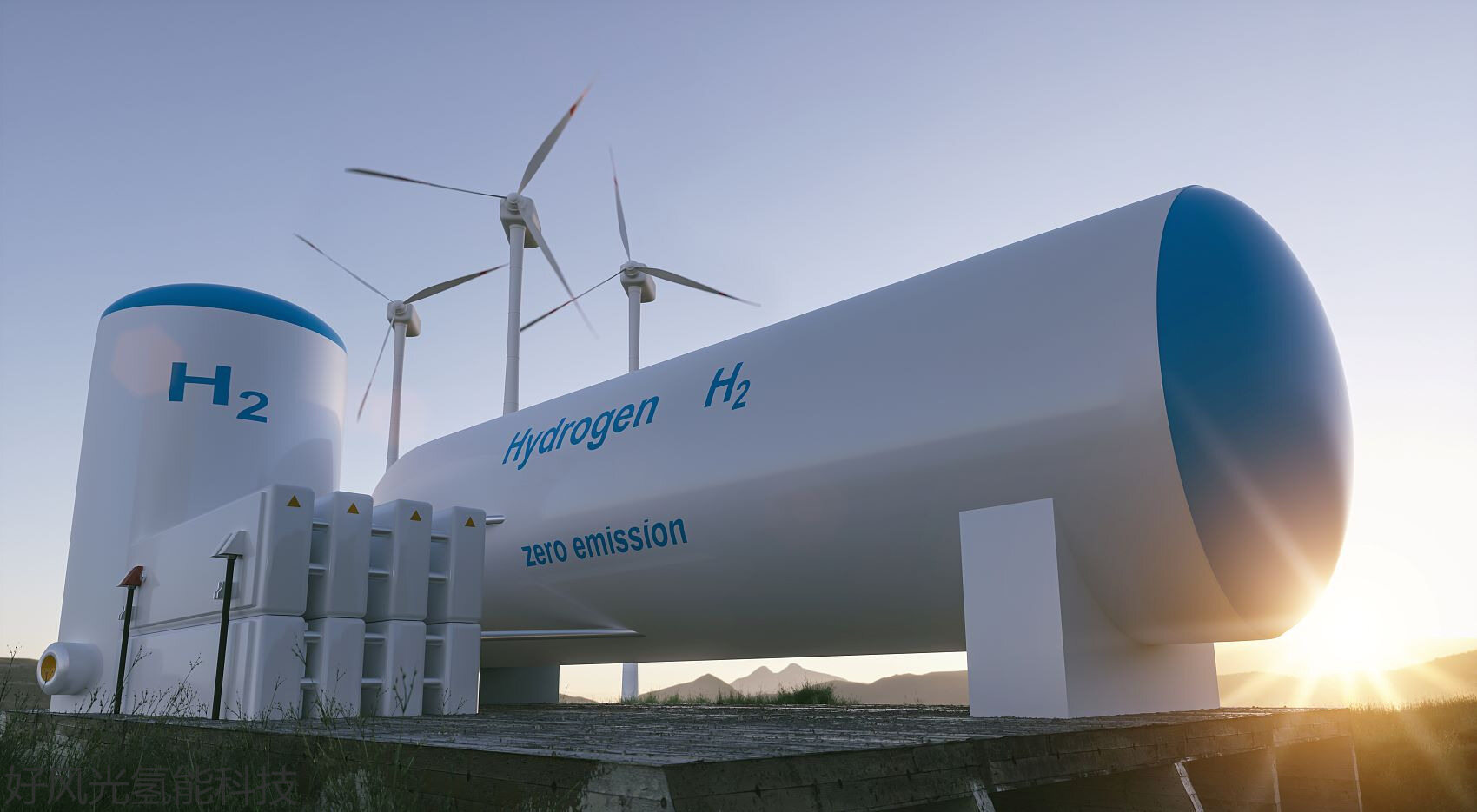
Denmark's three giants divide subsidies
EF Fuel, European Energy, and Copenhagen Infrastructure Partnership (CIP) have become the biggest winners in this tender. According to the agreement, the three companies will respectively land a total of nearly 600 megawatts of electrolytic water hydrogen production capacity in Wayan, Kasser, and Esbjer. Among them, CIP's Horst project alone won about 777 million euros, becoming the highest single order amount, with a subsidy unit price of up to 1.70 euros per kilogram.
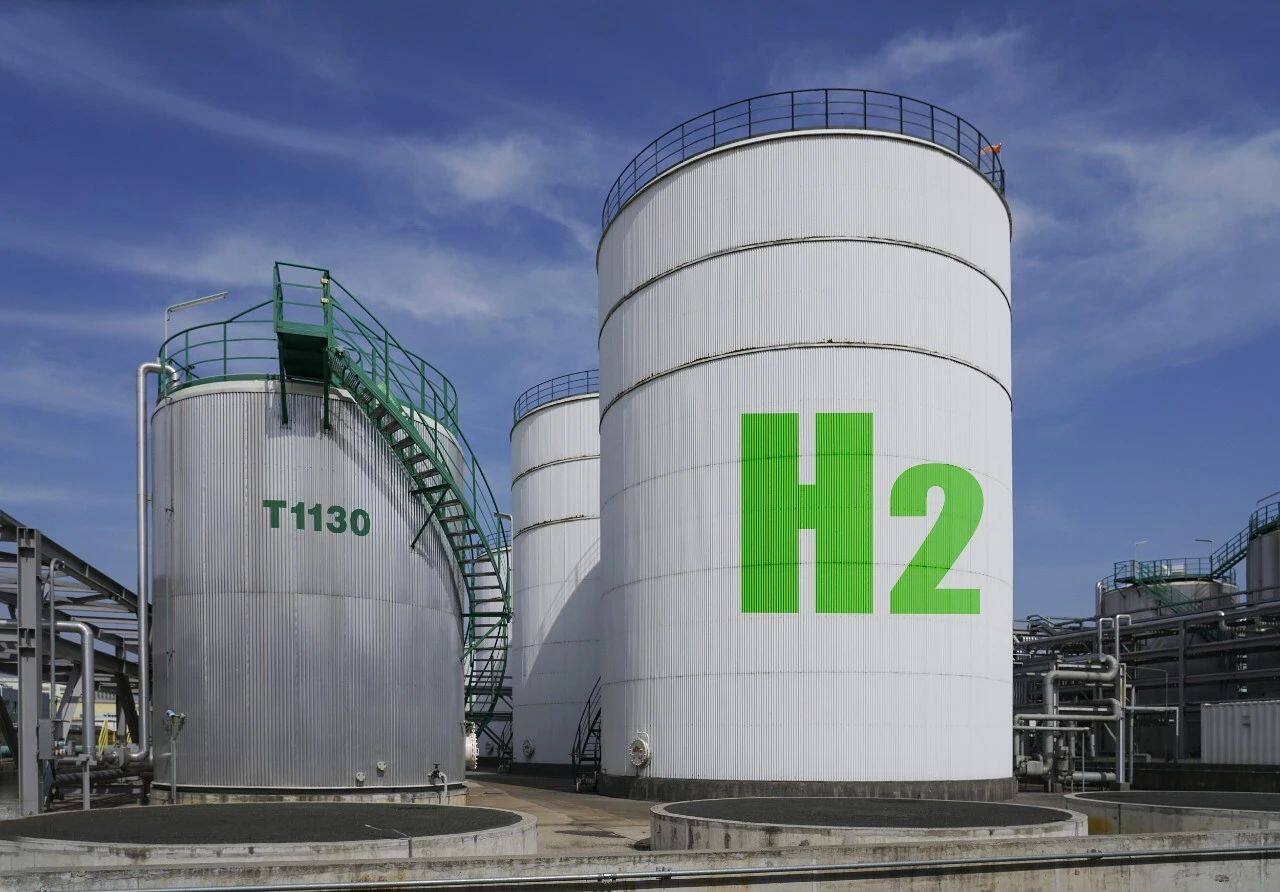
The construction of cross-border pipeline networks is urgently needed
Behind the huge subsidies is a "hydrogen highway" that has not yet been fully connected. The planned Danish hydrogen energy backbone pipeline network was originally scheduled to be put into operation in 2028, but has now been postponed until the end of 2030. Faced with warnings from power grid operator Energinet about construction difficulties and extended approval cycles, Germany is eager to urge the accelerated landing of this 133 kilometer cross-border pipeline to ensure that Denmark's green hydrogen can be delivered to the German hinterland on time after 2029. Keywords: New energy news and information, green hydrogen
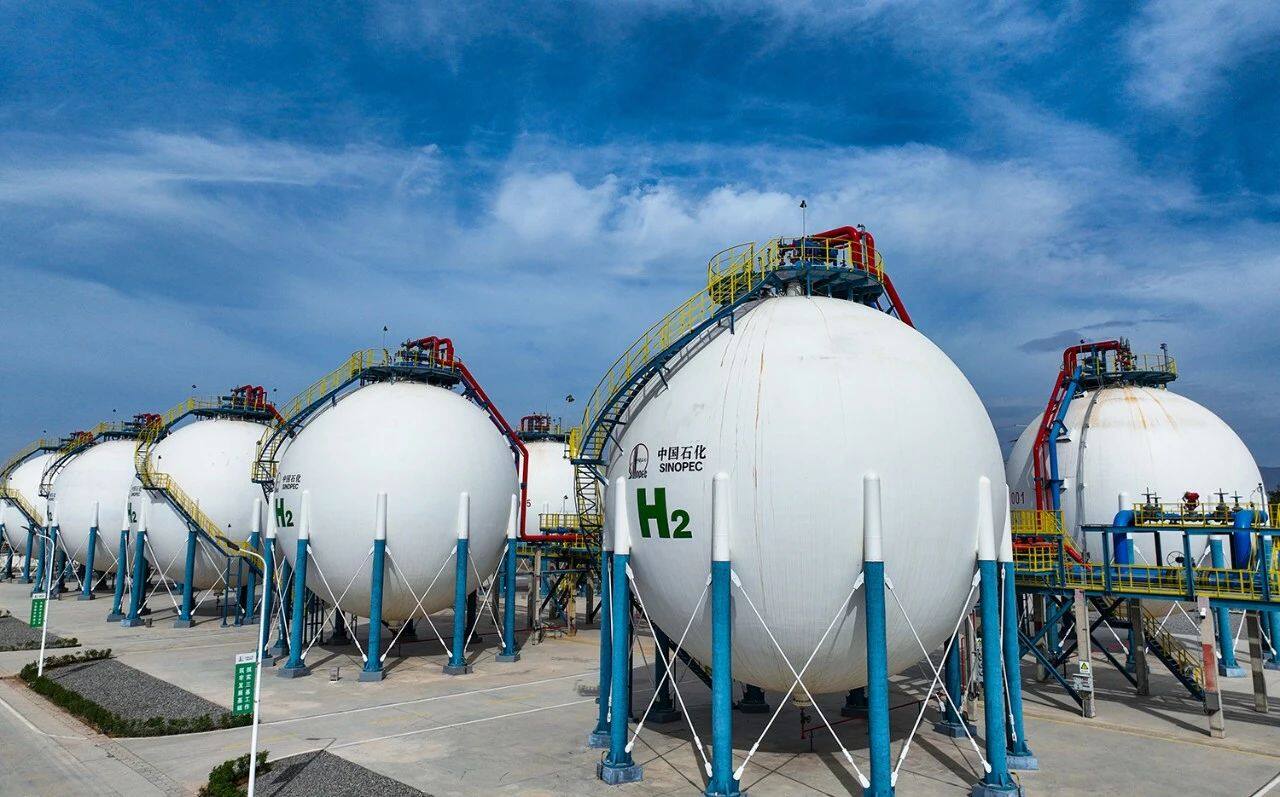
Pushing Germany's transportation and energy revolution
This funding is not only for construction costs, but also the "road money" for Germany to implement strict environmental regulations. According to the new regulations in Germany, green hydrogen must account for 10% of transportation energy consumption by 2040, and those who fail to meet the standards will face severe penalties. This subsidy will directly reduce the investment risk of Danish projects, help them become a key external source of energy for Germany and even Europe, and reshape the Nordic industrial landscape.Editor/Gao Xue
Comment


 Praise
 Collect
 Comment

 Share
Share


Write something~