 Search


- Nepal's five railway lines are advancing simultaneously, serving a population of 4 million in the valley
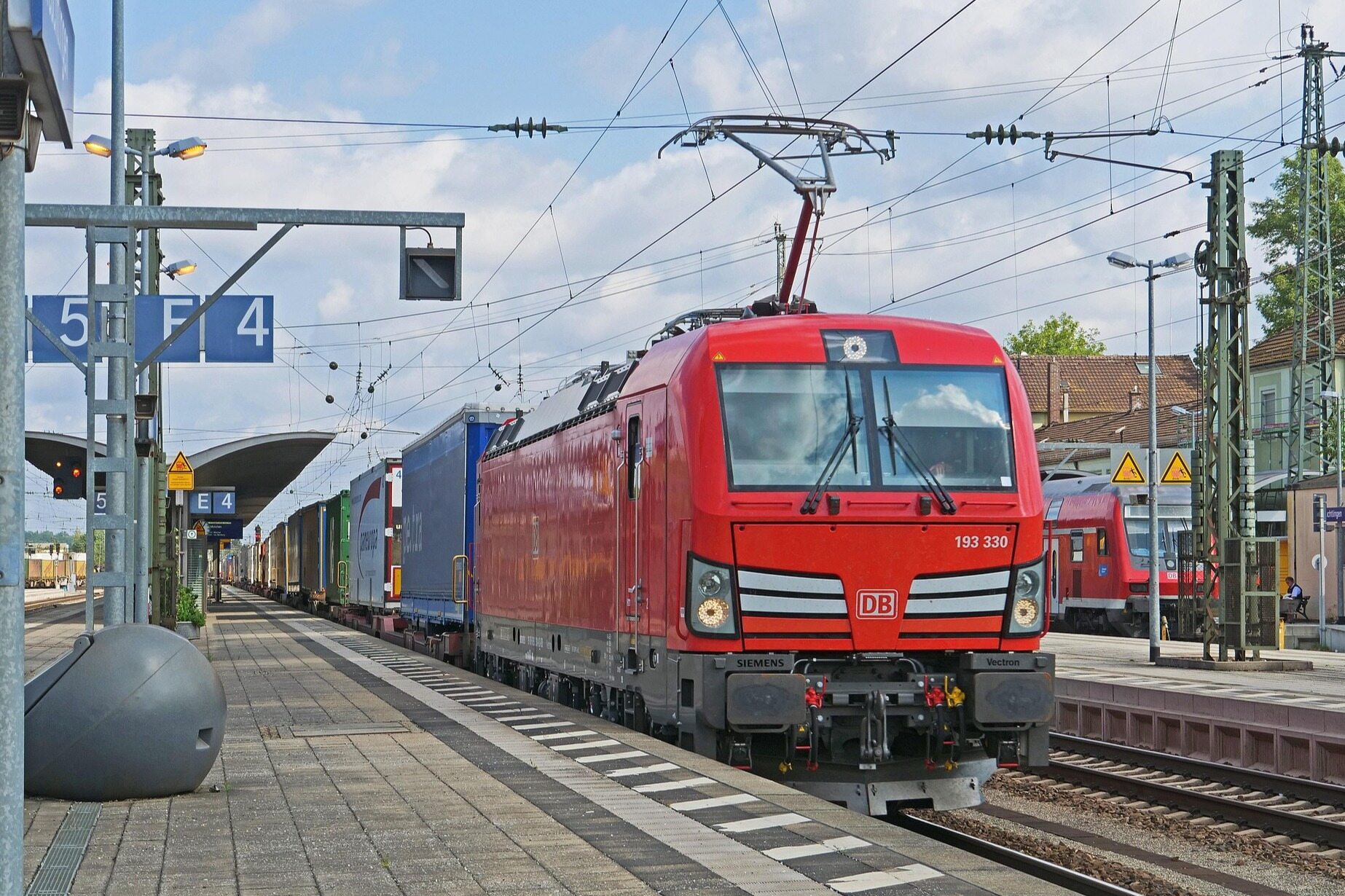
In the inland hinterland of the southern foothills of the Himalayas, a capital without a coastline is redefining its land port status through rail transit. The Nepalese Ministry of Railways recently invited a consulting agency to submit a letter of intent to prepare a detailed project report for a 27.5-kilometer circular line in the Kathmandu Valley, marking the transition of the country's urban rail transit from conceptual to substantive planning stage.
The advance standard for circular lines is yet to be determined
This circular line will connect core areas such as Narayan Gopar Chok, Chabashir, Kektoshwar, Satduobato (Lalitbur), and Ratnapak. The specific choice of railway, subway, or monorail system will be determined by subsequent feasibility studies. The government has allocated a special fund of 323.4 million rupees for this purpose, and the winning consulting agency must complete the DPR preparation within 18 months. For Nepal, rail transit is not only a means of commuting, but also the infrastructure backbone that connects inland land ports and connects with cross-border logistics channels between China and Nepal.
Five line synchronous promotion covering the entire valley
In addition to the circular line, DoR is synchronously evaluating four other electrified urban rail transit projects: from Kiltupur via Calimati and Baneshwar to Tribhuvan International Airport (11.15 kilometers), from Koteshwar via Chabashir and Swayangbu back to Koteshwar (28.53 kilometers), from Swayangbu via Dilibazar to Boda (11.7 kilometers, underground operation), and from Dobigat via Singadubar and Naker to Gangab (13.8 kilometers, underground operation).
The first two may be elevated, while the last two are planned as underground lines. The five routes will serve approximately 4 million people in the Kathmandu Valley, and are expected to significantly alleviate traffic congestion, reduce dependence on private cars, reduce fuel imports, improve air quality, and drive tourism growth.
When rail transit moves from blueprint to construction, the Kathmandu Valley will no longer be just a transit channel, but is expected to become a key hub node in the South Asian inland multimodal transport network.Editor/Cheng Liting
Comment

 Praise
 Collect
 Comment

 Share
Share


Write something~